
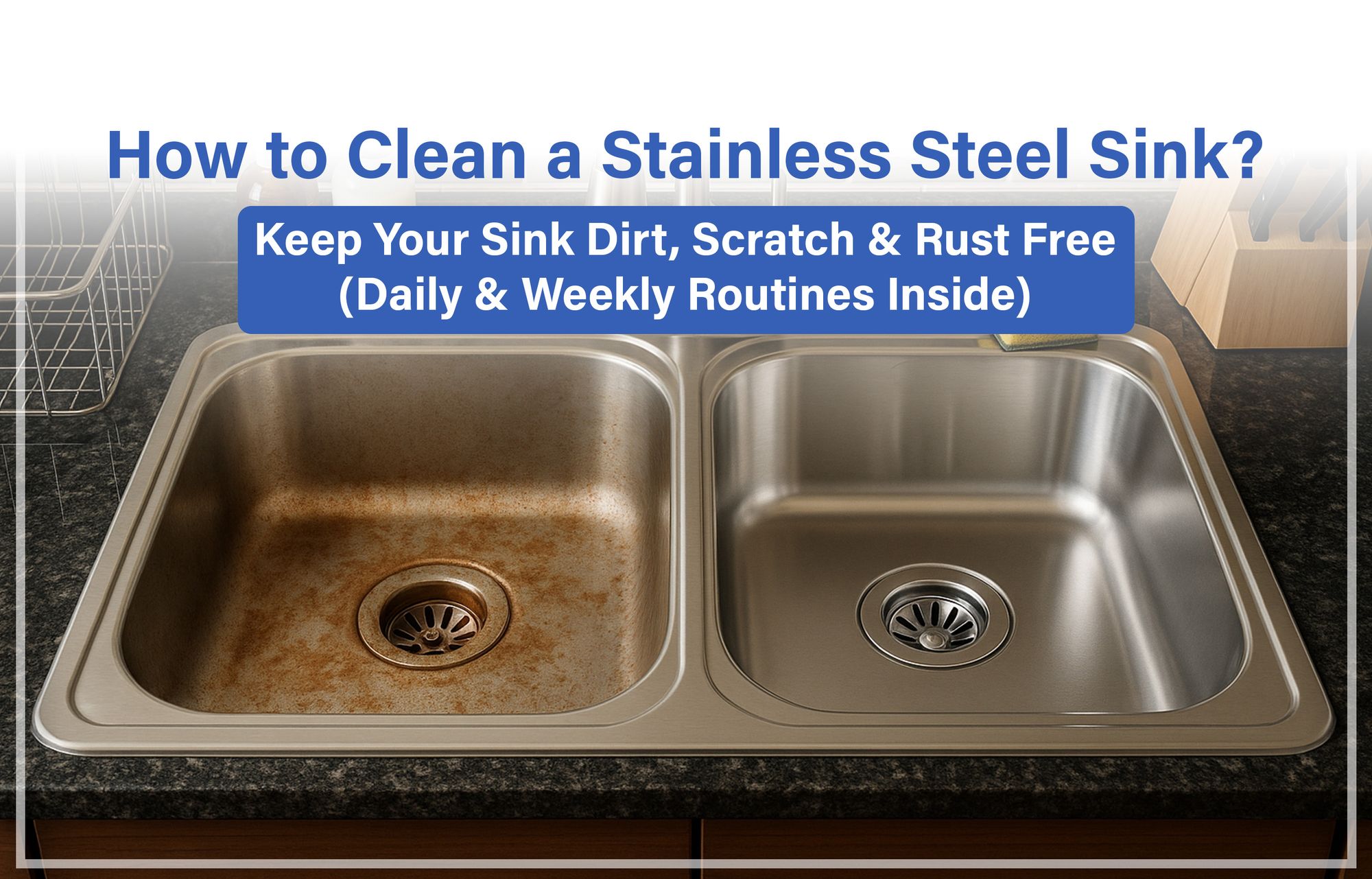
Your stainless steel sink is one of the busiest spots in your kitchen. It faces constant exposure to water, food scraps, and stains that can quickly dull its shine.
But keeping it clean doesn’t have to be a chore. Imagine opening your kitchen faucet to a sparkling sink that looks brand new every day. You’ll discover simple, effective tips that make cleaning your stainless steel sink easy and even enjoyable.
Ready to transform your sink into a spotless centerpiece? Let’s dive in.
Credit: www.lysol.com
Daily Cleaning Habits
Keeping a stainless steel sink clean every day is simple. Small habits prevent stains and water spots.
These easy steps keep your sink shiny and fresh without much effort.
Rinse After Each Use
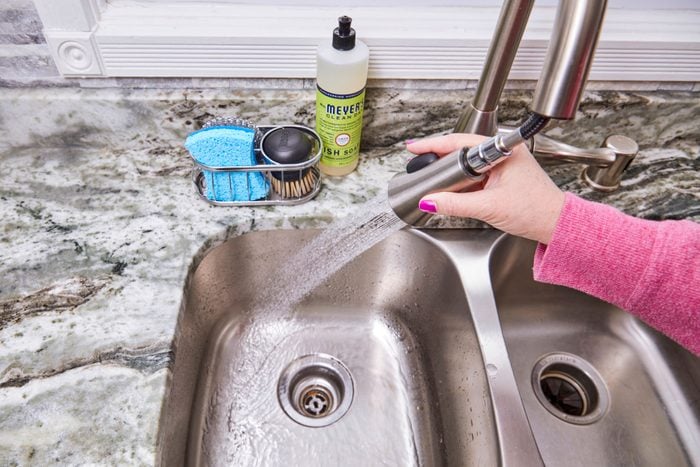
Rinse the sink with warm water after every use. This removes food bits and soap residue.
Rinsing stops stains from forming and keeps the sink clean longer.
Wipe With A Soft Cloth
Dry the sink with a soft cloth or microfiber towel after rinsing. This prevents water spots.
Wiping also removes leftover dirt and keeps the surface smooth.
- Use a clean, dry cloth
- Wipe gently to avoid scratches
- Focus on corners and edges
Avoid Harsh Chemicals
Do not use bleach or abrasive cleaners on your sink. They can damage the finish.
Choose mild dish soap or vinegar for cleaning. These keep the sink safe and shiny.
Deep Cleaning Techniques
Keeping your stainless steel sink clean helps it look new and lasts longer. Deep cleaning removes stains, grime, and water spots.
This guide shows easy ways to deep clean your sink using common household items and gentle tools.
Use Baking Soda Paste
Baking soda is a mild abrasive that cleans without scratching the sink surface. Make a paste by mixing baking soda with water.
Apply the paste to the sink and scrub gently with a sponge or cloth. Baking soda helps remove stains and deodorizes the sink.
Apply Vinegar For Shine
Vinegar acts as a natural cleaner and shines stainless steel. Spray or pour white vinegar on the sink surface.
- Let vinegar sit for 5 minutes.
- Wipe with a soft cloth to remove residue.
- Rinse well with water.
- Dry the sink to prevent water spots.
Scrub With A Soft Brush
A soft brush reaches corners and removes dirt without damaging the finish. Use a brush with nylon bristles for best results.
| Brush Type | Use |
|---|---|
| Soft nylon | General cleaning and scrubbing |
| Toothbrush | Hard-to-reach areas and corners |
| Natural bristle | Gentle scrubbing without scratches |
Removing Stains And Spots
Keeping a stainless steel sink clean can be simple. Regular care helps maintain its shine.
This guide focuses on removing stains and spots effectively.
Tackle Water Spots
Water spots can dull the look of your sink. They occur when water evaporates and leaves mineral deposits.
- Use a soft cloth to wipe the sink after each use.
- Apply white vinegar to a cloth and rub gently on spots.
- Rinse thoroughly with warm water and dry with a towel.
Eliminate Rust Marks
Rust marks might appear if metal items sit wet in the sink. They can be removed easily.
Handle Hard Water Deposits
Hard water deposits can be stubborn. They form from minerals in hard water.
| Solution | Application Method |
| White Vinegar | Soak a cloth and apply to deposits |
| Lemon Juice | Rub directly onto the deposits |
| Baking Soda Paste | Scrub with a soft brush |
Credit: diyjoy.com
Preventing Damage
Keeping a stainless steel sink clean is important to keep it looking new. Preventing damage helps avoid scratches and stains.
Small habits protect the sink’s surface and make cleaning easier over time.
Avoid Abrasive Tools
Abrasive tools like steel wool or rough scrubbers can scratch stainless steel. Scratches make the sink look dull and can trap dirt. To maintain the shine and luster of your stainless steel sink, it's crucial to use gentle cleaning methods. There are specialized products available that can help remove scratches from stainless steel, restoring its pristine appearance. Additionally, regular maintenance with soft cloths and appropriate cleaners can prevent future scratches and keep your sink looking new.
Use soft sponges or cloths to clean the sink gently. This keeps the surface smooth and shiny.
Use Sink Mats
Sink mats protect the bottom from heavy pots and sharp objects. They also reduce noise and prevent dents.
- Choose mats made of soft, durable materials
- Remove mats regularly to clean underneath
- Replace mats if they get worn or dirty
Limit Exposure To Acidic Foods
Acidic foods like lemon, vinegar, or tomato can damage stainless steel if left too long. They may cause stains or corrosion.
Rinse the sink quickly after contact with acidic foods. Wipe dry to prevent marks and keep the sink clean.
Maintaining Shine
Keeping a stainless steel sink shiny makes your kitchen look clean and fresh. Simple care steps help keep the sink bright. Regularly rinsing the sink after use can prevent water spots and build-up. Additionally, using a mixture of baking soda and vinegar can effectively remove stains and restore shine. For more detailed instructions, consider looking up how to clean a stainless steel sink.
Regular cleaning and polishing protect the surface from dullness and stains. Use gentle methods to avoid scratches.
Polish With Olive Oil
Olive oil works well to polish stainless steel. It adds a soft shine and helps prevent water marks.
- Pour a small amount of olive oil onto a soft cloth.
- Rub the oil gently over the sink surface.
- Focus on areas with dull spots or fingerprints.
- Let the oil sit for a few minutes.
- Wipe off excess oil with a dry cloth.
Buff With Microfiber Cloth
Microfiber cloths remove dirt without scratching. Buffing with these cloths raises the sink’s shine.
| Tip | How to Do It |
| Choose Cloth | Use a clean, dry microfiber cloth |
| Buff Gently | Move the cloth in small circles |
| Focus Areas | Pay attention to corners and edges |
| Repeat Often | Buff weekly to maintain shine |
Regularly Dry The Sink
Water left on the sink can cause spots and dullness. Drying the sink after use keeps it bright.
- Use a soft towel or cloth
- Wipe all surfaces after every use
- Pay close attention to seams and corners
Troubleshooting Common Issues
Stainless steel sinks are popular for their durability and shine. Still, they can face some problems over time.
Cleaning and fixing small issues can keep your sink looking new and working well.
Fixing Scratches
Scratches happen from pots, pans, and utensils. Light scratches can be removed with simple tools.
Use a non-abrasive pad and some stainless steel cleaner. Always rub in the direction of the grain.
- Apply cleaner on the scratch
- Rub gently with a soft cloth or pad
- Rinse and dry the area
- Repeat if needed for deeper scratches
Dealing With Foul Odors
Bad smells come from food particles and bacteria. Cleaning the drain and sink regularly stops odors.
Use baking soda and vinegar to clean inside the drain and keep it fresh.
- Sprinkle baking soda in the sink and drain
- Pour vinegar over the baking soda
- Let it fizz for 10 minutes
- Flush with hot water
Preventing Clogs
Clogs block water flow and cause slow drainage. Avoid putting grease, coffee grounds, and food scraps down the drain.
Use a drain strainer to catch debris and clean it often.
- Do not pour grease or oil down the sink
- Use a strainer to catch food pieces
- Empty the strainer after each use
- Flush the drain with hot water weekly
Credit: www.rd.com
Frequently Asked Questions
How Often Should I Clean My Stainless Steel Sink?
Clean your stainless steel sink daily to prevent stains and buildup. Use mild soap and warm water for routine cleaning. For deeper cleaning, scrub weekly with baking soda and a soft sponge. Regular maintenance keeps the sink shiny and hygienic.
What Household Items Effectively Clean Stainless Steel Sinks?
Common household items like baking soda, white vinegar, and lemon juice clean stainless steel sinks effectively. Baking soda acts as a gentle abrasive. Vinegar removes hard water spots and disinfects. Lemon juice brightens the surface and leaves a fresh scent.
Can I Use Bleach To Clean A Stainless Steel Sink?
Avoid using bleach on stainless steel sinks as it can cause discoloration and damage. Instead, use mild detergents or natural cleaners like vinegar. Bleach may corrode the steel and reduce its lifespan. Stick to safe, non-abrasive cleaning agents.
How Do I Prevent Water Spots On Stainless Steel Sinks?
Wipe your stainless steel sink dry after each use to prevent water spots. Use a microfiber cloth for best results. Regular drying stops mineral deposits from forming. Applying a thin layer of mineral oil can also help maintain shine and repel water.
Conclusion
Keeping a stainless steel sink clean takes small daily steps. Use gentle cleaners and a soft cloth to avoid scratches. Rinse and dry the sink after each use to stop water spots. Clean stains quickly to keep the shine bright. For deeper cleaning, it's helpful to occasionally use a mixture of baking soda and water to tackle any stubborn stains. If you notice any discoloration, particularly from metal pots or pans, you can use a paste made of baking soda and vinegar to remove rust stains from sink surfaces. Regular maintenance will keep your sink looking new and prolong its lifespan. For tougher stains, a mixture of baking soda and water can effectively remove stains from stainless steel without damaging the surface. Simply apply the paste, let it sit for a few minutes, and then gently scrub with a soft cloth. Regular maintenance will ensure that your sink remains gleaming and free from unsightly marks.
Avoid harsh chemicals that can damage the surface. With simple care, your sink stays shiny and fresh for years. A clean sink makes your kitchen look neat and inviting. Try these easy tips to keep your sink looking its best.