
Rust spots on your stainless steel sink can be frustrating and make your kitchen look dull. You might wonder if it’s possible to get that shiny, clean finish back without spending a lot of time or money.
The good news is, you don’t have to replace your sink or use harsh chemicals. You’ll discover simple, effective ways to clean rust off your stainless steel sink. By the end, you’ll feel confident tackling those stubborn stains and restoring your sink’s sparkle.
Keep reading to learn easy steps that anyone can follow!
Causes Of Rust On Stainless Steel
Stainless steel sinks are popular because they resist rust. Still, rust can form on them over time. Knowing why rust appears helps you prevent it.
Rust is a sign that the steel is starting to corrode. This happens when iron in the steel reacts with oxygen and moisture.
Scratches And Damage
Scratches break the protective layer on stainless steel. This layer stops rust from forming. When it breaks, rust can start.
Using sharp or rough objects can cause scratches. Even small damage can let moisture reach the steel beneath.
Contact With Iron Or Steel Items
Iron or steel items left in the sink can cause rust spots. Tiny iron particles move to the sink surface. This is called rust transfer.
- Cast iron pans
- Steel wool pads
- Metal cans
These items leave small iron bits that rust quickly on the stainless steel surface.
Water Quality And Minerals
Hard water contains minerals like iron and calcium. These minerals can leave spots that look like rust. Over time, they can cause real rust.
Water with high iron content may speed up rust formation on the sink surface.
Improper Cleaning Products
Some cleaning products can harm stainless steel. Harsh chemicals or bleach can damage the protective layer. This damage makes rust easier to form.
Using steel wool or abrasive pads also causes scratches that lead to rust.
Prolonged Moisture Exposure
Leaving water on the sink for long periods can cause rust spots. Moisture trapped in corners or scratches speeds up corrosion.
Drying the sink after use helps prevent rust from forming.

Credit: www.youtube.com
Safety Tips Before Cleaning
Cleaning rust off a stainless steel sink can be simple. You must follow safety tips to avoid harm.
Using the right tools and protecting yourself keeps the cleaning safe and effective.
Wear Protective Gloves
Gloves protect your hands from harsh cleaners and rust particles. Choose thick, waterproof gloves.
Wearing gloves prevents skin irritation and keeps your hands clean.
Use Eye Protection
Rust cleaners can splash and irritate your eyes. Always wear safety goggles or glasses.
Protecting your eyes helps avoid serious injuries during cleaning.
Ensure Good Ventilation
Rust removers may have strong fumes. Open windows or use a fan for fresh air.
Good airflow reduces inhaling harmful chemicals and keeps the room safe.
Test Cleaners On A Small Area
Test any cleaning product on a small sink corner first. This prevents damage to the whole sink.
If the cleaner causes discoloration or damage, stop using it immediately.
Keep Children And Pets Away
Cleaning chemicals and rust particles can be harmful to kids and pets. Keep them out of the area.
Make sure to clean up all tools and products after you finish cleaning.
Tools And Materials Needed
Cleaning rust off a stainless steel sink needs the right tools. Using proper materials helps remove rust safely.
Gather all your tools before starting. This makes the cleaning process quick and smooth.
Soft Cloths Or Sponges
Soft cloths or sponges help clean the sink without scratching it. Avoid rough materials to protect the surface.
- Microfiber cloths
- Non-abrasive sponges
- Soft cotton rags
White Vinegar
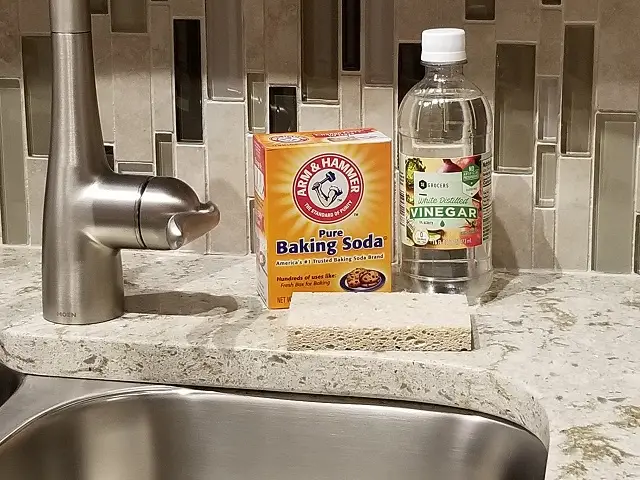
White vinegar is a natural cleaner that helps dissolve rust stains. It is safe for stainless steel.
- Use undiluted white vinegar
- Apply with a cloth or spray bottle
- Let it sit on rust spots for better results
Baking Soda
Baking soda acts as a gentle abrasive. It helps scrub rust without damaging the sink’s finish.
- Make a paste with water
- Apply paste to rust areas
- Use a sponge or cloth to scrub gently
Soft-bristled Brush
A soft-bristled brush removes rust from hard-to-reach spots. It cleans without scratching the steel.
- Toothbrush or small cleaning brush
- Use with baking soda paste or vinegar
- Brush gently to lift rust
Protective Gloves
Wear gloves to protect your skin from cleaning agents. Gloves keep your hands safe and clean.
- Use rubber or latex gloves
- Choose gloves that fit well
- Replace gloves if torn or damaged
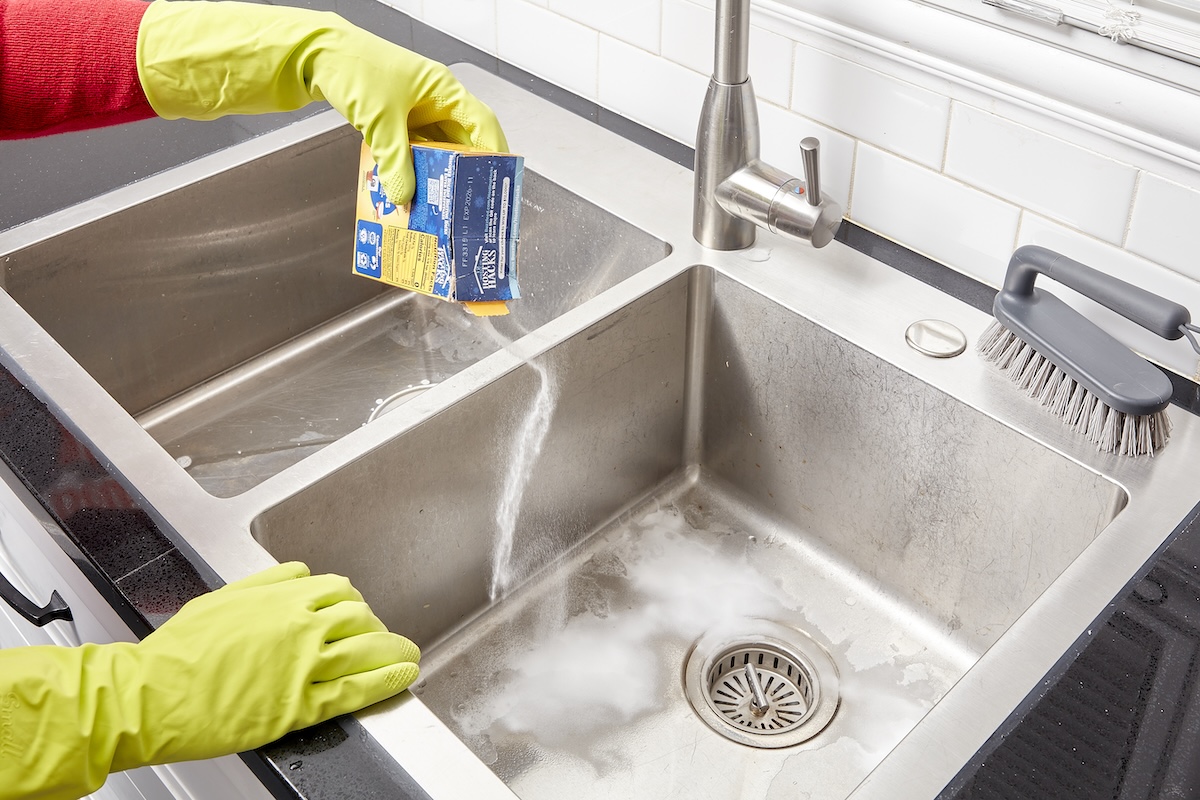
Credit: www.bobvila.com
Home Remedies For Rust Removal
Rust on stainless steel sinks looks unpleasant and can damage the surface. Cleaning rust is easy with items you find at home.
These home remedies use natural ingredients to remove rust safely and effectively. You can try them without harsh chemicals.
Using Baking Soda
Baking soda is a gentle abrasive that helps scrub rust off stainless steel. It is safe and easy to use.
Make a paste by mixing baking soda with water. Apply it on the rust spots and let it sit for 15 minutes.
Use a soft cloth or sponge to scrub the rust gently. Rinse well with water and dry the sink.
Applying White Vinegar
White vinegar contains acetic acid, which dissolves rust. It works well on light rust stains.
Soak a cloth in white vinegar and place it on the rusted area. Leave it for 30 minutes to an hour.
Wipe the area with the cloth and scrub gently if needed. Rinse with water and dry the sink.
Lemon And Salt Method
Lemon juice is acidic and helps break down rust. Salt adds scrubbing power to remove rust stains.
Sprinkle salt on the rust spot. Squeeze fresh lemon juice over the salt and let it sit for 2 hours.
Scrub the area with a cloth or sponge. Rinse thoroughly with water and wipe dry.
Commercial Rust Removers
Rust on stainless steel sinks can make them look old and dirty. Commercial rust removers are made to clean rust fast and well. They help restore the sink’s shiny surface without much effort.
These products use special chemicals to break down rust. Many are safe for stainless steel and easy to use. Always read the label to ensure the product fits your needs.
Choosing The Right Product
Pick a rust remover made for stainless steel. Some products are too strong and can damage the sink’s finish. Look for one that says it is safe for stainless steel. Additionally, always follow the manufacturer's instructions for the best results and to avoid potential harm to the surface. If you're unsure about a product, consider testing it on a small, inconspicuous area first. For more effective maintenance, check out various cleaning tips for stainless steel sinks that can help preserve their shine and prevent rust.
Check if the product is easy to use and rinse off. Avoid harsh acids that might harm the sink. You can also find eco-friendly options that are less toxic.
- Safe for stainless steel
- Easy to apply and rinse
- Non-corrosive ingredients
- Eco-friendly if possible
Application Tips
Wear gloves to protect your skin when using rust removers. Apply the product on the rust spots with a soft cloth or sponge. Do not use steel wool as it can scratch the sink.
Let the remover sit for the time on the label. After that, rinse the sink well with water. Dry it with a clean towel to stop new rust from forming.
- Use gloves and protect your skin
- Apply with a soft cloth or sponge
- Wait the recommended time
- Rinse thoroughly with water
- Dry the sink to prevent rust
Step-by-step Cleaning Process
Cleaning rust off a stainless steel sink can be simple. Follow these steps to make your sink shine again. First, sprinkle baking soda over the affected areas of the sink, as it acts as a mild abrasive that won't scratch the surface. Next, dampen a soft cloth or sponge and gently scrub the sink in circular motions until the rust starts to lift. For a more comprehensive guide on maintaining your sink's shine, consider researching how to clean stainless steel sinks effectively.
With the right tools and techniques, you can remove rust quickly and easily. Let's get started.
Preparing The Sink
Clear the sink of any dishes or items. This makes it easier to clean.
Rinse the sink with water to remove food particles and debris.
- Remove all items from the sink
- Rinse with warm water
- Dry with a clean cloth
Applying Rust Remover
Choose a rust remover that is safe for stainless steel. Apply it to the rust spots.
Let the remover sit for the time recommended by the product instructions.
- Pick a stainless steel-safe rust remover
- Apply to affected areas
- Follow product instructions for wait time
Scrubbing Techniques
Use a soft-bristle brush or sponge to scrub the rusted areas. Avoid abrasive materials to protect the steel.
Scrub gently in circular motions to lift the rust without scratching the surface.
- Use a soft brush or sponge
- Scrub in circular motions
- Avoid scratching the surface
Rinsing And Drying
Rinse the sink thoroughly with warm water to remove any residue. Make sure all rust remover is washed away.
Dry the sink with a clean towel to prevent water spots and future rust.
- Rinse with warm water
- Remove all cleaning residues
- Dry with a towel
Preventing Future Rust
Stainless steel sinks are common in kitchens. They can rust if not cared for properly. Learn how to prevent rust with these simple steps.
Regular Cleaning Habits
Clean your sink every day to avoid rust. Use a soft cloth and mild soap. This removes food particles that can cause rust.
- Wipe the sink dry after each use
- Use a soft sponge or cloth for cleaning
- Rinse the sink with warm water
Avoiding Harsh Chemicals
Strong chemicals can damage your sink. Use gentle cleaners for daily cleaning. This helps keep the stainless steel shiny and rust-free.
Bleach and harsh cleaners can cause rust over time. Opt for natural cleaning solutions instead.
- Use vinegar and water for tough spots
- Avoid bleach and ammonia-based cleaners
- Try baking soda for stubborn stains
Proper Sink Maintenance
Regular maintenance keeps your sink in good condition. Check for scratches and repair them quickly. This prevents rust from forming.
Keep your sink dry and clean. Repair any leaks to prevent water from sitting in the sink.
- Use a sink mat to avoid scratches
- Repair leaks promptly
- Polish the sink regularly for a shiny surface

Credit: www.dkhardware.com
Frequently Asked Questions
How Do I Remove Rust From A Stainless Steel Sink?
To remove rust, use a paste of baking soda and water. Apply it to rust spots, scrub gently with a soft brush, then rinse thoroughly. This method is safe, effective, and preserves the sink’s finish without harsh chemicals. For particularly stubborn rust stains, you may need to let the baking soda paste sit for a few minutes before scrubbing. This allows the mild abrasiveness of the baking soda to penetrate deeper into the rust. With consistent use of this method, you can effectively remove rust stains from sinks and keep them looking like new.
Can Vinegar Help Clean Rust Off Stainless Steel?
Yes, white vinegar is excellent for rust removal. Soak a cloth in vinegar, apply it to rust spots, and let it sit for 10 minutes. Scrub gently and rinse well. Vinegar’s acidity dissolves rust without damaging stainless steel surfaces.
Is It Safe To Use Commercial Rust Removers?
Some commercial rust removers work well but may contain harsh chemicals. Always check if the product is safe for stainless steel. Follow instructions carefully, wear gloves, and test on a small area first to avoid damage.
How Often Should I Clean Rust From My Stainless Steel Sink?
Clean rust as soon as you notice it to prevent spreading. Regular cleaning every week helps avoid rust buildup. Keep the sink dry and free from standing water to minimize rust formation over time.
Conclusion
Cleaning rust from a stainless steel sink is simple and quick. Use common household items like baking soda and vinegar. Gently scrub to avoid scratches. Rinse well and dry the sink after cleaning. Regular care keeps the sink shiny and rust-free. For tougher rust stains, you may need a more concentrated solution. Many online resources provide tips on how to remove rust stains effectively. Remember to always test any cleaning method on a small, inconspicuous area before applying it to the entire sink. For deeper stains, consider using a stainless steel cleaner specifically designed for tough rust issues. When searching for methods on how to clean stainless steel sinks, always follow the manufacturer’s instructions for any cleaning products you choose. Additionally, maintaining a regular cleaning schedule will prolong the life and appearance of your sink.
A clean sink looks nice and lasts longer. Try these easy steps to maintain your sink today. Rust doesn’t have to stay. You can keep your sink looking new.