
Rust stains on your stainless steel sink can be frustrating and stubborn. You might feel like no matter how hard you scrub, those orange marks just won’t disappear.
But don’t worry—removing rust stains is easier than you think. You’ll discover simple, effective methods to restore your sink’s shine and keep it looking brand new. Ready to say goodbye to rust and hello to a spotless sink? Let’s get started!
Causes Of Rust Stains
Rust stains often appear on stainless steel sinks. They can be hard to remove if you do not know the causes. Understanding these causes helps keep your sink clean.
Rust stains are not always from the sink itself. Sometimes, outside elements cause the stains to form.
Common Sources
Rust stains usually come from metal objects left in the sink. Water with high iron content can also cause rust. Even cleaning tools can leave marks.
- Iron pans and utensils left wet in the sink
- Steel wool or metal scrubbers
- Water with high iron or mineral levels
- Old pipes that leak rusty water
- Metal tools or hardware placed in the sink
Impact On Stainless Steel
Rust stains can damage the look of stainless steel sinks. They create rough spots that are hard to clean. Over time, rust can weaken the metal surface.
If left untreated, rust may spread and cause permanent damage. This can reduce the sink’s lifespan and make it less shiny.
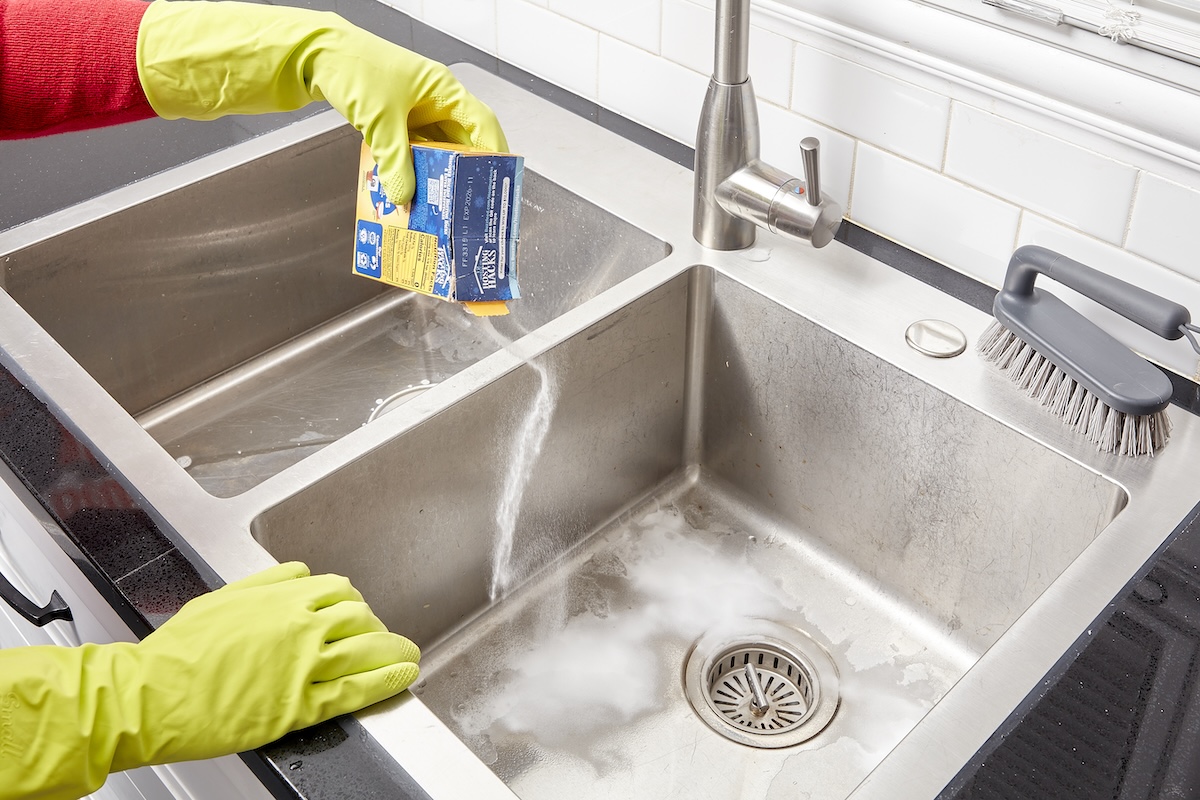
Credit: www.bobvila.com
Safety Measures Before Cleaning
Removing rust stains from a stainless steel sink needs care. Use safety steps to protect yourself and your home.
Cleaning products and rust removal can cause harm if you are not prepared. Follow safety tips before you start.
Protective Gear
Wear protective gear to keep your skin and eyes safe. Rust removers can irritate or burn your skin.
Use gloves and goggles to avoid contact with chemicals. This gear helps stop accidents during cleaning.
- Wear rubber gloves to protect your hands
- Use safety goggles to shield your eyes
- Consider wearing a mask if fumes are strong
- Wear old clothes or an apron to protect your skin
Ventilation Tips
Make sure the area is well ventilated. Good airflow reduces harmful fumes from cleaners.
Open windows and doors before you start cleaning. Use a fan to help air move through the room.
- Open all nearby windows and doors
- Turn on kitchen or bathroom fans
- Use a portable fan to increase airflow
- Avoid small, closed rooms for cleaning
Household Remedies
Rust stains can appear on stainless steel sinks over time. Using household remedies can help remove them easily.
These methods are simple and use ingredients you likely have at home. Let's explore three effective ways to tackle rust stains.
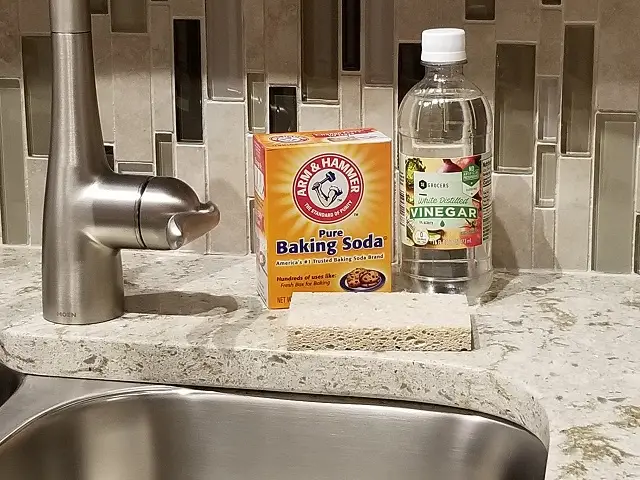
Baking Soda Paste
Baking soda is a gentle abrasive that can help scrub off rust stains. It's safe for stainless steel surfaces.
- Mix baking soda with water to make a paste.
- Apply the paste to the rust stain.
- Let it sit for 15 minutes.
- Scrub gently with a soft cloth.
- Rinse the sink with warm water.
Vinegar Application
White vinegar is acidic and helps dissolve rust. It's a natural cleaner and deodorizer.
Soak a cloth in vinegar and place it over the rust stain. Leave it for 30 minutes. Then, wipe the area clean and rinse with water.
Lemon Juice Method
Lemon juice contains citric acid, which is effective in removing rust stains. It's also a natural brightener.
Commercial Rust Removers
Rust stains on stainless steel sinks can be tough to clean. Commercial rust removers offer effective solutions. They are specially designed to remove rust without harming the metal surface.
Choosing the right product and using it properly helps restore your sink’s shine. Always follow safety instructions on the label.
Choosing The Right Product
Select a rust remover made for stainless steel. Avoid harsh chemicals that can damage the sink. Look for products with clear instructions and good reviews.
- Check if the remover is safe for stainless steel
- Choose a product that targets rust stains specifically
- Read labels to avoid toxic ingredients
- Buy from trusted brands or stores
Application Guidelines
Use the rust remover carefully to protect your sink and skin. Follow these steps for best results.
- Clean the sink surface with water and mild soap.
- Apply the rust remover using a soft cloth or sponge.
- Let it sit for the time recommended on the label.
- Gently scrub the rust stain with a non-abrasive pad.
- Rinse the sink thoroughly with water.
- Dry the sink with a soft towel to avoid new water spots.
| Safety Tip | Reason |
| Wear gloves | Protect skin from chemicals |
| Ventilate the area | Prevent inhaling fumes |
| Test on small area first | Avoid damage to sink surface |
Using Abrasive Tools Carefully
Removing rust from a stainless steel sink requires the right tools. Abrasive tools can help, but they must be used with care. Using them incorrectly can damage the sink.
Let's explore how to use soft scrub brushes and avoid scratches while cleaning rust stains.
Soft Scrub Brushes
Soft scrub brushes are effective for cleaning rust. They are gentle on the sink's surface. Use circular motions to scrub the rust stain away.
Make sure the brush is clean before use. This prevents further scratches. Hold the brush with a firm grip for better control.
- Choose a brush with soft bristles
- Scrub gently to avoid damage
- Rinse the brush often while cleaning
Avoiding Scratches
Scratches can ruin the look of your sink. Avoid using steel wool or hard brushes. These can scratch the stainless steel surface. To maintain your sink's shine, consider using soft sponges or cloths for cleaning. If you do happen to get scratches, there are special polishing compounds available that can effectively remove scratches from stainless steel. Regular maintenance and gentle cleaning practices can help keep your sink looking pristine.
Test any new tool on a small area first. This ensures it won't harm the sink. Always clean in the direction of the grain.
- Test tools on an inconspicuous spot
- Use light pressure while scrubbing
- Always follow the grain of the steel
Preventing Future Rust Stains
Rust stains on stainless steel sinks can be frustrating. Taking steps to prevent them helps keep your sink looking new.
Using simple habits and protective products can reduce rust buildup over time. This guide covers regular cleaning and coatings.
Regular Cleaning Habits
Clean your sink daily to stop rust from forming. Dirt and water left on the surface can cause rust spots.
- Wipe the sink dry after each use
- Use mild soap and water for cleaning
- Avoid abrasive scrubbers that scratch the surface
- Remove mineral deposits with vinegar regularly
- Check and fix leaks around the sink area
Protective Coatings
Apply protective coatings to shield the sink from rust. These coatings create a barrier against moisture and air.
| Coating Type | Use | Benefits |
| Wax-based polish | Rub on with soft cloth | Shines surface, repels water |
| Silicone sealant | Apply thin layer, let dry | Protects against moisture |
| Rust-resistant spray | Spray evenly, wipe excess | Prevents rust formation |
When To Seek Professional Help
Rust stains on stainless steel sinks can be tricky to remove. Most small stains can be cleaned at home. Some situations need expert help to avoid damage. To effectively remove rust stains from stainless steel, a mixture of baking soda and water can be applied, followed by gentle scrubbing with a soft cloth. For more stubborn stains, commercial cleaners specifically designed for stainless steel may be necessary. Always test a small, inconspicuous area first to ensure that your chosen method doesn't damage the finish.
Knowing when to call a professional can save your sink. Professionals have tools and skills for tough rust problems.
Signs Of Severe Damage
Severe rust damage shows clear signs. The sink surface may feel rough or have deep pits. Rust can cause permanent marks or holes.
If rust spreads under the surface, it can weaken the sink's structure. You might notice water leaks or discoloration that cleaning does not fix.
- Rust spots that do not fade after cleaning
- Surface feels uneven or rough to touch
- Visible holes or deep pits in the sink
- Water leaks or stains that worsen over time
Expert Cleaning Services
Experts use special tools and cleaners that are safe for stainless steel. They remove rust without harming the sink’s finish. In addition to professional methods, homeowners can also incorporate effective cleaning hacks for stainless steel sinks to maintain their shine. Simple ingredients like baking soda, vinegar, and olive oil can work wonders to remove stains and restore luster. By using these home remedies, one can ensure their sink remains both functional and aesthetically pleasing.
Professional cleaning can also protect your sink from future rust. They may apply coatings or treatments to keep it safe longer.
- Use industrial-grade rust removers
- Polish and restore the sink surface
- Apply protective coatings to prevent rust
- Inspect for hidden rust or damage

Credit: www.dkhardware.com

Credit: www.youtube.com
Frequently Asked Questions
How Can I Remove Rust Stains From Stainless Steel Sinks?
Use a paste of baking soda and water. Apply it to the rust stain. Gently scrub with a soft cloth. Rinse thoroughly with water. Repeat if necessary for stubborn stains. This method is safe and effective for stainless steel sinks.
What Household Items Remove Rust Stains On Sinks?
Common items like vinegar, lemon juice, and baking soda work well. Apply vinegar or lemon juice on the stain. Let it sit for a few minutes. Scrub gently with baking soda paste. Rinse with water. These natural cleaners remove rust without damaging the sink.
Can Rust Stains Damage Stainless Steel Sinks Permanently?
Rust stains usually don’t cause permanent damage if treated quickly. Prompt cleaning prevents rust from corroding the surface. Use gentle scrubbing and mild cleaners to avoid scratches. Regular maintenance keeps your sink looking new and rust-free.
Is It Safe To Use Commercial Rust Removers On Stainless Steel?
Most commercial rust removers are safe if used as directed. Check the label for stainless steel compatibility. Avoid abrasive or acidic products that can damage the surface. Test on a small area first. Always rinse the sink thoroughly after use.
Conclusion
Rust stains on stainless steel sinks can be removed with simple steps. Use gentle cleaners and soft cloths to avoid damage. Regular cleaning helps keep your sink shiny and rust-free. Act quickly when stains appear to prevent worsening. Small efforts make a big difference in sink care. In addition to regular maintenance, it's important to know how to clean stainless steel sink effectively to prolong its life. For tougher stains, consider using a paste of baking soda and water, which is both gentle and effective. By being proactive and attentive, you can enjoy a sparkling sink that enhances your kitchen's overall appearance.
Keep your kitchen looking fresh and clean every day. Rust stains do not have to stay forever. Try these tips and see your sink shine again. Easy, safe, and effective—rust removal is within reach.