
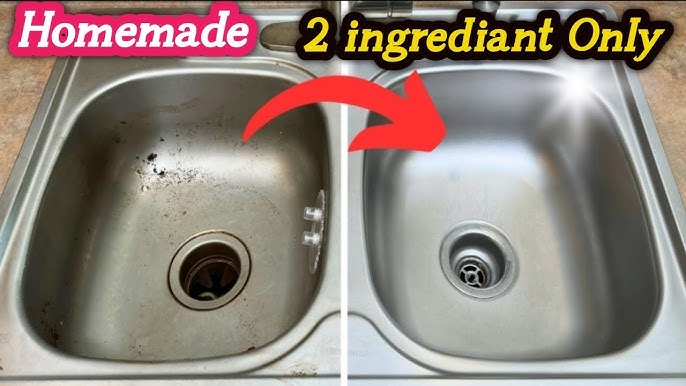
Your stainless steel sink is one of the busiest spots in your kitchen, but it doesn’t have to look dull or dirty. If you’ve ever struggled with water spots, stains, or grime that just won’t come off, you’re not alone.
The good news is, cleaning your sink doesn’t have to be complicated or time-consuming. You’ll discover simple, effective ways to keep your stainless steel sink shining like new. Ready to learn what to use and how to get the best results?
Let’s dive in and make your sink sparkle!
Best Cleaners For Stainless Steel
Keeping your stainless steel sink clean is important for hygiene and shine. Many cleaners work well, but some are better for the finish.
This guide shows different types of cleaners you can use. Choose what fits your needs and preferences.
Commercial Stainless Steel Cleaners
Commercial cleaners are made specifically for stainless steel surfaces. They remove stains, water spots, and fingerprints quickly.
- Use cleaners with a non-abrasive formula to avoid scratching.
- Choose products that leave a protective layer to prevent future stains.
- Look for cleaners with a polish to restore shine.
- Always follow the instructions on the label for best results.
Natural Ingredients That Work
Natural ingredients can clean stainless steel sinks without harsh chemicals. They are safe and eco-friendly.
| Ingredient | Use | Benefits |
| White Vinegar | Spray and wipe | Removes hard water spots |
| Baking Soda | Make a paste with water | Gently scrubs stains |
| Lemon Juice | Apply and rinse | Brightens and deodorizes |
| Olive Oil | Polish with cloth | Adds shine and protection |
Diy Cleaning Solutions
You can mix your own cleaning solutions at home. These are easy to make and work well on stainless steel sinks.
- Mix equal parts of white vinegar and water in a spray bottle.
- Sprinkle baking soda on the sink surface.
- Spray the vinegar solution over the baking soda.
- Let it fizz for a few minutes, then scrub gently.
- Rinse the sink with warm water and dry with a soft cloth.
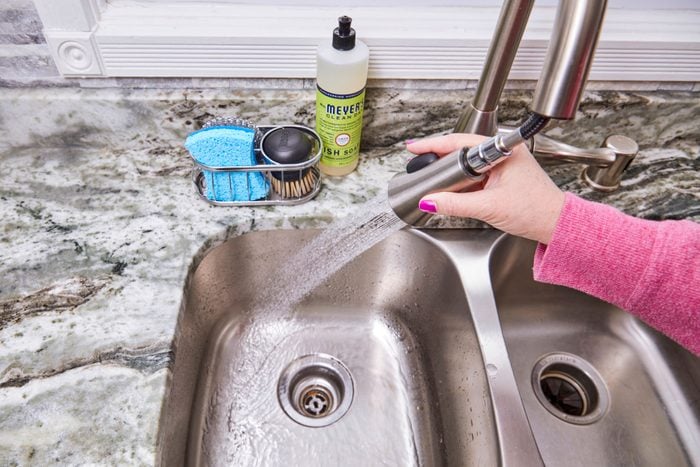
Credit: www.rd.com
Tools That Make Cleaning Easy
Cleaning a stainless steel sink is simple with the right tools. Using proper materials protects the sink’s surface and keeps it shiny.
This guide shows easy-to-use tools to clean your sink without damage. Choose tools that work well for regular cleaning.
Soft Cloths And Sponges
Soft cloths and sponges help clean without scratching stainless steel. Use microfiber cloths or gentle sponges for best results.
These tools absorb water and soap well. They remove dirt and grime without harsh rubbing.
- Microfiber cloths are soft and reusable
- Synthetic sponges with soft sides work well
- Use damp cloths for wiping and drying
Scrub Brushes And Pads
Scrub brushes and pads clean tough stains on stainless steel sinks. Use brushes with soft to medium bristles to avoid damage.
Non-scratch scrub pads work well on stubborn spots. Avoid heavy scrubbing to keep the sink smooth.
- Soft-bristle brushes reach corners easily
- Non-abrasive scrub pads remove stuck debris
- Use gentle pressure for cleaning
Avoiding Abrasive Materials
Avoid using steel wool or rough scrubbing pads on stainless steel sinks. They can cause scratches and dull the finish.
Stay away from cleaners with harsh chemicals or grit. These materials damage the surface and reduce shine.
- No steel wool or metal scrubbers
- Avoid harsh scouring powders
- Choose mild, non-abrasive cleaners
Step-by-step Cleaning Process
Cleaning a stainless steel sink keeps it shiny and hygienic. Use simple tools and safe cleaners for best results.
Follow easy steps to remove dirt, stains, and polish the sink. This guide helps you keep your sink looking new.
Removing Surface Dirt
Start by rinsing the sink with warm water to wash away loose dirt. Use a soft sponge to avoid scratches.
Apply mild dish soap on the sponge and scrub the whole sink gently. Rinse the sink with clean water afterward.
- Rinse with warm water
- Use mild dish soap and a soft sponge
- Scrub gently to avoid scratches
- Rinse thoroughly after cleaning
Tackling Stubborn Stains
For tough stains, sprinkle baking soda on the sink surface. Baking soda acts as a gentle scrub to lift stains.
Use a damp cloth or sponge to rub the baking soda in small circles. Rinse the sink well with warm water to remove residue.
- Sprinkle baking soda on stains
- Rub gently with a damp cloth or sponge
- Use circular motions for better cleaning
- Rinse thoroughly with warm water
Polishing For Shine
To polish your sink, apply a small amount of olive oil or baby oil on a soft cloth. Rub the sink gently in one direction.
Buff the sink with a clean cloth to remove extra oil. This step adds a natural shine and protects the surface from water spots.
- Apply a small amount of olive or baby oil
- Use a soft cloth and rub in one direction
- Buff with a clean cloth to remove excess oil
- Enjoy a shiny, protected sink surface
Preventing Damage And Scratches
Stainless steel sinks look great but can get scratched easily. Using the right cleaning tools keeps them shiny and safe.
Gentle cleaning and smart habits help prevent damage over time. Learn how to care for your sink the right way.
Proper Cleaning Techniques
Use soft cloths or sponges to clean your sink. Avoid steel wool or hard brushes that scratch the surface.
- Apply mild dish soap with warm water for regular cleaning.
- Rinse well to remove soap residue and prevent spots.
- Dry the sink with a soft towel to avoid water marks.
- Use baking soda paste for tough stains but scrub gently.
- Do not use bleach or harsh chemicals that damage the finish.
Regular Maintenance Tips
| Maintenance Task | How to Do It | Benefit |
| Daily rinse | Flush sink with water after use | Prevents build-up and stains |
| Weekly deep clean | Use baking soda and soft sponge | Removes stuck-on grime safely |
| Polishing | Buff with olive oil or stainless steel cleaner | Keeps shine and protects surface |
| Use sink mats | Place soft mats at bottom | Stops scratches from dishes and utensils |
Dealing With Hard Water Spots
Hard water spots can make your stainless steel sink look dull. These spots form from minerals in water. Cleaning them regularly keeps your sink shiny and clean.
Using the right cleaning tools and products helps remove these spots safely. Avoid harsh chemicals that can damage the steel surface.
Effective Remedies
White vinegar works well to remove hard water spots. It breaks down mineral deposits without harming the steel.
Baking soda also helps clean tough spots. It acts as a gentle scrub that does not scratch the sink.
- Soak a cloth in white vinegar and place it on spots for 10 minutes.
- Sprinkle baking soda on the damp sink surface.
- Use a soft sponge to scrub gently.
- Rinse with warm water and dry with a soft towel.
Preventive Measures
Dry your sink after each use to stop water spots from forming. Standing water leaves mineral deposits behind.
Use a water softener if your water is very hard. This reduces minerals that cause spots.
- Wipe the sink dry with a soft cloth every day.
- Install a water softener to lower mineral content.
- Clean the sink weekly with mild vinegar solution.
- Avoid harsh cleaners or steel wool pads.
Removing Rust And Stains
Cleaning a stainless steel sink can be simple. Rust and stains often make it look old.
Using the right methods will keep your sink shiny and clean.
Safe Rust Removal Methods
It's important to remove rust safely without damaging the sink. You can use household items.
- Mix baking soda with water to form a paste.
- Apply the paste to rusty areas.
- Let it sit for 15 minutes.
- Scrub gently with a soft brush.
- Rinse well with water.
Avoiding Harsh Chemicals
Harsh chemicals can scratch and dull the stainless steel. Opt for natural solutions.
Here's a simple natural cleaner recipe:
- 1 part white vinegar
- 1 part water
Mix them in a spray bottle. Spray on the sink and wipe with a soft cloth.
Keeping Your Sink Smelling Fresh
A stainless steel sink is a kitchen staple. Keeping it clean ensures it smells fresh and looks great.
Using the right methods will help maintain your sink's shine and odor-free state.
Natural Deodorizers
Natural deodorizers are effective for keeping your sink fresh. They are easy to find and use.
- Use baking soda to scrub the sink surface.
- Lemon slices can be rubbed on the sink for a fresh scent.
- White vinegar helps to neutralize odors naturally.
Cleaning The Drain Area
The drain area can often be the source of bad odors. Regular cleaning is important.
| Cleaning Product | Effectiveness |
| Baking Soda | High |
| Lemon Juice | Medium |
| Vinegar | High |

Credit: www.express.co.uk

Credit: www.dkhardware.com
Frequently Asked Questions
What Is The Best Cleaner For Stainless Steel Sinks?
The best cleaner is a mild dish soap mixed with warm water. It effectively removes grime without damaging the surface. Avoid harsh chemicals to maintain the sink’s shine and durability.
Can Baking Soda Clean Stainless Steel Sinks Safely?
Yes, baking soda is a gentle abrasive ideal for cleaning. It removes stains and grime without scratching. Sprinkle it on the sink, scrub gently, then rinse with water for a sparkling finish.
How Often Should I Clean My Stainless Steel Sink?
Clean your sink daily or after heavy use. Regular cleaning prevents stains and water spots. Weekly deep cleaning with baking soda or vinegar keeps it hygienic and shiny.
Is Vinegar Safe To Use On Stainless Steel Sinks?
Yes, vinegar is safe and effective for removing mineral deposits. Use diluted white vinegar and avoid prolonged exposure. Rinse thoroughly afterward to prevent any acidity damage.
Conclusion
Cleaning a stainless steel sink is simple with the right tools. Use mild cleaners to protect the surface. Soft cloths or sponges work best to avoid scratches. Avoid harsh chemicals that can damage the finish. Regular cleaning keeps your sink shiny and fresh.
Try natural ingredients like baking soda or vinegar for a safe clean. With these tips, your sink will look great every day. Keep it clean, and enjoy a sparkling kitchen.