
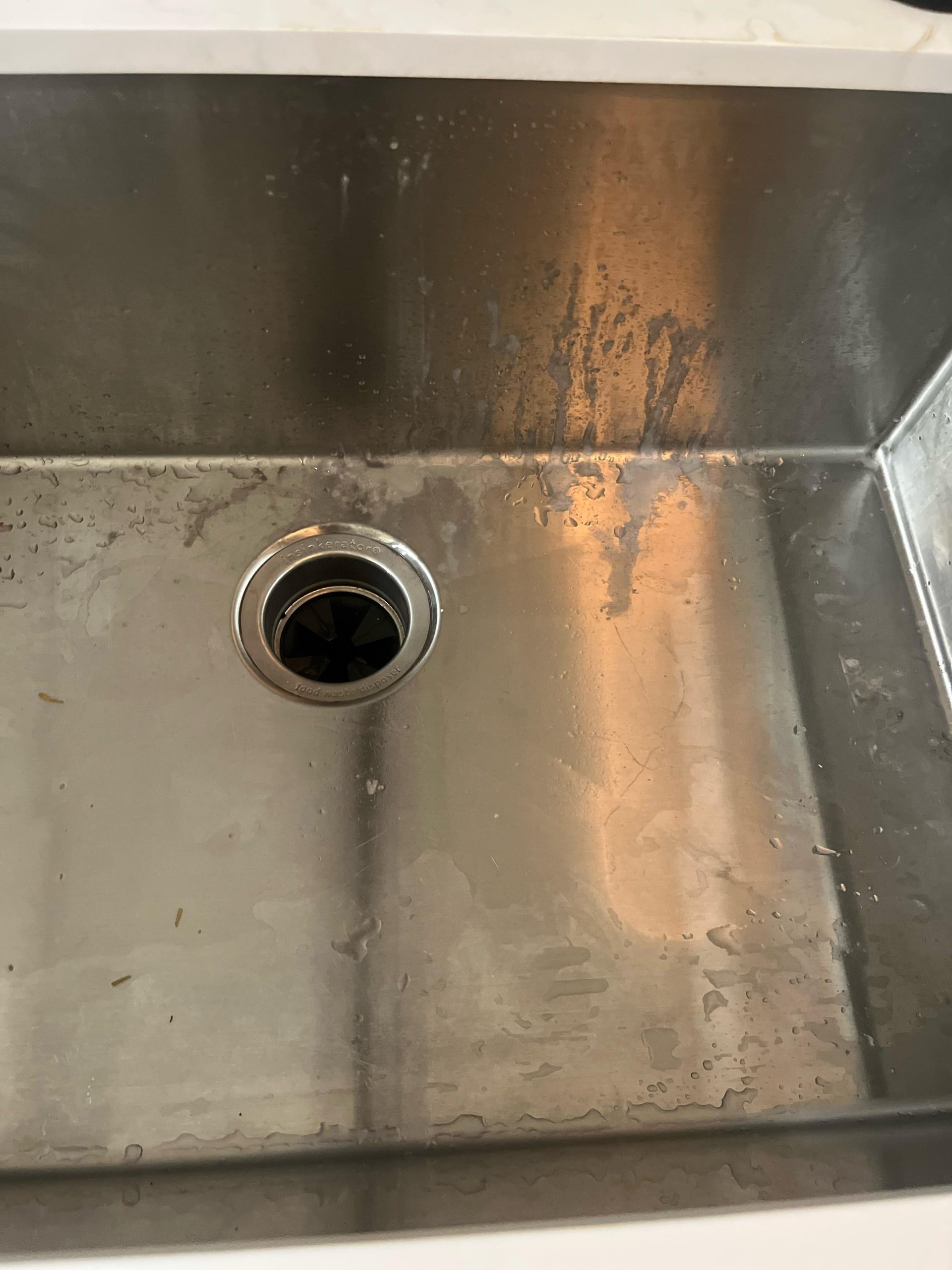
Have scratches on your stainless steel sink that make it look worn out? You’re not alone, and the good news is, fixing those scratches is easier than you might think.
Imagine your sink looking shiny and smooth again, just like new. You’ll discover simple and effective ways to get rid of those annoying marks quickly. Keep reading, and you’ll learn how to restore your sink’s beauty without spending a fortune or hiring a pro.
Your kitchen deserves to shine, and so does your sink.
Common Causes Of Scratches
Stainless steel sinks look great but can get scratched easily. Scratches make the sink look old and worn out. Knowing the causes helps you avoid them.
Some scratches happen over time. Others come from cleaning habits or tools used. Let’s explore the main reasons for scratches on your sink.
Everyday Wear And Tear
Daily use can cause small scratches on the sink surface. Items like pots, pans, and dishes can rub against the sink. These scratches build up slowly.
Even water spots and soap can leave marks after a while. Using the sink roughly or dropping heavy objects also causes damage.
- Placing heavy pots directly in the sink
- Dragging metal utensils across the surface
- Allowing dirt and grit to sit on the sink
- Frequent exposure to hard water spots
Using Abrasive Cleaners
Abrasive cleaners contain harsh chemicals or particles. These can wear down the sink’s protective layer. The surface becomes dull and scratched after use.
Scrubbing with these cleaners scrapes the steel. This damage can be hard to fix. Always choose gentle cleaners made for stainless steel.
- Powdered scouring agents with rough grains
- Bleach or strong chemical solutions
- Cleaners not labeled safe for stainless steel
Improper Cleaning Tools
Using the wrong tools can scratch your sink. Metal brushes or steel wool are too harsh. They leave deep marks on the surface.
Soft cloths or sponges made for delicate surfaces work best. Avoid rough scrubbers and sharp objects when cleaning.
- Using steel wool pads
- Cleaning with metal scrub brushes
- Scraping with knives or sharp tools
- Not rinsing grit off cleaning cloths

Credit: www.amazon.ca
Materials Needed For Scratch Removal
Scratches on a stainless steel sink can make it look old. Removing these scratches needs the right materials. Using the correct items helps protect the sink’s surface.
Gathering all materials before starting makes the process easier. This guide lists the main things you will need.
Cleaning Agents
Cleaning agents help remove dirt and grease before polishing. A clean surface allows better scratch removal.
Use mild cleaners that do not harm the stainless steel. Avoid harsh chemicals that can cause damage.
- Mild dish soap mixed with warm water
- Baking soda paste for gentle scrubbing
- White vinegar for light stains and spots
- Non-abrasive stainless steel cleaner
Polishing Tools
Polishing tools smooth out the scratches on the sink’s surface. Choose soft and gentle tools to avoid new damage.
Using the right tools helps bring back the sink’s shine and texture.
- Soft microfiber cloths for wiping and buffing
- Non-abrasive scrubbing pads or sponges
- Fine-grit sandpaper (optional, for deep scratches)
- Stainless steel polish or cream
Protective Gear
Protective gear keeps you safe while cleaning and polishing. It also prevents chemicals from touching your skin.
Wearing gear ensures a safe and comfortable scratch removal process.
- Rubber gloves to protect hands from cleaners
- Safety glasses to shield eyes from splashes
- Old clothes or apron to avoid stains
Preparing The Sink For Repair
Before fixing scratches on a stainless steel sink, you must prepare the surface. Proper preparation helps the repair work last longer.
Cleaning and drying the sink well removes dirt and water, making the repair easier and more effective.
Cleaning The Surface
Start by removing all debris and grease from the sink. Use a mild dish soap and warm water to clean the surface gently.
A soft cloth or sponge works best. Avoid abrasive cleaners that can cause more scratches.
- Use warm water and mild dish soap
- Clean with a soft cloth or sponge
- Rinse the sink thoroughly to remove soap
- Avoid harsh or abrasive cleaning tools
Drying Thoroughly
After cleaning, dry the sink completely. Water spots can hide scratches or affect repair materials.
Use a soft, clean towel to dry every part of the sink. Make sure no moisture remains before starting the repair.

Credit: www.dkhardware.com
Methods To Remove Light Scratches
Light scratches on stainless steel sinks can make them look old and dull. You can remove these scratches with simple tools found at home.
Using gentle methods helps keep the sink's finish smooth and shiny without damage. Try these easy ways to clean your sink.
Using Baking Soda Paste
Baking soda is a mild abrasive that can polish light scratches. Make a paste by mixing baking soda with water until it is thick.
Apply the paste on the scratched area. Rub gently in small circles with a soft cloth. Wipe clean with water and dry the sink.
- Mix 3 parts baking soda with 1 part water
- Use a soft cloth to apply and rub
- Rinse and dry after polishing
Applying Toothpaste
White, non-gel toothpaste works well to remove light scratches. It acts like a gentle polish on stainless steel.
Put a small amount of toothpaste on a soft cloth. Rub the scratch in circular motions. Rinse and dry the sink to see the result.
- Choose plain white toothpaste, no gels or whitening
- Use a soft cloth for rubbing
- Clean the area with water after treatment
Polishing With Non-abrasive Pads
Non-abrasive pads help polish the sink without causing more scratches. Use pads designed for delicate surfaces.
Gently rub the scratched spot following the grain of the stainless steel. Clean the area with water and dry it to finish.
- Pick non-abrasive pads made for stainless steel
- Rub softly along the metal grain
- Rinse and dry to protect the finish
Techniques For Deeper Scratches
Removing deeper scratches from a stainless steel sink can be challenging. With the right techniques, your sink can look new again. One method to restore the sink’s appearance is to use a fine-grade steel wool or a specialized stainless steel cleaner. Additionally, if you encounter rust stains, knowing how to remove rust stains effectively can further enhance your sink's look. Regular maintenance and preventative measures can keep your sink shining and looking brand new for years to come. One effective method involves using a stainless steel cleaner along with a soft cloth to polish the surface. Additionally, you can utilize fine abrasive pads designed specifically for stainless steel, which can help to remove scratches from stainless steel without causing further damage. Consistent maintenance and proper cleaning can also prevent future scratches and keep your sink in pristine condition.
This guide covers effective methods to tackle those stubborn scratches using common household items.
Using Fine Grit Sandpaper
Fine grit sandpaper is ideal for smoothing out deeper scratches. Always sand in the direction of the grain.
- Choose sandpaper with a grit of 400 to 600.
- Wet the sandpaper to reduce friction.
- Gently sand the scratch until it fades.
Applying Stainless Steel Polish
Stainless steel polish can restore shine and reduce scratch visibility. It works well on surfaces after sanding.
Apply a small amount of polish on a soft cloth. Rub it into the scratch in a circular motion.
Buffing For A Smooth Finish
Buffing the sink helps achieve a smooth, polished finish. It is the final step after sanding and polishing.
Tips To Prevent Future Scratches
Stainless steel sinks are durable but can get scratched over time. Keeping them scratch-free is easy with some simple steps.
Here are tips to keep your sink looking new and shiny. Follow these steps to prevent scratches.
Choosing The Right Cleaning Tools
Selecting the correct tools is important for your sink’s care. Avoid using abrasive scrubbers that can cause scratches.
- Use soft sponges or microfiber cloths for cleaning
- Choose non-abrasive cleaners to protect the surface
- Avoid steel wool or harsh brushes
Regular Maintenance Routine
A regular cleaning routine keeps your sink in top shape. This helps avoid buildup that might scratch the surface.
Clean the sink daily to remove any particles that can harm it. Rinse well after each use to prevent stains.
- Wipe down the sink after each use
- Dry with a towel to prevent water spots
- Polish with a gentle cleaner weekly
Avoiding Harsh Chemicals
Harsh chemicals can damage the sink’s finish. They might cause discoloration or scratches over time.
Choose mild cleaners that are safe for stainless steel. This keeps your sink looking its best.
- Use vinegar or baking soda for natural cleaning
- Avoid bleach or strong acids
- Test new cleaners on a small area first
When To Seek Professional Help
Scratches on a stainless steel sink can be annoying. Some scratches you can fix yourself. Others need expert care to avoid damage.
Knowing when to call a professional helps keep your sink looking good. It also saves you time and effort.
Assessing Scratch Severity
Light scratches usually appear as small marks or dull spots. You can often polish these out at home. Deep scratches cut into the steel and look rough or jagged.
Check if the scratch catches your fingernail. If it does, it may be too deep for simple cleaning. Also, look for rust or discoloration around the scratch.
- Light scratches: minor, shallow, and easy to polish
- Medium scratches: visible but not jagged, may need special tools
- Deep scratches: rough edges, catch fingernail, possible rust
Benefits Of Professional Repair
Professionals have the right tools and skills to fix tough scratches. They can restore the sink’s smooth surface without causing more damage.
Getting expert help can save money in the long run. It prevents the need to replace the sink or pay for major repairs later.
- Use special polish and buffing machines
- Fix scratches without harming the sink’s finish
- Remove rust and prevent further damage
- Save time and avoid guesswork

Credit: www.dkhardware.com
Frequently Asked Questions
How Can I Remove Light Scratches From Stainless Steel Sinks?
Use a non-abrasive cleaner and a soft cloth to rub gently. Apply a stainless steel polish for better results. Always rub in the sink’s grain direction to avoid further scratches. If you encounter stubborn stains, particularly rust, consider using a rust remover specifically designed for stainless steel. To effectively remove rust stain from sink, apply the remover according to the manufacturer's instructions and follow up with a thorough rinse. Regular maintenance and prompt cleaning will help keep your sink looking pristine. If you encounter tougher stains, consider using a paste made of baking soda and water, applying it gently with a soft cloth. This method can effectively help to remove stains from stainless steel without causing damage. After cleaning, ensure to rinse the surface thoroughly to maintain its shine and prevent residue buildup.
What Household Items Can Fix Scratches On Stainless Steel?
Baking soda paste or toothpaste can help remove minor scratches. Apply with a soft cloth and rub gently along the grain. Rinse thoroughly and dry with a clean cloth afterward.
Is It Safe To Use Steel Wool On Stainless Steel Sinks?
Fine-grade steel wool (0000) can be used carefully for deep scratches. Always rub in the direction of the grain to prevent damage. Avoid coarse steel wool, as it can cause more scratches.
How Often Should I Polish My Stainless Steel Sink?
Polish your sink once a month to maintain shine and reduce scratches. Regular cleaning and polishing protect the surface and extend its lifespan. Use a quality stainless steel polish for the best effect.
Conclusion
Scratches on stainless steel sinks can be fixed with simple steps. Use gentle cleaning tools and mild polish to avoid damage. Regular care keeps your sink looking new longer. Small scratches often disappear after a few treatments. Patience and proper methods bring the best results.
Keep your sink shiny and smooth with easy home remedies. Now, your sink can look fresh and clean again. Try these tips and enjoy a scratch-free surface.