
Rust stains on your stainless steel sink can be frustrating and hard to ignore. You want your sink to look clean and shiny, but those stubborn marks just won’t go away.
What if you could remove them quickly, without harsh chemicals or expensive products? You’ll discover simple, effective ways to get rid of rust stains and restore your sink’s original sparkle. Keep reading—you’ll be amazed at how easy it is to make your sink look like new again.

Credit: www.dkhardware.com
Causes Of Rust Stains
Rust stains can appear on stainless steel sinks even though the metal resists rust. These stains happen when iron or steel particles touch the sink surface. Understanding what causes rust stains helps you prevent and remove them.
Rust stains look like orange or brown marks. They often come from outside sources, not the sink itself. Knowing how rust forms on stainless steel can keep your sink clean and shiny.
Common Rust Sources
Rust stains usually come from iron or steel that touches your sink. These metals can leave particles behind that start to rust on the sink surface.
- Old or rusty cans left in the sink
- Steel wool pads or metal scrubbers
- Iron particles in water supply
- Metal tools or pots placed in the sink
- Rusty pipes or plumbing parts
Cleaning the sink after using metal items helps reduce rust stains. Avoid leaving rusty objects in the sink for long.
How Rust Forms On Stainless Steel
Stainless steel has chromium that stops rust. But if iron particles land on it, they can start to rust and cause stains.
Water and oxygen help rust form. When iron touches the sink and stays wet, rust appears. Over time, rust can spread and stain the steel surface.
- Iron particles settle on the stainless steel
- Water and oxygen react with the iron
- Rust forms and sticks to the sink surface
- Rust stains become visible over time
Credit: www.bobvila.com
Preventing Rust Stains
Rust stains can damage the look of your stainless steel sink. Preventing these stains keeps the sink clean and shiny. Simple care habits can stop rust before it starts.
Using the right cleaning methods and maintenance will protect your sink. Avoiding rust saves time and effort on repairs.
Regular Cleaning Habits
Clean your sink daily to stop rust buildup. Wipe away water and food particles after each use. Dry the sink with a soft cloth to prevent water spots.
- Use mild dish soap and warm water
- Rinse the sink thoroughly after cleaning
- Dry the sink to avoid moisture staying on the surface
Avoiding Harsh Chemicals
Harsh chemicals can damage stainless steel and cause rust stains. Stay away from bleach, ammonia, and strong acids. These chemicals wear down the sink’s protective layer.
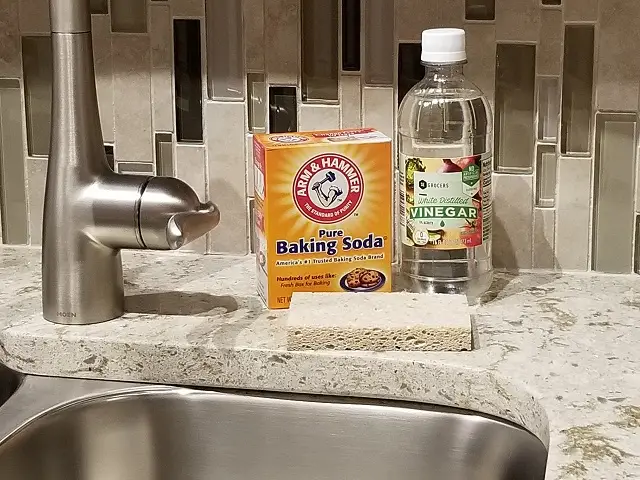
Use gentle cleaners made for stainless steel. Natural options like baking soda and vinegar work well for cleaning without harm.
- Do not use steel wool or abrasive pads
- Choose non-abrasive sponges or soft cloths
- Test new cleaners on a small area first
Proper Sink Maintenance
Check your sink regularly for scratches or chips. These spots can collect rust if not cared for. Fix small damages quickly to keep the surface smooth.
Use a stainless steel polish to protect the sink surface. Polishing helps keep the sink shiny and resistant to stains.
- Avoid leaving metal cans or tools in the sink
- Install a water softener if your water is hard
- Clean faucet aerators to reduce rust-causing particles
Home Remedies For Rust Removal
Rust stains on stainless steel sinks can look bad and hard to clean. You can remove rust using simple things found at home.
These home remedies use natural ingredients that work well without harsh chemicals. They help restore your sink’s shine safely.
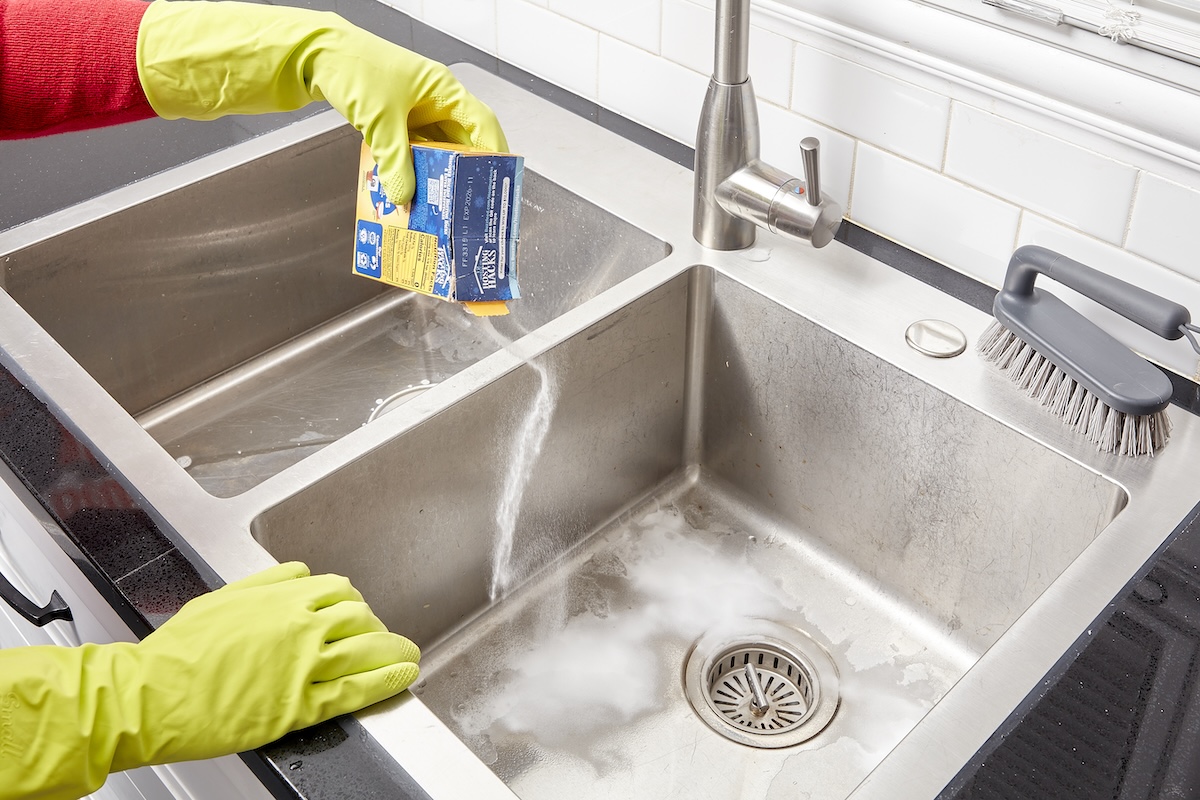
Using Baking Soda Paste
Baking soda is a gentle cleaner that removes rust without scratching the sink. Make a thick paste by mixing baking soda with water.
Apply the paste on rust stains and let it sit for 15 minutes. Then, scrub with a soft cloth or sponge and rinse with water.
- Mix 3 parts baking soda with 1 part water
- Spread paste on rust spots
- Wait 15 minutes before scrubbing
- Rinse well with clean water
Lemon And Salt Method
Lemon juice is acidic and helps dissolve rust. Salt acts as a mild abrasive to scrub away rust stains.
Sprinkle salt on rust spots and squeeze fresh lemon juice over it. Let the mix sit for 2 hours, then scrub and rinse.
- Cover rust with table salt
- Squeeze lemon juice on salt
- Leave for 2 hours to soak
- Scrub gently and rinse off
Vinegar Application
White vinegar contains acetic acid, which breaks down rust stains effectively. Soak a cloth in vinegar and place it on the rust.
Keep the cloth on the stain for 30 minutes. Remove it, scrub the area, and rinse the sink with water.
- Soak a clean cloth in white vinegar
- Cover rust stains with the cloth
- Wait 30 minutes for vinegar to work
- Scrub the area and rinse well

Credit: www.youtube.com
Commercial Rust Removers
Rust stains on stainless steel sinks look bad and can be hard to clean. Commercial rust removers help remove these stains quickly.
These products use special chemicals to break down rust without damaging the sink surface.
Choosing The Right Product
Pick a rust remover made for stainless steel. Some products are too strong and can harm the sink.
Check the label to see if it says safe for stainless steel. Also, look for easy-to-use formats like sprays or gels.
- Choose removers labeled for stainless steel
- Avoid harsh acids that can damage the sink
- Pick a product with clear instructions
- Consider sprays or gels for easier use
Safe Application Tips
Wear gloves to protect your skin from chemicals. Work in a well-ventilated area to avoid fumes.
Apply rust remover carefully and follow the time instructions. Rinse the sink well after cleaning.
- Use gloves and eye protection
- Work in a ventilated space
- Follow product instructions exactly
- Rinse the sink thoroughly after use
- Test on a small area first
Cleaning Techniques
Rust stains on stainless steel sinks can be tough to remove. Using the right cleaning techniques helps protect the sink.
Clean rust stains gently to avoid scratching the surface. Choose safe tools and follow good steps.
Gentle Scrubbing Tools
Use soft cleaning tools to scrub rust stains. Avoid steel wool or hard brushes that can scratch the sink.
Soft sponges, microfiber cloths, or nylon scrubbers work well. These tools clean without damaging the steel.
- Soft sponge with mild soap
- Microfiber cloth for wiping
- Nylon scrubber for tough spots
Rinsing And Drying Tips
Rinse the sink well after scrubbing to remove all cleaning residue. Leftover cleaner can cause marks or stains.
Dry the sink fully with a soft cloth. This stops water spots and prevents new rust stains from forming.
- Use clean water for rinsing
- Wipe the sink dry after rinsing
- Use a soft, dry cloth to avoid scratches
Maintaining A Rust-free Sink
Stainless steel sinks are durable but can suffer from rust stains. Regular maintenance keeps them looking new and shiny.
Follow these simple steps to prevent rust and maintain the beauty of your sink.
Routine Inspections
Inspect your sink routinely to catch rust early. This helps in treating it before it becomes a bigger problem.
- Check the sink for any discoloration or stains.
- Look for scratches that may lead to rust.
- Ensure the sink is always dry after use.
Protective Coatings
Applying a protective coating can be an effective way to prevent rust. This creates a barrier against moisture.
| Coating Type | Application Frequency |
| Mineral Oil | Monthly |
| Stainless Steel Polish | Bi-Monthly |
Frequently Asked Questions
How Do I Remove Rust Stains From Stainless Steel Sinks?
To remove rust stains, use a paste made of baking soda and water. Apply it to the stain, scrub gently with a soft cloth, then rinse thoroughly. For tougher stains, white vinegar or a specialized stainless steel cleaner works well.
Can Lemon Juice Help Clean Rust Off Stainless Steel?
Yes, lemon juice’s natural acidity can break down rust stains. Apply lemon juice to the rust, let it sit for a few minutes, then scrub gently and rinse. It’s a safe, eco-friendly option for light rust removal.
Is Baking Soda Effective For Rust Stain Removal?
Baking soda is mildly abrasive and effective for removing light rust stains. Make a paste with water, apply it to the stain, scrub softly, then rinse. It’s gentle on stainless steel and helps restore shine without damage.
What Household Items Safely Remove Rust From Sinks?
Common household items like baking soda, white vinegar, and lemon juice safely remove rust. These are mild acids or abrasives that break down rust without harming the stainless steel surface. Always rinse well after cleaning.
Conclusion
Removing rust stains from a stainless steel sink is simple with the right steps. Use gentle cleaners and soft cloths to avoid damage. Regular cleaning helps keep the sink shiny and rust-free. Act quickly when you spot rust to prevent it from spreading. Additionally, consider using some natural cleaning hacks for stainless steel sinks, such as a paste made from baking soda and water, which can effectively lift stubborn stains. Vinegar can also be used as a natural disinfectant and helps to eliminate any lingering odors. Regular maintenance and these effective cleaning hacks can ensure your sink remains in pristine condition for years to come. For tougher stains, a paste made from baking soda and water can effectively lift rust without damaging the surface. Additionally, if you want to remove scratches from stainless steel, consider using a fine abrasive pad or a specialized cleaner designed for stainless steel surfaces. Remember to follow the grain of the metal to achieve the best results and maintain the sink's polished appearance. For those wondering how to clean stainless steel sink effectively, a mixture of baking soda and vinegar can work wonders. Additionally, always rinse the sink thoroughly after cleaning to remove any residue, ensuring a spotless finish. Keeping a regular cleaning schedule will not only enhance the sink's appearance but also prolong its lifespan.
A clean sink looks better and lasts longer. Keep these tips in mind for easy maintenance. Your stainless steel sink will stay bright and clean every day.