
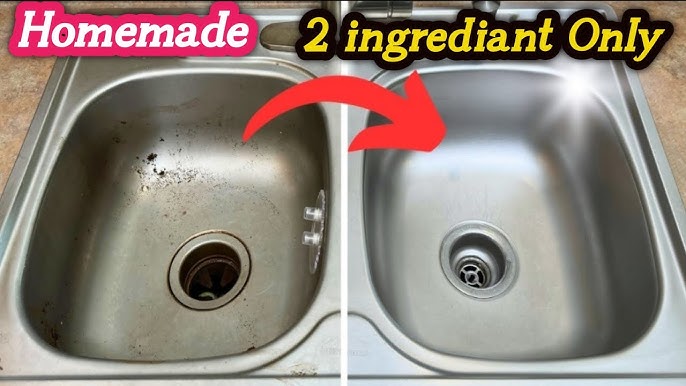
Your stainless steel sink is one of the hardest working spots in your kitchen. But those stubborn stains can make it look dull and worn out.
You might feel frustrated trying to get rid of marks that just won’t budge. What if you could bring back that shiny, spotless finish without harsh chemicals or expensive cleaners? You’ll discover simple, effective ways to remove stains from your stainless steel sink.
By the end, your sink will look fresh and clean, making your entire kitchen feel brighter. Keep reading—you’ll be amazed at how easy it is to restore your sink’s natural shine!

Credit: www.dkhardware.com
Common Stains On Stainless Steel Sinks
Stainless steel sinks are popular because they look nice and last long. But stains can make them look dull and dirty. Knowing common stains helps you clean them better.
Each stain type needs a different cleaning approach. This guide explains four common stains and how to identify them.
Water Spots And Mineral Deposits
Water spots happen when water dries and leaves minerals behind. These spots look like white or cloudy marks on the sink surface. Hard water causes more mineral deposits.
- Use a soft cloth to wipe the sink dry after use.
- Apply vinegar to dissolve mineral build-up.
- Rinse with water and dry to prevent new spots.
Rust Marks
Rust marks come from metal objects left in the sink too long. They appear as orange or brown streaks. Rust can stain the sink if not cleaned quickly.
Use a rust remover safe for stainless steel. Avoid steel wool as it can scratch the surface.
Food And Beverage Stains
Food and drinks like coffee, tea, and tomato sauce can stain your sink. These stains may look dark or sticky. Cleaning them fast stops them from setting in.
| Stain Type | Common Sources | Cleaning Tip |
| Dark Stains | Coffee, tea | Use baking soda paste |
| Red or Orange Stains | Tomato sauce, berries | Apply lemon juice and rinse |
| Sticky Residue | Sugar, syrup | Clean with warm soapy water |
Grease And Oil Residue
Grease and oil leave a shiny, slick film on the sink. This can trap dirt and make the sink slippery. Removing these needs a strong cleaner that breaks down oils.
- Use dish soap that cuts grease.
- Scrub gently with a soft sponge.
- Rinse well and dry with a towel.

Credit: www.reddit.com
Basic Cleaning Supplies Needed
Removing stains from a stainless steel sink requires the right supplies. Using gentle tools and cleaners protects the sink’s surface.
Here are some basic supplies that make cleaning easy and safe for your sink.
Gentle Cleaners And Natural Ingredients
Strong chemicals can damage stainless steel. Use mild cleaners or natural ingredients instead.
Common gentle cleaners include dish soap and baking soda. Natural ingredients like vinegar can also help remove stains.
- Dish soap for basic cleaning
- Baking soda to scrub gently
- White vinegar to dissolve stains
- Lemon juice for fresh scent and mild acid
Soft Cloths And Sponges
Use soft cloths or sponges to clean your sink. They prevent scratches and keep the surface smooth.
Microfiber cloths work best because they trap dirt without harsh rubbing. Soft sponges help remove stains gently.
- Microfiber cloths for wiping and drying
- Soft sponges for scrubbing
- Avoid rough or abrasive cloths
Non-abrasive Scrubbers
For tougher stains, use non-abrasive scrubbers. They clean well without scratching the sink.
Plastic scrub pads or nylon brushes work well. Avoid steel wool or metal brushes as they can damage the surface.
- Plastic scrub pads for stubborn spots
- Nylon brushes for corners and edges
- No steel wool or metal scrubbers
Protective Gloves
Wear protective gloves to keep your hands safe. Gloves protect skin from cleaners and help you grip tools better.
Use rubber or latex gloves for cleaning. They prevent irritation and keep your hands dry.
- Rubber gloves to protect skin
- Latex gloves for light cleaning
- Choose gloves that fit well
Daily Cleaning Tips
Keeping a stainless steel sink clean is simple with daily care. Small habits prevent stains and keep your sink shiny. Wiping down the sink after each use can help remove food particles and water spots before they have a chance to accumulate. For deeper cleans, consider using mild soap and a soft cloth or sponge, avoiding abrasive materials that could scratch the surface. For more effective maintenance, refer to various cleaning tips for stainless steel sinks that can enhance their appearance and longevity.
Use easy steps to protect your sink from damage and water spots. Regular cleaning keeps it looking new longer.
Rinsing And Wiping After Use
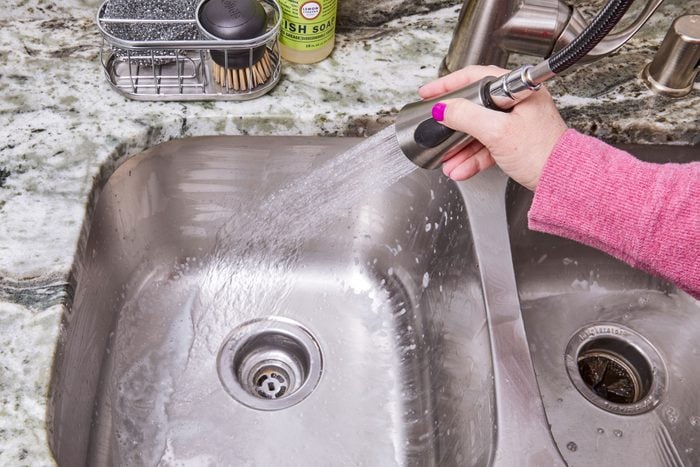
Rinse your sink with warm water after every use. This removes soap, food, and dirt that cause stains.
Wipe the sink dry with a soft cloth or sponge. This stops water from sitting and leaving marks.
- Flush the drain to clear debris
- Use a soft cloth to wipe all surfaces
- Dry the sink to avoid water rings
Avoiding Harsh Chemicals
Do not use bleach or abrasive cleaners on your stainless steel sink. These can cause scratches and dullness.
| Chemical Type | Effect on Sink |
|---|---|
| Bleach | Discolors and weakens the surface |
| Abrasive Powder | Scratches and dulls finish |
| Ammonia | Can cause streaks and spots |
| Recommended | Mild dish soap and warm water |
Preventing Water Spots
Water spots appear when mineral deposits dry on the sink surface. Prevent them by drying the sink daily.
- Use a microfiber cloth to dry the sink
- Clean with vinegar solution to remove minerals
- Rinse thoroughly after cleaning
Removing Stains With Household Items
Stainless steel sinks can get stains from water, food, and minerals. You can clean these stains using items found in your home.
These simple household items work well and keep your sink shiny without harsh chemicals.
Using Baking Soda Paste
Baking soda is a gentle abrasive that removes stains without scratching. Make a paste by mixing baking soda with water.
Apply the paste on the stained areas and scrub with a soft cloth or sponge. Rinse well with water after scrubbing.
Vinegar For Mineral Deposits
Vinegar dissolves mineral buildup and hard water stains. Soak a cloth in vinegar and place it on the stain.
Leave it for 10-15 minutes, then scrub gently and rinse with water. Vinegar helps clear tough mineral spots.
Lemon Juice For Brightening
Lemon juice brightens the sink and removes mild stains. Squeeze fresh lemon juice over the stained areas.
Let it sit for a few minutes, scrub lightly, and rinse. The natural acid helps make the sink look fresh.
Salt And Olive Oil For Polishing
Salt acts as a mild scrub while olive oil adds shine. Mix salt with a little olive oil to form a paste.
Rub this mixture on the sink surface using a soft cloth. Wipe clean with a dry cloth to polish the sink.
Dealing With Tough Rust And Stubborn Stains
Stainless steel sinks look great but can get stains and rust over time. These marks make the sink look old and dirty.
Cleaning tough rust and stains needs the right tools and care. Using the wrong products can damage your sink.
Commercial Stainless Steel Cleaners
Commercial cleaners are made for stainless steel. They remove rust and stains without hurting the surface.
Look for cleaners that say they are safe for stainless steel. Use a soft cloth to apply the cleaner gently.
- Use a small amount of cleaner
- Rub softly in the direction of the steel grain
- Rinse well with water after cleaning
- Dry with a soft towel to prevent water spots
Using Cream Cleaners Safely
Cream cleaners work well on tough stains. They have mild abrasives to scrub without scratching.
Apply cream cleaner with a damp cloth. Rub gently and rinse the sink fully after use.
- Test on a small area first
- Do not use too much pressure
- Wear gloves to protect your skin
- Clean away all cleaner residues
Avoiding Abrasive Tools
Abrasive tools like steel wool or hard brushes can scratch stainless steel. Scratches catch dirt and cause rust.
Use soft sponges or cloths to clean. Avoid anything rough that can damage the sink surface.
- Never use steel wool or wire brushes
- Choose non-scratch sponges or microfiber cloths
- Wipe in the direction of the grain
- Replace sponges if they get rough or dirty
Preventing Future Stains
Stainless steel sinks are popular for their durability and shine. Keeping them stain-free is important for maintaining their look. Here are some tips to prevent future stains.
By following these guidelines, your sink will remain spotless and last longer. Let’s dive into the steps.
Regular Maintenance Routines
Regular cleaning is essential for preventing stains. Use a mild detergent and a soft cloth to wipe your sink daily.
- Wipe the sink after each use
- Use a non-abrasive sponge for scrubbing
- Avoid harsh chemicals that can damage the surface
Proper Drying Techniques
Drying your sink properly can prevent water spots and mineral deposits. Always dry your sink after washing dishes.
- Use a soft towel to pat the sink dry
- Ensure no water is left pooling in corners
- Pay attention to edges and curves
Protective Coatings And Sealants
Applying protective coatings can help shield your sink from stains. Consider using a sealant for extra protection.
| Product Type | Application Frequency |
| Polish | Monthly |
| Sealant | Every 6 months |
Tips For Maintaining Shine
Keeping your stainless steel sink shiny can be simple. Regular care helps prevent stains and scratches. Use these tips to maintain your sink's sparkle.
Read on to learn effective polishing and buffing techniques. Avoid common pitfalls to keep your sink looking new.
Polishing With Olive Oil Or Mineral Oil
Polish your sink using olive oil or mineral oil. Both oils add a protective layer and enhance shine.
- Apply a small amount of oil on a soft cloth.
- Rub gently in the direction of the grain.
- Wipe off excess oil with a clean cloth.
Buffing Techniques
Buffing removes minor scratches and enhances shine. Use the right tools for best results.
| Tool | Usage |
| Microfiber Cloth | Buff in circular motions |
| Soft Bristle Brush | Reach tight spots |
Avoiding Scratches
Prevent scratches to maintain your sink's shine. Use these simple tips for protection.
Avoid using abrasive cleaners. Instead, use mild soap and water.
Place a rubber mat in the sink to protect against heavy cookware.
Credit: www.rd.com
Frequently Asked Questions
How Do I Remove Water Stains From Stainless Steel Sinks?
To remove water stains, use a mixture of vinegar and water. Apply it with a soft cloth, then rinse and dry thoroughly to prevent streaks and new stains.
What Household Items Clean Stainless Steel Sink Stains Effectively?
Common items like baking soda, vinegar, and lemon juice work well. They gently lift stains without scratching, leaving your sink clean and shiny.
Can I Use Bleach To Clean Stainless Steel Sink Stains?
Bleach is not recommended as it can damage the finish. Instead, opt for mild cleaners like baking soda or vinegar for safe stain removal.
How Often Should I Clean My Stainless Steel Sink To Prevent Stains?
Clean your sink weekly to prevent stains and buildup. Regular wiping and drying keep it looking polished and free from water spots.
Conclusion
Cleaning stains from a stainless steel sink is simple and quick. Use gentle cleaners and soft cloths to protect the surface. Regular care keeps your sink looking shiny and new. Avoid harsh chemicals that can damage the steel. Small efforts prevent tough stains later.
Keep your sink fresh with these easy tips. Enjoy a clean, bright kitchen space every day.