
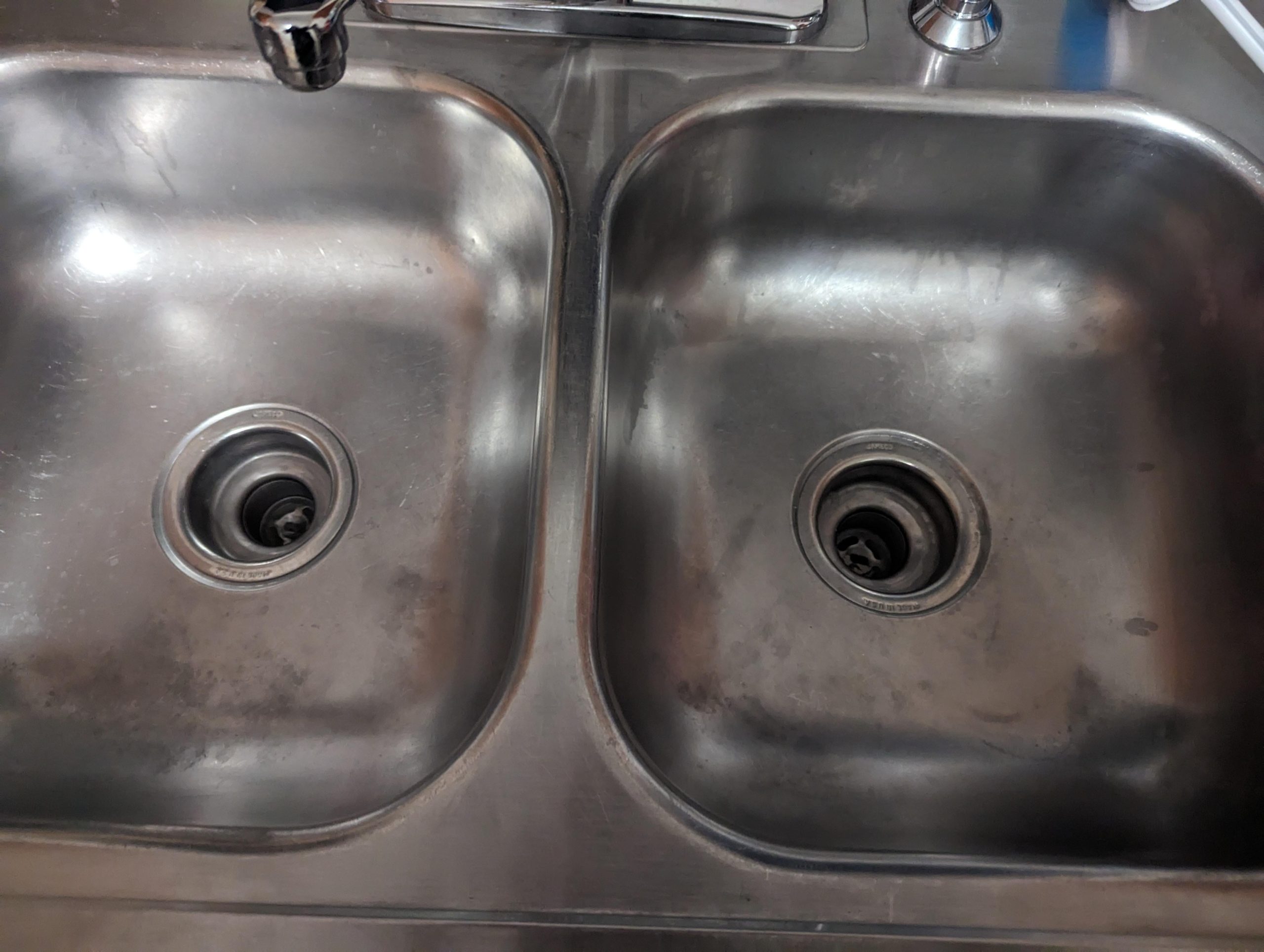
Are you wondering if Comet cleaner is safe for your stainless steel sink? You want your sink to sparkle without worrying about scratches or damage.
Using the wrong cleaner can leave marks or dull the shine you love. But can Comet give you that deep clean while keeping your stainless steel looking new? Keep reading to find out how to protect your sink and get it gleaming like never before.
This simple tip could save you time and keep your kitchen looking fresh every day.

Credit: www.reddit.com
Is Comet Safe For Stainless Steel?
Comet is a popular household cleaner known for its scrubbing power. Many people wonder if it is safe to use on stainless steel sinks. This article explains the effects of Comet on stainless steel.
Understanding the chemical makeup of Comet and how it reacts with stainless steel helps you decide if you should use it on your sink.
Chemical Composition Of Comet
Comet contains several active ingredients that help clean tough stains. These include abrasives and chemicals that remove dirt and grime.
| Ingredient | Purpose | Effect on Surfaces |
| Calcium Carbonate | Abrasive | Scratches if rubbed hard |
| Sodium Carbonate | Alkaline Cleaner | Breaks down grease |
| Bleach (Sodium Hypochlorite) | Disinfectant | May cause discoloration |
| Fragrance | Mask Odor | No surface effect |
Effects On Stainless Steel Surfaces
Stainless steel is durable but can be damaged by harsh cleaners. Comet’s abrasives may scratch the surface if used with strong pressure.
- Scratches reduce the shine of the sink
- Bleach may cause dull spots or stains
- Rinsing well can reduce chemical residue
- Using a soft cloth helps avoid damage
- Test in a small area before full use
Potential Risks Of Using Comet
Comet is a popular cleanser for many surfaces. It can clean tough stains but may harm stainless steel sinks.
Using Comet on stainless steel sinks has some risks. These risks can affect the sink's look and lifespan.
Scratches And Abrasions
Comet contains abrasive particles. These particles can scratch the smooth surface of stainless steel sinks.
Scratches make the sink look old and worn. They also create spots where dirt and germs can hide.
- Abrasive particles wear down the sink surface
- Scratches reduce the sink’s shine
- Deep scratches can cause rust over time
Dulling The Finish
Comet can remove the protective layer on stainless steel sinks. This layer gives the sink a shiny finish.
When the finish dulls, the sink looks faded and less clean. The dull surface also stains more easily.
- Harsh scrubbing with Comet removes the shine
- Dull finish makes the sink look old
- Stains stick more to dull surfaces
How To Use Comet Safely On Sinks
Comet is a popular cleaner for many surfaces, including sinks. You can use it on stainless steel sinks if you follow safety steps. Using Comet the right way keeps your sink clean and avoids damage.
This guide explains how to use Comet safely on stainless steel sinks. It covers dilution, application, rinsing, and drying tips.
Dilution And Application Tips
Always check the product label for dilution instructions. Using Comet undiluted can scratch the sink surface. Mix it with water to reduce its strength before applying.
Apply Comet gently with a soft cloth or sponge. Avoid using steel wool or rough brushes. Scrub lightly to prevent scratches on your stainless steel sink.
- Mix Comet with water as directed on the label
- Use a soft cloth or sponge for cleaning
- Do not use abrasive scrubbers like steel wool
- Apply cleaner lightly to avoid scratches
Rinsing And Drying Procedures
Rinse your sink well with clean water after using Comet. This removes any leftover cleaner that might harm the metal. Make sure no residue stays on the sink surface.
Dry the sink with a soft towel or cloth. Drying helps prevent water spots and keeps your stainless steel looking shiny. Avoid air drying as it can leave marks.
- Rinse the sink thoroughly with water
- Remove all cleaner residues
- Dry the sink with a soft towel or cloth
- Do not let the sink air dry to avoid spots

Credit: www.reddit.com
Alternative Cleaners For Stainless Steel
Stainless steel sinks need gentle cleaning to keep their shine. Some cleaners can be too rough and cause scratches. Finding the right cleaner helps protect your sink and keeps it looking new.
This guide shows safe homemade cleaners and commercial options for stainless steel sinks. These alternatives avoid using harsh substances like Comet, which may harm the surface. For those wondering how to clean a stainless steel sink effectively, both natural ingredients and mild commercial products can yield excellent results. Baking soda mixed with water can create a gentle paste that helps to scrub away stubborn stains without scratching the surface. Additionally, using a solution of vinegar and water can help restore the sink's shine while disinfecting at the same time.
Gentle Homemade Solutions
Homemade cleaners use simple ingredients that are easy to find. These solutions clean without damaging your sink’s surface.
- Mix baking soda with water to form a paste. Rub gently and rinse well.
- Use white vinegar to remove water spots. Spray and wipe with a soft cloth.
- Olive oil can polish the sink. Apply a small amount and buff with a cloth.
- Lemon juice helps with stains. Apply, let sit for a few minutes, then rinse.
Commercial Stainless Steel Cleaners
Commercial cleaners are made specifically for stainless steel. They can remove tough stains and restore shine safely.
| Cleaner | Use | Notes |
|---|---|---|
| Bar Keepers Friend | Removes rust and stains | Non-abrasive, use with soft cloth |
| Weiman Stainless Steel Cleaner | Polishes and protects | Leaves a shiny finish |
| Therapy Stainless Steel Cleaner | Removes fingerprints and smudges | Safe for daily use |
| Simple Green Stainless Steel Cleaner | General cleaning | Non-toxic and biodegradable |
Maintenance Tips For Stainless Steel Sinks
Keeping a stainless steel sink clean helps it look new longer. Proper care stops stains and damage.
Use safe cleaning methods and tools to protect the sink surface. Avoid harsh chemicals that can scratch or dull the finish.
Daily Cleaning Habits
Clean your sink every day to avoid buildup. This keeps the surface shiny and hygienic.
- Rinse the sink with warm water after use
- Wipe the sink dry with a soft cloth to prevent water spots
- Use mild dish soap and a sponge for cleaning
- Avoid steel wool or abrasive pads that can scratch the sink
- Empty the drain basket and remove food particles daily
Preventing Stains And Water Spots
Stains and spots can ruin the look of your sink. Follow these tips to keep it spotless.
| Cause | Prevention Tip |
| Hard water deposits | Wipe dry after each use |
| Rust spots | Avoid leaving metal cans or cast iron in sink |
| Food stains | Clean spills quickly with mild soap |
| Soap residue | Rinse sink well after washing dishes |

Credit: www.reddit.com
Frequently Asked Questions
Can Comet Damage Stainless Steel Sinks?
Comet is abrasive and can scratch stainless steel sinks. Use it gently to avoid dulling the finish. Rinse thoroughly after cleaning to prevent residue buildup.
Is Comet Safe For Regular Stainless Steel Cleaning?
Comet can clean stainless steel sinks occasionally but is not ideal for daily use. Frequent use may dull the surface over time. Use mild cleaners for regular maintenance.
How To Use Comet Safely On Stainless Steel Sinks?
Wet the sink, sprinkle Comet, and scrub gently with a soft sponge. Avoid harsh scrubbing to prevent scratches. Rinse thoroughly with water to remove all residue.
Does Comet Remove Stains From Stainless Steel Sinks?
Yes, Comet effectively removes tough stains and mineral deposits on stainless steel sinks. Its abrasive action helps lift grime, but use cautiously to protect the sink’s finish.
Conclusion
Comet can clean stainless steel sinks safely when used right. Avoid scrubbing too hard to prevent scratches. Rinse the sink well after cleaning to remove residue. Regular use keeps your sink shiny and fresh. Choose gentle cleaning methods for long-lasting results.
Simple care helps your sink look great every day.