
Is rust showing up on your stainless steel sink? It can be frustrating to see those orange spots ruining the shine and cleanliness of your kitchen.
But don’t worry—you don’t need to replace your sink or call a professional just yet. You can clean that rust yourself, quickly and easily. You’ll discover simple, effective methods to restore your sink’s sparkle. Keep reading, and you’ll find out exactly how to get rid of rust and keep your stainless steel looking brand new.

Credit: www.youtube.com
Causes Of Rust On Stainless Steel Sinks
Stainless steel sinks are popular for their durability and look. But rust can still appear on them. Understanding what causes rust helps keep your sink clean and shiny.
Rust forms when iron in the steel reacts with water and oxygen. Even stainless steel can get rust spots if conditions are right.
Common Sources Of Rust
Rust often comes from things that touch the sink. These items leave behind tiny iron particles that cause rust spots.
- Cast iron pans and pots rubbing against the sink
- Steel wool or metal scrubbers left in the sink
- Steel utensils or tools resting in the sink
- Metal debris from cleaning or repairs
- Iron-rich dust or dirt settling on the surface
These metal particles stick to the sink's surface. Water and air then cause these particles to rust, leaving marks on your sink.
Impact Of Water And Chemicals
Water quality affects rust on stainless steel sinks. Hard water has minerals that can harm the sink's surface and cause rust.
Certain chemicals also damage the sink's protective layer. This damage makes it easier for rust to form.
- Chlorine in tap water can corrode the sink
- Bleach and harsh cleaners break down the surface
- Acidic substances like lemon juice or vinegar can wear the finish
- Salt from foods or cleaning can speed up rusting
Always rinse your sink well after using cleaners or acidic products. This helps protect against rust and keeps your sink looking good.
Essential Tools And Materials
Cleaning rust from a stainless steel sink needs the right tools. The right items make the job easier and safer.
This guide covers basic household items and recommended cleaning products. Both types help remove rust effectively.
Household Items You Need
You can use common items found in most homes to clean rust. These items are gentle on stainless steel.
- Soft cloths or sponges to avoid scratching
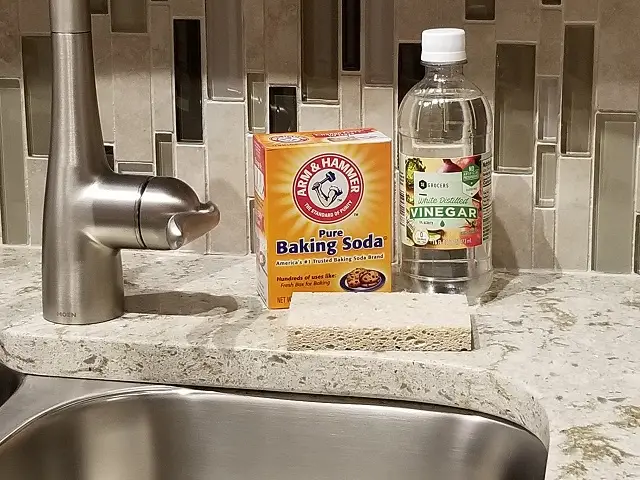
- Baking soda, a mild abrasive cleaner
- White vinegar to dissolve rust stains
- Lemon juice, a natural acid cleaner
- Old toothbrush for scrubbing small areas
- Rubber gloves to protect your hands
- Warm water for rinsing and mixing solutions
Recommended Cleaning Products
Special cleaning products can help remove tough rust stains. Choose products safe for stainless steel.
- Non-abrasive stainless steel cleaner
- Oxalic acid-based rust remover
- Bar Keepers Friend, a popular rust cleaner
- Cream or paste cleaners made for sinks
- Stainless steel polish for finishing touch
Always read product labels before use. Follow safety instructions for best results.
Preparation Before Cleaning
Cleaning rust from a stainless steel sink starts with proper preparation. This helps protect the sink and makes the cleaning easier.
Before you begin, you need to clear and dry the sink and follow safety precautions. These steps keep you safe and protect your sink.
Clearing And Drying The Sink
Remove all dishes, soap, and other items from the sink. Make sure the sink is empty and ready for cleaning.
- Take out all dishes and utensils
- Remove any food particles or debris
- Wipe the sink with a dry cloth to remove water
- Check for any standing water and dry completely
Safety Precautions
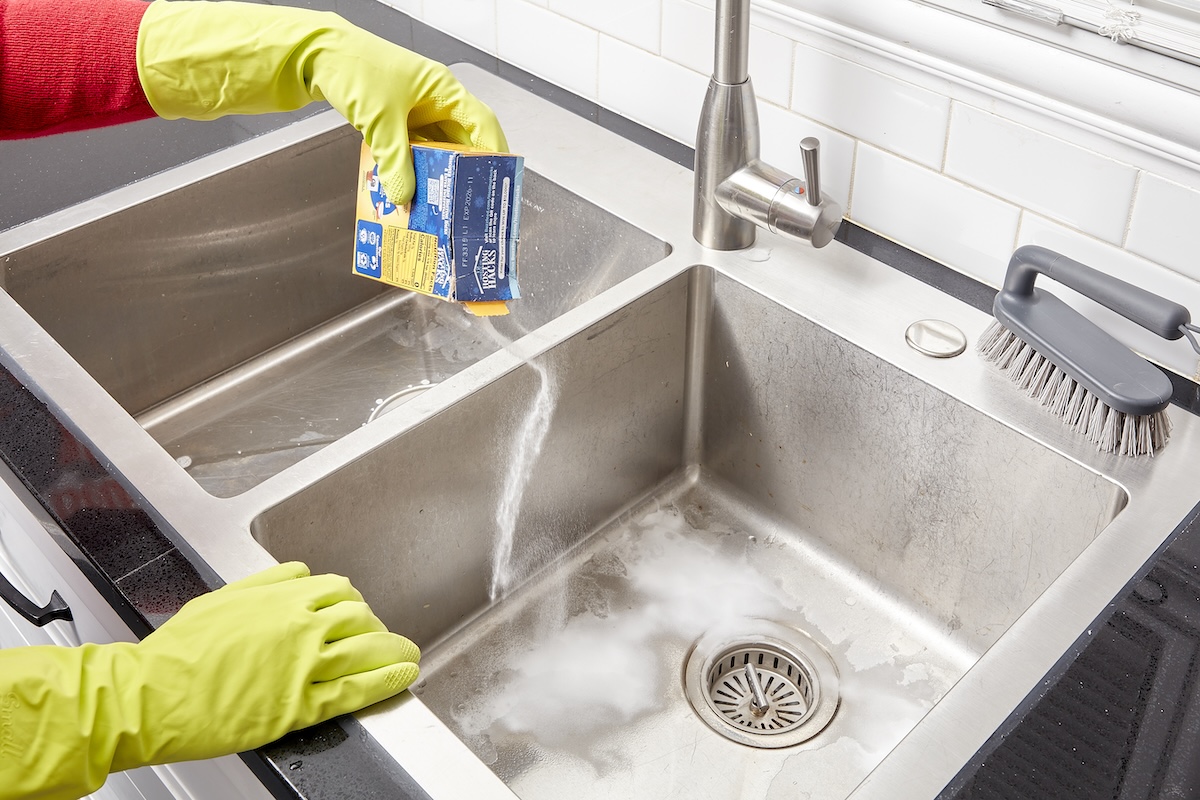
Use gloves to protect your hands from rust and cleaning products. Make sure the area is well ventilated to avoid breathing fumes.
| Safety Tip | Reason |
| Wear rubber gloves | Protect skin from chemicals |
| Open windows or doors | Improve air circulation |
| Use eye protection | Prevent splashes in eyes |
| Read product labels | Follow instructions carefully |
Credit: www.bobvila.com
Home Remedies To Remove Rust
Rust can damage the look of your stainless steel sink. It is easy to remove rust using items found at home. These simple remedies clean rust without harsh chemicals.
Try these natural ways to make your sink shine again. They are safe and save money.
Using Baking Soda Paste
Baking soda is a mild abrasive that removes rust gently. Mix baking soda with water to make a thick paste. Apply it to the rusty spots on your sink.
Let the paste sit for 15 minutes. Then scrub with a soft brush or cloth. Rinse well with water and dry the sink.
- Mix 3 parts baking soda with 1 part water
- Apply paste on rust stains
- Wait 15 minutes before scrubbing
- Use a soft brush to avoid scratches
- Rinse and dry the sink after cleaning
Applying White Vinegar
White vinegar contains acid that dissolves rust. Soak a cloth in white vinegar and place it on the rust spots. Let it sit for 30 minutes to an hour.
After soaking, scrub the rust with a soft brush or sponge. Rinse the sink with water and wipe it dry to prevent new rust.
- Soak cloth in white vinegar
- Cover rust stains with the cloth
- Leave for 30 to 60 minutes
- Scrub gently with a soft brush
- Rinse thoroughly and dry the sink
Lemon Juice And Salt Method
Lemon juice is acidic and helps break down rust. Sprinkle salt over the rusted area first. Then squeeze fresh lemon juice on top of the salt.
Let this mixture sit for 2 hours. Use a soft cloth or brush to scrub the rust away. Rinse with water and dry the sink completely.
- Cover rust with salt
- Squeeze lemon juice over the salt
- Wait 2 hours for the mixture to work
- Scrub rust spots gently
- Rinse and dry the sink fully
Commercial Rust Removers
Rust stains on stainless steel sinks can spoil their look. Commercial rust removers are made to clean these stains well.
These products use special chemicals that break down rust without harming the sink’s surface.
Choosing The Right Product
Select a rust remover designed for stainless steel. Some products can damage the sink’s finish.
Look for removers that are safe and easy to use. Check the label for instructions and warnings.
- Choose non-abrasive formulas
- Pick products safe for kitchen use
- Check if it removes rust without scratching
Proper Application Techniques
Clean the sink with soap and water before applying rust remover. Dry the area completely.
Apply the rust remover with a soft cloth or sponge. Follow the time recommended on the label.
- Wear gloves to protect your skin
- Work in a well-ventilated area
- Rinse the sink thoroughly after treatment
- Dry the sink to prevent new rust
Preventing Future Rust Formation
Stainless steel sinks are durable but can sometimes develop rust. Preventing rust keeps your sink looking new.
Learn simple ways to stop rust from forming in your stainless steel sink.
Regular Cleaning Tips
Keeping your sink clean is essential to avoid rust. Regular cleaning removes dirt and grime.
- Use a mild cleaner with a soft cloth
- Rinse the sink with warm water after each use
- Dry the sink completely with a towel
Maintaining Dryness And Ventilation
Moisture can lead to rust formation. Keeping the sink dry is crucial for rust prevention.
| Tip | Action |
| Dry thoroughly | Use a towel after washing |
| Ventilation | Open windows for air flow |
| Dehumidifier | Reduce moisture in the kitchen |
Handling Stubborn Rust Stains
Stainless steel sinks can get rust stains. These stains can be tough to remove. You need to handle them with care. To effectively remove stains from stainless steel, consider using a gentle abrasive cleaner or a mixture of baking soda and water. Always apply the cleaner with a soft cloth to avoid scratching the surface. Regular maintenance and cleaning can help prevent stains from forming in the first place.
Simple cleaning methods often fail. Stubborn rust needs special attention. Here are some tips to help you.
Using Steel Wool Or Scrubbers
Steel wool is a great tool for rust. It scrubs away the rust particles. Use it gently to avoid scratches.
Scrubbers can also help. Choose non-abrasive ones for safety. Wet the area first for better results.
- Use mild detergent with steel wool
- Rinse the sink after scrubbing
- Dry the surface to prevent more rust
When To Call A Professional
Some rust stains are too stubborn. If they don’t go away, seek professional help. Experts have special tools and products.
Professionals can save your sink from damage. They know the right techniques. It might cost more, but it ensures a clean sink.
- Call if rust returns quickly
- Seek help for deep, spread-out stains
- Consult a professional for maintenance tips

Credit: www.dkhardware.com
Frequently Asked Questions
How Do I Remove Rust From A Stainless Steel Sink?
To remove rust, use a paste of baking soda and water. Apply it, scrub gently with a soft brush, then rinse thoroughly. Avoid harsh abrasives to prevent scratching the surface.
What Household Items Clean Rust On Stainless Steel?
Common items like baking soda, white vinegar, and lemon juice effectively clean rust. They are natural, non-toxic, and safe for stainless steel surfaces.
Can Rust Damage A Stainless Steel Sink Permanently?
Yes, if rust is ignored, it can cause permanent stains and corrosion. Regular cleaning prevents rust buildup and maintains the sink’s appearance.
Is It Safe To Use Commercial Rust Removers On Sinks?
Some commercial rust removers are safe if labeled for stainless steel. Always read instructions and test on a small area first to avoid damage.
Conclusion
Cleaning rust from your stainless steel sink is simple with the right steps. Use gentle scrubbers and common household items. Regular cleaning helps keep the sink shiny and rust-free. Avoid harsh chemicals to protect the sink’s surface. Small efforts save time and money in the long run. For best results, follow stainless steel sink cleaning tips such as using vinegar mixed with baking soda to tackle tough stains. Additionally, rinsing the sink thoroughly after cleaning will prevent any residue buildup that can lead to rust. With consistent care and these effective techniques, your stainless steel sink can maintain its luster for years to come. For tougher rust stains, consider using a mixture of baking soda and water to create a paste that will help remove rust stain from stainless steel. Apply the paste, let it sit for a few minutes, and then gently scrub to lift the stain. Remember to rinse thoroughly and dry the sink to prevent future rust from forming. To enhance your cleaning routine, consider using a mixture of baking soda and vinegar, which can effectively remove rust stains from sink. Allow the solution to sit for a few minutes before scrubbing gently, ensuring you don’t scratch the surface. By staying proactive with maintenance, you can preserve the beauty and functionality of your sink for years to come. For those wondering how to remove rust from sinks effectively, consider using a paste made from baking soda and water, which can gently abrasive yet safe for the surface. Additionally, regular maintenance, such as promptly wiping down the sink after use, can significantly reduce the chances of rust developing. By being proactive, you'll enjoy a pristine sink for years to come.
Keep your sink looking new and fresh every day. Rust does not have to be a problem anymore. Just follow these easy tips and enjoy a clean sink.