
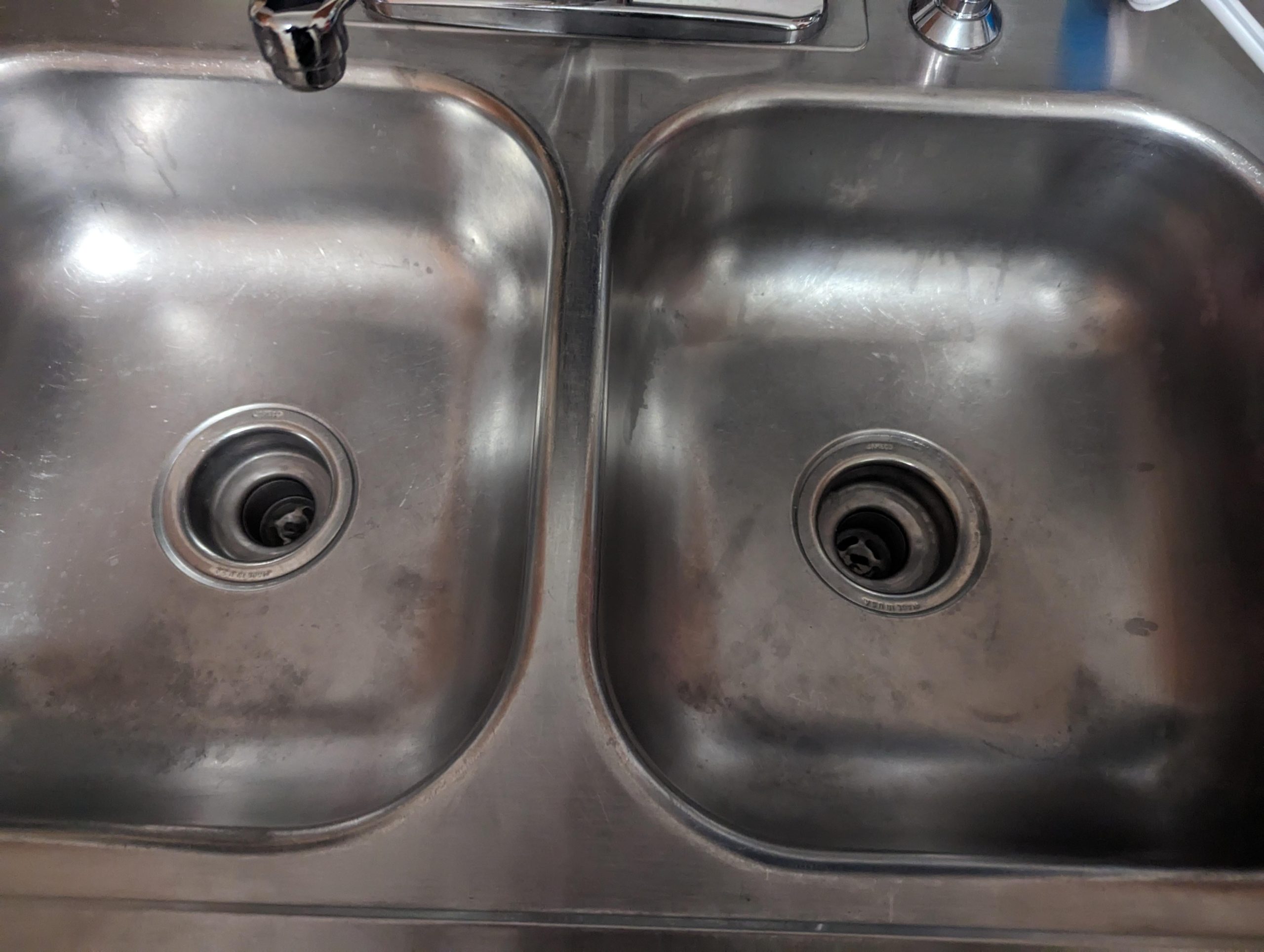
Is your stainless steel sink looking dull and tired? You might think it’s impossible to bring back that bright, shiny finish you once loved.
But what if I told you that with just a few simple steps, you can make your sink sparkle like new again? Imagine the feeling of pride every time you see your gleaming sink shining in your kitchen. You’ll discover easy and effective ways to restore your stainless steel sink’s shine quickly.
Keep reading, and you’ll learn the secrets to making your sink look spotless and fresh—no expensive products or special tools needed. Your kitchen deserves it, and so do you!
Choosing The Right Cleaning Tools
To make a stainless steel sink shine, you need the right cleaning tools. Using the proper tools helps clean without scratching.
Different tools work best for different cleaning tasks. Pick tools that protect the sink’s surface.
Best Cloths And Sponges
Soft cloths and non-abrasive sponges are best for cleaning stainless steel sinks. They remove dirt gently. For stubborn stains, a mixture of baking soda and water can work wonders, providing a natural abrasive that won't scratch the surface. Additionally, for those seeking more tips, there are numerous cleaning hacks for stainless steel sinks that can enhance their shine and cleanliness. Regular maintenance, such as wiping down the sink after each use, can also prevent buildup and keep it looking new.
Microfiber cloths dry fast and trap dust well. Sponges with a soft side avoid scratches during washing.
- Microfiber cloths for wiping and polishing
- Soft sponges with non-scratch surfaces
- Avoid rough or steel wool sponges
Safe Scrubbing Brushes
Use brushes with soft or nylon bristles to scrub tough stains. They clean well without damage.
Choose brushes designed for delicate surfaces. Avoid metal bristles that can leave marks on the sink.
- Nylon bristle brushes for stubborn spots
- Soft-bristled brushes for general cleaning
- No metal or hard plastic bristles
Daily Cleaning Habits
Keeping your stainless steel sink shiny takes simple daily care. Small habits prevent stains and water marks.
These tips help keep your sink looking clean without much effort. Consistency matters more than strong cleaners.
Wiping After Use
Wiping your sink dry after each use stops water spots and soap build-up. Use a soft cloth or microfiber towel.
- Rinse the sink thoroughly with water.
- Use a soft cloth to wipe all surfaces dry.
- Focus on corners and edges where water pools.
- Wipe the faucet and handles to prevent spots.
Avoiding Harsh Chemicals
Strong cleaners can damage stainless steel’s finish. Choose gentle products to protect your sink’s shine.
| Safe Cleaners | Harsh Chemicals to Avoid |
| Mild dish soap | Bleach |
| Baking soda paste | Chlorine cleaners |
| White vinegar (diluted) | Abrasive powders |
| Soft cloth or sponge | Steel wool |
Removing Stains And Water Spots
Stains and water spots can dull your stainless steel sink. Cleaning them helps keep the sink bright and shiny. You can use simple household items to remove these marks safely. To effectively remove stains from stainless steel, mix equal parts of baking soda and water to create a gentle paste. Apply this mixture to the stained areas, allowing it to sit for a few minutes before scrubbing with a soft cloth. Rinse thoroughly and dry to restore the sink’s luster.
Below are two easy methods using baking soda and vinegar. These natural solutions are gentle but effective on stainless steel surfaces.
Using Baking Soda
Baking soda works as a mild abrasive cleaner. It removes stains without scratching the sink. Follow these steps for best results.
- Sprinkle baking soda over the wet sink surface.
- Use a soft cloth or sponge to rub the baking soda gently in circles.
- Focus on stained or spotted areas for a few minutes.
- Rinse the sink well with warm water.
- Dry the sink with a clean towel to prevent new water spots.
Vinegar Solutions
Vinegar helps dissolve mineral deposits that cause water spots. Use it carefully to avoid damage.
| Vinegar Method | Instructions |
|---|---|
| Spray and Wipe | Spray white vinegar on the sink surface. Let sit 5 minutes, then wipe with a soft cloth. |
| Soak Cloth | Soak a cloth in vinegar, place on stains for 10 minutes, then scrub gently and rinse. |
| Vinegar and Water Mix | Mix equal parts vinegar and water in a spray bottle. Spray and clean as above. |

Credit: www.reddit.com
Polishing Techniques
Stainless steel sinks can lose their shine over time. Proper polishing can bring back their sparkle. Learn how to use both natural and commercial products to make your sink shine.
Different methods can be used for polishing, including natural oils and commercial products. Each has its own benefits and application techniques.
Natural Oils And Waxes
Natural oils and waxes are gentle on stainless steel surfaces. They provide a subtle shine without harsh chemicals.
- Olive oil can be applied with a soft cloth.
- Beeswax offers a protective layer for added shine.
- Lemon oil cuts through grime and adds a fresh scent.
Commercial Polish Products
Commercial polishes are designed specifically for stainless steel. They can quickly restore the original shine of your sink.
| Product | Application |
| Stainless Steel Cleaner | Spray and wipe with a microfiber cloth |
| Metal Polish Cream | Rub in circular motion, then buff |
| All-Purpose Polish | Apply, let sit for a minute, then rinse |
Preventing Future Tarnish
Keeping your stainless steel sink shiny takes more than just cleaning. You must protect it from tarnish that forms over time. Simple habits can keep your sink looking new longer.
This guide covers proper drying methods and a regular maintenance schedule. These steps help prevent water spots and stains that cause dullness.
Proper Drying Methods
Moisture left on the sink surface causes water spots and mineral build-up. Drying your sink properly after each use stops this damage.
- Use a soft, clean microfiber cloth to dry the sink after washing dishes.
- Wipe all corners and edges where water tends to collect.
- Do not let water air dry on the sink surface.
- Dry the faucet and handles to avoid water stains.
- For best results, dry your sink daily or after heavy use.
Regular Maintenance Schedule
Consistent care stops tarnish before it starts. A maintenance routine ensures your sink stays clean and bright.
| Task | Frequency | Details |
| Light Cleaning | Daily | Wipe with mild soap and water, then dry. |
| Deep Cleaning | Weekly | Use baking soda paste or stainless steel cleaner to remove stains. |
| Polishing | Monthly | Apply a stainless steel polish to restore shine and protect surface. |
| Check Drain Area | Weekly | Remove debris to prevent water pooling and stains. |

Credit: www.diyncrafts.com
Dealing With Scratches
Scratches on a stainless steel sink can dull its shine. Fixing these marks can bring back the sink’s smooth look. Both light and deep scratches need different care methods. For light scratches, a gentle cleaning solution and a soft cloth can help restore the finish. However, for deeper scratches, using a fine-grade sandpaper along with stainless steel polish may be necessary to effectively remove scratches from stainless steel. Regular maintenance and prompt attention to any new scratches can help maintain the sink's pristine appearance for years to come.
Learn how to remove scratches safely. Use the right tools and techniques to avoid damage. This guide focuses on easy ways to improve your sink’s appearance.
Light Scratch Removal
Light scratches look like faint lines on the surface. You can often remove them with simple household items. These methods are quick and safe for daily use.
- Clean the sink with warm water and mild soap.
- Dry the area completely with a soft cloth.
- Apply a small amount of non-abrasive metal polish or baking soda paste.
- Rub gently along the grain of the steel using a soft cloth or sponge.
- Rinse the area with water and dry it again.
Deep Scratch Solutions
Deep scratches need more care. You may use special tools or products. Follow these steps carefully to avoid worsening the damage.
| Tool or Product | Use | Tips |
| Fine grit sandpaper (600-800 grit) | Smooth deep scratches | Always sand with the grain; use light pressure |
| Stainless steel scratch remover kit | Buff out scratches | Follow kit instructions carefully |
| Soft polishing cloth | Apply polish and shine | Use clean cloths to avoid new scratches |

Credit: startsat60.com
Frequently Asked Questions
How Do I Clean Stainless Steel Sinks Effectively?
Use mild dish soap and warm water with a soft sponge. Avoid abrasive cleaners to prevent scratches. Rinse thoroughly and dry with a microfiber cloth for a streak-free shine.
What Homemade Solution Makes Stainless Steel Sinks Shine?
Mix baking soda and water to form a paste. Apply it gently, scrub with a soft cloth, then rinse and dry. This natural method removes stains and restores shine without harsh chemicals.
How Often Should I Polish My Stainless Steel Sink?
Polish your sink once a week to maintain its shine. Regular polishing prevents water spots and stains. Use a stainless steel polish or olive oil for best results.
Can Vinegar Remove Hard Water Stains On Stainless Steel?
Yes, white vinegar effectively dissolves hard water stains. Apply vinegar on the stains, let it sit for a few minutes, then wipe clean. Rinse and dry thoroughly to avoid streaks.
Conclusion
A shiny stainless steel sink adds beauty to any kitchen. Clean it often using gentle cleaners and soft cloths. Avoid harsh scrubbing that can scratch the surface. Dry the sink after washing to stop water spots. Small steps keep your sink bright and fresh for years. For tougher stains like rust, consider using a paste made of baking soda and water to remove rust stains effectively. Apply the mixture to the affected area, let it sit for a few minutes, and then gently scrub with a soft cloth. Regular maintenance not only enhances the sink's appearance but also prolongs its lifespan, keeping your kitchen looking its best. For deeper cleaning, you can use a mixture of baking soda and water to remove rust stains effectively while also deodorizing the surface. Additionally, periodically applying a stainless steel polish can help maintain its luster and protect against stains. Remember to always follow the grain of the steel when wiping to enhance its shine.
A clean sink makes daily chores more pleasant. Try these easy tips and see the difference yourself. Your kitchen deserves a sink that looks its best every day.