
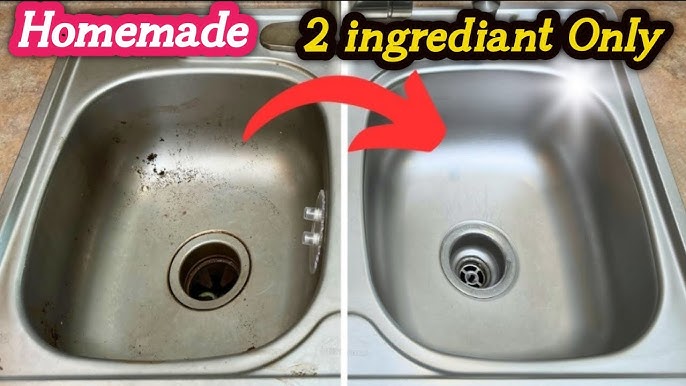
Your stainless steel sink is one of the busiest spots in your kitchen. Over time, it can develop stains that make it look dull and dirty.
You might feel frustrated trying to get rid of those stubborn marks. But what if cleaning your sink could be easier than you think? You’ll discover simple, effective ways to restore your sink’s shine and keep it looking brand new.
Keep reading, and you’ll learn tips that save you time and effort—making your kitchen sparkle again.
Common Causes Of Stains
Stainless steel sinks are popular for kitchens. They look great but can get stained over time.
Understanding what causes stains helps keep your sink clean and shiny for longer.
Water Spots
Water spots appear when water dries on the sink's surface. They leave behind small marks.
These spots happen because minerals in water stay on the steel after evaporation.
Rust Marks
Rust marks occur from metal tools or iron particles touching the sink. These marks can look orange or brown.
Rust stains do not come from the sink itself but from outside sources.
Hard Water Deposits
Hard water deposits form from minerals like calcium and magnesium in water. They leave a white, chalky layer.
These deposits build up over time and make the sink look dull.
Food And Grease Stains
Food and grease stains come from cooking and washing dishes. They can leave oily or sticky marks.
These stains attract dirt and make the sink harder to clean.

Credit: www.reddit.com
Essential Cleaning Tools
Cleaning a stained stainless steel sink needs the right tools. Using proper items helps keep the sink shiny and scratch-free.
Soft cleaning tools remove stains gently. Protective gear keeps your hands safe during cleaning.
Soft Sponges And Cloths
Soft sponges and cloths clean without scratching stainless steel. Use microfiber cloths or soft kitchen sponges for best results.
Non-abrasive Scrubbers
Non-abrasive scrubbers help remove tough stains without damage. They work well on stubborn spots and keep the surface smooth.
- Choose nylon scrubbers over steel wool
- Look for scrubbers labeled safe for stainless steel
- Test on a small area before full use
Cleaning Brushes
Brushes reach corners and edges easily. Use brushes with soft to medium bristles to avoid scratches.
| Brush Type | Use |
| Soft bristle brush | General cleaning |
| Medium bristle brush | Stubborn stains |
| Toothbrush | Small corners and seams |
Protective Gloves
Wear gloves to protect skin from cleaning chemicals. Gloves also keep your hands dry and safe.
Choose gloves that are:
- Waterproof
- Durable
- Comfortable to wear
Safe Cleaning Products
Cleaning a stained stainless steel sink needs safe and gentle products. Harsh chemicals can damage the surface.
Using natural or designed cleaners helps keep your sink shiny and stain-free without harm.
Baking Soda
Baking soda is a mild abrasive that cleans stains without scratching stainless steel. It helps remove grime and odors.
Sprinkle baking soda on the sink surface, then scrub gently with a soft cloth or sponge. Rinse well with water.
White Vinegar
White vinegar cuts through mineral deposits and water stains on stainless steel. It also kills bacteria.
Spray or apply vinegar to the sink. Let it sit for a few minutes, then wipe clean with a soft cloth.
Lemon Juice
Lemon juice is acidic and helps remove rust stains and water marks. It leaves a fresh scent behind.
Rub lemon juice on stained areas. Let it sit for a short time, then rinse and dry the sink.
Commercial Stainless Steel Cleaners
Special cleaners made for stainless steel remove tough stains safely. They protect the sink’s finish.
Follow the product instructions. Use a soft cloth to apply and buff the sink to a shine.

Credit: www.reddit.com
Step-by-step Cleaning Methods
Keeping your stainless steel sink clean helps it look new longer. Regular care removes stains and keeps the surface shiny.
Use simple cleaning methods to tackle different types of stains and marks. Follow these easy steps for best results.
Daily Maintenance Routine
Clean your sink every day to prevent buildup. Use warm water and mild soap with a soft cloth.
- Rinse the sink after use to remove food scraps.
- Wipe with a soft sponge and dish soap.
- Dry the sink with a towel to stop water spots.
- Polish with a microfiber cloth for shine.
Removing Water Spots
Water spots appear from minerals left behind when water dries. Vinegar helps remove these spots safely.
Soak a cloth in white vinegar and place it on the spots for five minutes. Then rub gently and rinse well.
Eliminating Rust Stains
Rust stains can form from metal objects left in the sink. Use baking soda to clean them without scratching. For tougher stains, you can create a paste using equal parts baking soda and water, applying it directly to the rusted area. Let it sit for about 15 minutes before scrubbing gently with a soft cloth or sponge. If you're looking for effective methods on how to remove rust stains, consider using white vinegar combined with baking soda for an extra boost in cleaning power.
Make a paste of baking soda and water. Apply to rust stains and let sit for 15 minutes. Scrub lightly with a soft brush and rinse.
Tackling Hard Water Deposits
| Material Needed | Action |
| White vinegar | Soak cloth and cover deposits |
| Lemon juice | Apply directly to deposits for extra cleaning |
| Soft sponge | Gently scrub after soaking |
| Warm water | Rinse thoroughly |
Use vinegar or lemon juice to break down hard water deposits. Let the acid work before scrubbing gently.
Dealing With Food And Grease
Grease and food stains need stronger cleaning. Follow these tips:
- Sprinkle baking soda over the stains.
- Pour a little dish soap on a damp sponge.
- Scrub the area in circles.
- Rinse with warm water.
- Dry with a soft cloth.
Tips To Prevent Future Stains
Keeping your stainless steel sink clean prevents stains and keeps it shiny. Simple habits help avoid tough marks and discoloration. Regularly rinsing and drying the sink after each use can significantly extend its pristine appearance. If tougher stains do occur, knowing how to clean a stainless steel sink properly is essential, as it allows for effective maintenance without damaging the surface. Consider using a mixture of baking soda and vinegar for a natural cleaning solution that can tackle stubborn marks without harsh chemicals.
Use easy tips every day to protect your sink and make cleaning faster.
Regular Cleaning Habits
Clean your sink daily with mild soap and water. Rinse well to remove soap residue. Wipe it dry with a soft cloth to stop water spots.
- Use a soft sponge or cloth for cleaning
- Avoid steel wool or abrasive pads that scratch
- Clean after every use to stop stain buildup
- Use baking soda paste for gentle scrubbing
Proper Drying Techniques
Dry your sink after each use. Water left on the surface causes stains and spots. Use a clean towel to wipe all areas, including corners.
| Drying Tips | Reason |
| Use microfiber cloth | Absorbs water well |
| Wipe sink edges and drain | Prevents water spots |
| Dry after every use | Stops mineral deposits |
Avoiding Harsh Chemicals
Stay away from bleach and strong acids. These chemicals can damage the sink’s finish and cause rust or stains. Use gentle cleaners made for stainless steel instead.
Safe cleaning tips:
- Use dish soap mixed with warm water
- Try vinegar diluted with water to remove spots
- Test any cleaner on a small area first
- Never leave harsh chemicals on the sink surface
Using Sink Mats And Strainers
Place a sink mat at the bottom to protect against scratches. Use strainers to catch food and debris. This prevents staining from trapped particles and keeps your drain clear.
- Choose rubber or silicone mats
- Clean mats regularly to avoid mold
- Empty strainers after each use
- Rinse mats and strainers with warm water
When To Call A Professional
Cleaning a stainless steel sink can be easy. But some stains need expert help. Here are times to call a professional. If you find that you have persistent stains that refuse to budge, it may be time to seek assistance. Professionals have the right tools and techniques to remove rust stains from sink surfaces without causing damage. Additionally, they can provide ongoing maintenance tips to keep your sink looking pristine. If you encounter stubborn rust stains that your usual cleaning methods can't eliminate, it might be time to consider reaching out for expert assistance. Professionals often have specialized techniques and products that can effectively address these issues. They can also provide insight on how to remove rust from sinks without damaging the stainless steel surface. If you’re dealing with stubborn rust stains or deep scratches, it’s best to consult with a professional who specializes in stainless steel maintenance. They can provide valuable insights on how to clean stainless steel sinks effectively, ensuring that your sink remains in pristine condition. Additionally, tackling tough stains without the right knowledge can sometimes worsen the situation, making expert advice essential.
Deep Rust Stains
Rust can damage your sink. If the rust is deep, it may need special tools. A professional knows how to handle it without harm.
Discoloration From Chemicals
Chemicals can leave tough stains. They may also change the sink's color. Professionals have the right cleaners for such stains.
Scratches And Dents
Scratches and dents need more than cleaning. A professional can polish and fix these. This keeps your sink looking new.
Persistent Smells
Bad smells can linger even after cleaning. They might come from deep in the pipes. Professionals can identify and remove them.
- They use special deodorizers
- They check for hidden mold

Credit: www.reddit.com
Frequently Asked Questions
How Do I Remove Stains From Stainless Steel Sinks?
Use a mix of baking soda and water to scrub stains gently. Rinse with warm water and dry with a soft cloth to avoid water spots.
What Household Items Clean Stainless Steel Sinks Effectively?
Baking soda, white vinegar, and lemon juice are safe and effective. They help remove stains and restore shine without damaging the sink surface.
How Often Should I Clean My Stainless Steel Sink?
Clean your sink daily to prevent stains and buildup. A weekly deep clean with baking soda and vinegar keeps it shiny and hygienic.
Can Stainless Steel Sinks Be Damaged By Cleaning Products?
Avoid harsh chemicals like bleach or abrasive cleaners. They can scratch or dull the surface. Use mild, non-abrasive cleaners for best results.
Conclusion
Cleaning a stained stainless steel sink is easier than it seems. Use simple tools and gentle cleaners to protect the surface. Regular cleaning prevents stains and keeps your sink shiny. Avoid harsh chemicals that can damage the steel. A little care goes a long way in maintaining a clean sink.
Try these steps and see the difference yourself. Your kitchen will look fresher and more inviting every day. Keep your sink spotless with just a few easy habits. Simple, quick, and effective.