
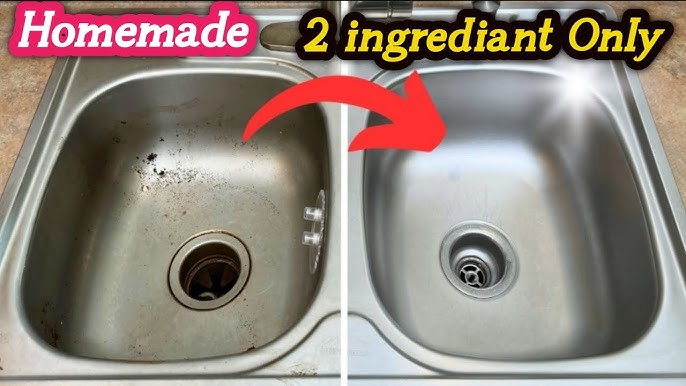
Your stainless steel sink looks great when it’s clean, but those stubborn stains can quickly ruin its shine. You might have tried scrubbing without success or used harsh chemicals that left marks behind.
What if you could restore your sink’s sparkle with simple, effective methods that you can do right now? You’ll discover easy steps to remove stains from your stainless steel sink, making it look fresh and new again. Keep reading—you’ll be amazed at how simple it is to get your sink spotless and shining like never before.
Common Stainless Steel Sink Stains
Stainless steel sinks look great but can get stained easily. Knowing the types of stains helps you clean them well.
Some stains come from water, rust, or food. Each type needs a different cleaning approach.
Water Spots And Mineral Deposits
Water spots appear from hard water drying on the sink. Minerals in the water leave white or cloudy marks.
These spots can make the sink look dull. They often build up near the faucet and drain areas.
- Use vinegar to dissolve mineral deposits.
- Apply vinegar with a soft cloth and rinse well.
- Dry the sink after cleaning to prevent new spots.
Rust And Corrosion Marks
Rust stains appear as reddish or brown spots. Corrosion can cause pitting or rough texture on the sink surface.
Rust often comes from metal tools or iron particles left in the sink. Corrosion happens if the sink is scratched or not dried properly.
- Use a paste of baking soda and water to scrub rust stains.
- Rinse and dry the sink completely after cleaning.
- Avoid harsh scrubbing pads that can scratch the surface.
Food And Beverage Stains
Food and drinks like coffee, tea, or tomato sauce can leave stains on the sink. These stains may be darker and harder to remove.
Clean these stains quickly to prevent them from setting in. Use gentle cleaners that do not damage the sink finish.
- Use mild dish soap and warm water to clean fresh stains.
- For tough stains, try a mixture of baking soda and water.
- Rinse well and dry the sink to keep it shiny.
Daily Cleaning Techniques
Keeping a stainless steel sink clean helps it look nice and last longer. Daily cleaning removes small stains and stops buildup.
Using simple tools and gentle cleaners works best. It avoids scratches and keeps the sink shiny.
Mild Soap And Warm Water
Mix mild soap with warm water for an easy cleaner. This solution removes dirt and light stains safely.
Use this mix daily to keep your sink fresh and clean. It does not harm the steel finish.
Using Soft Cloths Or Sponges
Always clean with a soft cloth or sponge. Hard scrubbers can scratch the sink surface and cause damage.
Gently wipe the sink with your cloth or sponge soaked in mild soap and water. Rinse and dry well to prevent water spots.
Natural Stain Removal Methods
Stainless steel sinks can get stains from food, water, and other substances. Using natural cleaning methods helps keep your sink safe and shiny.
These natural ways use simple ingredients found at home. They clean stains without harsh chemicals.
Baking Soda Paste
Baking soda is gentle but effective for cleaning stainless steel. Make a thick paste by mixing baking soda with water.
Apply the paste to the stained areas. Rub it gently with a soft cloth or sponge. Then rinse with warm water and dry with a towel.
- Baking soda helps scrub off stains without scratching.
- It neutralizes odors in the sink.
- Safe for daily use and eco-friendly.
Vinegar Rinse
White vinegar is a natural cleaner that breaks down mineral stains and water spots. Pour vinegar directly on the stains or use a spray bottle.
Let the vinegar sit for 5 to 10 minutes. Then wipe the sink with a soft cloth. Rinse well with water to remove vinegar smell and dry the sink.
- Vinegar helps dissolve tough stains.
- It removes hard water marks effectively.
- Safe and non-toxic for kitchen use.
Lemon Juice Application
Lemon juice has natural acids that can lift stains and brighten the sink. Cut a lemon in half and rub it on the stained spots.
Leave the juice on the sink for a few minutes, then rinse with warm water. Dry the sink to prevent water spots.
- Lemon juice helps remove rust and discoloration.
- It adds a fresh scent to the sink.
- Non-toxic and safe for daily cleaning.

Credit: www.reddit.com
Commercial Cleaners And Products
Stains on a stainless steel sink can be tough to remove. Using commercial cleaners can help restore the shine. These products target different types of stains like rust, water spots, and grime. Additionally, for more stubborn stains, a mixture of baking soda and vinegar can be effective. This natural solution not only helps to remove rust stains from sinks but also acts as a mild abrasive to scrub away grime without causing damage. Regular maintenance and prompt cleaning can also prevent stains from setting in, keeping your sink looking brand new. For those looking for a more natural approach, a mixture of baking soda and vinegar can effectively remove rust stains from sink surfaces. Additionally, gentle scrubbing with a soft cloth can help avoid scratching while providing a polished finish. Regular maintenance and cleaning will ensure that the sink remains in pristine condition over time.
Choosing the right cleaner and applying it safely ensures your sink stays damage-free. Learn which products work best and how to use them properly.
Choosing The Right Cleaner
Not all cleaners are safe for stainless steel. Pick one made for metal surfaces. Avoid anything with bleach or chlorine. These can harm the finish and cause discoloration.
- Use mild abrasive cleaners to remove tough stains.
- Try cream-based cleaners for gentle polishing.
- Look for products labeled safe for stainless steel.
- Test a small area before full use to check for damage.
Safe Application Tips
Applying cleaners correctly avoids scratches and dullness. Always follow product instructions carefully. Wear gloves to protect your skin from chemicals.
| Tip | Reason |
|---|---|
| Apply cleaner with a soft cloth | Prevents scratches on the surface |
| Rinse thoroughly with water | Removes all chemical residues |
| Dry the sink after cleaning | Stops water spots and streaks |
| Do not use steel wool | Can damage the sink finish |
Tackling Tough Stains
Stainless steel sinks look great but can get stained over time. Tough stains need special care to keep the sink shiny.
Cleaning these stains is easy with the right tools and methods. Let’s explore how to remove rust spots and hard water buildup.
Removing Rust Spots
Rust spots can appear if metal objects stay wet in the sink. To remove them, use a gentle cleaner that does not scratch the surface.
Apply baking soda paste or a stainless steel cleaner with a soft cloth. Rub the rust spots in a circular motion until they fade.
- Make a paste with baking soda and water
- Apply paste to rust spots
- Rub gently with a soft cloth
- Rinse with warm water
- Dry the sink to prevent new rust
Dealing With Hard Water Buildup
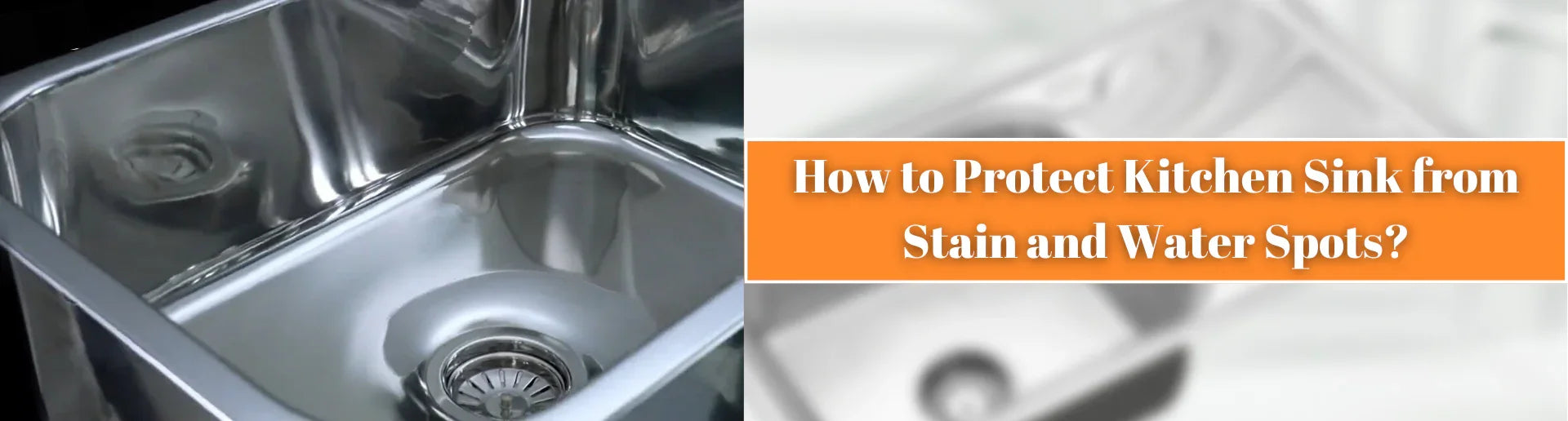
Hard water leaves white marks and buildup on stainless steel. Use vinegar to break down these deposits safely.
Soak a cloth in vinegar and place it on the buildup for a few minutes. Then wipe the area clean with a damp cloth.
- Soak a cloth in white vinegar
- Place cloth on hard water spots
- Wait 5 to 10 minutes
- Wipe the sink with the cloth
- Rinse and dry the sink after cleaning
Credit: ruheindia.com
Preventing Future Stains
Stainless steel sinks need care to stay shiny and clean. Regular habits help prevent stains and keep your sink looking new.
Avoiding harsh cleaners is also key to maintaining your sink's appearance. Let's explore how to prevent stains effectively.
Regular Maintenance Habits
Developing good cleaning habits keeps your sink spotless. A few simple steps can make a big difference in appearance.
- Rinse the sink with water after each use
- Wipe the sink with a soft cloth daily
- Dry the sink to prevent water spots
- Use a mild soap for weekly cleaning
Avoiding Harsh Chemicals
Harsh chemicals can damage stainless steel surfaces. Choose gentle cleaning options to protect your sink.
Consider using natural alternatives like vinegar or baking soda for stubborn stains. These are less abrasive and safe for your sink.
By following these tips, your stainless steel sink will remain stain-free and in excellent condition.
Tools To Make Cleaning Easier
Keeping your stainless steel sink clean can be simple. The right tools make it easier. Let's look at some helpful cleaning tools.
These tools help remove stains without scratching your sink. They keep it looking shiny and new.
Microfiber Cloths
Microfiber cloths are great for cleaning. They pick up dirt and grime easily. They also do not scratch the surface.
Use a damp microfiber cloth to wipe down the sink. It can remove stains and leave a shine.
- Soft and gentle on surfaces
- Holds water and soap well
- Reusable and washable
Non-abrasive Scrubbers
Non-abrasive scrubbers help with tougher stains. They clean without scratching the sink. These scrubbers are safe for stainless steel.
Use them with a mild cleaner to tackle hard stains. They help keep your sink spotless.
- Safe for stainless steel
- Effective on tough stains
- Easy to handle and use
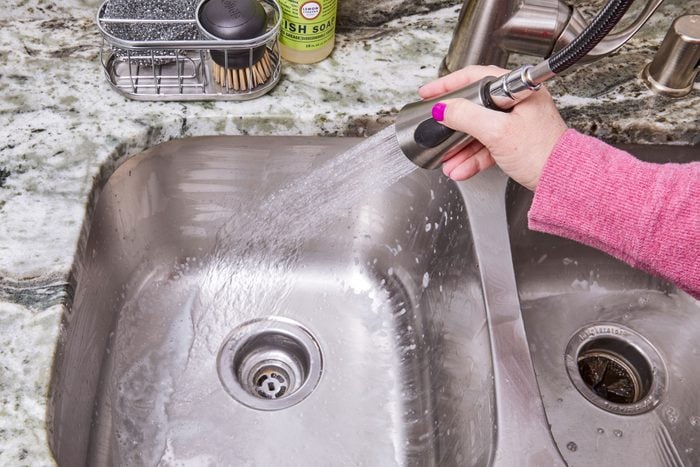
Credit: www.rd.com
Frequently Asked Questions
How Do I Remove Water Stains From Stainless Steel Sinks?
Use a mixture of vinegar and water to wipe the stains. Rinse thoroughly and dry with a soft cloth. This method effectively breaks down mineral deposits.
What Household Items Clean Stainless Steel Sink Stains?
Baking soda and white vinegar are effective. Sprinkle baking soda, scrub gently, then rinse with vinegar. This combo removes stains without scratching.
Can I Use Bleach To Clean Stainless Steel Sinks?
Avoid bleach as it can damage the finish. Instead, opt for mild cleaners or natural solutions like vinegar and baking soda for safe cleaning.
How Do I Prevent Stains On My Stainless Steel Sink?
Dry the sink after each use to prevent water spots. Regularly clean with mild soap and avoid harsh chemicals or steel wool.
Conclusion
Cleaning stains from a stainless steel sink is simple and quick. Use common household items like baking soda, vinegar, and mild soap. Gently scrub with a soft cloth or sponge to avoid scratches. Regular cleaning helps keep your sink shiny and stain-free. For tougher stains or discoloration, you might consider using a specialized stainless steel cleaner. Additionally, when cleaning rust from stainless steel, a paste made of baking soda and water can be particularly effective. Always follow up with a thorough rinse to ensure no residue remains, preserving your sink's shine and integrity. For tougher stains, create a paste with baking soda and water, applying it directly to the affected areas. Allow it to sit for a few minutes before scrubbing gently. Remember, cleaning stained stainless steel sinks regularly not only maintains their appearance but also extends their lifespan. For tougher stains, consider making a paste with baking soda and water and applying it directly to the affected areas. After scrubbing, rinse thoroughly with water and dry with a soft cloth to prevent water spots. Many resources are available online that provide step-by-step instructions on how to clean stainless steel sinks effectively.
Avoid harsh chemicals that can damage the surface. A clean sink makes your kitchen look fresh and inviting. Try these easy steps to maintain your stainless steel sink every week. You will see a big difference in its appearance and cleanliness.