
Cleaning your double hung windows can feel like a hassle, especially when they don’t tilt. You might think it’s almost impossible to reach those tricky spots without taking the whole window apart.
But what if you could make the process simple, safe, and even quick? In this guide, you’ll discover easy steps to clean your double hung windows that don’t tilt, saving you time and effort. Keep reading to learn smart tips that will leave your windows sparkling clear without the stress.
Tools You’ll Need
Cleaning double hung windows that do not tilt can be tricky. Using the right tools makes the job easier and faster.
This guide covers essential cleaning supplies and optional helpful gadgets for a thorough window cleaning.
Essential Cleaning Supplies
Start with basic cleaning supplies to remove dirt and grime from your windows. These tools are necessary for a clear finish.
- Soft microfiber cloths to avoid scratches
- Window cleaning solution or mild soap mixed with water
- Squeegee with a rubber blade for streak-free drying
- Bucket to hold your cleaning solution
- Spray bottle to apply the cleaner evenly
- Scraper or plastic razor blade for stuck debris
- Lint-free towels for final drying
Optional Helpful Gadgets
These gadgets can save time and reach difficult spots on your double hung windows. They are not required but can improve your cleaning.
- Extension pole to reach high windows safely
- Magnetic window cleaner for cleaning both sides at once
- Detailing brush for window tracks and corners
- Vacuum cleaner with a narrow nozzle for removing dust
- Spray mop designed for glass surfaces
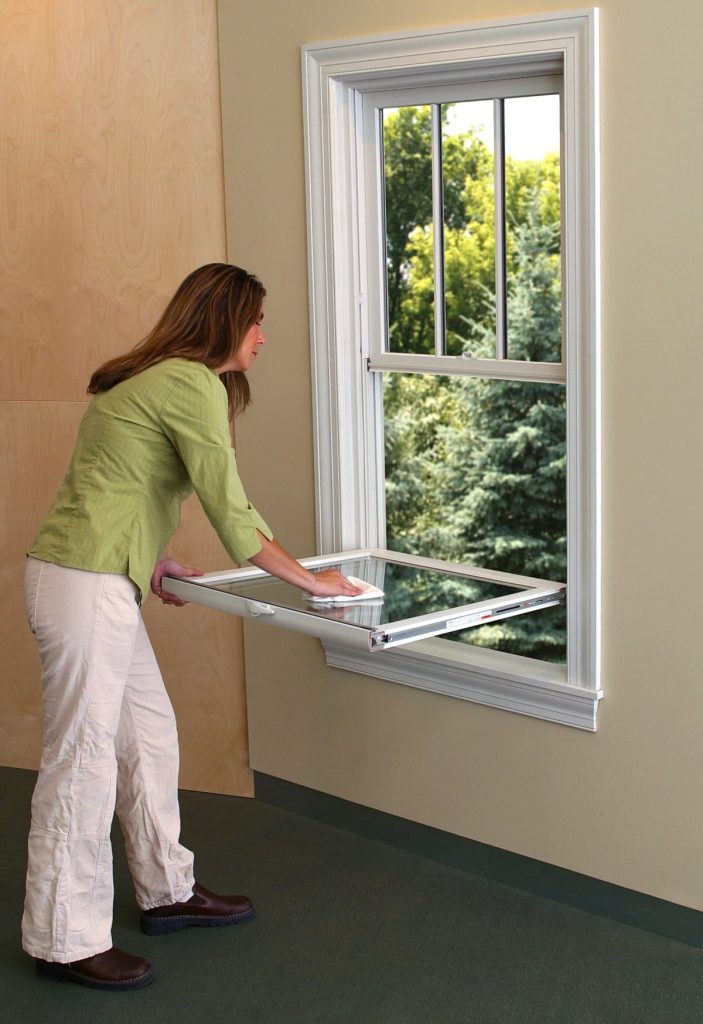
Credit: www.windowdoor.com
Prepare The Area
Cleaning double hung windows that don't tilt can be challenging. Preparing the area makes the task easier and safer.
Before you begin, ensure your surroundings are ready. This helps avoid accidents and keeps your home clean.
Clear The Window Surroundings
Remove items near the window to have enough space to work. This prevents damage to your belongings.
- Move furniture away from the window area.
- Take down curtains and blinds for easy access.
- Clear any decorative items on windowsills.
Protect Floors And Furniture
Cover your floors and furniture to prevent water damage. This step ensures your cleaning process is worry-free.
Use the following materials for protection:
- Plastic sheets:Cover the floor to avoid stains.
- Old towels:Place them on surfaces to soak up any spills.
- Drop cloths:Ideal for covering large furniture pieces.
Remove Dust And Debris
Cleaning double hung windows that do not tilt starts with removing dust and debris. Dust can build up in corners and tracks, making the window hard to open.
Removing dust helps the window work smoothly and keeps it looking clean. Use gentle tools to avoid damage.
Dry Dusting Techniques
Dry dusting removes loose dust and dirt from the window frame and glass. Use a soft cloth or microfiber duster to avoid scratches.
Start from the top and work your way down to catch falling dust. Dust both sides of the window and the sash edges carefully.
- Use a clean, dry microfiber cloth
- Wipe gently to avoid damage
- Brush corners and edges softly
- Dust window tracks and grooves
Using A Vacuum For Tight Spaces
A vacuum cleaner helps remove dust from hard-to-reach spots. Use a brush attachment for best results.
Run the vacuum slowly along the window tracks and corners. This stops dust from spreading around.
- Attach a small brush tool to the vacuum
- Clean window tracks and corners carefully
- Vacuum slowly to pick up all dust
- Empty the vacuum bag or canister after use
Clean The Window Frames
Cleaning the frames of double hung windows that do not tilt is important. Dirt and dust build up over time. This can affect how the windows open and close.
Keeping the frames clean helps the windows last longer. It also keeps your home looking neat.
Selecting The Right Cleaner
Choose a cleaner that is gentle on the window frames. Harsh chemicals can damage the paint or wood. A mild soap mixed with water works well.
Avoid cleaners with bleach or ammonia. These can cause discoloration. Test the cleaner on a small area first to see if it causes any damage.
- Mild dish soap mixed with warm water
- Specialty window frame cleaners (for wood or vinyl)
- Avoid bleach, ammonia, and abrasive cleaners
Wiping And Scrubbing Tips
Use a soft cloth or sponge to wipe the frames. Do not use steel wool or hard brushes. These can scratch the surface.
For stubborn dirt, gently scrub the frame with a soft brush. Rinse the frame with clean water after cleaning. Dry the frames with a soft cloth to prevent water spots.
- Use a soft cloth or sponge
- Scrub gently with a soft brush if needed
- Rinse with clean water
- Dry with a soft cloth to avoid spots
Wash The Glass Panels
Cleaning double hung windows that do not tilt can be tricky. You need to clean both sides of the glass carefully.
Washing the glass panels keeps your windows clear and bright. It also helps to see better through them.
Choosing Glass Cleaners
Pick a glass cleaner that removes dirt and leaves no streaks. Avoid cleaners with harsh chemicals that can damage glass.
Many natural options work well and are safe for windows. Check if the cleaner is suitable for your window type.
- Use ammonia-free glass cleaner for safety
- Try vinegar mixed with water for a natural option
- Choose cleaners labeled streak-free
- Avoid abrasive cleaners that can scratch glass
Effective Washing Methods
Start by wiping dust and dirt with a soft brush or cloth. This stops scratching the glass during washing.
Use a spray bottle to apply the glass cleaner evenly. Clean the glass with a microfiber cloth or a squeegee for best results.
- Spray cleaner on the glass panel
- Wipe with a microfiber cloth in circular motions
- Use a squeegee from top to bottom to remove cleaner
- Dry edges with a clean cloth to prevent drips
Dry And Polish Glass
Cleaning double hung windows that do not tilt can be tricky. Drying and polishing the glass is key to clear, bright windows.
Proper drying removes moisture that can leave spots. Polishing adds shine and helps prevent dirt from sticking.
Avoiding Streaks
Streaks happen when water or cleaner dries unevenly. Use small, circular motions to dry the glass evenly.
Work quickly before the cleaner dries on its own. Avoid cleaning in direct sunlight to stop fast drying and streaks.
Best Cloths And Materials
Choose soft, lint-free cloths to dry and polish the glass. Avoid rough materials that can scratch the surface.
- Microfiber cloths work well for drying and polishing
- Cotton cloths can be used if they do not leave lint
- Newspapers can polish glass but may leave ink marks
- Paper towels often leave lint and streaks, avoid if possible
Handle Hard-to-reach Spots
Cleaning double hung windows that do not tilt can be tricky. Some parts are hard to reach. You need the right tools and tips to clean them well.
Focus on areas between the sashes and corners. These spots collect dirt and dust easily. Let’s look at ways to clean these areas safely.
Using Extension Tools
Extension tools help you reach high or narrow spaces. They make cleaning easier and safer without removing the window.
- Use a microfiber cloth attached to a long handle for dusting.
- Try a sponge mop with an extendable pole for washing glass.
- Attach a small brush to a stick to scrub window corners and frames.
- Use a spray bottle with a long nozzle for applying cleaner in tight spots.
Cleaning Between Sashes
The space between the two sashes can trap dirt and grime. Clean this area carefully to keep windows working well.
| Tool | Use | Tip |
|---|---|---|
| Thin foam brush | Remove dust and cobwebs | Dip in mild soap water for better cleaning |
| Vacuum with narrow nozzle | Pick up loose debris | Use low suction to avoid damage |
| Soft cloth | Wipe surfaces dry | Use microfiber to avoid scratches |
Maintain Window Functionality
Keeping your double hung windows in good shape helps them work smoothly. Regular care stops problems before they start.
Two important tasks to focus on are lubricating moving parts and checking for damage. These keep your windows opening and closing well.
Lubricating Moving Parts
Lubrication reduces friction and prevents parts from sticking. This makes your windows easier to move and extends their life.
- Use a silicone-based spray for best results.
- Apply lubricant to the sash tracks and pulleys.
- Wipe off excess oil to avoid dirt buildup.
- Lubricate at least twice a year, especially before winter.
Checking For Damage
Inspect your windows regularly for cracks, warping, or broken parts. Damage can stop windows from working right and cause air leaks.
| Type of Damage | Signs to Look For | Action Needed |
| Cracked Glass | Visible cracks or chips | Replace glass panel |
| Warped Frame | Gaps or uneven fit | Repair or replace frame |
| Broken Locks | Locks that do not secure | Fix or replace locks |
| Worn Weatherstripping | Drafts or moisture leaks | Install new weatherstripping |
Safety Tips For Cleaning
Cleaning double hung windows that don't tilt can be tricky and sometimes risky. Safety should always come first to avoid accidents and injuries.
This guide shares important safety tips to help you clean windows safely, especially when working on upper floors or using ladders.
Working On Upper Floors
Cleaning windows on upper floors requires extra caution. Always check the area before you start to make sure it is safe and stable.
- Keep a clear space around the window to avoid tripping.
- Do not lean too far outside the window frame.
- Use safety harnesses if possible, especially on very high floors.
- Ask someone to be nearby in case you need help.
- Never clean windows during bad weather or strong winds.
Using Ladders Safely
Ladders help reach high windows, but they can be dangerous if not used properly. Follow these rules every time you use a ladder.
| Safety Tip | Why It Matters |
|---|---|
| Place the ladder on a flat, stable surface | Prevents the ladder from slipping or tipping over |
| Keep the ladder at a 75-degree angle | Ensures balance and reduces the risk of falling |
| Face the ladder when climbing up or down | Keeps you balanced and secure |
| Do not stand on the top two rungs | These rungs are unstable and unsafe |
| Wear non-slip shoes | Helps maintain good footing on the ladder |

Credit: mannleeco.com

Credit: mannleeco.com
Frequently Asked Questions
How Do I Clean Double Hung Windows That Don’t Tilt?
Use a soft cloth and mild cleaner. Clean both sides using a ladder or extendable tools. Avoid harsh chemicals to protect the frame and glass.
What Tools Are Best For Cleaning Non-tilting Double Hung Windows?
Use microfiber cloths, a soft brush, and a squeegee. An extendable cleaning pole helps reach outside panes safely and effectively.
Can I Clean Double Hung Windows Without Removing The Sashes?
Yes, clean both sides by opening the window fully. Use a ladder or long-handled tools to reach the exterior glass.
How Often Should I Clean Double Hung Windows That Don’t Tilt?
Clean windows every three to six months. More frequent cleaning may be needed in dusty or polluted areas for clear visibility.
Conclusion
Cleaning double hung windows that don’t tilt is simple with the right steps. Use basic tools like a cloth, soap, and a brush. Take your time and clean both sides carefully. Regular cleaning keeps windows clear and lets in more light.
Remember, safe methods protect your windows and yourself. Following these tips helps your home look fresh and neat. Try this easy routine and enjoy cleaner windows every time.