
Do you know where your outdoor water shut off valve is? If a pipe bursts or you need to do some garden watering repairs, finding this valve quickly can save you time and prevent costly damage.
But many homeowners don’t know where to look, and that can lead to panic when an emergency strikes. You’ll learn simple, clear steps to locate your outdoor water shut off valve fast. By the end, you’ll feel confident handling any outdoor water issues without stress.
Keep reading to protect your home and your peace of mind.
Locate Main Water Supply
Finding the outdoor water shut off valve is important for emergencies. It helps you stop water flow quickly. This guide shows where to look around your home.
Start by checking common places near your main water supply. These spots are easy to inspect and often hold the shut off valve.
Check Near The Water Meter
The water meter is the main point where water enters your property. The shut off valve is usually close by. Look for a small box or cover on the ground near the street or sidewalk.
- Find the water meter cover, often made of metal or plastic.
- Lift the cover carefully to see inside.
- Look for a valve with a handle or lever attached to pipes.
- Turn the valve to check if it stops water flow.
Look Around The Foundation
Another common spot is near your house foundation. The main shut off valve may be mounted on the outside wall or buried just below ground level close to the foundation.
| Location | What to Look For |
| Outside wall | Valve with a round or lever handle |
| Ground near foundation | Covered valve box or pipe sticking out |
| Basement or crawlspace | Valve on the main water pipe |
Inspect Outdoor Hose Bibs
Outdoor hose bibs sometimes have their own shut off valves. Check near these water outlets to find small valves that control water flow to the hose bib.
Steps to check hose bib valves:
- Locate all outdoor hose bibs on your property.
- Look for small shut off valves on the pipe leading to each bib.
- Turn the valve handle to see if it stops water.
- If found, label the valve for future use.
Credit: www.servpro.com
Identify Valve Types
Finding your outdoor water shut off valve is important. Knowing the type of valve helps you locate it faster.
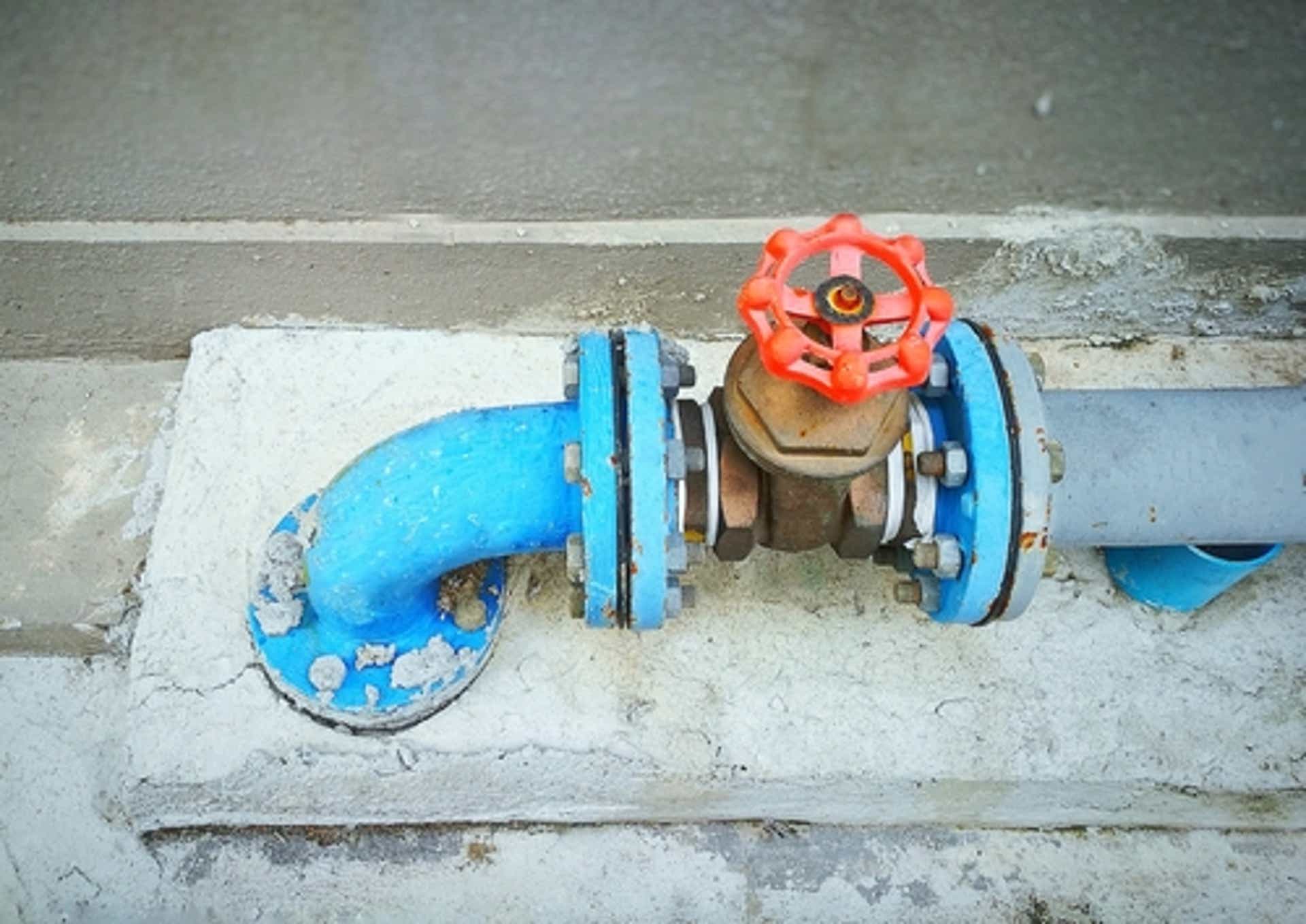
Common valve types include gate valves, ball valves, and lever handles. Each has unique features.
Gate Valves
Gate valves are often round. They control water flow by lifting a gate inside the valve.
- Turn clockwise to close
- Turn counterclockwise to open
- Common in older systems
Ball Valves
Ball valves have a lever handle. They use a ball to control water flow.
Lever Handles
Lever handles are simple to operate. They are often found on ball valves.
| Lever Material | Common Usage |
| Metal | Outdoor use |
| Plastic | Indoor use |
Use Tools And Techniques
Finding the outdoor water shut off valve can save time during emergencies. Using simple tools and techniques helps locate it faster. This guide explains easy ways to find the valve outside your home.
Try these methods with common tools you might already have. Each method gives clues to where the valve is hidden or placed on your property.
Using A Flashlight
A flashlight helps you see in dark or hidden areas outside your house. Valves are often near the foundation or close to the main water line entry point. Shine the light under bushes, near the basement wall, or in utility boxes.
- Check near the water meter box if visible
- Look along the sidewalk or driveway edges
- Inspect behind external faucets and hose bibs
- Search in small underground boxes or covers
Listening For Water Flow
You can find the shut off valve by listening carefully for water movement. When water runs, it makes a faint sound inside pipes. Follow these steps to use this technique.
- Turn off all water fixtures inside and outside the house.
- Have someone open a faucet briefly while you listen near the main water line outside.
- Move slowly along pipes and valves, listening for water flow sounds.
- Stop when you hear water running; the valve is nearby.
Consulting Property Maps
Property maps often show the water system layout, including the shut off valve location. Check your home’s blueprints or municipal records for these details. Use the table below to understand common map symbols for water shut off valves.
| Symbol | Description |
| ● | Water meter |
| ■ | Outdoor shut off valve |
| ▲ | Main water line entry |
| ⊗ | Valve box cover |

Credit: www.bwvalve.com
Common Locations For Shut Off Valves
Knowing where to find your outdoor water shut off valve can save time during emergencies. These valves control water flow to your home.
Shut off valves are usually placed in easy-to-reach spots. Some common places include basements, garages, and outside walls.
Basement Or Crawlspace
Many homes have the outdoor water shut off valve inside the basement or crawlspace. This area often holds the main water line.
Look near the foundation wall or close to where the water pipe enters your home. The valve is usually a small wheel or lever.
Garage Or Utility Room
The garage or utility room is another common spot for shut off valves. These rooms often have water pipes and meters.
Check near the water heater or water meter. The valve might be on the pipe running from the meter into your home.
Exterior Walls And Fence Lines
Sometimes the shut off valve is outside along exterior walls or near fence lines. It can be in a small box or covered by a lid.
Look for a metal or plastic box on the ground. The valve is often near where the water pipe leaves the street.
- Check near the sidewalk or driveway
- Look close to the water meter box
- Search along fences or garden edges
Safety Tips When Shutting Off Water
Finding the outdoor water shut off valve is important for emergencies or repairs. Shutting off water safely helps prevent damage and accidents.
Follow these tips to protect your home and yourself when turning off the water supply.
Turn Off Appliances
Before shutting off the water valve, turn off all water-using appliances. This stops water flow and prevents damage to machines.
Appliances like washing machines, dishwashers, and water heaters should be switched off to avoid leaks or malfunctions.
- Turn off washing machines
- Switch off dishwashers
- Shut down water heaters
Relieve Pressure
After closing the shut off valve, relieve pressure in the pipes. Open a faucet inside the house to let water drain out.
This step stops water from building up pressure, which can cause leaks or bursts in pipes.
- Turn off the main shut off valve
- Open faucets on lower floors
- Wait for water to stop flowing
Avoid Damage To Pipes
Do not force the valve if it is hard to turn. Forcing can break old or rusty pipes and valves.
Use a proper tool and turn slowly. If unsure, call a professional to prevent pipe damage.
- Use a wrench if needed
- Turn the valve slowly
- Do not force stuck valves
- Call a plumber if needed
Credit: www.diychatroom.com
When To Call A Professional
Finding the outdoor water shut off valve can be tricky. Some problems need a professional's help to avoid damage. It’s essential to familiarize yourself with the layout of your plumbing system, as this can save you time and frustration. If you're uncertain about how to locate sprinkler shut off, consulting with a professional can offer clarity and ensure it’s done correctly. Taking these steps can prevent costly repairs and ensure your landscaping receives adequate care.
This guide explains when to call a plumber for valve issues. It helps you decide if you can fix it or need expert support.
Valve Not Found
If you cannot find the outdoor water shut off valve, do not force or dig randomly. The valve might be hidden or in an unusual place.
- Look near the main water meter or where the water line enters your home.
- Check inside outdoor boxes or behind bushes carefully.
- If the valve is still missing, a professional can locate it safely.
Leaking Or Stuck Valve
A leaking or stuck valve can waste water and cause damage. Fixing these issues often requires tools and skills.
| Problem | Signs | Why Call a Professional |
|---|---|---|
| Leaking Valve | Water pooling, damp soil | Needs proper seal repair or replacement |
| Stuck Valve | Valve handle won’t turn | May require special tools and careful handling |
Complex Plumbing Systems
Some homes have complex plumbing with multiple shut off valves. It can be confusing to find the right one to turn off.
- Systems with irrigation, pools, or multiple water lines need expert knowledge.
- Incorrect valve shut off can damage pipes or cause flooding.
- A plumber can identify and operate the correct valve safely.
Frequently Asked Questions
Where Is The Outdoor Water Shut Off Valve Located?
The outdoor water shut off valve is usually near the main water supply line. Check around your home's exterior walls or basement. It may be close to the water meter or where the main pipe exits your house. Look for a small, round handle or lever.
How Can I Identify The Outdoor Water Shut Off Valve?
Look for a valve with a round or lever handle connected to a pipe. It’s often made of brass or metal. The valve usually controls water flow to outdoor faucets or irrigation systems. If unsure, trace the pipe from your outdoor spigot back toward the house.
Why Should I Know My Outdoor Water Shut Off Valve?
Knowing its location helps in emergencies like leaks or pipe bursts. It allows you to quickly stop water flow to prevent damage. It’s essential for outdoor maintenance or winterizing your home’s plumbing system. Being prepared saves time and reduces repair costs.
Can I Shut Off Outdoor Water Without Affecting Indoor Supply?
Yes, if your system has a dedicated outdoor shut off valve. This valve controls water only to outside faucets and irrigation. Turning it off leaves indoor water unaffected. If no separate valve exists, you may need to shut off the main water supply.
Conclusion
Finding the outdoor water shut off valve saves time and prevents damage. Check near your main water line, garden, or house foundation. Keep the valve clear and easy to access. Knowing its location helps during emergencies or repairs. Regularly test the valve to ensure it works well.
Taking these simple steps protects your home and yard. Stay prepared and avoid costly water problems.