
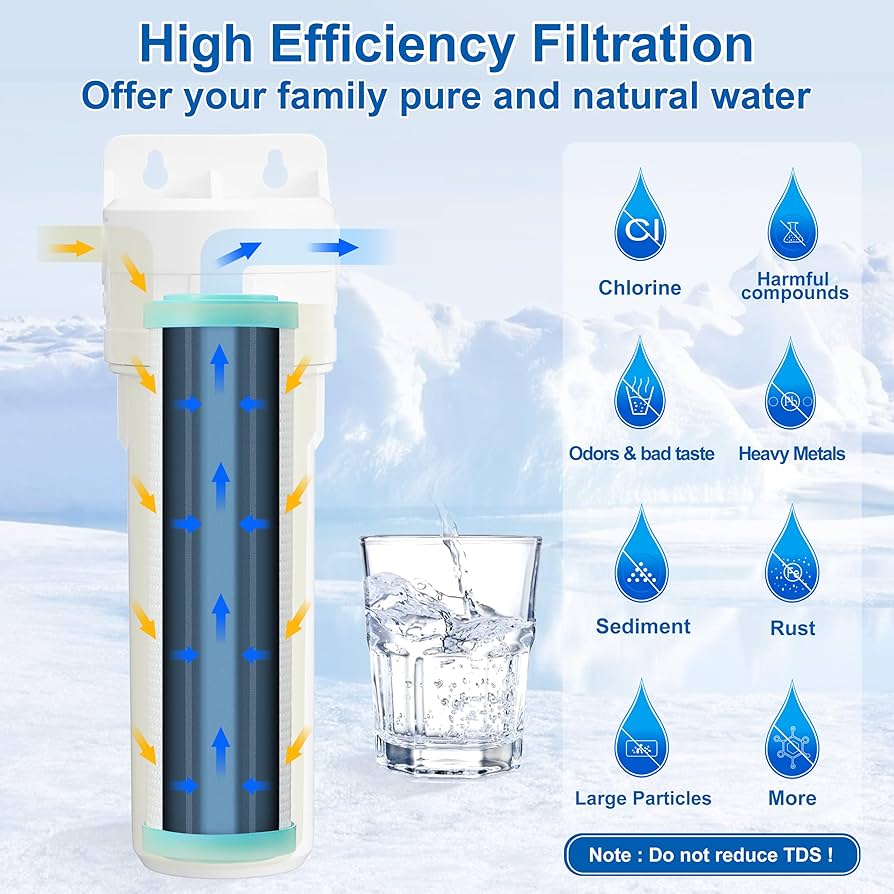
Unlock the Secrets of Clean Drinking Water: A Comprehensive Guide to Water Filter System Costs Are you tired of wondering whether the water coming out of your tap is safe to drink? Do you worry about the impact of impurities on your health and wellbeing?
You're not alone. Millions of people around the world are seeking a reliable and affordable solution to ensure their drinking water is free from contaminants. We'll cut through the confusion and provide you with a clear, unbiased answer to one of the most pressing questions: How much does a water filter system cost?
Whether you're looking to upgrade your existing system or install a new one, our comprehensive guide will help you make an informed decision that fits your budget and meets your needs. So, let's dive in and explore the various options available, from budget-friendly pitchers to high-end whole-house systems. By the end of this article, you'll have a clear understanding of the costs involved and be able to choose the best water filter system for your home and your wallet.

Credit: aquariushomeservices.com
Types Of Water Filter Systems
Water filter systems come in many types. Each system fits different needs and budgets.
Choosing the right system depends on your water quality and how much you want to spend.
Pitcher Filters
Pitcher filters are simple and easy to use. They fit in your fridge or on a table.
These filters clean water by removing chlorine and some impurities. They are low cost and need regular filter changes.
Under-sink Systems
Under-sink systems install below your kitchen sink. They connect directly to your water line.
These filters provide cleaner water for cooking and drinking. They cost more than pitcher filters but last longer.
Whole House Filters
Whole house filters clean water for your entire home. They connect to your main water supply.
These systems remove dirt, sediment, and some chemicals. They cost more but protect all water uses in your house.
Countertop Filters
Countertop filters sit on your kitchen counter. They attach to your faucet or work with gravity.
These are easy to install and maintain. They cost less than under-sink systems but filter less water at once.
Reverse Osmosis Systems
Reverse osmosis systems use a special membrane to remove many contaminants. They give very clean water.
These systems install under the sink and need a drain connection. They cost more but filter many pollutants.

Credit: www.consumerreports.org
Factors Influencing Water Filter Costs
Water filter systems come in many types and prices. Several factors affect how much they cost. Understanding these factors helps in choosing the right system for your needs.
Let's look at the main elements that influence the price of water filter systems. Each plays a role in determining how much you might spend.
Filter Technology
Different filters use different technologies. Some are basic, while others are advanced. Basic filters are usually cheaper but may not remove all impurities.
Advanced filters cost more but provide better water quality. Choose a filter based on the contaminants you need to remove.
- Carbon filters are affordable and common
- Reverse osmosis filters are more expensive
- Ultraviolet filters kill bacteria, costing more
Installation Complexity
Some water filters are easy to install. Others require professional help. Simple systems can be set up by homeowners.
Complex systems need a plumber, adding to the total cost. Consider installation needs before buying a filter.
- Faucet filters are easy to install
- Under-sink filters need more work
- Whole house filters require professional installation
Maintenance And Replacement Parts
Every filter needs maintenance. This includes replacing parts like cartridges. The cost of these parts varies by filter type.
Some filters have affordable replacement parts. Others have parts that are more expensive. Check the cost of parts before buying a system.
- Cartridge filters need regular changes
- Membranes in reverse osmosis need less frequent replacement
- Ultraviolet lamps may need annual replacement
Brand And Warranty
Brands vary in reputation and price. Well-known brands might cost more but offer better quality. Warranties also affect price.
A longer warranty can mean a higher price upfront. However, it provides peace of mind. Consider both brand and warranty when choosing a filter.
- Popular brands often offer good warranties
- Unknown brands may be cheaper but less reliable
- Long warranties can save money in the long run
Price Range By System Type
Water filter systems come in many types and prices. The cost depends on the system's size and features.
This guide breaks down prices by system type. It helps you find a system that fits your budget.
Affordable Options Under $100
These water filters are basic but effective. They usually fit on your faucet or use pitcher designs.
They remove common contaminants but may not filter very fine particles or chemicals.
- Faucet-mounted filters
- Water filter pitchers
- Countertop water filters
Mid-range Systems Between $100 And $500
Mid-range filters offer better performance and more features. They include under-sink and whole-house filters.
These systems can remove more contaminants like chlorine, lead, and sediment.
- Under-sink water filter systems
- Reverse osmosis units
- Whole-house filters (basic models)
Premium Filters Above $500
Premium water filters provide the highest water quality. They use advanced technology for deep filtration.
These systems often include multi-stage filtration and smart monitoring features.
- High-end whole-house filtration systems
- Advanced reverse osmosis systems
- UV water purification combined filters
Installation Costs Explained
Installing a water filter system involves various costs. These costs depend on the type of installation and your home's plumbing.
Understanding these costs helps you plan your budget better. Installation costs vary widely from simple setups to complex plumbing work.
Diy Vs Professional Installation
DIY installation saves money but needs some skills. Professional installation costs more but ensures proper setup.
DIY kits may cost between $0 and $100 for installation. Professionals charge from $150 to $500 depending on complexity.
- DIY: Lower cost, requires tools and time
- Professional: Higher cost, expert knowledge included
- DIY risk: Incorrect installation may cause leaks
- Professional risk: Scheduling and waiting time
Additional Plumbing Requirements
Some water filter systems need extra plumbing parts. These parts add to the total installation cost.
Adding pipes, valves, or special fittings can increase costs by $50 to $300. Homes with older plumbing may need upgrades.
- New pipes or connectors
- Shut-off valves
- Adapters for different pipe sizes
- Upgrading old plumbing components
Time And Labor Considerations
Installation time varies by system type and complexity. Simple systems take less than an hour, complex ones take several hours.
Labor costs depend on hourly rates and time needed. Most plumbers charge $50 to $100 per hour.
- Simple installations: 1 hour or less
- Complex installations: 3 to 5 hours
- Hourly labor rates: $50 to $100
- Additional costs for emergency or weekend work
Maintenance And Replacement Expenses
Owning a water filter system comes with costs beyond the initial purchase. You need to maintain the system regularly to keep it working well.
These costs include replacing parts and cleaning the system. Knowing these expenses helps you plan your budget.
Filter Cartridge Lifespan
Filter cartridges do not last forever. Most last between 3 to 6 months. The exact time depends on water quality and usage.
Changing the cartridge on time keeps the water clean and the system running smoothly.
Cost Of Replacement Filters
| Filter Type | Average Cost (USD) | Replacement Frequency |
|---|---|---|
| Carbon Filter | $20 - $50 | Every 3-6 months |
| Reverse Osmosis Membrane | $30 - $70 | Every 1-2 years |
| Ultraviolet (UV) Lamp | $40 - $90 | Every 1 year |
| Sediment Filter | $10 - $30 | Every 3-6 months |
Prices vary by brand and filter type. Buying in bulk or with a service plan can reduce costs.
Regular System Cleaning
Cleaning your water filter system helps it work better and last longer. You should clean it every 6 months.
- Flush the system with clean water
- Sanitize the storage tank and pipes
- Check for leaks or damage
- Replace worn out seals and O-rings
Cleaning can be done by yourself or a professional. Doing it yourself saves money but takes time.

Credit: www.amazon.ca
Cost Comparison: Buying Online Vs In-store
Choosing a water filter system means thinking about the price. You can buy one online or in a physical store.
Each option has different costs. Knowing these helps you pick the best choice for your budget.
Price Variations
Online prices are often lower than in stores. Sellers save money on rent and staff, so they can offer discounts.
In-store prices may be higher, but you can see and test products before buying. Some stores also have sales or bundles.
- Online prices can be up to 20% cheaper
- Stores offer in-person advice and demos
- Local taxes or fees can affect prices
Shipping And Handling Fees
Buying online often adds shipping fees. These costs depend on the seller and your location.
In stores, you pay no shipping costs. You take the product home yourself. This can save money on delivery.
- Shipping fees can range from $5 to $30
- Some online sellers offer free shipping on orders over a limit
- In-store buying has no extra delivery cost
Return Policies
Return rules vary between online and in-store purchases. Online returns may require shipping the item back.
Stores usually accept returns or exchanges directly. You can get help from staff if the product is damaged or wrong.
- Online returns may need repackaging and shipping fees
- In-store returns are often quicker and easier
- Check return time limits before buying
Budget Tips For Choosing A Water Filter
Choosing the right water filter can save money and improve water quality. Knowing what to look for helps you pick a system that fits your needs and budget.
This guide covers key points to consider before buying a water filter system. It helps you balance price, performance, and long-term costs.
Assessing Water Quality Needs
Test your water to understand what impurities it contains. Different filters target different problems like chlorine, lead, or bacteria.
- Check for hardness, chemicals, and sediments
- Use a home test kit or get a lab test
- Focus on main contaminants in your area
- Decide if you need filtration for taste or health
Balancing Cost And Performance
Choose a filter that offers good performance without overspending. Some models cost more but remove more impurities.
| Filter Type | Average Cost | Performance |
| Carbon Filter | $20 - $100 | Good for chlorine, taste |
| Reverse Osmosis | $150 - $600 | Removes many contaminants |
| UV Filter | $100 - $400 | Kills bacteria and viruses |
| Distiller | $200 - $500 | Removes almost all impurities |
Long-term Savings Considerations
Look beyond the purchase price. Consider filter replacement costs and energy use. A cheaper filter may cost more later.
- Check filter lifespan and replacement price
- Compare energy consumption if electric
- Think about water waste during filtration
- Pick a system with easy maintenance
Future Trends In Water Filter Pricing
Water filter systems are becoming more common in homes. Knowing future price trends helps buyers plan better.
Prices change due to new technology, eco-friendly choices, and market needs. These factors shape the cost of filters.
Technological Advances
New technology makes filters work better and last longer. Smart filters with sensors can track water quality.
These features may raise prices at first. Over time, costs usually go down as technology spreads.
- Improved filter materials reduce replacements
- Smart monitoring adds convenience but may increase cost
- Automation helps maintain filter efficiency
Sustainability And Eco-friendly Options
Eco-friendly filters use less plastic and energy. Many companies now focus on green materials and recycling.
These options may cost more now. Growing demand for green products can lower prices as they become popular.
- Reusable filter parts reduce waste
- Biodegradable materials help the environment
- Energy-efficient designs cut long-term costs
Market Demand Impact
More people want clean water, so demand for filters grows. This can push prices up in the short term.
Competition among brands can lower prices. Bulk buying and online sales also make filters more affordable.
- High demand may increase prices temporarily
- More brands lead to better price options
- Online shopping offers discounts and deals
Frequently Asked Questions
What Factors Affect Water Filter System Cost?
Water filter system cost depends on type, capacity, and installation complexity. Premium filters and advanced technologies increase prices. Brand reputation also influences cost. Maintenance and replacement parts add ongoing expenses. Location and labor charges impact installation fees. Understanding these factors helps estimate your total investment accurately.
How Much Does A Whole House Water Filter Cost?
Whole house water filters typically cost between $400 and $3,000. Prices vary based on filtration technology, flow rate, and system size. Installation fees can add $200 to $1,000. Higher-end models offer better filtration but come with increased costs. Budget accordingly for initial purchase and maintenance.
Are Water Filter Pitchers Cheaper Than Installed Systems?
Yes, water filter pitchers usually cost between $20 and $100. They provide basic filtration and are portable. Installed systems are costlier but offer comprehensive water purification. Pitchers require frequent filter replacements and suit small-scale needs. Choose based on water quality requirements and budget.
What Is The Average Installation Cost For Water Filters?
Installation costs range from $100 to $500 depending on system complexity. Simple under-sink units are cheaper to install than whole house systems. Labor rates vary by location and plumber expertise. Getting multiple quotes ensures a fair price. Always factor installation into your total budget.
Conclusion
Choosing a water filter system depends on your needs and budget. Prices vary from affordable to higher-end options. Think about long-term costs like filter replacements and maintenance. Clean water improves health and taste. Investing in a good filter saves money over time.
Take time to compare features and prices carefully. Clear water is worth the effort and cost.