
Are you ready to give your kitchen a sleek, modern look? Installing an undermount sink on your granite countertop can do just that.
But it might feel tricky if you’ve never done it before. Don’t worry—you can handle this project yourself with the right steps. In this guide, you’ll learn exactly how to install an undermount sink on granite, saving money and adding value to your home.
Keep reading, and by the end, you’ll feel confident to take on this upgrade with ease.
Tools And Materials Needed
Installing an undermount sink on granite requires specific tools and materials. Having them ready will make the job safer and faster.
Below are the key items needed to complete the installation correctly and securely.
Tools Required
- Adjustable wrench for tightening bolts
- Drill with diamond drill bits for granite
- Caulking gun for sealant application
- Measuring tape to check sink placement
- Level to ensure the sink is even
- Clamps to hold the sink during installation
- Screwdriver for mounting clips
- Utility knife for trimming sealant
Materials Needed
Use the right materials to protect the granite and create a strong sink bond.
| Material | Purpose |
| Silicone sealant | Seals gap between sink and granite |
| Mounting clips | Secure sink under countertop |
| Plumber’s putty | Create watertight seal around drain |
| Granite cleaner | Clean surface before installation |
| Rags or paper towels | Wipe excess sealant and clean surface |
Safety Equipment
Protect yourself during the installation with safety gear. Granite dust and tools can cause injury.
- Safety glasses to protect your eyes
- Work gloves to protect your hands
- Dust mask to avoid breathing granite dust
Preparing The Granite Countertop
Installing an undermount sink on granite requires careful preparation. Ensuring your countertop is ready is crucial for a successful installation.
Follow these steps to prepare your granite countertop and ensure the sink fits perfectly and securely.
Measuring And Marking
Accurate measurements and clear markings are essential. This ensures the sink aligns properly with the granite cutout.
- Use a measuring tape to find the center of the cabinet.
- Mark the center on the underside of the granite.
- Outline the sink's edge on the granite surface.
- Double-check all measurements for accuracy.
Cleaning The Surface
Cleaning the granite surface ensures a strong bond with the sink. Remove dust and debris to prevent future issues.
Prepare a cleaning solution using warm water and mild dish soap. Avoid harsh chemicals that may damage the granite.
- Mix a few drops of dish soap in warm water.
- Use a soft cloth or sponge to wipe down the surface.
- Rinse thoroughly with clean water and dry with a towel.
Selecting The Right Undermount Sink
Choosing the right undermount sink is important for a good installation on granite countertops. The sink must fit well and match the countertop’s strength and style.
Consider the size, material, and shape of the sink. These factors affect how the sink looks and how long it lasts.
Material Types
Undermount sinks come in several materials. Each has benefits and limits. Pick a material that matches your kitchen use and granite type.
- Stainless steel: Durable and easy to clean.
- Cast iron: Heavy but strong, with a glossy finish.
- Composite granite: Matches granite countertops, resistant to scratches.
- Fireclay: Hard and smooth, good for heavy use.
Size And Depth
Measure the countertop cutout carefully. The sink size must fit inside the cutout with space for mounting hardware. Depth matters for washing large pots.
| Sink Size | Use Case | Recommended Depth |
| Small (15-18 inches) | Light kitchen tasks | 6-7 inches |
| Medium (19-22 inches) | Regular home kitchens | 8-10 inches |
| Large (23+ inches) | Busy kitchens, big pots | 10-12 inches |
Shape And Bowl Configuration
Choose a shape that fits your countertop and use. Some sinks have one bowl, others have two or three. Think about how you wash dishes and prepare food.
- Single bowl: Good for large pots and pans.
- Double bowl: Allows multitasking, like washing and rinsing.
- Triple bowl: Offers extra space for tasks and accessories.
Mounting And Support
Granite sinks need strong support because granite is heavy. Check the sink’s mounting system and if it includes brackets or clips made for granite.
| Mounting Type | Description | Best For Granite |
|---|---|---|
| Under-mount clips | Metal clips hold sink under countertop | Yes, if properly installed |
| Epoxy adhesive | Strong glue bonds sink to granite | Yes, adds extra support |
| Combination | Clips plus epoxy for best hold | Highly recommended |

Credit: www.youtube.com
Applying The Adhesive
Installing an undermount sink on granite needs strong adhesive. It holds the sink firmly to the countertop.
Applying the right adhesive correctly keeps your sink secure and prevents leaks or damage.
Choosing The Right Adhesive
Pick an adhesive made for stone and sinks. Silicone sealants are common and safe for granite.
Use adhesives that resist water and heat. This keeps the sink stuck even with water and temperature changes.
- 100% silicone sealant works well
- Look for adhesive labeled safe for granite
- Avoid glue that can damage stone
- Choose waterproof and heat-resistant types
Proper Application Techniques
Clean the granite and sink edges before applying adhesive. Dirt stops the glue from sticking well.
Apply a steady bead of adhesive around the sink edge. Do not use too much or too little.
- Use a caulk gun for even application
- Apply adhesive in a continuous line
- Place the sink carefully on granite
- Press the sink firmly to spread adhesive
- Remove extra adhesive before it dries
Positioning The Sink
Positioning an undermount sink on granite needs care and attention. You must align the sink properly. This ensures a good fit and prevents leaks.
After aligning, secure the sink firmly. This will keep it stable and safe during use.
Aligning The Sink Correctly
Place the sink under the granite opening. Check that the sink edges are even all around. The sink should sit flush against the granite surface.
- Center the sink under the cutout area.
- Make sure the sink lip touches the underside of the granite.
- Adjust the sink so it is level and straight.
- Check that the drain aligns with the plumbing.
- Use a pencil to mark the sink position if needed.
Securing The Sink In Place
Once the sink is aligned, clamp it to the granite surface. Use sink clips or brackets made for undermount sinks.
| Tool | Purpose | Notes |
| Sink Clips | Hold sink tightly to granite | Use clips spaced evenly around sink edge |
| Silicone Sealant | Create watertight seal | Apply between sink and granite |
| Screwdriver | Tighten clips or brackets | Check clips remain secure after tightening |
| Clamps | Hold sink temporarily | Use until sealant cures |
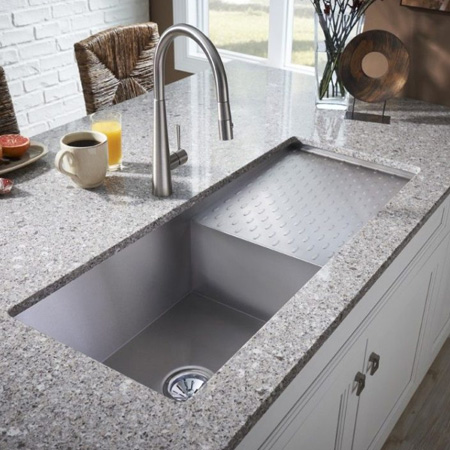
Credit: bpgranite.ca
Installing Sink Clips And Supports
Sink clips and supports keep your undermount sink firmly attached to the granite countertop. Proper installation prevents leaks and damage.
This guide explains how to position and secure clips and supports for a stable sink mount.
Gather Necessary Tools And Materials
You will need sink clips, mounting brackets, a screwdriver, silicone sealant, and a support frame if required. Make sure all parts fit your sink model.
Attach Clips To The Sink
Position the clips around the sink flange. Tighten screws until clips hold the sink securely but avoid over-tightening to prevent damage.
- Place clips evenly around the sink perimeter
- Use a screwdriver to tighten each clip
- Check clip alignment to avoid gaps
- Leave space for silicone sealant
Install Support Brackets Underneath
Support brackets add strength to the sink mount. Attach them under the granite near the sink edges. Use anchors if mounting to wood.
| Support Type | Material | Installation Tip |
| Metal Brackets | Steel or Aluminum | Use screws and anchors for secure hold |
| Wooden Frame | Pressure-treated wood | Build custom frame under sink for extra support |
| Plastic Clips | Durable plastic | Snap clips in place; avoid heavy loads |
Apply Silicone Sealant For A Tight Seal
Run a bead of silicone sealant along the sink edge where it meets the granite. This seals gaps and prevents water leaks.
Tip:Use painter’s tape to get a neat sealant line. Remove tape before sealant dries.
Sealing The Edges
Sealing the edges of an undermount sink on granite is important. It stops water from leaking under the sink. This helps keep your countertop dry and clean.
Use the right materials and tools to seal the edges well. This guide shows how to apply and smooth silicone sealant for a strong seal.
Applying Silicone Sealant
Choose a good quality silicone sealant made for kitchen use. Apply it evenly along the gap between the sink and granite.
- Cut the sealant tube tip at a 45-degree angle.
- Use a caulking gun for better control.
- Start at one corner of the sink edge.
- Move the gun steadily along the gap.
- Apply enough sealant to fill the space fully.
Smoothing The Sealant
Smoothing the sealant creates a neat finish and improves adhesion. Use a wet finger or a smoothing tool to shape the sealant.
| Tool | Purpose |
| Wet finger | Shape and smooth the sealant gently |
| Smoothing tool | Make an even and clean edge |
| Paper towel | Wipe excess sealant quickly |
Connecting Plumbing Fixtures
Connecting plumbing fixtures is a key part of installing an undermount sink on granite. Proper connection ensures no leaks and smooth water flow.
This guide covers attaching drain pipes and checking for leaks after installation.
Attaching Drain Pipes
Attach the drain pipes securely to the sink drain and the home's plumbing system. Use plumber’s putty or silicone to seal joints and prevent leaks.
- Place a rubber gasket on the drain tailpiece.
- Connect the drain tailpiece to the P-trap.
- Tighten slip nuts by hand, then use a wrench to secure.
- Apply plumber’s putty around the drain flange before attaching.
- Ensure pipes align without forcing to avoid damage.
Checking For Leaks
Check all connections for leaks after attaching the drain pipes. Turn on the water and watch for drips or moisture.
| Check Point | What to Look For | Fix If |
| Drain flange | Water seeping around the sink drain | Reapply plumber’s putty and tighten flange |
| P-trap connections | Drips at slip nuts or joints | Tighten nuts or replace worn washers |
| Water supply lines | Leaks near shutoff valves or connections | Check fittings and tighten or replace damaged parts |
Final Checks And Cleanup
After installing an undermount sink on granite, check every part carefully. Doing final checks helps avoid leaks and damage.
Cleaning up the area keeps your kitchen safe and looks good. It also helps the sink last longer.
Inspect For Leaks And Proper Seal
Turn on the water and watch under the sink closely. Look for any signs of water dripping or moisture.
Check the silicone or sealant around the sink. It should be smooth and cover all gaps.
- Run both hot and cold water
- Watch pipes and drain connections
- Feel around the seal for wet spots
- Make sure sealant is not cracked or loose
Tighten All Fasteners
Check all clips and screws holding the sink in place. They should be tight but not over-tightened.
Loose fasteners can cause the sink to move or leak. Use a screwdriver or wrench to adjust them if needed.
- Check mounting clips under the sink
- Ensure screws are secure but not stripped
- Test sink by gently pressing to confirm stability
Clean Excess Sealant And Debris
Remove extra silicone or sealant around the sink edges. Use a plastic scraper or cloth for this task.
Clear dust, granite chips, and other debris from the countertop and sink area. This keeps the surface neat and safe.
- Wipe the sink rim and granite surface
- Use a damp cloth to clean away dust and residue
- Dispose of waste materials properly
Test Drain And Water Flow
Run water in the sink to check the drain flow. Water should drain quickly without backing up.
Listen for any unusual sounds in the pipes. These might mean air pockets or loose parts.
- Fill the sink halfway with water
- Release the drain and watch water flow
- Listen for gurgling or dripping noises
- Fix any slow drains or noises immediately
Final Wipe Down And Polish
Wipe all surfaces dry using a soft cloth. This prevents water spots on the granite and sink.
Polish the granite and sink with a suitable cleaner to restore shine. Avoid harsh chemicals that damage surfaces.
- Use a granite-safe cleaner for the countertop
- Use a gentle cleaner for stainless steel or other sink materials
- Buff surfaces with a dry microfiber cloth

Credit: torva.com
Frequently Asked Questions
How Do You Prepare Granite For An Undermount Sink Installation?
Clean the granite surface thoroughly to remove dust and debris. Mark the sink outline accurately. Ensure the granite edge is smooth and even for proper sink adhesion.
What Adhesive Is Best For Granite Undermount Sinks?
Use a high-quality, waterproof silicone adhesive. It creates a strong, durable bond between the sink and granite. Make sure the adhesive is compatible with both materials.
How Do You Secure The Undermount Sink To Granite?
Apply silicone adhesive around the sink flange. Position the sink carefully under the granite. Use mounting clips or brackets to hold the sink firmly in place until the adhesive cures.
Can I Install An Undermount Sink On Granite Myself?
Yes, with proper tools and careful measurements, DIY installation is possible. Follow step-by-step instructions and use recommended adhesives for a secure fit.
Conclusion
Installing an undermount sink on granite takes patience and care. Follow each step slowly and double-check your work. Use the right tools for a strong, lasting fit. Take your time to avoid cracks or leaks. A well-installed sink adds beauty and value to your kitchen.
You can do this project with some focus and effort. Enjoy the clean look and easy cleaning that comes next. Simple steps lead to great results.