
Are you wondering how often you should add salt to your water softener? If your water softener isn’t working right, hard water problems like spots on dishes and dry skin can become a daily hassle.
Getting the salt level just right is key to keeping your system running smoothly and your home free from hard water troubles. You’ll discover exactly when and how to add salt, so you never have to guess again. Keep reading to save time, money, and frustration with your water softener.

Credit: huntersupertechs.com
Role Of Salt In Water Softeners
Salt plays a key role in water softeners. It helps remove hard minerals from water. This process protects pipes and appliances.
Adding salt to your water softener keeps it working well. Knowing how salt softens water and the types of salt used is important.
How Salt Softens Water
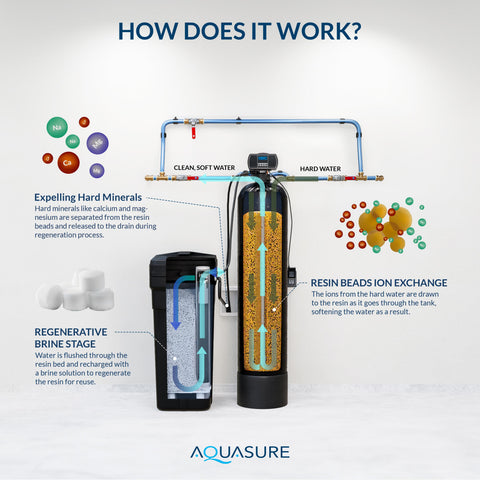
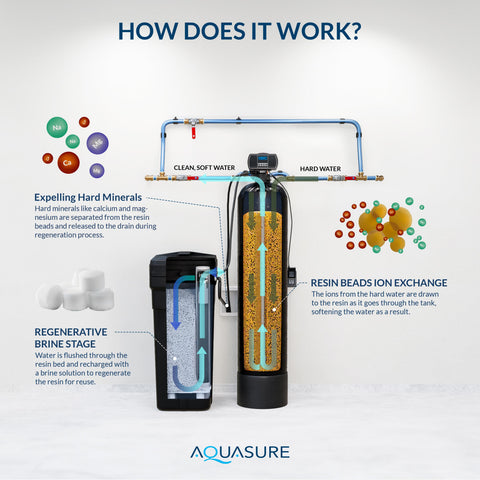
Water softeners use salt to clean hard water. Hard water has calcium and magnesium. These minerals cause buildup in pipes.
Salt helps by swapping sodium ions for the hard minerals. This process is called ion exchange. It leaves water soft and safe.
- Salt dissolves in water inside the softener tank.
- Sodium ions attach to resin beads in the softener.
- Calcium and magnesium stick to the resin beads instead.
- The hard minerals wash away during regeneration.
- Soft water flows out for use in your home.
Types Of Salt Used
There are different types of salt for water softeners. Each type works well but has unique features.
| Salt Type | Description | Common Use |
| Rock Salt | Natural salt mined from the earth | Cost-effective, may contain impurities |
| Solar Salt | Salt made by evaporating seawater | High purity, good for most softeners |
| Evaporated Salt | Highly refined salt crystals | Best for reducing residue and buildup |
Signs Salt Needs Adding
Keeping your water softener working smoothly is important. One key task is adding salt regularly.
Signs that your water softener needs more salt are easy to spot. Watch for these signals to maintain soft water at home.
Decreased Softener Performance
When the water softener is low on salt, it may not work well. You might notice hard water stains on dishes or in the shower.
This happens because the softener can't remove minerals from the water. Check the salt level to fix this issue.
- Spotting on glasses and silverware
- Clothes feeling stiff after washing
- Soap not lathering properly
Salt Level Indicators
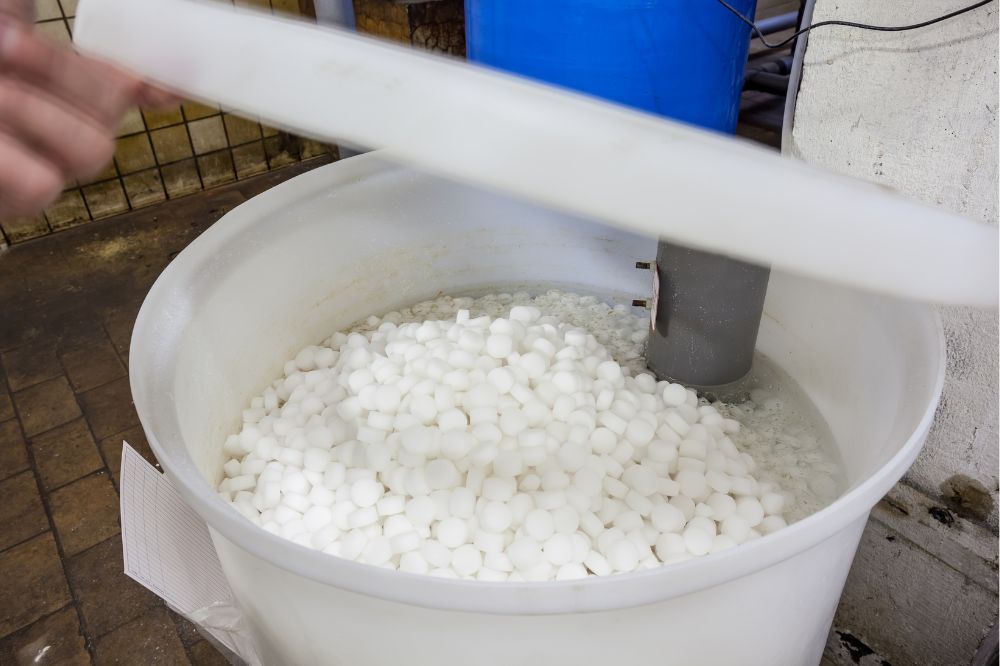
Most water softeners have a clear lid or a salt level indicator. This helps you know when it's time to add salt.
If the salt is below the halfway mark, it's time to add more. Keeping the salt level high ensures your water stays soft.
- Salt tank is less than half full
- Water level visible above the salt
- Indicator light on the softener
Factors Affecting Salt Addition Frequency
Adding salt to a water softener is important to keep it working well. The frequency of adding salt depends on a few things. These factors change how often you need to refill the salt.
Knowing these factors helps you save time and salt. It also keeps your water softener in good shape.
Water Hardness Levels
Water hardness means how much calcium and magnesium are in your water. Harder water needs more salt because the softener removes more minerals. If your water is very hard, you must add salt more often.
Soft water needs less salt since there are fewer minerals to remove. You can check your water hardness with a test kit or ask your water provider.
Household Water Usage
The amount of water your household uses affects salt use. More water means the softener works more and uses more salt. Larger families or homes with many water appliances need salt more often.
Smaller homes or low water use means adding salt less often. Tracking your daily water use helps plan salt refills.
- High water use: add salt every 2-3 weeks
- Medium water use: add salt every 4 weeks
- Low water use: add salt every 6 weeks or more
Softener Capacity
Softener capacity means how much water it can treat before adding salt again. Bigger softeners hold more salt and last longer between refills. Smaller softeners need salt more often.
Check your softener’s size and salt tank capacity. This helps you know how often to add salt based on your water use.
- Large capacity: refill salt every 4-6 weeks
- Medium capacity: refill salt every 3-4 weeks
- Small capacity: refill salt every 2-3 weeks
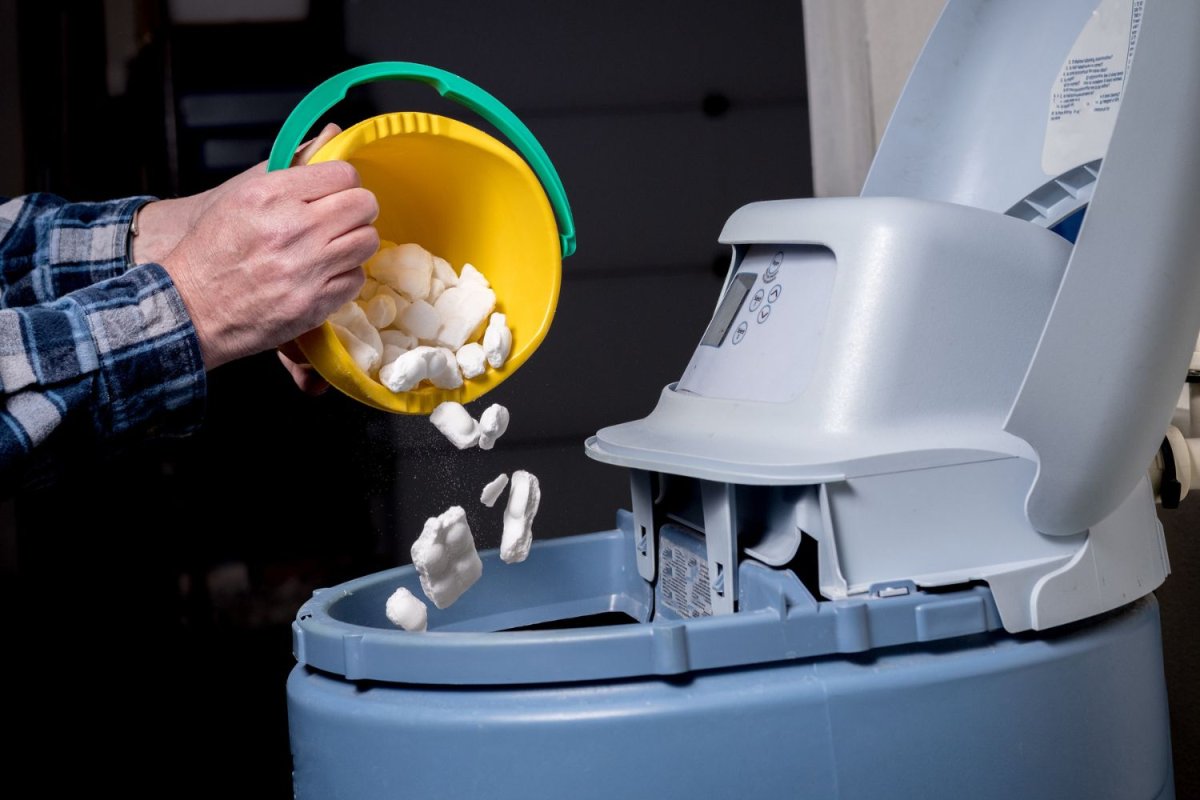
Credit: www.bobvila.com
Recommended Salt Addition Schedule
Adding salt to your water softener keeps it working well. The right schedule helps your system clean water and last longer.
Salt does not need to be added every day. The timing depends on how much water you use and your softener type.
Monthly Vs. Bi-monthly Refills
Some people add salt every month. Others do it every two months. Both ways can work well if done right.
- Monthly refills suit homes with many people or hard water.
- Bi-monthly refills fit smaller households or soft water areas.
- Check the salt level in the tank regularly to avoid running out.
- Use high-quality salt to reduce build-up and improve softener performance.
Adjusting Based On Usage
Salt use depends on how much water your home uses and how hard the water is. You may need to add salt more or less often.
| Factor | Effect on Salt Schedule |
| Household Size | Larger homes refill salt more often |
| Water Hardness | Harder water needs more salt |
| Water Usage | High water use means quicker salt depletion |
| Softener Size | Larger tanks hold more salt and refill less often |
Tips For Adding Salt Correctly
Adding salt to a water softener is key for its good work. The salt helps the system remove minerals from water. It is important to add salt in the right way and at the right time.
Knowing how to choose the right salt and avoid common problems can save you time and money. Below are some tips to help you keep your water softener working well.
Choosing The Right Salt
Not all salts work the same in water softeners. The wrong salt can cause blockages or reduce efficiency. Here are types of salt you can use:
- Rock Salt: Cheapest but may contain more impurities.
- Solar Salt: Made by evaporating seawater, cleaner than rock salt.
- Evaporated Salt: Highest purity, best for sensitive systems.
| Salt Type | Purity Level | Cost | Best Use |
| Rock Salt | Medium | Low | General use where budget is key |
| Solar Salt | High | Medium | Homes needing cleaner salt |
| Evaporated Salt | Highest | High | Systems needing high purity |
Avoiding Salt Bridges And Mushing
Salt bridges and mushing cause salt to clump or harden. This stops the softener from adding salt properly. To avoid these problems, try these tips:
- Check salt levels every month to prevent low salt.
- Break up salt clumps with a broom handle or stick.
- Use high-quality salt with fewer impurities.
- Keep the salt tank clean and dry to avoid moisture build-up.
- Refill the salt before it reaches very low levels.
Maintaining Your Water Softener
Keeping your water softener in good shape helps it work well for a long time. Regular maintenance prevents issues and keeps water soft.
One key part of maintenance is knowing how often to add salt. Salt helps the softener clean hard minerals from water.
Regular Cleaning
Cleaning your water softener regularly stops dirt and minerals from building up inside. This helps the softener work correctly and last longer.
- Turn off the water and unplug the unit before cleaning.
- Clean the brine tank to remove any residue and sludge.
- Use a soft brush or cloth to clean the tank walls.
- Check and clean the resin beads if needed.
- Rinse everything well before turning the system back on.
Checking For Salt Build-up
Salt build-up can block the water softener from working well. Check the salt level and condition often to avoid problems.
| Salt Issue | Cause | Solution |
| Salt Bridge | Hardened salt crust | Break it carefully with a broom handle |
| Salt Mushing | Wet, thick salt sludge | Remove salt and clean tank before refilling |
| Low Salt Level | Salt used up or leaks | Add salt regularly to keep it above water level |
Common Mistakes To Avoid
Adding salt to a water softener is important for its proper function. Many people make mistakes that can cause problems. Knowing what to avoid helps keep the system working well.
Two common errors are overfilling the salt tank and ignoring low salt alerts. Both can harm your water softener and reduce water quality.
Overfilling The Salt Tank
Putting too much salt in the tank can cause clogs and reduce efficiency. Salt bridges may form, stopping water from reaching the salt properly.
- Do not fill the salt tank above the recommended level.
- Leave space for salt to move freely.
- Check the tank regularly to prevent salt buildup.
- Break up any hardened salt clumps carefully.
Ignoring Low Salt Alerts
Many water softeners have alerts that warn when salt is low. Ignoring these alerts can stop the softener from working properly.
| Warning Sign | Effect |
| Low salt alert ignored | Hard water may enter your home |
| Salt runs out completely | System can get damaged or clogged |
| No salt refill for weeks | Water softener stops softening water |
Credit: azip.com
Frequently Asked Questions
How Often Should Salt Be Added To A Water Softener?
Salt should be added every 4 to 6 weeks, depending on water usage. Regular checks ensure the salt level stays above the water line for effective softening.
What Happens If I Don’t Add Salt Regularly?
Without regular salt addition, the water softener cannot regenerate properly. This leads to hard water, scale buildup, and reduced appliance efficiency.
How Do I Know When To Add Salt?
Check the salt level monthly. Add salt when it falls below half the tank to maintain optimal water softening performance.
Can I Use Any Type Of Salt In My Softener?
Use high-purity salt pellets or crystals made specifically for water softeners. Avoid rock salt, as it contains impurities that can clog the system.
Conclusion
Adding salt to your water softener keeps it working well. Check the salt level every few weeks. Fill the tank before it gets too low. Regular salt refills stop hard water problems. Clean the tank once a year for best results.
A well-maintained softener saves money and protects pipes. Simple steps make your water feel softer and cleaner. Keep an eye on salt, and your system will last longer. Easy care means better water every day.