
Are you tired of dealing with hard water problems like spots on your dishes, dry skin, or clogged pipes? Choosing the right size water softener can make all the difference.
But how do you know how many grains your water softener should have? Picking the wrong size can lead to wasted money or poor water quality. You'll discover exactly what “grain capacity” means and how to find the perfect fit for your home.
By the end, you'll feel confident about making the best choice for your water softener—and enjoy softer, cleaner water every day. Keep reading to find out how simple it really is!

Credit: www.reddit.com
Water Softener Basics
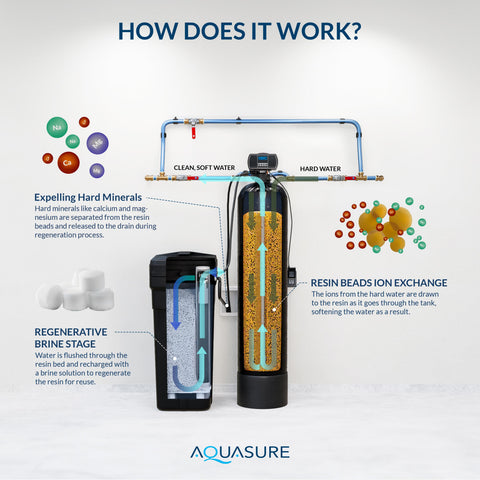
A water softener removes minerals like calcium and magnesium from hard water. These minerals cause scale buildup in pipes and appliances.
Choosing the right water softener depends on its grain capacity. This capacity shows how much hardness the system can handle.
What Are Grains In Water Softeners
Grains are units that measure hardness in water. They tell you how many mineral particles are in one gallon of water.
- One grain equals about 17.1 milligrams of hardness minerals.
- Water hardness is often shown as grains per gallon (GPG).
- Higher grain numbers mean harder water.
- Water softeners remove these grains by exchanging minerals with sodium or potassium.
Why Grain Capacity Matters
Grain capacity shows how much hardness your softener can remove before it needs recharging. It affects the size and cost of the system.
| Grain Capacity | Water Hardness Level | Typical Household Size |
| 16,000 grains | Moderate (7-10 GPG) | 1-2 people |
| 24,000 grains | Moderate to Hard (10-15 GPG) | 3-4 people |
| 32,000 grains | Hard (15-25 GPG) | 4-5 people |
| 48,000 grains | Very Hard (25+ GPG) | 5+ people |

Credit: rainfresh.ca
Factors Influencing Grain Size
Choosing the right grain size for your water softener is important. It depends on several key factors that can affect performance.
Understanding these factors helps ensure your water softener works efficiently and meets your needs. Let's explore them.
Household Water Hardness Level
Water hardness varies from place to place. It is measured in grains per gallon (GPG). The higher the GPG, the harder your water is.
If your water is very hard, you will need a larger grain capacity. This ensures the softener can handle the minerals effectively.
- Soft water: 0-3.5 GPG
- Moderate water: 3.5-7 GPG
- Hard water: 7-10.5 GPG
- Very hard water: 10.5+ GPG
Daily Water Usage
Daily water usage affects how often your softener regenerates. More water used means more frequent regeneration.
Consider your household's daily water habits. High usage may require a water softener with a higher grain capacity.
| Water Usage | Grain Capacity Needed |
| Low (under 100 gallons/day) | 24,000 grains |
| Average (100-200 gallons/day) | 32,000 grains |
| High (over 200 gallons/day) | 48,000 grains or more |
Number Of People In Home
The more people in your home, the more water is used. This affects how much grain capacity your softener needs.
Each person adds about 75 gallons of water usage per day. Plan your softener's grain size accordingly.
- 1-2 people: 24,000 grains
- 3-4 people: 32,000 grains
- 5+ people: 40,000 grains or more
Calculating Grain Capacity
Choosing the right grain capacity for your water softener is important. It helps the softener work well and last longer.
Grain capacity depends on how hard your water is and how much water you use each day. You can calculate it easily.
Measuring Water Hardness
Water hardness shows how many minerals like calcium and magnesium are in your water. It is measured in grains per gallon (gpg).
You can test water hardness using test strips or a water testing kit. Some local water suppliers also provide this information.
Estimating Daily Water Consumption
Daily water use varies by household size and habits. An average person uses about 75 gallons of water per day.
- Multiply the number of people in your home by 75 gallons
- This gives an estimate of total daily water use
- Adjust if you know your usage is higher or lower
Formula For Grain Size Calculation
Use this formula to find the grain capacity your softener needs:
Grain Capacity = Water Hardness (gpg) × Daily Water Use (gallons)
This number shows how many grains your softener should handle before regeneration. Choose a softener with this capacity or higher.
Choosing The Right Water Softener
Choosing the right water softener helps protect your pipes and appliances. It also improves water taste and quality.
One key factor is the grain capacity of the softener. This affects how much water the system can treat before needing regeneration.
Matching Grain Capacity To Needs
Grain capacity shows how many grains of hardness a softener can remove. It is important to match this to your water hardness and household size.
Choose a softener with enough capacity to handle daily water use. If it is too small, the system will regenerate often. If too large, you may pay more than needed.
- Test your water hardness in grains per gallon (GPG)
- Calculate daily water use in gallons
- Multiply to find needed grain capacity
- Pick a softener with capacity near that number
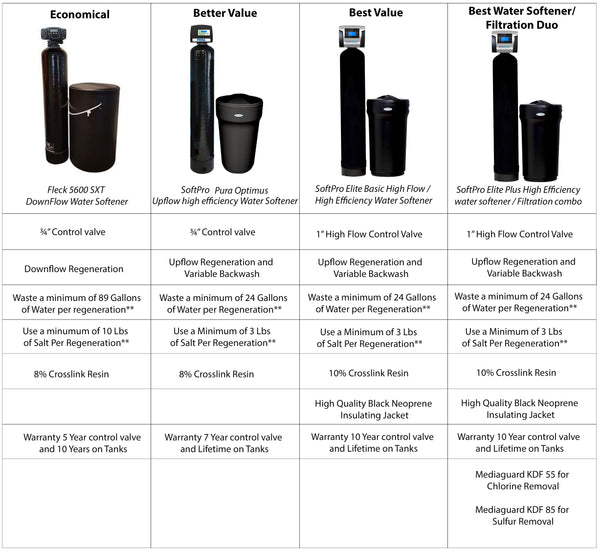
Types Of Water Softeners
There are several types of water softeners. Each uses different methods to remove hardness minerals.
Choose a type based on your budget, water quality, and maintenance preferences.
- Salt-based ion exchange softeners remove calcium and magnesium
- Salt-free conditioners prevent scale buildup without removing minerals
- Dual-tank softeners offer continuous soft water
- Magnetic or electronic devices claim to reduce scale but have mixed results
Budget Considerations
Water softeners vary in price depending on size and type. Include installation and maintenance costs in your budget.
Salt-based systems usually cost more upfront but are effective. Salt-free options cost less but may not soften water fully.
- Compare initial cost and yearly maintenance
- Check salt or filter replacement expenses
- Consider energy use if applicable
- Think about system lifespan and warranty
Signs Of Incorrect Grain Capacity
Choosing the right grain capacity for your water softener is important. It affects how well your system cleans hard water. If the capacity is wrong, you will notice some problems.
Look for signs that tell you if your softener’s grain size does not match your water needs. These signs help you fix the issue quickly.
Softener Regenerates Too Often
Your water softener should regenerate only when needed. If it runs too often, the grain capacity might be too small for your water hardness.
- Increased electricity use
- More salt is consumed
- Water flow slows during regeneration
- Shorter time between regenerations
Water Still Feels Hard
If your water still feels hard after softening, it means the grain capacity is too low. The softener cannot remove enough minerals from your water.
Check these possible reasons:
- Grain size is not enough for water hardness
- Softener is undersized for household water use
- Mineral buildup inside the system
Salt Usage And Efficiency
| Issue | What It Means | How Grain Capacity Affects It |
|---|---|---|
| High Salt Use | Softener uses more salt than normal | Too small grain capacity causes extra regeneration cycles |
| Low Efficiency | Softener does not clean water well | Grain capacity too low to handle water hardness |
| Salt Bridges | Salt hardens inside the tank | May be caused by frequent regenerations due to low grain size |
Maintaining Optimal Softener Performance
Knowing how many grains your water softener needs helps keep it working well. Regular care keeps your water soft and your system efficient.
Proper maintenance avoids hard water problems and extends your softener’s life. Testing and cleaning are key parts of this process.
Regular Testing And Adjustments
Test your water hardness often. This helps you adjust the softener’s grain capacity correctly. Incorrect settings can waste salt or leave water hard.
- Test water hardness with a reliable test kit.
- Check the softener’s grain setting on the control panel.
- Adjust grain capacity based on test results and water use.
- Record changes to track softener performance over time.
Cleaning And Upkeep Tips
Cleaning your softener regularly prevents salt build-up and resin damage. Clean parts work better and last longer.
| Maintenance Task | Frequency | Why It Matters |
| Salt Tank Cleaning | Once a year | Prevents salt bridges and mush |
| Resin Bed Cleaning | Every 2 years | Keeps resin effective |
| Brine Line Check | Every 6 months | Ensures salt water flows freely |
| System Inspection | Monthly | Finds leaks or errors early |
Advanced Tips And Troubleshooting
Knowing how many grains your water softener needs helps it work well. This guide gives tips to improve your softener’s performance. Troubleshooting common issues can save time and money.
Use this advice to decide when to upgrade your softener and avoid mistakes. A good softener means better water for your home.
When To Upgrade Your Softener
Upgrading your water softener can fix problems and improve water quality. Look for signs like frequent salt use or poor water softness. These signs mean your system may be too small or old.
- Your water hardness has increased over time.
- The softener regenerates too often or not enough.
- Water spots appear on dishes and fixtures.
- Salt bridges or mushing happen inside the brine tank.
- The system is more than 10 years old.
Upgrading to a higher grain capacity softener helps handle harder water and saves salt and water.
Common Mistakes To Avoid
Many people make mistakes that reduce their softener’s efficiency. Avoid these errors to keep your system working well.
| Common Mistake | Effect | How to Fix |
| Using wrong grain capacity | Softener regenerates too often or not enough | Test water hardness, match softener size |
| Ignoring salt bridges | Softener stops working correctly | Check brine tank monthly, break salt clumps |
| Skipping regular maintenance | Clogged valves, poor softening | Clean valves and tanks yearly |
| Overfilling salt | Wasted salt, inefficient regeneration | Fill salt to recommended level only |
| Not adjusting settings | Incorrect regeneration timing | Adjust settings based on water use and hardness |

Credit: watersoftenersizing.com
Frequently Asked Questions
How Many Grains Does A Water Softener Need?
A water softener's grain capacity depends on your water hardness and household usage. Typically, 32,000 to 64,000 grains suit most homes. Choose a capacity that matches your daily water use and hardness level for efficient softening and longer resin life.
What Size Water Softener Should I Buy?
Select a water softener size based on your home's water hardness and daily water consumption. Calculate grains per day by multiplying hardness ppm by gallons used daily. Pick a softener with a capacity slightly above this value for optimal performance.
How To Calculate Water Softener Grain Capacity?
Multiply your water hardness (in grains per gallon) by daily water use (in gallons). This gives grains used daily. Choose a softener that handles this grain capacity. This ensures efficient softening and timely regeneration cycles.
Can A Water Softener Be Too Large?
Yes, an oversized water softener wastes salt and water during regeneration. It may also cost more upfront. Choose a size matching your household needs for efficiency and savings. Proper sizing improves softener lifespan and performance.
Conclusion
Choosing the right grain size helps your water softener work well. It saves money and keeps your water clean. Think about your water use and hardness before buying. Check the softener’s capacity to match your needs. Proper sizing means less salt and fewer problems.
Take your time to decide. Your water will thank you.