
Are you curious about what type of pump a water pump really is? Whether you’re fixing a leaking pipe, setting up irrigation, or just want to understand how water moves through your home, knowing this can save you time and money.
You might think all pumps are the same, but water pumps come in different types, each designed for specific tasks. Keep reading, and you’ll discover which pump fits your needs perfectly—so you can make smarter choices and avoid costly mistakes.
Water Pump Basics
A water pump moves water from one place to another. It helps in homes, farms, and industries.
Different types of water pumps work in various ways. They all make water flow easier.
What Is A Water Pump
A water pump is a machine. It pushes or pulls water through pipes or hoses. Pumps can be electric, gas-powered, or manual.
- Pumps move water to higher places
- They help remove water from flooded areas
- Pumps supply water for irrigation and drinking
- They are used in pools, fountains, and wells
Key Functions
Water pumps have many important jobs. They keep water moving in homes and farms. They also protect buildings from water damage.
| Function | Description |
|---|---|
| Water Supply | Provides clean water to homes and businesses |
| Irrigation | Moves water to crops and gardens |
| Flood Control | Removes excess water from streets and basements |
| Heating and Cooling | Circulates water in heating and air systems |
| Waste Removal | Transports wastewater to treatment plants |
Main Pump Categories
Water pumps are essential machines that move water from one place to another. They come in various types to serve different needs.
Two primary categories of water pumps are Positive Displacement Pumps and Dynamic Pumps. Each has unique features and applications.
Positive Displacement Pumps move water by trapping a fixed amount of fluid and forcing it through the pump's discharge. This type is effective at handling viscous fluids.
- They provide a constant flow regardless of pressure.
- They are ideal for precise dosing and mixing applications.
- Common types include gear pumps, diaphragm pumps, and piston pumps.
Dynamic Pumps add energy to the water continuously, usually by using a rotating impeller. These pumps are perfect for applications needing high flow rates.
| Type | Common Uses |
| Centrifugal Pumps | Water supply, irrigation |
| Axial Flow Pumps | Flood control, aquaculture |
Positive Displacement Pumps
Positive displacement pumps move fluid by trapping a fixed amount and forcing it through the pump.
They are useful for precise flow control and can handle thick liquids well.
Gear Pumps
Gear pumps use two or more gears to move fluid. The gears turn and trap fluid between teeth.
They are simple, reliable, and good for pumping oils and fuels.
Diaphragm Pumps
Diaphragm pumps use a flexible diaphragm that moves back and forth. This action changes the pump's volume.
- Good for handling corrosive fluids
- Can pump liquids with solids
- Seal-less design reduces leaks
Piston Pumps
Piston pumps use a piston moving inside a cylinder to push fluid. The piston moves back and forth to create flow.
| Feature | Description |
| Pressure | Can generate high pressure |
| Flow Rate | Flow depends on piston speed |
| Applications | Oil, water, and hydraulic fluids |
Credit: bepowerequipment.com
Dynamic Pumps
Dynamic pumps move water by adding energy to the fluid. They work by increasing the speed of the water. This speed then changes into pressure energy.
These pumps are common in many water systems. They handle large volumes of water efficiently and quickly.
Centrifugal Pumps
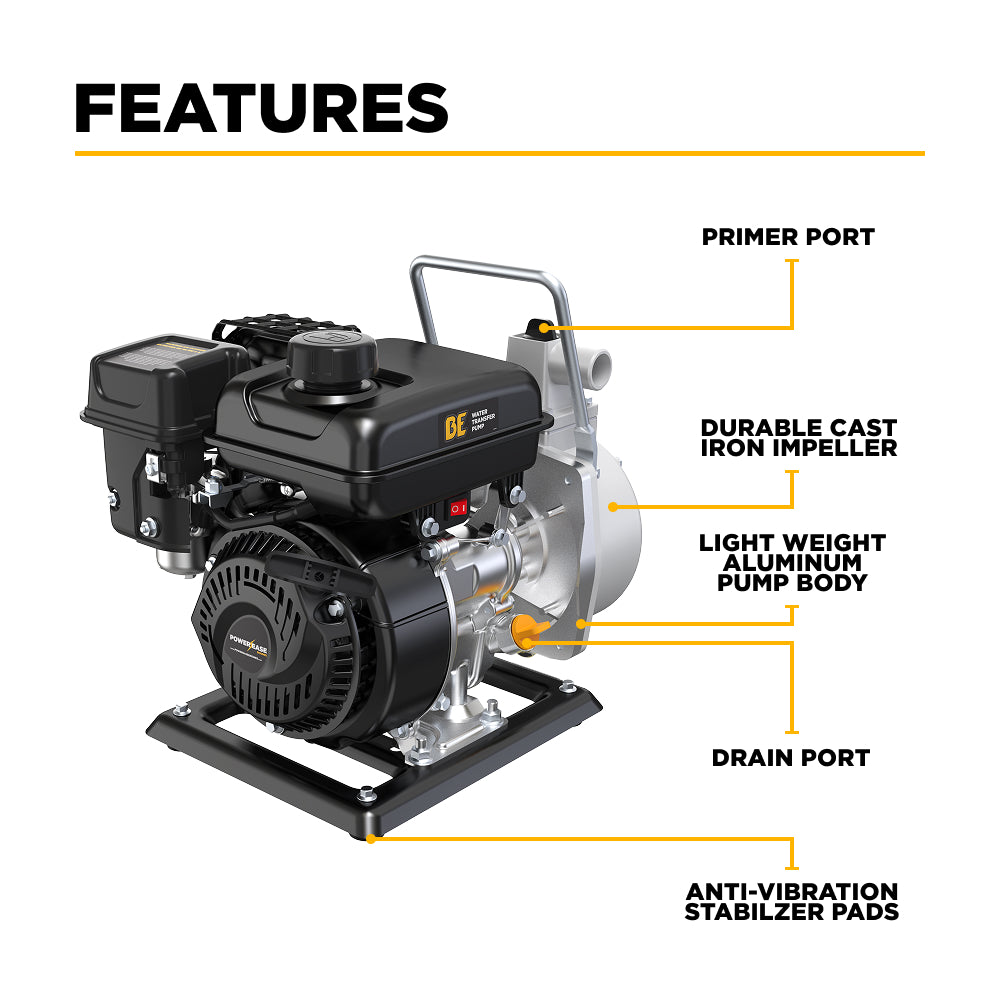
Centrifugal pumps use a spinning wheel called an impeller. The impeller pushes water outwards by spinning fast. This action increases water pressure and flow.
They are used in homes, farms, and industries. They work well with clean or slightly dirty water.
- Simple design
- Good for high flow rates
- Needs a steady water supply
Axial Flow Pumps
Axial flow pumps push water in a straight line. They use a propeller to move water along the pump axis. This creates a high flow with low pressure.
These pumps are great for moving large amounts of water. They are often used in irrigation and flood control.
- High flow, low pressure
- Uses a propeller
- Best for shallow water
Mixed Flow Pumps
Mixed flow pumps combine features of centrifugal and axial pumps. Water moves partly sideways and partly along the axis. This creates medium pressure and flow.
They work well in systems needing moderate pressure and flow rates. Common uses include water supply and drainage.
- Medium pressure and flow
- Uses both impeller and propeller
- Good for varied water conditions
Specialized Water Pumps
Water pumps come in many types. Each type serves a specific purpose. Some pumps work underwater, while others use new energy sources.
This guide explains three specialized water pumps. They include submersible pumps, jet pumps, and solar-powered pumps.
Submersible Pumps
Submersible pumps sit underwater. They push water to the surface. These pumps prevent water from flowing back down.
- Used in wells and deep water sources
- Sealed to avoid water damage
- Quiet and efficient in operation
- Good for draining flooded areas
Jet Pumps
Jet pumps work outside the water. They pull water by creating suction. These pumps use a jet of water or air to move water.
| Feature | Description |
| Location | Above ground |
| Use | Shallow wells and water tanks |
| Operation | Uses suction and pressure |
| Maintenance | Easy to access and service |
Solar-powered Pumps
Solar-powered pumps use sunlight to run. They help pump water without electricity. These pumps are good in remote places.
- No electricity cost
- Environmentally friendly
- Low maintenance needs
- Works in sunny locations

Credit: chucta.com
Choosing The Right Pump
A water pump moves water from one place to another. Picking the right type of pump is important.
Different pumps work best for different tasks. Knowing your needs helps you choose well.
Flow Rate And Pressure Needs
Flow rate means how much water the pump moves per minute. Pressure is how strong the pump pushes water.
Choose a pump that meets both flow and pressure needs. Too low means weak water flow. Too high wastes energy.
- Check how much water you need each minute
- Know the pressure required for your pipes or system
- Match pump specifications to your flow and pressure
Power Source Considerations
Water pumps need power to work. The power source affects pump choice and location.
Pumps can run on electricity, gasoline, diesel, or solar power. Pick based on availability and cost.
- Electric pumps are quiet and easy to use
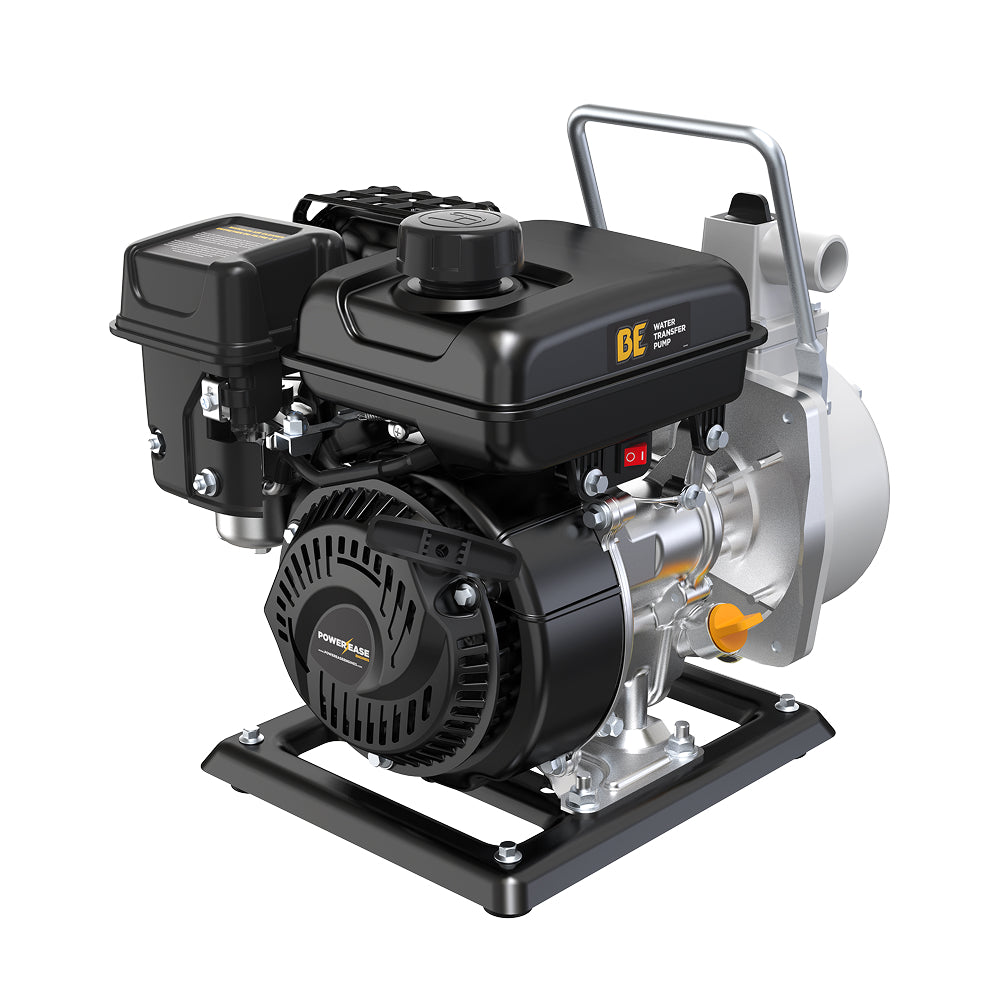
- Gas or diesel pumps work well where no electricity is available
- Solar pumps are good for remote or eco-friendly setups
Application Types
Different jobs need different pumps. Some pumps are better for irrigation, others for draining or water supply.
Choose a pump designed for your specific use to get the best results and save money.
- Irrigation pumps move water to fields and gardens
- Submersible pumps work under water to drain or supply wells
- Booster pumps increase water pressure in buildings
- Utility pumps handle general water transfer and cleanup
Maintenance Tips
Water pumps need regular care to work well. Proper maintenance helps avoid breakdowns and saves money.
Following simple tips keeps your water pump running longer and more efficiently.
Routine Checks
Check your pump often for signs of wear or damage. Look for leaks, strange noises, and loose parts. Clean filters and remove debris regularly.
- Inspect seals and gaskets for leaks
- Listen for unusual sounds during operation
- Check the motor and electrical connections
- Clean or replace filters and screens
- Ensure the pump is securely mounted
Common Issues
Water pumps face problems like overheating, clogging, and loss of pressure. These issues reduce pump life and efficiency.
| Issue | Cause | Solution |
| Overheating | Blocked vents or low oil | Clean vents, check oil level |
| Clogging | Debris in pump or pipes | Clear debris regularly |
| Leakage | Worn seals or cracks | Replace seals or damaged parts |
| Low pressure | Air in system or worn impeller | Bleed air, check impeller |
Prolonging Pump Life
Good habits extend your pump’s life. Follow a schedule for maintenance and keep records of repairs.
- Run the pump at recommended speeds only
- Store the pump in a dry place when not in use
- Use correct lubricants and change them regularly
- Replace worn parts promptly to avoid damage
- Train users on proper pump operation

Credit: www.rpswaterpumps.com
Frequently Asked Questions
What Is A Water Pump Used For?
A water pump moves water from one place to another efficiently. It is essential in homes, industries, and agriculture for supplying and circulating water.
How Many Types Of Water Pumps Exist?
There are several types of water pumps, including centrifugal, submersible, jet, and diaphragm pumps. Each serves different purposes based on water flow and pressure needs.
What Type Of Pump Is Best For Water?
Centrifugal pumps are the most common for water due to their efficiency. They handle large volumes and operate smoothly in various applications.
How Does A Water Pump Work?
A water pump uses mechanical energy to create flow. It increases water pressure, pushing it through pipes or systems for use or drainage.
Conclusion
Water pumps come in many types, each with a special job. Some move water fast, others push it high. Choosing the right pump depends on what you need. Knowing how pumps work helps you make smart choices. Pumps keep water flowing in homes, farms, and industries.
Understanding their types saves time and money. A good pump makes life easier and tasks faster. Keep these points in mind when selecting a water pump. The right pump fits your needs perfectly. Simple and clear—water pumps help us every day.