
Are you wondering if you need to add water when adding salt to your water softener? It’s a simple question, but the answer can save you time, hassle, and even protect your appliance.
If you’ve ever felt unsure about the right way to care for your water softener, you’re not alone. Getting this step right can keep your system running smoothly and your water feeling fresh. Keep reading, and you’ll learn exactly what to do—and what to avoid—when topping up salt in your water softener.
Your home’s water quality depends on it!
Salt And Water Softener Basics
Water softeners remove minerals that make water hard. These minerals cause problems like spots on dishes and dry skin.
Salt plays a key role in keeping water softeners working well. Understanding how salt and water softeners work helps you maintain your system.
How Water Softeners Work
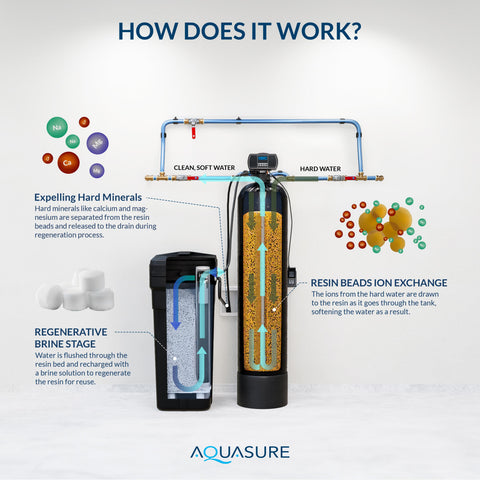
Water softeners use a process called ion exchange to clean hard water. Hard water has calcium and magnesium minerals.
The softener has resin beads that attract these minerals and remove them from the water. Then, the water feels soft and smooth.
- Hard water enters the softener
- Resin beads capture hard minerals
- Soft water flows to your home
- The resin needs to be cleaned regularly
Role Of Salt In Softeners
Salt is used to clean the resin beads inside the softener. This process is called regeneration. It helps the softener work again.
The salt mixes with water in the brine tank. This salty water flows through the resin, removing trapped minerals and refreshing the beads.
- Salt dissolves in water to make brine
- Brine cleans the resin beads
- Minerals are flushed out of the system
- The softener can capture minerals again

Credit: www.reddit.com
Adding Salt To Water Softener
A water softener helps remove minerals from water. Salt is an essential part of this process. Adding salt to your water softener is crucial for its efficiency.
Understanding the right way to add salt can improve water quality. It also ensures the softener works properly.
Choosing The Right Salt Type
Different salt types are available for water softeners. Each type has its own benefits. Choosing the right salt ensures better performance.
- Solar salt is natural and dissolves easily.
- Rock salt is cheap but may leave residues.
- Evaporated salt is pure and efficient.
Proper Salt Levels
Maintaining proper salt levels is important. Low salt can reduce the softening ability of your system. Check your salt levels regularly.
Refill the salt tank when the salt is below the halfway mark. This helps your water softener work smoothly.
Water's Role In Salt Addition
Adding salt to a water softener helps remove hard minerals from water. Salt creates a brine solution inside the softener.
Water is important because it dissolves the salt. This makes the salt work well in softening the water.
Is Extra Water Needed?
You do not need to add extra water when adding salt to a water softener. The softener tank already holds water.
This water mixes with the salt to form the brine. The system uses this brine to clean the hard minerals.
Water Quality Considerations
The quality of water affects how well the salt works. Clean water helps the salt dissolve faster.
If water has dirt or debris, it can block the softener. This reduces the salt’s ability to soften water.
- Use clean water to fill the softener tank
- Check for any dirt or particles in the water
- Keep the salt area free from contamination
Common Mistakes To Avoid
Adding salt to a water softener is simple but can go wrong. Many people do not know if they should add water with the salt. This causes problems with the softener's function.
Understanding common mistakes helps keep your water softener working well. Avoid these errors to save time and money on repairs.
Overfilling Salt
Putting too much salt in the brine tank can block the system. Overfilling stops the softener from making clean water. It also causes salt to build up in the tank bottom.
- Do not fill the salt above the tank’s fill line.
- Check salt levels monthly to keep it at the right height.
- Use the recommended salt type for your softener model.
- Break up salt clumps to avoid blockages.
Ignoring Water Levels
Water softeners need water to dissolve salt and make brine. If the water level is too low or too high, the system fails. This mistake causes salt to not dissolve correctly or overflow.
| Water Level Issue | Cause | Effect |
| Too Low | Clogged drain line or low water supply | Salt won’t dissolve well, softening stops |
| Too High | Faulty float valve or overfilling salt | Salt bridges or overflow in tank |
| Normal | Correct water and salt levels | Water softener works properly |
Maintenance Tips For Water Softeners
Water softeners need regular care to work well. Proper maintenance keeps your softener running smoothly.
One common question is if you should add water when adding salt. This guide helps you with that and other tips.
Regular Cleaning
Clean your water softener often to stop salt buildup. Salt buildup can block the system and cause problems.
Wipe the salt tank and remove any crust or dirt. Check the resin tank for dirt or damage.
- Turn off the softener before cleaning
- Use a soft brush or cloth for cleaning
- Remove salt bridges or clumps
- Rinse the brine tank with water if needed
Monitoring Salt And Water Balance
Check the salt level in the tank often. Keep the salt above the water level but do not add extra water.
Adding water is usually not needed when adding salt. The softener fills the tank with water during regeneration.
- Fill the tank with salt to about half full
- Do not add water with the salt unless the tank is empty
- Inspect the water level inside the tank monthly
- Refill salt before it drops too low

Credit: step-saver.com
Expert Recommendations
Adding salt to a water softener is important for good water quality. Many wonder if they should add water with the salt.
This guide explains the best times to add water and how to add salt correctly to your water softener.
When To Add Water
Most water softeners do not require adding water when you add salt. The brine tank usually fills with water automatically during regeneration.
You should add water only if the water level is very low or the tank is dry. This can happen if the system did not refill properly.
- Check the water level inside the brine tank before adding salt.
- Add water if the level is below the salt bed.
- Use clean water to avoid contamination.
- Do not overfill; water should cover about half the salt level.
Best Practices For Salt Addition
Use the right type of salt and add it carefully to keep your softener working well.
| Salt Type | Recommended Use |
| Pellet Salt | Easy to dissolve, low residue |
| Crystal Salt | Good for large tanks, slower dissolving |
| Block Salt | Less common, avoid if possible |
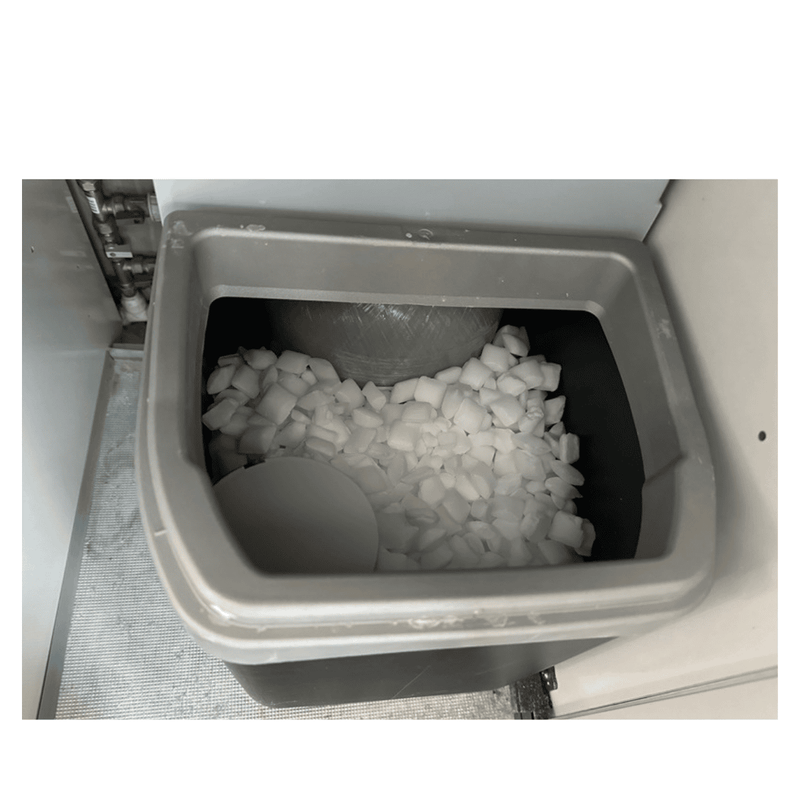
Keep the salt level above the water level to prevent salt bridging. Salt bridging stops salt from dissolving properly.
- Turn off the softener before adding salt.
- Remove the tank cover.
- Add salt slowly to avoid dust and clumping.
- Check for salt bridges and break them if needed.
- Replace the cover and turn the softener back on.
Credit: regalflow.co.uk
Frequently Asked Questions
Do You Add Water Before Adding Salt To Water Softener?
No, you generally do not add water before adding salt. Most water softeners have a brine tank that fills with water automatically. The salt dissolves in this water to create the brine solution needed for regeneration.
How Much Water Is Needed When Adding Salt To Softener?
The water level in the brine tank should cover the salt by about 1 to 2 inches. Too much water can cause salt bridging, while too little can reduce softening efficiency. The system usually manages water levels automatically.
Can Adding Water Manually Damage A Water Softener?
Manually adding water to the brine tank is not recommended. It may disrupt the system’s balance and cause salt clumping or improper regeneration. Always follow manufacturer instructions for maintenance and salt refilling.
Why Does Salt Sometimes Need Water In The Softener Tank?
Salt needs water to dissolve and form brine, which regenerates the resin beads. The system fills the brine tank with water as needed, so manual water addition is usually unnecessary.
Conclusion
Adding salt to your water softener is simple and clear. You do not need to add water when adding salt. The softener uses water already inside to dissolve the salt. Just make sure the salt level stays right for best results.
Check the salt regularly and keep the tank clean. This helps your softener work well and last longer. Follow these tips for smooth, soft water every day. Easy care means better water for you and your home.