
Are you wondering, “What should I set my water softener at?” You’re not alone. Getting the right setting can save you money, protect your pipes, and make your water feel better every day.
But with so many options and numbers to choose from, it’s easy to feel overwhelmed. You’ll discover simple tips to find the perfect setting for your home. Keep reading, and you’ll soon have softer water that works just the way you want it to.
Factors Affecting Water Softener Settings
Choosing the right setting for your water softener depends on several factors. These factors help ensure your softener works efficiently and meets your household needs.
Understanding these factors can save you money and improve water quality in your home.
Water Hardness Levels
Water hardness measures the amount of minerals like calcium and magnesium in water. The higher the hardness, the higher the softener setting should be. Testing your water can help you find the exact hardness level.
Household Water Usage
The amount of water your household uses affects the softener settings. Bigger families or homes with higher water use need a higher setting to treat all the water properly.
- Count the number of people using water daily
- Consider appliances like dishwashers and washing machines
- Estimate daily water use in gallons
Resin Tank Size
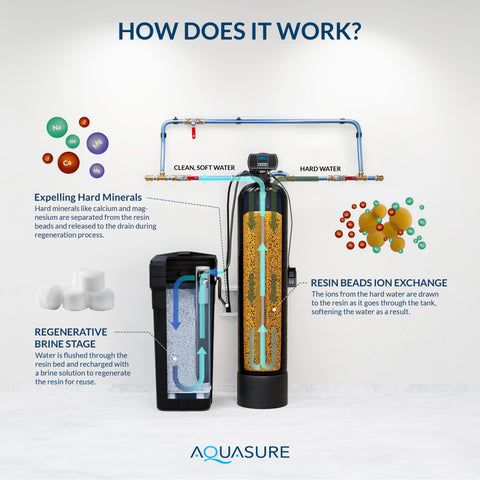
The resin tank holds the material that removes hardness minerals. Larger tanks have more resin and can treat more water before needing regeneration. Your softener setting should match the resin tank capacity.
| Resin Tank Size (cubic feet) | Typical Household Size |
| 0.5 | 1-2 people |
| 0.75 | 2-3 people |
| 1.0 | 3-5 people |
| 1.5 | 5+ people |
Salt Type And Quality
Salt helps regenerate the resin and keep the softener working well. The type and quality of salt can change how often you need to adjust your settings. High-purity salt reduces buildup and improves efficiency.
- Solar Salt: Natural and cost-effective
- Rock Salt: Less pure, may cause more buildup
- Evaporated Salt: High purity, best for efficiency
Choosing The Right Softening Level
Setting your water softener correctly is important. It ensures your water is soft enough but not too soft. This helps to keep the right balance of minerals in your water.
Understanding your water needs helps in setting the perfect softening level. Consider your home’s water usage and mineral content.
Balancing Softness And Mineral Retention
Soft water feels nice but lacks minerals. Keeping some minerals in water is good for health and taste.
Find the right balance to enjoy benefits of both soft water and healthy minerals.
- Check water softness weekly
- Test mineral levels monthly
- Adjust settings as needed
Adjusting For Seasonal Changes
Water needs change with seasons. In winter, you might need softer water due to dry skin.
In summer, more minerals might be beneficial. Adjust the softener to suit seasonal needs.
| Season | Water Needs |
| Winter | Softer water |
| Summer | More minerals |
Preventing Over-softening
Over-softened water can damage pipes and appliances. It also tastes different and might not be ideal for drinking.
Regularly check your water softener settings to prevent over-softening.
- Inspect the softener every month
- Test water hardness regularly
- Adjust settings to maintain proper levels
Calibrating Your Water Softener
Calibrating your water softener keeps it working well. It helps the system remove hard minerals from water.
Proper settings save salt and water. You get soft water without waste.
Testing Water Hardness At Home
Testing water hardness shows how much calcium and magnesium your water has. You can use test strips or kits from stores.
Dip a test strip in water and wait for color change. Match the color to the chart to see hardness level.
- Soft water has 0-3 grains per gallon (gpg)
- Moderately hard water has 4-7 gpg
- Hard water has 8-12 gpg
- Very hard water has 13+ gpg
Setting Regeneration Frequency
Regeneration cleans the softener by flushing out minerals. Set how often this happens based on water use and hardness.
Too often wastes salt and water. Too rare lets hard minerals build up. Find a balance to keep soft water steady.
- Check your daily water use in gallons
- Know your water hardness in grains per gallon
- Use these to calculate how often to regenerate
Adjusting Salt Dosage
Salt helps the softener remove minerals. Adjust salt dosage to match water hardness and regeneration frequency.
Higher salt means better softening but more waste. Lower salt saves salt but may soften less. Find the right dose for your needs.
- Use more salt for very hard water
- Use less salt for soft or moderate water
- Follow your softener’s instructions for salt settings
Credit: www.fountain-filters.co.uk
Maintaining Optimal Performance
To keep your water softener working well, regular care is important. Proper settings help your system last longer and work efficiently.
Simple maintenance tasks can prevent problems and improve water quality. Follow these tips to maintain your water softener.
Regular Salt Refills
Salt is essential for your water softener to remove hardness. Check the salt level often and refill it before it runs out.
- Keep the salt level above the water line in the brine tank.
- Use high-quality salt designed for water softeners.
- Break up salt bridges to avoid salt blockages.
- Refill salt at least once a month or as needed.
Cleaning The Resin Tank
The resin tank holds beads that soften water. Clean it yearly to remove dirt and iron buildup.
| Cleaning Step | Description |
| 1. Turn off the softener | Stop water flow to the resin tank. |
| 2. Add resin cleaner | Use a cleaner made for water softener resin. |
| 3. Run regeneration cycle | Let the system clean the resin beads. |
| 4. Check water quality | Test water to ensure softening is effective. |
Monitoring Water Softener Efficiency
Keep an eye on your system’s performance. Watch for signs like hard water spots or salty taste.
- Test water hardness regularly using test strips.
- Listen for unusual noises from the softener.
- Check for leaks around the unit.
- Track salt use to detect changes in efficiency.
Troubleshooting Common Issues
Setting your water softener correctly is important for good water quality. Sometimes, issues still arise even with proper settings. This guide helps you fix common problems with water softeners.
Below are tips for dealing with hard water spots, low water pressure, and salt bridging. Follow these steps to keep your softener working well.
Dealing With Hard Water Spots
Hard water spots appear when minerals stick on surfaces. These spots mean your water softener is not working right or needs adjustment.
- Check the hardness setting on your softener. Adjust it to match your water test results.
- Make sure the salt level is high enough. Low salt can reduce softening power.
- Clean the resin tank if you see buildup or clogs inside.
- Run a manual regeneration cycle to refresh the resin beads.
Addressing Low Water Pressure
Low water pressure can come from blockages or system issues. Finding the cause helps restore good flow.
| Cause | Solution |
| Clogged resin bed | Clean or replace resin beads |
| Salt mush or bridging | Break up salt crust in brine tank |
| Dirty or blocked valves | Inspect and clean valves |
| Faulty bypass valve | Check and repair valve |
Fixing Salt Bridging Problems
Salt bridging happens when a hard crust forms inside the brine tank. This stops salt from dissolving properly.
- Use a broom handle to gently break the salt crust in the tank.
- Remove any large chunks of salt that fall into the water.
- Keep the salt level above the water line but not too full.
- Use high-quality salt pellets to reduce bridging chances.
- Regularly check the tank for crust formation.

Credit: www.reddit.com

Credit: www.reddit.com
Frequently Asked Questions
What Is The Ideal Hardness Setting For Water Softeners?
Set your water softener to match your water hardness level. Test your water first, then adjust the softener accordingly. Typically, 7-10 grains per gallon is ideal for most households.
How Often Should I Adjust My Water Softener Settings?
Adjust settings only when water hardness changes or efficiency drops. Regular testing every 6-12 months helps maintain optimal softening and saves salt and water.
Can Setting Water Softener Too Low Cause Problems?
Yes, too low settings cause hard water buildup and damage appliances. It also wastes salt and energy, reducing softener effectiveness and lifespan.
Should I Change Settings For Different Seasons?
Seasonal changes usually don’t affect hardness significantly. Only adjust if you notice water hardness or taste changes during specific seasons.
Conclusion
Setting your water softener correctly saves money and protects your home. Test your water hardness to find the right level. Most systems work well between 7 and 10 grains per gallon. Adjust settings based on your water use and taste.
Regular checks keep your softener running smoothly. Clean water means softer skin, cleaner dishes, and less scale. Keep it simple and follow the manual for best results. Proper settings help your softener last longer and work better. Take time to set it right; your home will thank you.