
You rely on your Zero Water filter to give you clean, great-tasting water every day. But do you ever wonder how often you should change that filter?
Using a filter past its prime can affect the taste of your water and even your health. If you want to keep your water pure and your filter working at its best, it’s important to know the right time to replace it.
You’ll discover simple signs to watch for and expert tips to make sure your Zero Water filter is always doing its job perfectly. Keep reading to find out how to protect your water—and yourself.
Signs To Replace Your Zero Water Filter
Knowing when to change your Zero Water filter helps keep your water clean and fresh. Filters lose efficiency over time and need replacement.
Look for clear signs that your filter is no longer working well. These signs include taste changes, slower water flow, and TDS meter readings.
Taste And Odor Changes
If your water tastes odd or has an unusual smell, it may be time to replace the filter. Clean filters keep water tasting fresh and odor-free.
- Water tastes flat or stale
- Unpleasant or chemical odor
- Water has a strange aftertaste
Water Flow Rate Drops
A slower flow from the dispenser can mean the filter is clogged. Overused filters block water and reduce flow speed.
Check your water flow regularly. If it takes much longer to fill a glass, consider changing the filter soon.
Tds Meter Readings
The Total Dissolved Solids (TDS) meter shows how well the filter removes impurities. Rising TDS numbers mean the filter is less effective.
| TDS Reading | Filter Status |
| 0 - 20 ppm | Filter working well |
| 21 - 50 ppm | Filter starting to wear out |
| Above 50 ppm | Time to replace filter |
Factors Affecting Filter Lifespan
Zero Water filters clean your water, but they do not last forever. Many factors influence how often you need to change them. Understanding these factors can help you get the most from your filter.
Different elements like water quality, how often you use the filter, and the type of filter you have can change the filter's lifespan.
Water Quality Variations
Water quality affects how long your filter will work. If your water has more impurities, the filter will need to be changed more often.
Areas with hard water or lots of sediments may require more frequent filter changes. This can help keep your water clean and safe.
- High impurity levels shorten filter life
- Hard water increases filter use
- Frequent changes needed in sediment-rich areas
Usage Frequency
How often you use your filter also matters. If you use it every day, you will need to change it sooner.
People who use their filters less will not need to change them as often. Keep track of your usage to know when a change is needed.
- Daily use means faster wear
- Less frequent use extends filter life
- Track usage to plan changes
Filter Model Differences
Different filter models have different lifespans. Some are designed to last longer than others.
Check the specifications of your filter model to know when it needs replacing. This information helps you plan better.
- Models vary in lifespan
- Check specs for accurate lifespan
- Plan replacements based on model type
Recommended Replacement Intervals
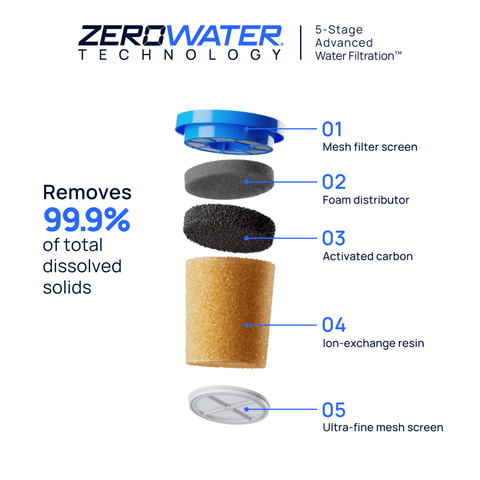
Changing your Zero Water filter on time keeps your water clean and safe. The filter removes many impurities from water, but it can get full.
Replacing the filter regularly keeps it working well. How often you change it depends on some key points.
Manufacturer Guidelines
Zero Water gives clear instructions on when to change the filter. They suggest replacing it once the filter meter shows a certain reading.
The meter measures total dissolved solids (TDS) in your water. When the TDS level rises above 006, it means the filter is used up.
- Replace filter when meter reads above 006 TDS
- Follow the instructions in the user manual
- Use only genuine Zero Water replacement filters
Average Time Frames
Most Zero Water filters last between 2 to 6 months. This depends on how much water you use each day.
If you use the filter for a family, it may need changing closer to 2 months. For one person, it can last up to 6 months.
- Small household: about 4 to 6 months
- Medium household: about 3 to 4 months
- Large household: about 2 to 3 months
Adjusting Based On Usage
Some users need to change filters more often. Heavy water use or poor water quality can shorten filter life.
Check the filter meter regularly. If water tastes different or the meter shows high TDS, change the filter sooner.
- Test water with the Zero Water meter weekly
- Replace filter if TDS rises above 006 anytime
- Change filter sooner if water taste or smell changes

Credit: www.amazon.ca
How To Check Your Filter Status
Knowing when to change your Zero Water filter helps keep your water clean. There are easy ways to check the filter condition.
This guide covers how to use a TDS meter and visual checks for your filter status.
Using The Tds Meter
A TDS meter measures the total dissolved solids in your water. It shows how well the filter is working.
- Fill a glass with filtered water from your Zero Water pitcher.
- Turn on the TDS meter and dip it in the water.
- Wait for the reading to stabilize and note the number.
- Compare the number to the meter’s scale for filter life.
- If the reading is above 006, it means the filter needs replacing.
Visual Inspection Tips
Look at your filter for signs of wear or clogging. Clean filters look white and fresh.
| Visual Sign | What It Means |
|---|---|
| Dark spots or stains | Filter is dirty and may not work well |
| Cracks or damage | Filter is broken and must be replaced |
| Slow water flow | Filter is clogged and needs changing |
| White and clean surface | Filter is still good to use |
Steps To Change Your Zero Water Filter
Changing your Zero Water filter regularly keeps your water clean and fresh. It is important to follow the correct steps to replace the filter safely.
Below are simple instructions to help you remove the old filter, install the new one, and flush it properly before use.
Removing The Old Filter
First, remove the old filter from your Zero Water pitcher or dispenser. Make sure your hands are clean before you start.
- Take the pitcher apart by removing the lid.
- Grip the old filter firmly and pull it straight out.
- Dispose of the old filter according to local guidelines.
Installing The New Filter
After removing the old filter, place the new filter into the pitcher. Make sure it fits securely in the filter slot.
- Remove any packaging from the new filter.
- Align the filter with the pitcher’s filter holder.
- Push the filter down until it clicks into place.
- Replace the lid on the pitcher.
Flushing The New Filter
Flushing the new filter removes any loose particles and prepares it for use. Follow these steps to flush your filter correctly.
| Action | Details |
| Fill | Fill the pitcher with cold tap water up to the max fill line. |
| Pour Out | Pour out the first full pitcher of filtered water. |
| Repeat | Fill and pour out water two more times to complete flushing. |
Consequences Of Delaying Filter Replacement
Changing your Zero Water filter on time keeps your water clean and safe. Delaying this can cause problems.
Old filters do not work well and can harm your health and your water dispenser.
Reduced Water Quality
A dirty filter lets more impurities stay in the water. This makes water taste bad and look cloudy.
The filter loses its ability to remove chemicals, metals, and particles over time.
- Water may have a strange smell
- Taste can become unpleasant
- Particles may be visible in the water
Potential Health Risks
Old filters can let harmful bacteria and chemicals pass through. Drinking this water can cause sickness.
Delaying filter change raises the risk of stomach problems and other health issues.
- Bacteria growth inside the filter
- Increased chemical exposure
- Possible digestive problems
Damage To Water Dispenser
Old filters can clog and strain the water dispenser. This can cause leaks or break the machine.
Replacing filters on time helps keep the dispenser working well and lasts longer.
- Clogged filters reduce water flow
- Extra pressure can damage dispenser parts
- Leaking or malfunctioning dispenser
Maximizing Filter Life
Changing your Zero Water filter at the right time keeps water clean and fresh. You can make the filter last longer by caring for it well.
Knowing how to store, maintain, and avoid damage helps you get the most from your filter.
Proper Storage
Store your filter in a cool, dry place when not in use. Keep it away from direct sunlight and heat.
Do not leave the filter sitting in water for a long time. This can cause mold or bacteria to grow.
- Keep the filter sealed until use
- Store it upright to avoid damage
- Avoid places with strong odors
Regular Maintenance
Clean the water pitcher and filter housing regularly. This stops dirt from clogging the filter.
Check the filter meter often to know when it needs changing. Replace the filter as soon as the meter shows low quality.
- Rinse the pitcher weekly with mild soap
- Wipe filter housing to remove residue
- Watch the TDS meter for filter life
Avoiding Contaminants
Use clean water for your Zero Water filter. Avoid water with large particles or chemicals that can harm the filter.
Do not pour hot water into the filter. Heat can damage filter components and reduce its life.
- Use only cold tap water or filtered water
- Avoid water with heavy metals or chemicals
- Keep pets and debris away from the filter

Credit: www.reddit.com
Cost Considerations And Savings
Changing your Zero Water filter regularly is important for clean water. Understanding the cost helps you save money.
This guide explains how filter pricing works and how to balance cost with quality.
Filter Pricing Overview
Zero Water filters come in different prices depending on size and type. Standard filters cost less but need changing more often.
Higher priced filters last longer but may have a bigger upfront cost. Check prices before buying.
- Standard filters: lower price, shorter life
- Long-life filters: higher price, longer life
- Replacement packs: often cheaper per filter
When To Buy In Bulk
Buying filters in bulk can reduce the cost per filter. This is useful if you change filters often.
Bulk buying saves money but needs space to store extra filters. Plan your purchases according to your filter use.
- Save more by buying multi-packs
- Store filters in a cool, dry place
- Check expiration dates before buying bulk
Balancing Cost And Quality
Choose filters that fit your budget and water needs. Cheaper filters may save money but change more often.
Higher quality filters cost more but last longer and clean water better. Find a balance that works for you.
- Consider how often you use the filter
- Check water quality and filter lifespan
- Buy filters that meet your budget and needs

Credit: www.zerowater.com
Frequently Asked Questions
How Often Should I Replace My Zerowater Filter?
Replace your ZeroWater filter every 2 to 3 months. Usage and water quality affect its lifespan. Monitor the TDS meter regularly for accurate timing.
What Signs Indicate A Zerowater Filter Needs Changing?
If water tastes odd or flow slows, change the filter. A high TDS reading on the meter also signals replacement time.
Can I Extend The Zerowater Filter Lifespan?
You can extend it slightly by pre-filtering water. However, using it beyond recommended limits reduces effectiveness and may harm health.
Does Water Quality Affect Zerowater Filter Change Frequency?
Yes, higher contaminants in water shorten filter life. Hard or tap water requires more frequent replacements compared to soft or purified water.
Conclusion
Changing your Zero Water filter regularly keeps your water clean and safe. Check the TDS meter often to know when to replace it. Usually, filters last about 2 to 3 months. Using the filter too long can affect taste and quality.
Clean water helps your health and improves flavor. Stay attentive to your filter’s condition. This simple habit saves you from unwanted chemicals. Water tastes better, and you feel better. Keep your filter fresh for the best results. Simple care makes a big difference every day.