
Have you ever wondered what could go wrong if your pressure regulator valve stops working? This small but vital component controls the pressure in your system, keeping everything running smoothly and safely.
When it fails, the consequences can be surprising—and costly. You’ll discover exactly what happens when a pressure regulator valve fails, how it affects your equipment, and what signs you should watch for to avoid damage. Keep reading to protect your system and save yourself from unexpected headaches.
Role Of Pressure Regulator Valves
Pressure regulator valves control the pressure of liquids or gases in a system. They keep the pressure steady and safe for equipment and users.
If a pressure regulator valve fails, the system pressure can rise or fall unexpectedly. This can cause damage or unsafe conditions.
How Pressure Regulators Work
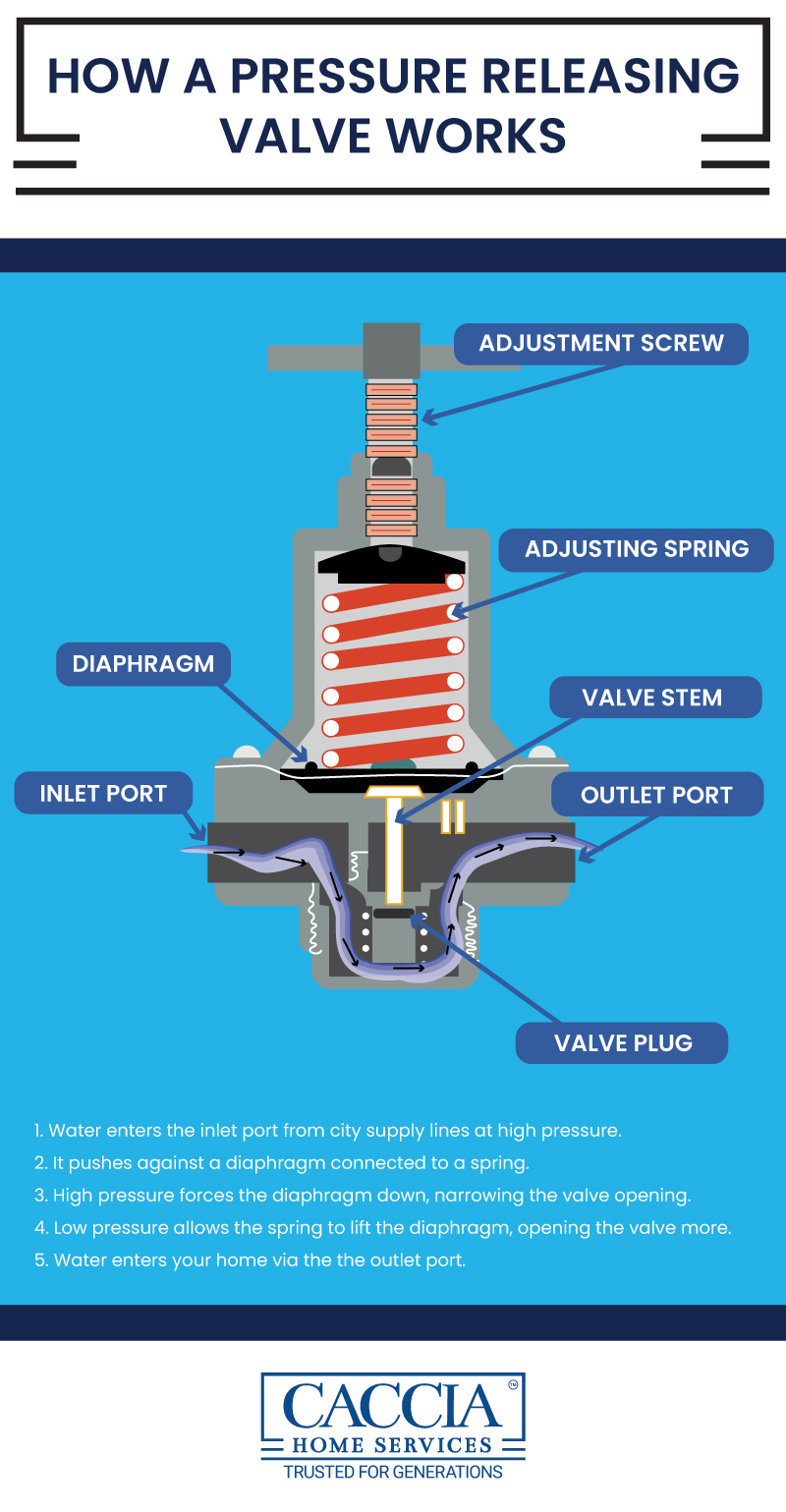
Pressure regulators reduce the pressure from a high-pressure source to a lower, stable output pressure. They use a spring and a diaphragm to adjust the flow.
- High-pressure fluid enters the valve.
- The diaphragm senses the output pressure.
- The spring pushes against the diaphragm to open or close the valve.
- The valve adjusts to keep output pressure steady.
Common Applications
Pressure regulator valves are used in many places to protect systems and maintain proper pressure.
| Application | Purpose |
| Gas pipelines | Control gas pressure to homes |
| Water supply | Keep water pressure safe for pipes |
| Industrial machines | Maintain pressure for proper operation |
| Medical devices | Regulate oxygen or other gases |

Credit: en.wikipedia.org
Signs Of Pressure Regulator Failure
Pressure regulator valves control the flow and pressure of fluids. When they fail, systems can act strangely. Spotting early signs helps prevent bigger problems.
Below are key signs that show a pressure regulator valve may be failing. Watch for these issues in your system.
Pressure Fluctuations
One common sign of failure is unstable pressure. The valve may not keep pressure steady, causing spikes or drops. These changes can harm equipment and reduce efficiency.
- Pressure readings jump up and down rapidly
- Pressure is higher or lower than the set level
- Pressure does not adjust smoothly during operation
Leaks And Noises
Leaks around the valve or strange sounds often mean trouble. These signs suggest the valve parts may be worn or damaged.
| Sign | What It Means |
| Hissing noise | Gas or fluid escaping |
| Drips or puddles | Seal or connection failure |
| Rattling sounds | Loose internal parts |
System Performance Issues
When the valve fails, the whole system may slow down or stop working properly. Machines may overheat or stop moving as expected.
Check these common system problems linked to regulator failure:
- Reduced output or slower cycles
- Unexpected machine shutdowns
- Overheating or excessive wear on parts
Risks Of A Failed Pressure Regulator
Pressure regulator valves control fluid or gas pressure in systems. If they fail, it can cause serious problems.
Failing pressure regulators can lead to equipment damage, safety hazards, and operational downtime.
Equipment Damage
A failed pressure regulator can let pressure rise too high or drop too low. This harms machines and pipes.
High pressure can cause leaks, cracks, or bursts. Low pressure may stop equipment from working right.
- Overpressure can break seals and valves
- Extreme pressure changes wear out parts fast
- Incorrect pressure reduces machine lifespan
Safety Hazards
Pressure regulator failure can create dangerous conditions for workers. It can cause explosions or toxic leaks.
Unsafe pressure levels may lead to fires, equipment bursts, or harmful gas releases. This risks injury or death.
- Risk of explosions from high pressure
- Leaks of hazardous fluids or gases
- Possible fire hazards in certain environments
Operational Downtime
When a pressure regulator fails, machines often must stop to fix the issue. This delays work and production.
Downtime can cause missed deadlines and lost money. Repairing or replacing parts takes time and effort.
- Unexpected shutdowns halt operations
- Repair costs increase overall expenses
- Delays affect project schedules and profits

Credit: ivalvecraft.com
Causes Of Pressure Regulator Failure
Pressure regulator valves are important in many systems. They control fluid or gas flow to ensure safety and efficiency. When they fail, it can lead to serious issues.
Understanding the causes of failure can help in preventing problems. Here are some common reasons why pressure regulator valves might fail.
Wear And Tear
All machines and parts wear out over time. Pressure regulator valves are no exception. Constant use leads to gradual damage.
Parts can become weak or break, causing the valve to fail. Regular maintenance is key to spotting wear early.
- Check valves regularly for signs of damage
- Replace worn parts promptly
- Maintain a regular service schedule
Contamination
Contaminants like dirt or debris can enter the valve. This blocks the flow and can damage the valve's internal parts.
Clean systems reduce the risk of contamination. Filters can help keep the valve working well.
- Install filters to catch debris
- Inspect and clean filters regularly
- Ensure system cleanliness during maintenance
Improper Installation
Incorrect installation can cause valve failure. If the valve is not set up right, it may not function properly.
Following the manufacturer's instructions is crucial. Proper setup ensures the valve works as it should.
- Follow installation guidelines carefully
- Use the correct tools for installation
- Seek expert help if unsure
Preventive Maintenance Tips
Pressure regulator valves control fluid pressure in many systems. Keeping them in good shape avoids failures. Regular care helps the valve work longer and safer.
Here are key tips to maintain pressure regulator valves. Follow these to prevent issues and costly repairs.
Regular Inspections
Check the valve often for signs of wear or damage. Look for leaks, cracks, or rust. Early detection stops problems from growing.
- Inspect seals and gaskets for leaks.
- Check for unusual noises or vibrations.
- Monitor pressure readings for changes.
- Look for physical damage on the valve body.
Cleaning Procedures
Clean the valve to remove dirt and debris. Dirt can clog the valve and cause it to fail. Use proper tools and cleaning agents safe for the valve materials.
| Cleaning Step | Details |
|---|---|
| Shut Down System | Turn off pressure and isolate the valve. |
| Disassemble Valve | Follow manufacturer instructions carefully. |
| Use Soft Brush | Remove dirt without damaging parts. |
| Apply Cleaning Solution | Use mild solvent safe for valve materials. |
| Rinse & Dry | Remove residue and dry completely before reassembly. |
| Reassemble & Test | Put valve back together and check function. |
Timely Replacements
Replace worn parts or the entire valve before failure occurs. Parts like seals and springs wear out over time. Timely replacement keeps the system safe and efficient.
- Track valve operating hours and cycles.
- Replace seals and gaskets every year or as needed.
- Change springs if pressure fluctuates abnormally.
- Swap out valves showing repeated issues.
- Keep spare parts ready to reduce downtime.

Credit: ivalvecraft.com
Solutions For Pressure Regulator Issues
Pressure regulator valves control the pressure in pipes and machines. When they fail, it can cause safety risks and equipment damage. Fixing these problems quickly is important to keep systems running smoothly.
This guide explains ways to solve pressure regulator issues. It covers repair and replacement, upgrading to better models, and hiring professionals for service.
Repair Vs Replacement
Deciding to repair or replace a pressure regulator depends on the problem's severity and the valve's age. Small leaks or blockages may be fixed by repair. But worn-out parts might need full replacement.
- Repair is faster and costs less for minor issues.
- Replacement is safer for old or badly damaged valves.
- Regular inspection helps decide the best choice.
Upgrading To Advanced Models
New pressure regulators offer better control and longer life. Upgrading can improve safety and reduce maintenance needs. Advanced models often include features that prevent common failures.
| Feature | Benefit |
| Improved materials | Resist corrosion and wear |
| Built-in safety valves | Prevent pressure spikes |
| Easy adjustment | Maintain correct pressure levels |
Professional Servicing
Experts can diagnose and fix pressure regulator problems effectively. They use special tools and knowledge to ensure valves work safely. Regular professional checks extend valve life and prevent failures.
Professional servicing includes:
- Cleaning and lubricating valve parts
- Replacing worn seals and springs
- Testing pressure accuracy and safety
- Recommending upgrades if needed
Choosing The Right Pressure Regulator
A pressure regulator valve controls fluid or gas pressure in a system. Picking the right valve keeps your system safe and working well.
If the valve fails, it can cause damage or stop the system. Choosing the right pressure regulator helps avoid these problems.
Matching Specifications
Choose a pressure regulator that matches your system's pressure and flow needs. Check the maximum input and output pressure ratings.
Make sure the valve fits your pipe size and connection type. Using the wrong size can cause leaks or poor control.
- Verify maximum input pressure
- Confirm output pressure range
- Match pipe size and connection type
- Check flow rate capacity
Material Considerations
The valve material must handle the fluid or gas type and temperature. Some materials resist corrosion better than others.
Common materials include brass, stainless steel, and plastic. Choose based on your system’s environment and fluid compatibility.
- Brass suits water and air systems
- Stainless steel works with corrosive fluids
- Plastic fits low-pressure and non-corrosive use
- Consider temperature limits of materials
Brand Reliability
Choose a pressure regulator from a brand known for quality. Reliable brands offer better durability and support.
Check reviews and product warranties. A trusted brand reduces the risk of valve failure and system downtime.
- Look for brands with good customer feedback
- Check warranty terms and service options
- Choose brands with clear product specifications
- Consider availability of replacement parts
Frequently Asked Questions
What Causes A Pressure Regulator Valve To Fail?
Pressure regulator valves fail due to wear, corrosion, debris buildup, or improper installation. Regular maintenance prevents most failures. Extreme pressure fluctuations also contribute to valve damage.
How Do I Know If My Pressure Regulator Valve Failed?
Signs include inconsistent pressure, leaks, unusual noises, and system malfunctions. Monitoring pressure gauges helps detect valve failure early. Immediate inspection is necessary to avoid damage.
What Are The Risks Of A Failed Pressure Regulator Valve?
A failed valve can cause overpressure, equipment damage, leaks, and safety hazards. It may also lead to system downtime and costly repairs. Timely replacement ensures operational safety.
Can A Pressure Regulator Valve Be Repaired Or Replaced?
Minor issues can be repaired, but severe damage requires replacement. Always consult a professional for accurate diagnosis. Proper repair restores functionality and prevents future failures.
Conclusion
A pressure regulator valve failure can cause serious problems. Pipes may burst or machines can stop working. This can lead to costly repairs and downtime. Regular checks help catch issues early. Fixing or replacing a faulty valve keeps systems safe.
It also saves money and prevents accidents. Stay alert to unusual sounds or pressure changes. Taking care of your equipment protects your work and safety. Don’t ignore small signs—they often warn of bigger troubles ahead.