
Are you wondering how many bags of salt you need for your water softener? Getting this right is important.
Too little salt means your softener won’t work well. Too much, and you could waste money and create extra maintenance. You’ll discover exactly how to figure out the right amount of salt for your system. By the end, you’ll know how to keep your water softener running smoothly without any guesswork.
Keep reading to save time, money, and hassle.
Why Salt Matters In Water Softeners
Salt plays a key role in water softeners. It helps remove hard minerals from water.
Using the right amount and type of salt keeps your water softener working well.
Role Of Salt In Softening Process
Salt helps clean the resin beads inside the water softener. These beads trap hard minerals like calcium and magnesium.
When salt dissolves in water, it creates a brine solution. This brine helps the beads release the hard minerals, so the softener can work again.
- Salt creates brine for regeneration
- Brine cleans resin beads
- Beads trap hard minerals from water
- Soft water flows out after regeneration
Types Of Salt Used
Different salts work in water softeners. Choosing the right salt helps the system last longer.
| Type of Salt | Description | Common Form |
|---|---|---|
| Rock Salt | Natural salt with some impurities | Large crystals |
| Solar Salt | Made by evaporating seawater | Small crystals or pellets |
| Evaporated Salt | Purest form, highly refined | Fine pellets |

Credit: www.compassminerals.com
Factors Influencing Salt Usage
Determining how much salt you need for a water softener depends on several factors. These factors impact the efficiency and effectiveness of your softener.
Understanding these elements helps you maintain the system properly and ensures your water is always soft.
Water Hardness Levels
Water hardness refers to the amount of calcium and magnesium in the water. Harder water requires more salt to soften.
- Soft: 0-60 mg/L
- Moderately Hard: 61-120 mg/L
- Hard: 121-180 mg/L
- Very Hard: Over 180 mg/L
Household Water Consumption
The amount of water your household uses influences the salt needed. More water usage means more frequent regeneration cycles.
| Household Size | Average Water Usage (Gallons/Day) |
| 1-2 people | 80-100 |
| 3-4 people | 150-200 |
| 5+ people | 250+ |
Softener Capacity
Different softeners have various capacities for salt storage and water softening. Knowing your system's capacity helps determine the salt needed.
Estimating Salt Requirements
Water softeners need salt to work well. The right salt amount depends on your water’s hardness and softener size. Estimating salt helps save money and keeps softener efficient.
Use clear methods to figure out how many salt bags your softener needs. This guide covers key ways to estimate salt needs.
Calculating Based On Hardness
Water hardness shows how many minerals are in your water. You need more salt for harder water. Test your water hardness first. It is usually measured in grains per gallon (gpg).
- Check your water hardness level.
- Know your softener’s capacity in grains.
- Calculate salt needed based on grains removed.
- Estimate salt bags by dividing total salt weight by bag size.
Using Softener Manufacturer Guidelines
Manufacturers give salt use instructions. These help you know how much salt to add each time. Follow these guidelines to avoid overuse or underuse of salt.
| Softener Size (Grains) | Salt per Regeneration (Pounds) | Salt Bags Needed per Month (Based on 40 lb Bags) |
|---|---|---|
| 24,000 | 10 | 2.5 |
| 32,000 | 12 | 3 |
| 48,000 | 18 | 4.5 |
Adjusting For Efficiency
Salt use can change if your softener is more or less efficient. Adjust salt amount based on how well your system works. Clean your softener regularly to keep salt use low.
- Monitor your softener’s salt consumption monthly.
- Reduce salt if water softness stays good.
- Increase salt if water hardness returns.
- Use high-quality salt for better efficiency.
Common Salt Bag Sizes And Quantities
Water softeners need salt to work well. The amount of salt used depends on the system size and water hardness. Salt comes in bags of different sizes for easy use and storage.
Knowing common bag sizes helps you plan how many bags to buy and how often to add salt to your softener.
Standard Bag Weights
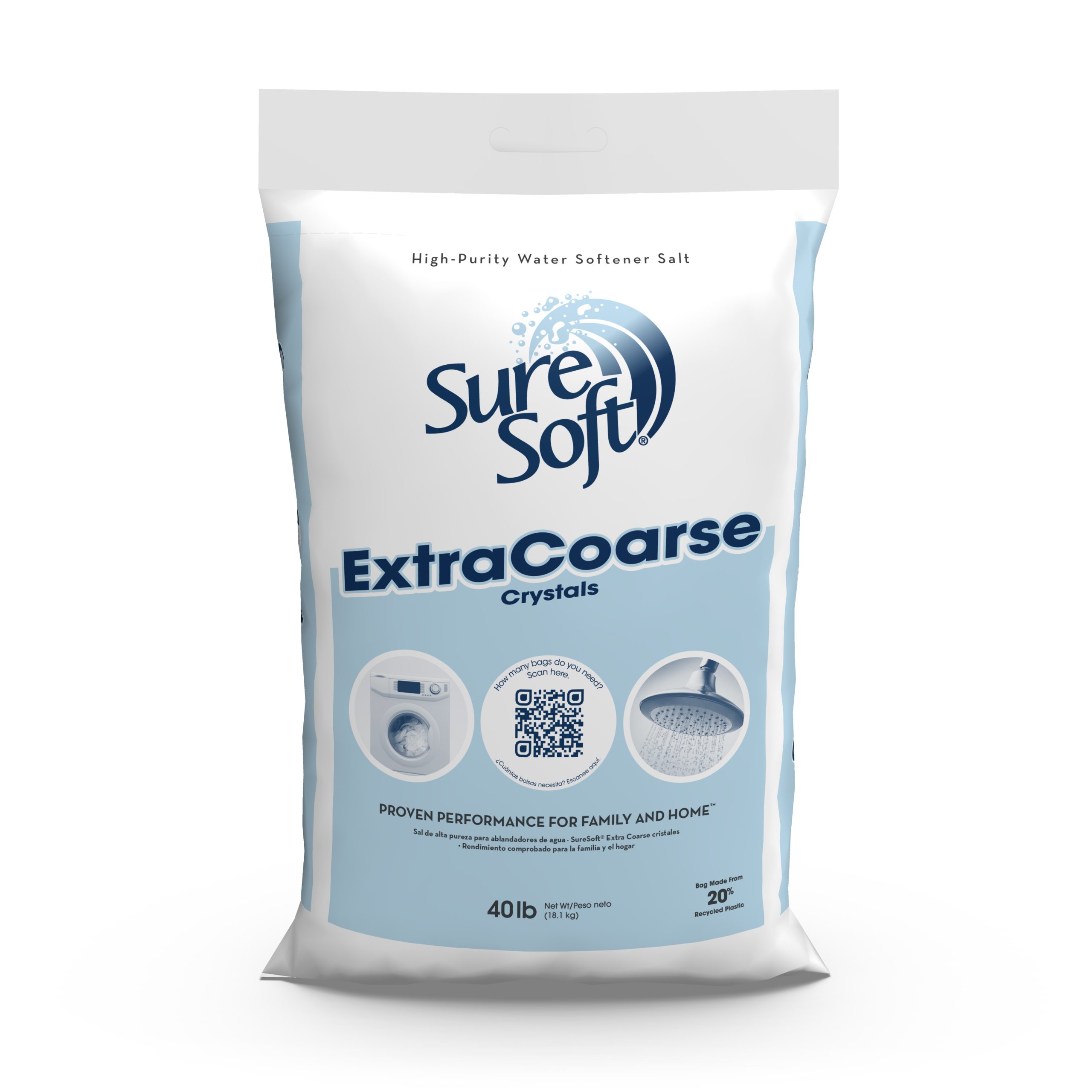
Salt bags for water softeners usually come in standard weights. The most common sizes are 40 pounds and 50 pounds. Some bags can be smaller or larger, but these sizes are typical.
- 40-pound bags are easy to carry and store.
- 50-pound bags offer more salt in one bag.
- Smaller bags around 25 pounds are also available.
Choosing the right bag size depends on your storage space and how often you want to refill the softener.
Monthly Salt Consumption Estimates
The amount of salt your water softener uses each month varies. It depends on the water hardness and how much water you use. On average, a household uses about 10 to 15 pounds of salt per month.
For a typical family, one 40-pound bag usually lasts about 2 to 4 weeks. Larger families or harder water may need salt more often.
| Household Size | Estimated Salt Use (per month) | Bags Needed (40 lbs each) |
|---|---|---|
| Small (1-2 people) | 5 - 10 pounds | 0.5 - 1 bag |
| Medium (3-4 people) | 10 - 15 pounds | 1 - 1.5 bags |
| Large (5+ people) | 15 - 25 pounds | 1.5 - 2.5 bags |
Tips To Optimize Salt Usage
Salt is important for your water softener to work well. Using the right amount saves money and energy.
Here are simple tips to help you use salt smartly and keep your system running smoothly.
Regular Maintenance
Check your water softener often to make sure it works well. Clean the brine tank to stop salt build-up.
Regular maintenance helps your system use salt efficiently and last longer.
- Inspect the brine tank every month
- Clean the tank if you see salt or dirt buildup
- Check the settings to match your water hardness
Avoiding Salt Bridges
Salt bridges are hard layers that form in the brine tank. They stop salt from dissolving properly.
Break salt bridges to keep salt flowing and your water softener working well.
- Use a broom handle or stick to gently break salt bridges
- Keep salt level above the water in the tank
- Use high-quality salt that resists bridging
Choosing The Right Salt Type
Pick the best salt type for your water softener. Different salts affect performance and salt use.
Use salt that dissolves well and has fewer impurities to save salt and protect your system.
- Pellet salt dissolves easily and is low in dirt
- Solar salt is natural but may have more impurities
- Block salt lasts longer but may cause bridging
:format(jpg)/d2lnr5mha7bycj.cloudfront.net/product-image/file/large_76bfc947-5de6-4b83-8489-ece2c31a3c92.png)
Credit: shopwoodmans.com

Credit: www.randalls.com
Frequently Asked Questions
How Many Bags Of Salt Does A Water Softener Need?
The number of salt bags varies by water softener size. Typically, a standard system uses 1-2 bags monthly. Larger units may need more salt. Always check your system's manual for exact recommendations to ensure optimal performance and prevent overuse.
What Type Of Salt Is Best For Water Softeners?
Pellet or crystal salt is best for water softeners. Pellets dissolve slowly, preventing clogging. Crystal salt is affordable and effective for most systems. Avoid rock salt, as it contains impurities that can damage your softener over time.
How Often Should I Add Salt To My Water Softener?
Salt should be added every 4-6 weeks, depending on water usage and softener size. Regularly check the salt level to prevent it from running low. Maintaining proper salt levels ensures efficient water softening and extends your system’s lifespan.
Can Too Much Salt Harm My Water Softener?
Yes, excess salt can cause salt bridges or mushing inside the tank. This reduces efficiency and may damage the system. Always follow manufacturer guidelines for salt quantity and avoid overfilling the brine tank to maintain smooth operation.
Conclusion
Knowing how many bags of salt your water softener needs saves time and money. Most systems use one to two bags per month, but check your model’s guide. Using the right amount keeps water soft and appliances safe. Too little salt means hard water problems.
Too much wastes salt and costs more. Keep an eye on salt levels regularly. This simple step keeps your water soft and your home running smoothly. Easy to do, easy to remember.