
Have you ever wondered how long your water softener takes to recharge? Knowing this can save you time and help you plan your day better.
If your water feels hard or spots appear on your dishes, it might be time for your softener to recharge. But how long does that process actually take? You’ll discover the typical recharge time, what affects it, and how to know when your water softener is ready to use again.
Keep reading to make sure your water stays soft without any surprises.

Credit: clearwaterarizona.com
Water Softener Basics
A water softener removes minerals like calcium and magnesium. These minerals cause hard water. Hard water can damage pipes and appliances.
Softening water helps protect your home and makes soap work better. Water softeners need to recharge regularly. This process restores their ability to soften water.
How Water Softeners Work
Water softeners use resin beads to trap hard minerals. When hard water passes through, minerals stick to the beads. Soft water then flows out.
After some time, the resin beads get full of minerals. The softener must clean the beads. This cleaning is called a recharge or regeneration.
- Hard minerals are flushed away with salt water.
- The resin beads are ready to soften more water.
- The softener stops until the next recharge.
Types Of Water Softeners
There are several kinds of water softeners. Each uses a different way to soften water or recharge.
- Salt-based ion exchange:Most common type. Uses salt to clean resin beads.
- Salt-free softeners:Use a different process to reduce scale. No salt or recharge needed.
- Dual-tank softeners:Have two tanks for continuous soft water. One tank recharges while the other works.
- Magnetic or electronic:Use magnets or electric fields to change minerals. Do not remove minerals.

Credit: rdaelsauce.cl
What Is Recharge In Water Softeners
Water softeners remove minerals that make water hard. Over time, the system needs a recharge. This process restores its ability to soften water effectively.
Recharge involves flushing and replacing the salt used in the system. This ensures the water softener can continue to do its job.
Purpose Of Recharge
The recharge process is vital for maintaining water quality. It removes the minerals trapped during softening.
- Removes calcium and magnesium buildup
- Restores the resin's effectiveness
- Prevents scale formation in pipes
When Recharge Happens
Recharging occurs automatically at set intervals. The system usually does this based on a timer or sensor readings.
| Water Usage | Recharge Frequency |
| Low | Once a week |
| Medium | Twice a week |
| High | Every other day |
Typical Recharge Duration
A water softener recharge is a process that cleans the resin beads inside the system. These beads remove hardness minerals from your water. The recharge cycle restores their ability to soften water.
The time it takes for a water softener to recharge can vary. It depends on different factors like system size and water hardness.
Average Time Range
Most water softeners take about 1 to 2 hours to complete a full recharge cycle. Some models finish faster, while others take longer.
| Type of Softener | Recharge Time |
| Standard Residential | 60 to 90 minutes |
| High-Efficiency Models | 45 to 60 minutes |
| Large Capacity Units | 90 to 120 minutes |
Factors Affecting Recharge Time
Several factors can change how long the recharge process takes. Knowing these helps you understand why times differ.
- Water Hardness:Higher mineral levels need longer recharge cycles.
- System Size:Bigger tanks hold more resin and take more time to clean.
- Salt Type:Different salts dissolve at different rates affecting recharge length.
- Water Pressure:Lower pressure can slow down the recharge process.
- Frequency of Use:Systems used more often may recharge more frequently, affecting cycle length.

Credit: www.ecowater.com
Steps In The Recharge Process
A water softener recharge cleans the resin beads inside the tank. This process removes hard minerals like calcium and magnesium. It helps the softener keep working well.
The recharge happens in several stages. Each stage has a special job. Knowing these steps can help you understand how your softener works.
Backwash Cycle
The backwash cycle starts the recharge. Water flows up through the resin tank. This lifts and cleans the resin beads.
Backwashing removes dirt and debris. It also prepares the resin for the next step. This cycle usually lasts about 10 minutes.
Brine Draw
During the brine draw, salty water is pulled from the brine tank. This salty water cleans the resin beads. It removes the hard minerals stuck to them.
This step can take 20 to 30 minutes. The salt helps recharge the resin so it can soften water again.
Rinse Cycle
The rinse cycle flushes the resin tank with fresh water. It removes leftover salt and minerals from the brine draw.
This step ensures the water softener is ready to treat your water. The rinse cycle lasts about 10 minutes.
Signs Of A Slow Or Stuck Recharge
A water softener recharge usually takes about 1 to 2 hours. If it takes much longer, the system may be slow or stuck. This can cause hard water problems in your home.
Knowing the signs of a slow or stuck recharge helps you fix the issue early. This keeps your water softener working well and protects your pipes.
Common Causes
Several problems can slow or stop your water softener recharge. These issues affect how the system cleans and refills the resin beads.
- Clogged injector or nozzle blocks water flow.
- Worn or damaged timer stops the cycle.
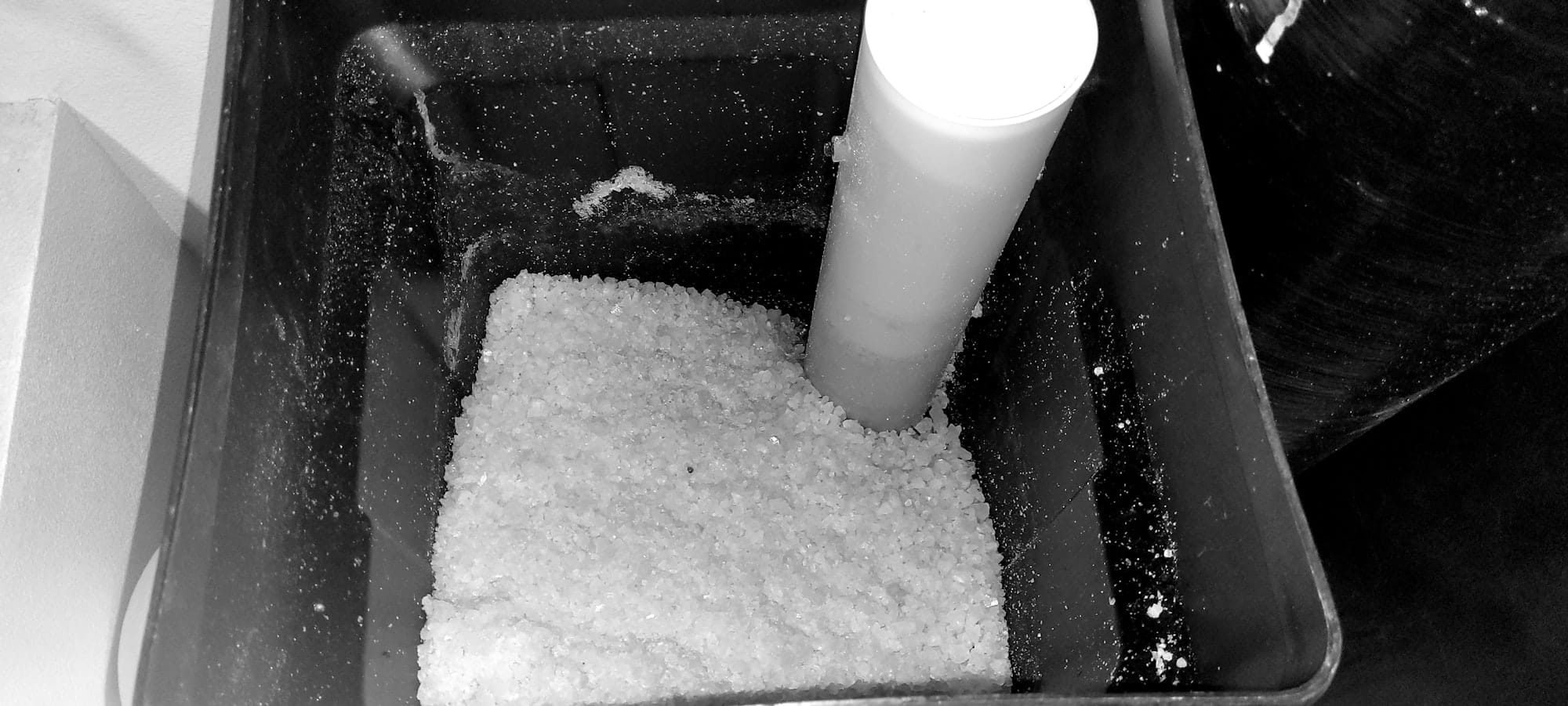
- Salt bridge or salt mush forms in the tank.
- Faulty control valve fails to switch modes.
- Low water pressure limits recharge speed.
Troubleshooting Tips
Check your water softener regularly to spot recharge issues. Simple fixes can get the system working fast again.
- Inspect the salt tank for hard salt clumps or bridges.
- Clean the injector and nozzle to remove blockages.
- Test the timer and control valve for proper function.
- Ensure water pressure meets the softener’s requirements.
- Manually start a recharge cycle to watch the process.
Optimizing Recharge Time
Water softeners need recharging to keep working well. The recharge time matters for efficiency and water quality.
Short recharge times save water and salt. Long times can waste resources and slow your water use.
Maintenance Tips
Regular maintenance helps your water softener recharge faster and last longer. Check parts and clean the system often.
- Clean the brine tank yearly to stop salt build-up.
- Check for salt bridges that block salt flow.
- Inspect resin beads and replace if worn out.
- Make sure the control valve works correctly.
Using The Right Salt
Choosing the right salt helps recharge your water softener quickly and fully. Different salts affect recharge time and system health.
| Salt Type | Recharge Speed | Cost | Salt Purity |
| Solar Salt | Medium | Low | High |
| Rock Salt | Slow | Very Low | Low |
| Evaporated Salt | Fast | High | Very High |
When To Call A Professional
Water softeners usually recharge within one to two hours. This process cleans the system and prepares it to soften water again.
Sometimes, the recharge takes longer or does not work well. In these cases, it is best to call a professional for help.
Complex Issues
Some problems with water softeners need expert skills to fix. These include broken timers, clogged valves, or damaged resin beads.
A professional can diagnose these complex issues quickly. They have the tools and knowledge to repair or replace parts safely.
- Timer or control board failures
- Valve or seal leaks
- Resin bed damage or fouling
- Salt bridging or blockages inside the tank
Regular Servicing
Water softeners need regular check-ups to work well. A professional can clean parts and check for wear or damage.
Regular servicing can prevent long recharges and improve water quality. It also extends the life of the system.
- Inspect and clean resin beads
- Check salt levels and condition
- Test water hardness before and after softening
- Lubricate and replace worn parts
Frequently Asked Questions
How Long Does A Water Softener Recharge Usually Take?
A water softener recharge typically takes 1 to 2 hours. The exact time depends on the model and water hardness level. Most systems complete the process overnight to avoid water usage disruption.
What Factors Affect Water Softener Recharge Time?
Recharge time depends on resin tank size, water hardness, and system type. Larger tanks and higher hardness require longer recharges. Efficiency settings also influence the duration of the regeneration cycle.
Can I Use Water During The Recharge Cycle?
Using water during recharge is not recommended. The softener bypasses treated water, causing hard water to flow. This can reduce appliance protection and affect water quality temporarily.
How Often Does A Water Softener Need Recharging?
Recharging frequency varies based on water usage and hardness. Typically, it occurs every 2 to 3 days. High water hardness or large household use may require more frequent recharges.
Conclusion
A water softener recharge usually takes about 1 to 2 hours. This short time keeps your water soft and your system working well. Regular recharges help avoid hard water problems in your home. Knowing the recharge time helps you plan daily tasks better.
Keep your water softener clean and check it often. This simple care saves money and keeps water quality high. Trust the process and enjoy softer water every day.