

Is Your Water Softener Really Doing Its Job? As a homeowner, you've likely invested in a water softener to protect your family's health and your home's appliances from the harsh effects of hard water.
But have you ever wondered if it's actually working as promised? You may be paying a premium for a system that's not doing its job, or worse, not even installed correctly. We'll take a closer look at the signs that indicate your water softener is functioning properly, and what to do if you suspect it's not.
By the end of this article, you'll be able to determine whether your water softener is working efficiently, and take steps to ensure your water is soft, clean, and safe for your family to use. So, let's dive in and explore the simple ways to check if your water softener is working as it should!

Credit: www.reddit.com
Signs Of Soft Water
A water softener can greatly improve the quality of your household water. But how do you know if it's working effectively? Here are some signs to look out for.
Smoother Skin And Hair
Soft water is gentler on your skin and hair, reducing irritation and dryness. You may notice your skin feels softer and smoother, and your hair looks shinier and more manageable.
- Less itchiness and redness on skin
- Reduced dandruff and flaking on scalp
- Softer, more manageable hair
Better Soap Lather
Soft water makes soap lather more easily, making it a joy to wash your hands and bathe. You may notice your soap creates a richer, more luxurious lather that's easier to rinse off.
This is because soft water doesn't strip soap of its natural oils, allowing it to create a more effective lather.
Spot-free Dishes And Glassware
Soft water prevents mineral deposits from forming on dishes and glassware, making them sparkle like new. You may notice your dishes come out of the dishwasher spot-free and your glassware is free of water spots.
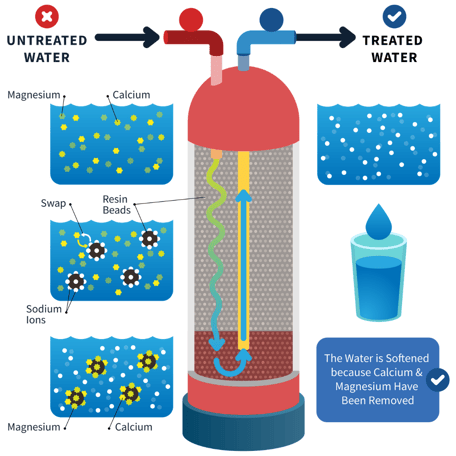
This is because soft water doesn't contain high levels of minerals like calcium and magnesium, which can leave behind unsightly stains and deposits.
Credit: www.indywaterpros.com
Checking Water Hardness
Knowing if your water softener is working is important. Checking water hardness is a simple way to find out. You can use test strips or professional testing services.
Both methods help you determine the hardness level of your water. This ensures your water softener is functioning properly.
Using Test Strips
Test strips are an easy way to check water hardness at home. They are affordable and quick to use.
Dip a strip into a water sample and compare the color change. The color shows the hardness level of your water.
- Read instructions on the test strip package
- Use a clean glass for the water sample
- Match the strip color with the provided chart
Professional Water Testing
Professional water testing is more precise. Experts use advanced tools to measure water hardness.
This option is best if you want detailed results. It is also useful if you suspect other water quality issues.
- Contact a local water testing service
- Schedule a visit for sample collection
- Receive a detailed report of your water quality
Water Softener Performance Indicators
Knowing if your water softener works well helps keep your water clean and soft. Some signs can show you if it is performing right.
Check these key indicators to see how your water softener is doing over time.
Salt Level Monitoring
Your water softener uses salt to remove hard minerals from water. The salt level must stay high enough for the system to work.
Look inside the brine tank often and add salt if the level is low. Running low on salt can stop softening.
- Check salt levels monthly
- Use the right type of salt recommended by the manufacturer
- Keep salt at least half full to prevent salt bridges
Regeneration Cycle Frequency
The water softener cleans itself in a process called regeneration. This happens regularly to remove minerals from the resin beads.
Watch how often the regeneration cycle runs. Too frequent or too rare cycles can mean a problem.
- A normal cycle runs every few days, depending on water use
- Very frequent cycles may waste salt and water
- Rare or no cycles mean the softener may not be working
Flow Rate And Water Pressure
A good water softener keeps water pressure steady and flow smooth. Drops in pressure or slow flow can show a problem.
Check if water flows well from faucets. Low pressure might mean the softener is clogged or needs service.
- Note any changes in water pressure
- Clean or replace filters if flow slows down
- Call a professional if pressure stays low after cleaning
Common Problems And Fixes
Water softeners help remove hard minerals from water. Sometimes, they may stop working well. Knowing common problems helps you fix them fast.
This guide explains how to spot issues and fix them. It covers salt bridging, clogged resin beds, and control valve troubles.
Salt Bridging And Mushing
Salt bridging happens when salt forms a hard crust in the tank. This stops water from reaching the salt below. Mushing is when salt turns into a thick sludge.
Both problems block the salt’s contact with water. This stops the softener from working properly. Check the salt tank for hard or mushy salt.
- Break the salt crust with a broom handle carefully.
- Remove mushy salt and clean the tank.
- Use high-quality salt to reduce bridging.
- Keep the tank dry and avoid overfilling salt.
Clogged Resin Bed
The resin bed traps hard minerals in your water. Over time, dirt and iron can clog the resin. This reduces softener efficiency.
Signs include hard water spots and bad taste. You may hear unusual noises during regeneration cycles.
- Backwash the resin bed to clear dirt and debris.
- Use resin cleaner products to remove iron build-up.
- Replace resin if cleaning does not work.
- Schedule regular maintenance for best results.
Control Valve Issues
The control valve manages water flow and regeneration. If it sticks or breaks, the softener will not work right.
Problems include no regeneration cycles or error codes on the display. Water may stay hard or taste bad.
- Check for stuck or dirty valve parts and clean them.
- Reset the control valve according to the manual.
- Replace worn or broken valve components.
- Call a professional if the problem continues.
Maintenance Tips For Optimal Performance
Keeping your water softener working well needs regular care. Simple maintenance helps your system last longer.
Follow these tips to make sure your water softener works at its best every day.
Regular Salt Refills
Your water softener uses salt to remove hard minerals from water. Check the salt level often and refill as needed.
- Look inside the brine tank every month.
- Add salt before the level gets too low.
- Use the right type of salt made for water softeners.
- Avoid salt bridges or clumps by breaking them up if found.
Cleaning The System
Cleaning your water softener keeps it free from dirt and buildup. This helps it work properly and stay clean.
| Cleaning Task | How Often |
| Clean brine tank | Once a year |
| Check resin bed | Every 2 years |
| Flush system | As recommended by manufacturer |
Scheduling Professional Servicing
Experts can find problems early and keep your softener running well. Schedule a checkup once a year.
- Hire a certified technician for inspection.
- Ask for system cleaning and part checks.
- Get repairs done quickly to avoid bigger issues.

Credit: clearwaterarizona.com
Frequently Asked Questions
How To Know If Water Softener Is Working Properly?
Check for reduced scale buildup on faucets and appliances. Soft water feels smoother and soap lathers better. Test water hardness with a kit to confirm lower mineral levels. Consistent regeneration cycles indicate proper function.
What Are Common Signs Of Water Softener Failure?
Hard water spots on dishes or fixtures reappear. Soap does not lather well. You may notice dry skin or hair. Salt bridges or low salt levels can cause malfunction. Regular maintenance helps prevent failure.
How Often Should A Water Softener Regenerate?
Most systems regenerate every 2-3 days, depending on water usage. Frequent regeneration may indicate a problem or high water hardness. Adjust settings based on your household needs and water quality for optimal performance.
Can A Water Softener Improve Water Taste And Smell?
Yes, it reduces minerals causing bad taste and odor. Soft water often tastes cleaner and fresher. However, it doesn’t remove all contaminants; consider additional filtration if needed.
Conclusion
A working water softener makes a clear difference in your home. You will notice less soap scum and softer skin. Your appliances will last longer without mineral buildup. Checking water hardness regularly helps track its performance. Simple signs like smooth water and clean dishes show it works well.
Keep your system maintained to avoid problems. Soft water improves daily chores and comfort. Small checks save big repair costs later. Trust your senses and routine tests for best results.