
You might be wondering, “Can I drive with a bad water pump?” It’s a question that comes up when your car starts overheating or making strange noises. Ignoring this problem might seem tempting, especially if you need to get somewhere fast.
But what if driving with a bad water pump could cause serious damage to your engine? Before you turn the key, it’s important to understand the risks and what signs to watch for. Keep reading to find out why your water pump matters, how to spot trouble early, and what steps you should take to keep your car running safely.

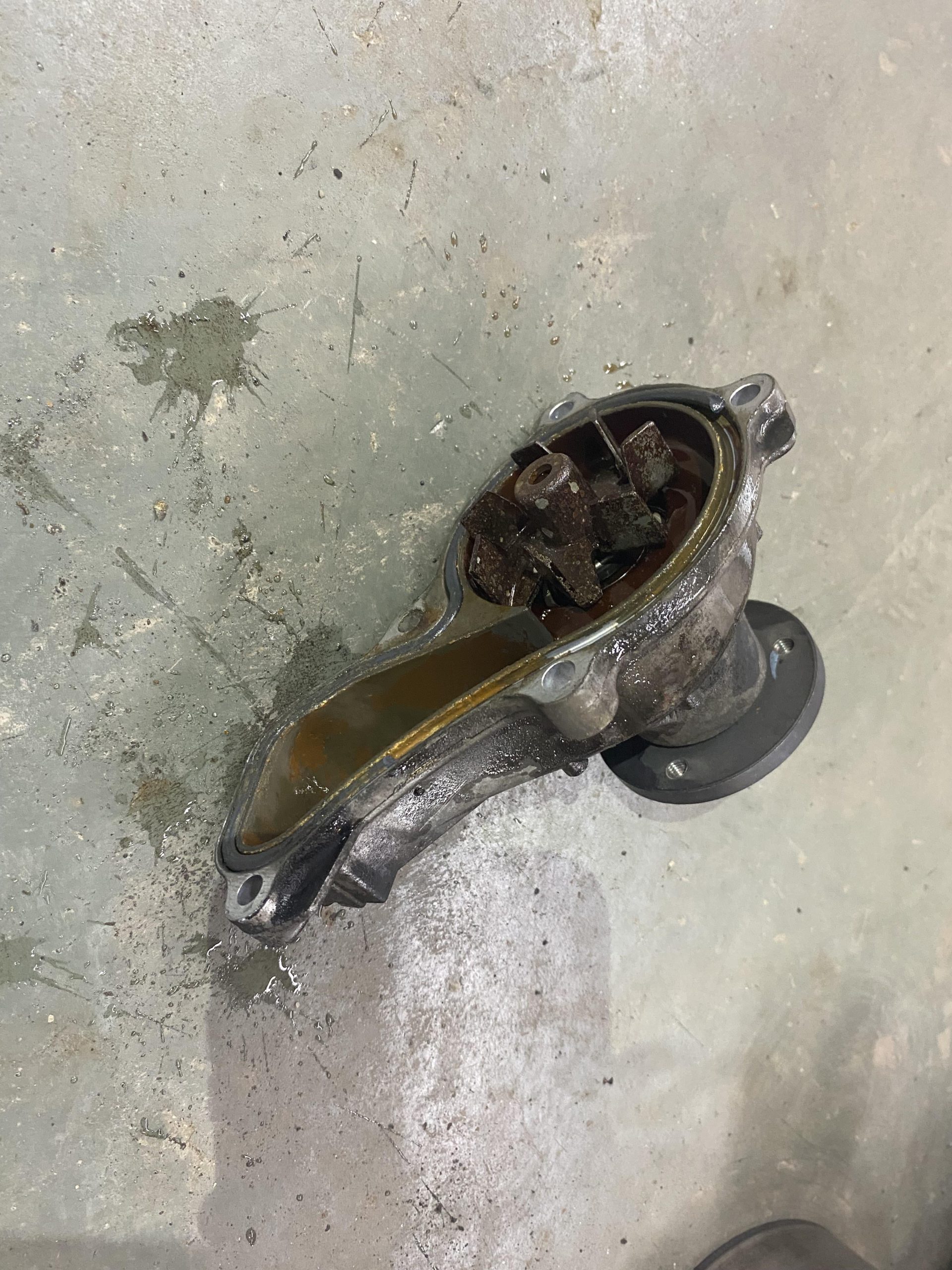
Credit: www.reddit.com
Signs Of A Failing Water Pump
The water pump is a key part of your car’s cooling system. It moves coolant through the engine to keep it from overheating. If the water pump fails, the engine can get very hot and cause serious damage.
It is important to notice the signs of a failing water pump early. This helps you avoid expensive repairs and keeps your car running safely.
Unusual Engine Noises
A bad water pump often makes strange sounds from the engine. These noises can include whining, grinding, or squealing. They happen because the pump’s bearings or pulley are worn out or damaged.
- Whining noise that grows with engine speed
- Grinding or rattling sounds near the front of the engine
- Squealing noises when starting the car
Coolant Leaks
Leaks under the car can show a water pump problem. The pump seals may be broken or the housing may have cracks. Coolant leaks can cause the engine to lose its cooling power.
| Leak Location | Possible Cause |
| Under the front of the engine | Worn water pump gasket or seal |
| Near the pump pulley | Cracked water pump housing |
| On the driveway or garage floor | Loose or broken hose connection |
Overheating Symptoms
A failing water pump can cause the engine to overheat. The coolant will not circulate properly. Overheating can damage engine parts quickly if not fixed.
Watch for these overheating signs:
- Temperature gauge rising above normal
- Steam coming from under the hood
- Engine warning light turning on
- Heater not blowing warm air

Credit: www.johnellisandson.com
Dangers Of Driving With A Bad Water Pump
Driving with a bad water pump can lead to serious issues for your vehicle. The water pump is crucial for engine cooling. If it fails, the engine may overheat.
Understanding the risks can prevent costly repairs and ensure safety on the road. Below are the dangers associated with a malfunctioning water pump.
Engine Overheating Risks
A faulty water pump can cause the engine to overheat quickly. This happens because the coolant is not circulating properly.
- Temperature gauge rises rapidly
- Steam may come from under the hood
- Engine shuts down automatically to prevent damage
Potential Engine Damage
Prolonged overheating can lead to severe engine damage. The engine components may warp or crack under extreme heat.
| Part | Possible Damage |
| Head Gasket | Blowing or leaking |
| Cylinder Heads | Warping |
| Pistons | Scoring |
Breakdown Possibilities
A bad water pump increases the chances of a breakdown. If the engine overheats, you may be stranded on the road.
How Long Can You Drive With A Faulty Water Pump?
A water pump is a key part of your car’s cooling system. It helps keep the engine from overheating. If the water pump is faulty, driving can be risky.
This article explains how long you can drive with a bad water pump. It also covers what affects driving time and warning signs to watch for.
Factors Affecting Driving Time
Several factors decide how long you can safely drive with a faulty water pump. Some cars can last longer than others. The condition of the car matters too.
- Severity of the Fault:Minor leaks may allow longer driving, but major damage can cause quick failure.
- Engine Temperature:High heat speeds up damage. Cooler weather may let you drive longer.
- Driving Speed:Slow city driving stresses the pump less than fast highway driving.
- Car Age and Maintenance:Older cars or poorly maintained engines may suffer faster damage.
- Coolant Level:Low coolant can worsen the problem quickly.
Warning Signs To Monitor
Watch for these signs to know if your water pump is failing. Early detection can prevent serious engine damage.
| Warning Sign | What It Means | Action Needed |
| Engine Overheating | Coolant not circulating properly | Stop driving and check the pump |
| Coolant Leaks | Seal or gasket failure | Inspect and replace parts soon |
| Whining Noise | Worn bearings inside the pump | Schedule repair or replacement |
| Steam from Engine | Severe overheating or leaks | Turn off engine immediately |
| Low Coolant Levels | Leak or pump failure | Refill coolant and check system |
Temporary Fixes And Precautions
Driving with a bad water pump is risky. The water pump helps keep your engine cool.
Some temporary fixes and precautions can help you avoid serious damage until you get repairs.
Coolant Level Checks
Check your coolant level often if your water pump is bad. Low coolant means less cooling for your engine.
Refill coolant if needed, but avoid opening the radiator cap when the engine is hot. This can cause burns.
- Park the car on a flat surface and let the engine cool down.
- Open the coolant reservoir cap slowly.
- Fill coolant to the recommended level.
- Look for leaks under the car.
Avoiding Heavy Traffic And Hills
Driving in heavy traffic or on hills makes your engine work harder. This can overheat the engine with a bad water pump.
Try to drive on flat roads and avoid stop-and-go traffic. This lowers the chance of engine overheating.
- Plan routes with fewer hills.
- Drive at steady speeds to reduce engine stress.
- Stop and rest if the engine starts to overheat.
Using Emergency Coolants
Emergency coolants can help if your water pump is failing. These products may seal small leaks temporarily.
Use emergency coolant only as a short-term fix. It is not a permanent repair for a bad water pump.
- Read the instructions carefully before use.
- Do not overfill the cooling system.
- Check the coolant level after driving a short distance.
- Get a proper repair as soon as possible.
When To Seek Professional Repair
Driving with a bad water pump can damage your engine. It is important to know when to get help.
A professional can check if your water pump needs repair or replacement. This keeps your car safe.
Timing For Water Pump Replacement
You should replace your water pump if it leaks or makes noise. Overheating is a serious sign too.
Check your car’s maintenance schedule. Replace the water pump as recommended, usually every 60,000 to 90,000 miles.
- Coolant leaks under the car
- Whining or grinding sounds from the pump
- Engine overheating regularly
- Steam coming from the engine
Choosing A Reliable Mechanic
Pick a mechanic with experience in water pump repair. Ask about their warranty and parts quality.
Good communication and clear pricing are important. A reliable mechanic helps you avoid extra costs.
- Check reviews and ratings online
- Ask for recommendations from friends
- Verify certifications and licenses
- Request a written estimate before work
Preventing Water Pump Failures
A water pump keeps your engine cool by circulating coolant. If it fails, your car can overheat and get damaged. Preventing water pump problems helps your vehicle run safely and longer.
Simple maintenance steps can stop water pump failures. Checking parts and fluids protects your engine and saves repair costs.
Regular Maintenance Tips
Regular checks catch issues early and keep the water pump in good shape. Look for leaks, noises, and belt wear. Replace worn belts and seals quickly. Tighten loose parts to avoid damage.
- Inspect the water pump for leaks every 3,000 miles.
- Listen for unusual noises from the pump area.
- Check the drive belt for cracks or looseness.
- Replace the belt every 50,000 miles or as needed.
- Ensure all clamps and bolts are tight.
Coolant System Care
Coolant keeps the engine temperature steady and protects the water pump. Use the right type of coolant and change it on schedule. Dirty or old coolant can cause rust and blockages.
| Coolant Care Tip | Reason |
| Use manufacturer-recommended coolant | Prevents corrosion and damage |
| Flush and replace coolant every 2 years | Keeps system clean and efficient |
| Check coolant levels monthly | Ensures proper pump operation |
| Fix leaks promptly | Avoids low coolant and overheating |
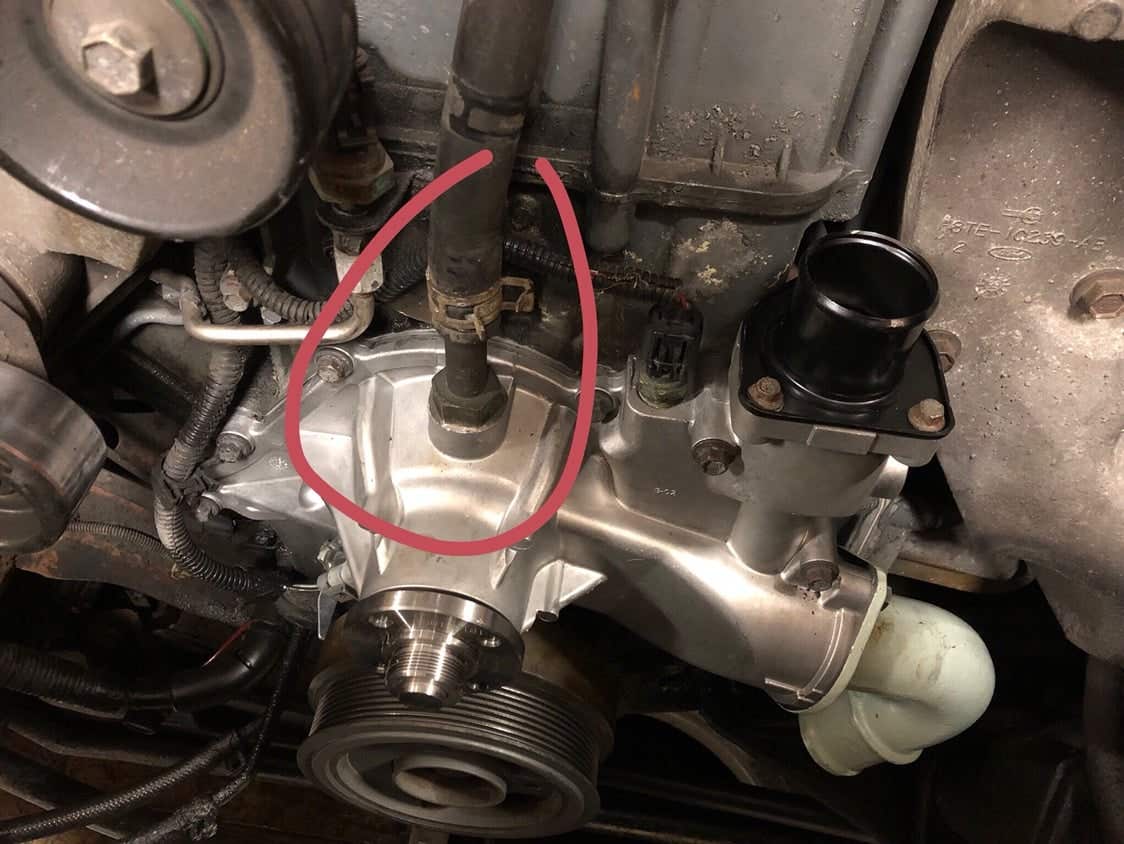
Credit: www.powerstroke.org
Frequently Asked Questions
Can I Drive With A Failing Water Pump?
Driving with a failing water pump risks engine overheating. It can cause severe damage quickly. Avoid long drives and get repairs promptly.
What Are Signs Of A Bad Water Pump?
Look for coolant leaks, engine overheating, and strange noises. Steam from the radiator or low coolant levels also indicate problems.
How Long Can A Car Run With A Bad Water Pump?
A car may run briefly but risks engine damage. Driving more than a few miles is unsafe. Repair or replace the pump as soon as possible.
Does A Bad Water Pump Cause Overheating?
Yes, a faulty water pump disrupts coolant flow. This causes the engine to overheat quickly, leading to potential engine failure.
Conclusion
Driving with a bad water pump is risky and can cause serious damage. Your engine may overheat quickly and stop working. Repair or replace the water pump as soon as possible. Delaying this can lead to costly repairs and unsafe driving.
Always keep an eye on your car’s temperature gauge. Taking care of small problems early saves money and stress. Stay safe by fixing your water pump without delay.