

Are you struggling with hard water issues but unsure how to set your water softener’s hardness level? Getting this setting right is crucial for protecting your pipes, improving soap performance, and making your water taste better.
But how do you know what number to choose? Setting it too low or too high can cause problems you don’t want. You’ll discover exactly what water hardness level you should aim for and why it matters for your home.
Keep reading to learn the simple steps that will save you money and headaches down the line.
Water Hardness Basics
Water hardness is about minerals in your water. These minerals can cause problems in pipes and appliances.
Understanding water hardness helps set your water softener correctly. This saves money and protects your home.
What Is Water Hardness
Water hardness is the amount of calcium and magnesium in water. These minerals make water "hard."
Hard water can cause scale buildup in pipes and reduce soap's effectiveness. Soft water has fewer minerals.
Common Hardness Levels
Water hardness is measured in grains per gallon (gpg) or parts per million (ppm). Different levels need different softener settings.
- Soft: 0 to 3.5 gpg (0 to 60 ppm)
- Moderately Hard: 3.5 to 7 gpg (60 to 120 ppm)
- Hard: 7 to 10.5 gpg (120 to 180 ppm)
- Very Hard: above 10.5 gpg (above 180 ppm)
How Water Softeners Work
Water softeners remove minerals that cause water to be hard. They use a special process to make water softer and better for household use.
Soft water helps appliances last longer and makes cleaning easier. Understanding how these systems work can help you set them correctly.
Ion Exchange Process
The ion exchange process is key to water softening. This method swaps hard minerals for softer ones.
In this process, water flows through a tank filled with resin beads. The beads attract and hold calcium and magnesium, which are hard minerals.
- Resin beads have a negative charge
- Calcium and magnesium ions have a positive charge
- Beads swap sodium ions for calcium and magnesium ions
Types Of Softeners
There are different types of water softeners available. Each type works in its own way to soften water.
Some softeners use salt to help with the ion exchange process. Others use different methods to remove hard minerals.
- Salt-based softeners are common and effective
- Salt-free softeners use filters to reduce minerals
- Magnetic softeners change how minerals behave
Setting Softener Hardness
Your water softener needs the right hardness setting to work well.
Setting it correctly helps remove minerals like calcium and magnesium.
Testing Your Water Hardness
First, test your water to know its hardness level.
- Use a water testing kit from a store.
- Send a water sample to a lab for accurate results.
- Contact your local water supplier for hardness reports.
- Record the hardness in grains per gallon (gpg) or ppm.
Recommended Settings By Hardness
Set your water softener according to the hardness level found.
| Water Hardness (gpg) | Softener Setting (gpg) |
| 0 - 3.5 | Off or Lowest |
| 3.5 - 7.0 | Set to Measured Hardness |
| 7.0 - 10.5 | Set to Measured Hardness + 2 |
| Above 10.5 | Set to Measured Hardness + 3 |

Credit: www.reddit.com
Factors Affecting Softener Settings
Setting your water softener hardness correctly helps protect your pipes and appliances. It also improves water quality for daily use.
Several factors affect the ideal hardness setting for your water softener. Knowing these helps you adjust the softener properly.
Water Usage
The amount of water your household uses changes how often the softener runs. High water use may need a lower hardness setting.
Softener settings depend on water volume to remove enough hardness minerals. Check your water meter to estimate usage.
- High water use means more frequent softening
- Low water use may allow higher hardness settings
- Adjust settings based on daily water consumption
Household Size
The number of people in your home affects water softener settings. More people usually mean more water use and lower hardness settings.
With fewer people, you can set the softener to a higher hardness level. This saves salt and extends the softener’s life.
- Large households need softer water to protect appliances
- Small households can use less softening to save resources
- Adjust settings as household size changes
Appliance Sensitivity
Some appliances need softer water to work well. Hard water can cause damage or lower efficiency in these devices.
Check your appliances’ manuals for water hardness recommendations. Set your softener to meet or exceed those levels.
- Water heaters may need softer water to prevent scale
- Dishwashers work better with lower hardness
- Washing machines last longer with softened water
Adjusting And Maintaining Settings
Setting the right hardness level on your water softener helps protect your pipes and appliances. It also improves water quality for daily use.
Regular checks and adjustments keep your water softener working well. This guide explains how to change hardness settings and maintain the system.
How To Change Hardness Settings
Find out your water hardness level using a test kit or local water report. This number tells you how hard your water is.
Use the control panel on your softener to set the hardness level. Match it to the test result for best performance.
- Locate the hardness setting on the control panel
- Use buttons or dials to adjust the number
- Set the value to match your water hardness test
- Save the setting and restart the softener if needed
Regular Maintenance Tips
Keep your water softener clean and check settings often. This helps it work longer and saves money on repairs.
Look for salt bridges and low salt levels. Also, clean the resin bed as the manual suggests.
- Check salt level every month and refill as needed
- Break up salt bridges to avoid blockages
- Clean the resin bed yearly or as recommended
- Inspect for leaks or unusual noises
- Test water hardness regularly to confirm settings
Credit: www.searspartsdirect.com
Common Mistakes To Avoid
Setting your water softener hardness correctly is important for good water quality. Many people make mistakes that cause problems with their water softener system.
Knowing what to avoid can save you time and money. Below are two common mistakes you should watch out for.
Setting Hardness Too Low Or High
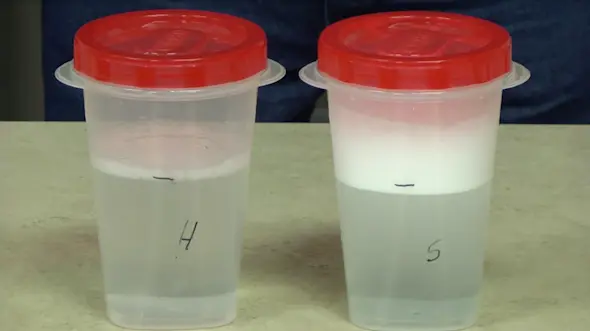
Setting the hardness level too low means the water softener will not remove enough minerals. This causes hard water problems like stains and scale buildup.
Setting it too high wastes salt and water because the softener will regenerate more often than needed. It also shortens the system’s life.
- Too low setting: hard water damage remains
- Too high setting: salt and water waste
- Incorrect setting: poor appliance protection
- Wrong hardness level: costly repairs later
Ignoring Water Quality Changes
Water hardness can change over time. Ignoring these changes causes your softener to work poorly. You might notice cloudy water or scale again.
| Cause | Effect on Softener | What to Do |
| Seasonal water source change | Hardness level varies | Test water regularly |
| New well or municipal supply | Different mineral content | Adjust hardness setting |
| Pipe or filter changes | Water quality shifts | Check system performance |

Credit: aquasureusa.com
Frequently Asked Questions
What Is The Ideal Hardness Setting For Water Softeners?
The ideal setting is usually between 3 to 7 grains per gallon. This range balances softness and efficiency. It prevents scale buildup and protects plumbing. Setting depends on your water test results and personal preference.
How Do I Test Water Hardness Before Setting Softener?
Use a water hardness test kit or send water to a lab. Testing reveals the exact hardness level. This data guides proper softener calibration. Accurate testing ensures effective softening and saves salt.
Can I Set My Water Softener Too Low Or High?
Yes. Too low wastes salt and softens water excessively. Too high leaves hard minerals causing scale. Proper calibration avoids these issues. Aim for a balanced setting to protect pipes and appliances.
How Often Should I Adjust My Water Softener Hardness?
Adjust only if water hardness changes or issues arise. Most households keep settings stable after initial setup. Periodic testing helps confirm consistent hardness. Adjustments optimize performance and water quality.
Conclusion
Setting your water softener hardness correctly saves money and protects pipes. Too low or too high settings can cause problems. Test your water hardness regularly for best results. Adjust the softener based on your water test numbers. Clean and maintain the system for long-lasting performance.
Soft water feels better on skin and helps appliances last longer. Small changes in settings make a big difference. Stay aware of your water quality to keep your home running smoothly.