
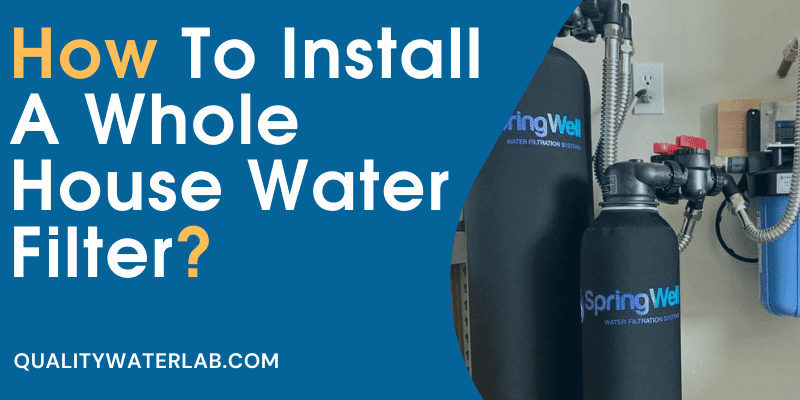
If you rely on a well for your home’s water, you know how important it is to keep that water clean and safe. Installing a whole-house water filter can protect your family from harmful contaminants and improve the taste and smell of your water.
But how do you install one yourself without a hassle? You’ll discover a simple, step-by-step guide to installing a whole-house water filter on your well. By the end, you’ll feel confident in improving your water quality and protecting your home.
Keep reading to learn exactly what you need to do.
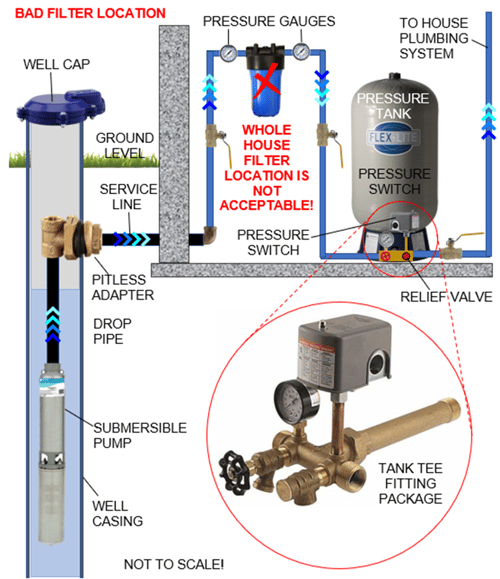
Credit: support.boshart.com
Choosing The Right Filter
Installing a whole-house water filter on a well needs careful choice of the filter. The right filter keeps water clean and safe for your home.
Different filters work for different water problems. Understanding your well water helps pick the best filter.
Types Of Whole-house Filters
There are many types of whole-house water filters. Each type targets different water issues like dirt, chemicals, or bad taste.
- Sediment filters remove dirt, sand, and rust.
- Carbon filters reduce chlorine and bad smells.
- Iron filters take out iron and sulfur.
- Water softeners lower hard minerals like calcium.
Factors For Well Water
Well water often has unique problems. It can contain sediments, iron, bacteria, and minerals that need special filters.
Test your well water before buying a filter. This helps find which contaminants to remove for safe water.
- Check for sediments like sand and dirt.
- Look for iron and sulfur levels.
- Test for bacteria and other microbes.
- Know the hardness of your water.
Filter Size And Capacity
Choose a filter size that fits your home water use. Too small filters wear out fast and can reduce water flow.
Filter capacity means how much water it can clean before needing change. Pick one with enough capacity for your family.
- Match filter size to your home's water use.
- Higher capacity filters last longer.
- Check flow rate to keep steady water pressure.
- Replace filters based on manufacturer advice.
Gathering Tools And Materials
Installing a whole-house water filter on a well requires the right tools and materials. Gathering everything beforehand makes the installation process smooth and efficient.
This guide will help you know what tools, materials, and safety equipment you need.
Essential Tools
Having the right tools is crucial for a successful installation. Make sure these tools are ready before you start.
- Pipe cutter or hacksaw
- Adjustable wrench
- Screwdriver set
- Pliers
- Level
Required Materials
You will need specific materials to ensure the filter is properly installed and functions well. Gather these materials ahead of time.
- Whole-house water filter kit
- Pipe fittings and connectors
- Teflon tape
- Mounting brackets
- Replacement filter cartridges
Safety Equipment
Safety is important when working with tools and water systems. Use the right safety gear to protect yourself.
- Safety goggles
- Gloves
- Protective clothing
Preparing The Installation Area
Before installing a whole-house water filter on your well, prepare the area properly. This helps make the process safe and smooth.
Focus on shutting off water, draining pipes, and clearing the workspace. Each step is important for a clean installation.
Shutting Off Water Supply
Turn off the main water supply to stop water flow. This prevents leaks and flooding during installation.
- Locate the main shut-off valve near the well or water meter.
- Turn the valve clockwise until it stops.
- Open a faucet in the house to confirm water is off.
- Check for any leaks around the valve.
Draining The Pipes
Drain water from the pipes to avoid spills and pressure build-up. This makes the filter installation easier.
- Open all faucets and taps inside and outside the house.
- Let water flow until it stops completely.
- Flush toilets to drain water from tanks.
- Close faucets after draining is complete.
Clearing The Workspace
Clear the area around the installation site. This gives you space to work safely and keep tools handy.
| Task | Details |
| Remove debris | Clear dirt, leaves, and objects near the pipes |
| Organize tools | Place tools and materials within easy reach |
| Check lighting | Ensure good lighting for visibility |
| Secure pets and children | Keep pets and kids away from the work area |
Installing The Filter System
Installing a whole-house water filter on a well ensures clean water for your home. The process involves careful placement and secure connections. Follow these steps to set up your filter system properly.
We will cover positioning the filter, cutting and fitting pipes, and securing the filter housing. Each part is important for a leak-free, efficient installation.
Positioning The Filter
Place the filter system near the main water line coming from the well. Make sure it is easy to reach for future maintenance. Avoid locations exposed to freezing temperatures.
Mount the filter on a solid wall or frame. Keep the filter housing upright and level to prevent leaks and ensure proper flow.
Cutting And Fitting Pipes
Turn off the water supply before cutting any pipes. Measure and mark the pipe where you will install the filter. Use a pipe cutter for clean, straight cuts.
- Cut the pipe at the marked spot.
- Deburr the inside and outside edges of the cut pipe.
- Attach fittings to the pipe ends as required for your filter model.
- Connect the pipes to the filter inlet and outlet ports firmly.
- Check all joints for tightness to prevent leaks.
Securing The Filter Housing
Once the pipes are connected, mount the filter housing securely. Use brackets or mounting hardware supplied with the filter kit. Ensure the housing does not move or sway.
| Mounting Tip | Reason |
|---|---|
| Use screws suitable for the wall type | To hold weight firmly and prevent falling |
| Keep filter accessible | For easy cartridge changes and maintenance |
| Seal around fittings | To avoid leaks and water damage |
Connecting To The Well Water Line
Connecting a whole-house water filter to your well water line is a key step. It helps ensure clean water flows through your home.
This guide covers how to attach inlet and outlet pipes, check seals, and install a bypass valve.
Attaching Inlet And Outlet
First, find the main water line from your well. Turn off the pump before starting. Attach the inlet pipe to the water line going into the filter. Then, connect the outlet pipe from the filter to your home’s plumbing.
- Use appropriate pipe fittings for your system
- Make sure pipes fit tightly to avoid leaks
- Follow the filter manufacturer's instructions for connections
Ensuring Proper Seals
Proper seals prevent water leaks and pressure loss. Use plumber’s tape on all threaded connections. Check rubber gaskets inside connectors for damage. Tighten all fittings by hand, then use a wrench for a snug fit.
| Seal Type | Purpose | Tip |
| Plumber’s Tape | Seal threaded joints | Wrap 3-5 times clockwise |
| Rubber Gaskets | Prevent leaks at connections | Inspect for cracks before use |
| Threaded Fittings | Secure pipes tightly | Do not overtighten to avoid damage |
Installing Bypass Valve
The bypass valve lets you use water without the filter. It helps during filter maintenance or emergencies. Install the valve on the filter’s inlet and outlet lines.
- Choose a valve that fits your pipe size
- Connect the valve so water can bypass the filter
- Test the valve by switching flow between filter and bypass

Credit: www.youtube.com
Testing And Maintenance
Keeping your whole-house water filter working well needs regular care. Testing and maintenance help protect your water quality.
Check the system often to catch problems early. Follow simple steps to keep your filter clean and effective.
Checking For Leaks
Inspect all connections and pipes around the filter. Look for drops of water or damp spots that show leaks.
- Turn off water supply before inspection.
- Feel joints and fittings for moisture.
- Use a dry cloth to detect water trails.
- Tighten loose fittings with a wrench carefully.
- Replace damaged parts if needed.
Flushing The System
Flushing removes trapped dirt inside the filter. It helps prevent clogging and keeps water flowing well.
Follow these steps to flush your whole-house filter:
- Turn off the main water valve.
- Open the filter drain valve slowly.
- Let water run out until it flows clear.
- Close the drain valve tightly.
- Turn the main water valve back on.
- Check for normal water pressure.
Regular Filter Replacement
Replace your filter cartridge often to keep water clean. Old filters lose their ability to trap contaminants.
| Filter Type | Replacement Frequency |
|---|---|
| Sediment Filter | Every 3 to 6 months |
| Carbon Filter | Every 6 to 12 months |
| Reverse Osmosis Membrane | Every 2 to 3 years |

Credit: www.reddit.com
Frequently Asked Questions
How Do I Choose The Right Whole-house Water Filter?
Select a filter based on your well water quality and household needs. Test your water first. Consider filter type, flow rate, and maintenance requirements for best results.
What Tools Are Needed To Install A Whole-house Filter?
Basic tools include pipe cutters, wrenches, Teflon tape, and mounting brackets. Having a pressure gauge and shut-off valves helps ensure a smooth installation process.
How Often Should I Replace The Filter Cartridges?
Replace cartridges every 6 to 12 months, depending on water usage and contamination levels. Regular replacement ensures optimal filtration and protects your plumbing system.
Can I Install The Water Filter Myself On A Well System?
Yes, if you have basic plumbing skills and tools. Follow manufacturer instructions carefully, turn off water supply, and test for leaks after installation.
Conclusion
Installing a whole-house water filter on a well improves water quality. Clean water protects your pipes and appliances. The process is simple with the right tools and steps. Regular maintenance keeps the filter working well. Enjoy fresh, clear water throughout your home every day.
Take time to follow instructions carefully. Your well water will taste and smell better soon. Trust the system to keep your family safe. Water filtering is a smart choice for well owners.