

Are you struggling with uneven water flow in your drip irrigation system? Installing a pressure regulator could be the simple fix you need to protect your plants and save water.
Without the right pressure, your drip emitters can either flood your garden or barely drip at all. In this guide, you’ll learn exactly how to install a pressure regulator step-by-step, even if you’re new to irrigation. By the end, you’ll have a reliable system that delivers just the right amount of water every time.
Keep reading to make your garden thrive with less effort and waste.
Pressure Regulator Basics
A pressure regulator controls water pressure in drip irrigation systems. It keeps the pressure steady.
Maintaining proper pressure helps drip emitters work well and saves water.
Role In Drip Irrigation
The pressure regulator stops high water pressure from damaging drip lines. It also helps water flow evenly.
- Prevents emitter clogging or bursting
- Ensures uniform water delivery to plants
- Protects pipes and fittings from wear
- Improves system efficiency and longevity
Types And Features
Several pressure regulators suit different irrigation needs. They vary by design and pressure range.
| Type | Pressure Range (psi) | Features |
| Inline Regulator | 10-25 | Fits inside the main line |
| Barbed Regulator | 15-30 | Easy to connect with tubing |
| Adjustable Regulator | 5-50 | Pressure can be changed manually |
| Plastic Regulator | 10-40 | Lightweight and corrosion resistant |

Credit: www.reddit.com
Tools And Materials Needed
Installing a pressure regulator for drip irrigation ensures water flows at the right pressure. This prevents damage to your irrigation system. Let's explore the tools and materials you need for the task.
Essential Tools
Having the right tools makes installation easy and efficient. Gather these tools before starting the installation.
- Pipe cutter for cutting tubing
- Adjustable wrench for tightening connections
- Drill with drill bits for making holes
- Teflon tape for sealing threads
- Measuring tape for precise measurements
Choosing The Right Regulator
Selecting the correct pressure regulator is crucial. It ensures your system functions well without leaks or bursts.
Consider the water flow rate and pressure needs of your system. Check the specifications on the regulator package.
- Low flow rate systems need low-pressure regulators
- High flow rate systems require high-pressure regulators
- Ensure compatibility with your existing irrigation system
Preparing Your Irrigation System
Installing a pressure regulator helps protect your drip irrigation system. It keeps water pressure steady and prevents damage.
Before you install the regulator, you need to get your irrigation system ready. This makes the process safe and easy.
Shutting Off Water Supply
Turn off the main water supply before starting the installation. This stops water flow and avoids leaks or spills.
Check that no water is coming out of the irrigation lines. This ensures the system is fully off and safe to work on.
Locating Installation Point
Find the best spot to install the pressure regulator. It should be near the water source and before the drip lines.
Look for a straight section of pipe or hose. This area should be easy to access for future checks and maintenance.
- Choose a place close to the main water valve
- Avoid spots with sharp bends or tight spaces
- Make sure there is enough room to fit the regulator
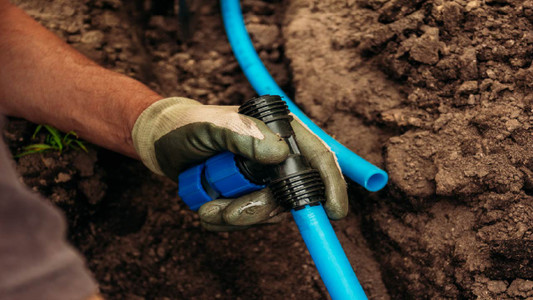
Credit: www.dripworks.com
Step-by-step Installation
Installing a pressure regulator for drip irrigation helps keep water pressure steady. This protects your irrigation system from damage.
Follow these steps to install the pressure regulator correctly and safely.
Removing Existing Components
Turn off the water supply before starting. Locate the area where you want to add the pressure regulator.
Remove any existing fittings or components that will be replaced by the pressure regulator. Use a wrench if needed to loosen connections.
- Turn off water supply
- Locate the installation point
- Use a wrench to remove old fittings
- Clear the area for the new part
Attaching The Pressure Regulator
Place the pressure regulator in line with the drip irrigation tubing. Make sure the flow direction matches the arrow on the regulator.
Push or thread the pressure regulator onto the tubing or fitting, depending on your model. Ensure it fits snugly without gaps.
- Match the flow direction arrow
- Attach regulator to tubing or fitting
- Fit regulator tightly in place
Securing Connections
Use clamps or connectors to secure the pressure regulator to the tubing. This prevents leaks and keeps it stable.
Check all connections for tightness. Turn on the water slowly and watch for leaks around the regulator.
- Secure with clamps or connectors
- Ensure all joints are tight
- Test by turning on water slowly
- Look for leaks and fix if needed
Testing And Adjusting Pressure
After installing the pressure regulator for your drip irrigation, you need to test and adjust the water pressure. Correct pressure keeps your plants healthy and saves water.
Follow simple steps to turn on the water, check for leaks, and fine-tune the pressure settings for best results.
Turning On Water Supply
Open the main water valve slowly to avoid sudden pressure spikes. Watch the pressure gauge on the regulator as water flows through.
Make sure water reaches the drip irrigation system evenly before moving to the next step.
Checking For Leaks
Look carefully at all connections near the pressure regulator. Leaks can lower pressure and waste water.
Fix leaks by tightening fittings or replacing damaged parts before adjusting pressure.
- Inspect regulator connections
- Check drip tubing joints
- Replace worn washers or seals
Fine-tuning Pressure Settings
Use the pressure adjustment knob on the regulator to reach the right pressure level. Most drip systems need 20-30 PSI.
Turn the knob slowly and watch the pressure gauge. Stop when the pressure stays steady in the desired range.
- Turn knob clockwise to increase pressure
- Turn knob counterclockwise to decrease pressure
- Test flow at drip emitters after adjustment

Credit: www.amazon.ca
Maintenance Tips
Keeping your pressure regulator in good shape ensures your drip irrigation works well. Regular care helps avoid problems and saves water.
Follow these simple maintenance tips to keep the system running smoothly and extend the life of your equipment.
Regular Inspection
Check the pressure regulator often for signs of wear or damage. Look for leaks, cracks, or loose connections. Early detection helps prevent bigger issues.
- Inspect the regulator before the irrigation season starts
- Look for water leaks around fittings and seals
- Check for dirt or debris blocking the regulator
- Make sure the pressure gauge reads the correct pressure
Cleaning The Regulator
Cleaning keeps your pressure regulator working properly. Dirt and mineral buildup can block water flow and damage parts.
| Cleaning Task | How Often |
| Remove and rinse the filter screen | Every 2 months |
| Flush the regulator with clean water | Once a season |
| Use a soft brush to clean small parts | As needed |
When To Replace
Replace your pressure regulator if it stops working right. Signs include constant pressure drops or leaks you cannot fix.
- Pressure stays too high or too low after adjustments
- Parts are cracked or broken
- Leaks appear that tightening cannot stop
- Regulator is over five years old with frequent problems
Frequently Asked Questions
What Is The Purpose Of A Pressure Regulator In Drip Irrigation?
A pressure regulator maintains consistent water pressure to protect drip emitters. It prevents damage and ensures even water distribution. This improves irrigation efficiency and plant health by avoiding over- or under-watering.
How Do I Install A Pressure Regulator For Drip Irrigation?
First, turn off the water supply. Attach the pressure regulator to the main water line or hose. Connect the drip irrigation tubing to the regulator outlet. Ensure all connections are tight to prevent leaks before turning the water back on.
What Pressure Level Is Ideal For Drip Irrigation Systems?
Most drip irrigation systems work best at 20-30 psi. Pressure regulators help maintain this range. This prevents emitter clogging and uneven water flow, ensuring efficient irrigation and healthy plant growth.
Can I Install A Pressure Regulator Without Professional Help?
Yes, installing a pressure regulator is simple and DIY-friendly. Basic tools and knowledge of your irrigation system are enough. Follow manufacturer instructions carefully for a secure and functional setup.
Conclusion
Installing a pressure regulator helps protect your drip irrigation system. It keeps water pressure steady and prevents damage. You save water and plants get just the right amount. The steps are simple and clear to follow. With proper installation, your garden will thrive better.
Regular checks keep the system working well. This small device makes a big difference in watering. Start today to enjoy a healthier, greener garden.