
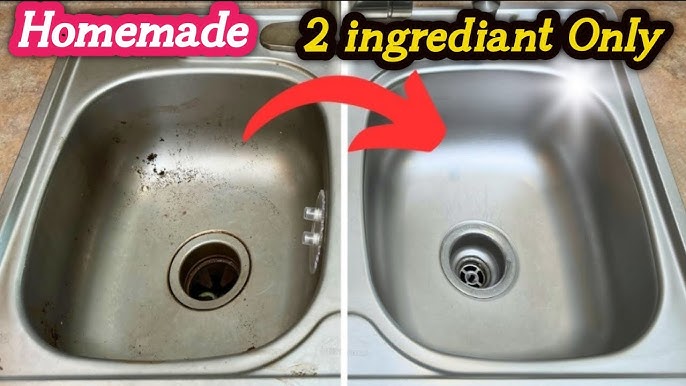
Are hard water stains making your stainless steel sink look dull and dirty? You’re not alone.
These stubborn spots can be frustrating to remove, and they often make your sink appear older than it really is. But don’t worry—cleaning those stains doesn’t have to be a chore. You’ll discover simple, effective methods to bring back the shiny, spotless sink you deserve.
Keep reading, and you’ll learn easy tricks that save you time and effort while making your kitchen look fresh and inviting again.
Causes Of Hard Water Stains
Hard water stains often appear on stainless steel sinks. These stains come from minerals in the water. Understanding the causes helps keep your sink clean.
Hard water contains minerals like calcium and magnesium. When water dries, these minerals stay behind and form spots.
Mineral Buildup From Hard Water
Hard water has high levels of minerals. Calcium and magnesium are the main ones. These minerals stick to the sink surface.
When the water evaporates, minerals stay as white or cloudy stains. These stains can be tough to remove if left too long.
Water Evaporation And Stain Formation
Water evaporates after use, leaving minerals behind. The longer water sits, the thicker the stains become.
Frequent drying or wiping can reduce stain buildup. Otherwise, minerals slowly form visible marks on stainless steel.
Soap And Detergent Residue
Soap and detergent can mix with hard water minerals. This mixture creates a film on the sink surface.
The film attracts more minerals, making stains worse. It also makes the sink look dull and dirty.
Poor Sink Maintenance
Not cleaning your sink regularly lets stains build up. Dirt and minerals combine to create tough spots.
Regular care prevents hard water stains. Without it, stains become harder to remove and damage the sink finish.

Credit: www.reddit.com
Tools And Materials Needed
Cleaning stainless steel sinks can be simple with the right tools. Hard water stains need special attention.
Gather these tools and materials for a sparkling clean sink. They help remove stains effectively.
White Vinegar
White vinegar is a natural cleaner. It breaks down hard water stains on stainless steel.
Soak a cloth in vinegar. Rub the stained areas gently for best results.
Baking Soda
Baking soda is a gentle abrasive. It helps scrub off stubborn stains without scratching.
Make a paste with water. Apply to the sink and scrub with a cloth.
Soft Cloths
Soft cloths are essential. They prevent scratches while cleaning your sink.
Use them to apply vinegar or baking soda. Always wipe in the direction of the grain.
Spray Bottle
A spray bottle is handy for applying vinegar. It ensures even coverage on the sink.
Fill with vinegar and spray on stains. Let it sit for a few minutes before wiping.
Microfiber Cloth
Microfiber cloths are perfect for the final wipe. They leave your sink shiny and streak-free.
Use a dry one to polish the sink after cleaning. It enhances the stainless steel's shine.
Basic Cleaning Methods
Hard water stains can make your stainless steel sink look dull. They leave white marks that are tough to clean.
Simple home ingredients can help remove these stains safely and quickly. Use easy methods with items you already have.
Using Vinegar And Baking Soda
Vinegar and baking soda work well to remove hard water stains. Vinegar breaks down mineral deposits, while baking soda scrubs gently.
Sprinkle baking soda on the stained sink surface. Then spray vinegar over the baking soda and let it fizz for a few minutes.
- Sprinkle baking soda on stains
- Spray white vinegar over baking soda
- Wait 5 minutes for fizzing
- Scrub gently with a soft sponge
- Rinse sink with warm water
Lemon And Salt Technique
Lemon and salt make a natural scrub for hard water stains. Lemon juice acts as a mild acid, and salt adds scrubbing power.
Cut a lemon in half and dip the cut side in salt. Rub the lemon on the stains to lift away the marks.
- Cut lemon in half
- Dip lemon in salt
- Rub lemon on stained areas
- Let sit for 3-5 minutes
- Rinse sink with water
Commercial Cleaners For Stubborn Stains
Stainless steel sinks often get hard water stains that are tough to remove. Commercial cleaners can help clear these stubborn marks quickly and effectively.
Using the right cleaner makes the cleaning process easier and protects your sink’s shine. Always follow the instructions on the cleaner’s label for best results.
Choosing The Right Cleaner
Select a cleaner made specifically for stainless steel and hard water stains. Avoid harsh chemicals that can damage the sink’s surface.
- Look for non-abrasive formulas
- Check if the cleaner removes lime and calcium deposits
- Choose products safe for kitchen use
- Pick cleaners with clear usage instructions
How To Use Commercial Cleaners Safely
Read the product label before use. Wear gloves to protect your skin. Ventilate the area well to avoid inhaling fumes.
- Apply the cleaner to the stained area
- Let it sit for the recommended time
- Scrub gently with a soft cloth or sponge
- Rinse thoroughly with water
- Dry the sink with a clean towel
Popular Commercial Cleaners Compared
| Cleaner Name | Best For | Key Features |
| LimeAway | Heavy lime buildup | Fast-acting, non-abrasive |
| Bar Keepers Friend | General stains | Gentle abrasive, multipurpose |
| CLR | Calcium and rust | Works on multiple deposits |
| Weiman Stainless Steel Cleaner | Daily maintenance | Leaves a protective shine |
Tips For Best Results
- Test cleaner on a small spot first
- Use soft cloths to avoid scratches
- Do not mix cleaners
- Rinse and dry sink after cleaning
- Clean regularly to prevent buildup
Preventing Future Stains
Hard water stains can make your stainless steel sink look dull. Preventing these stains keeps your sink clean and shiny.
Using simple habits and tools can reduce stains and keep your sink in good shape for years.
Regular Maintenance Tips
Clean your sink often to stop hard water stains from forming. Wipe the sink dry after each use.
Use a soft cloth and mild cleaner to avoid scratches. Avoid letting water sit on the sink for a long time.
- Wipe sink dry after every use
- Clean sink weekly with mild soap
- Avoid harsh chemicals or steel wool
- Polish sink monthly with a soft cloth
Water Softening Solutions
Hard water contains minerals that cause stains. Using water softeners helps reduce these minerals.
Water softeners treat your water before it reaches your sink. This keeps stains from forming and protects pipes.
- Install a home water softener system
- Use water filters that remove minerals
- Check water hardness regularly
- Consider vinegar rinse for light mineral buildup

Credit: www.reddit.com
Safety Tips During Cleaning
Cleaning hard water stains from a stainless steel sink needs care. Safety should come first to avoid accidents and damage.
Use the right tools and protect yourself properly. This guide shares key safety tips to follow.
Wear Protective Gear
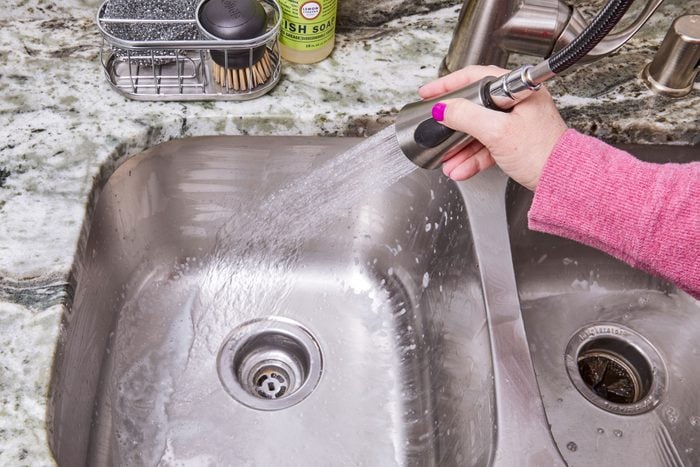
Always wear gloves to protect your hands from harsh cleaners. Eye protection is also important to avoid splashes.
Use Proper Ventilation
Open windows or turn on fans when using cleaning products. Good air flow helps reduce harmful fumes.
Follow Product Instructions
Read labels before using any cleaner. Use the recommended amount to avoid damage and health risks.
Keep Cleaning Products Away From Children And Pets
- Store cleaners in high, locked cabinets
- Never leave products unattended while cleaning
- Dispose of empty containers safely
Avoid Mixing Chemicals
Never mix bleach with vinegar or ammonia. This can create dangerous gases.
Test Cleaners On A Small Area
Before cleaning the whole sink, test your cleaner on a small hidden spot. Check for any damage or discoloration.
Credit: www.rd.com
Frequently Asked Questions
How Do I Remove Hard Water Stains From Stainless Steel?
Use white vinegar or lemon juice to dissolve hard water stains. Apply with a soft cloth, let it sit 10 minutes, then scrub gently. Rinse thoroughly and dry with a microfiber cloth to prevent new stains.
What Household Items Clean Stainless Steel Sinks Effectively?
White vinegar, baking soda, and lemon juice are excellent for cleaning. They dissolve mineral deposits and brighten surfaces without harsh chemicals. Combine vinegar and baking soda for tough stains.
Can I Use Vinegar On Stainless Steel Sinks Safely?
Yes, vinegar is safe and natural for stainless steel. It breaks down mineral buildup without damaging the finish. Always rinse well afterward and dry to avoid streaks.
How Often Should I Clean Hard Water Stains On Sinks?
Clean your stainless steel sink weekly to prevent hard water stains. Regular cleaning keeps the surface shiny and stain-free. Wipe dry after each use to reduce buildup.
Conclusion
Cleaning hard water stains on your stainless steel sink is simple and quick. Use gentle cleaners and soft cloths for best results. Regular cleaning stops stains from building up. A clean sink looks nice and lasts longer. Try these easy steps to keep your sink shiny every day.
Small efforts make a big difference in your kitchen’s look. Keep your sink stain-free and enjoy a fresh, neat space.