
Are you planning to hang something on your drywall and wondering if a drywall screw can hold the weight? Knowing exactly how much weight a drywall screw can support is crucial to keep your walls safe and your items secure.
If you use the wrong screws or overload them, you risk damaging your walls or even causing accidents. You’ll discover the real strength of drywall screws, how to choose the right ones, and tips to make sure your shelves, pictures, or TVs stay firmly in place.
Keep reading to avoid costly mistakes and make your next project fail-proof.

Credit: alphabuildinginspections.com
Drywall Screw Basics
Drywall screws are fasteners used to attach drywall sheets to wood or metal studs. They are designed to hold the drywall firmly in place without damaging it.
The weight a drywall screw can hold depends on its type, size, and the material it fastens into. Understanding these basics helps pick the right screw for your project.
Types Of Drywall Screws
There are two main types of drywall screws: coarse-thread and fine-thread. Each type fits different materials and offers different holding power.
Coarse-thread screws work best with wood studs. Fine-thread screws are better for metal studs. The choice affects how much weight the screw can hold.
- Coarse-thread:Larger threads, grip wood well
- Fine-thread:Smaller threads, grip metal better
Materials And Coatings
Drywall screws are made from steel for strength. Some screws have coatings to resist rust and corrosion.
Common coatings include phosphate and zinc. These coatings help screws last longer, especially in damp areas. Material and coating affect screw durability and holding power.
- Steel:Strong base material
- Phosphate coating:Prevents rust, good for indoor use
- Zinc coating:Offers more rust resistance, good for moisture areas
Screw Sizes And Lengths
Drywall screws come in different lengths and gauges. The size you choose depends on drywall thickness and what you attach it to.
Longer screws hold more weight by reaching deeper into studs. Thicker screws are stronger but can split wood if too big.
| Length | Common Use |
|---|---|
| 1 inch | For attaching thin drywall to wood |
| 1 1/4 inch | Standard for most drywall projects |
| 1 5/8 inch | Used for thicker drywall or metal studs |

Credit: m.youtube.com
Factors Influencing Screw Strength
Understanding how much weight a drywall screw can hold is important. Several factors affect the strength of a screw in drywall.
These factors include the thickness of the drywall, the material and condition of the stud, and how deep the screw is embedded.
Drywall Thickness
Thicker drywall can support more weight. Common drywall thicknesses are 1/4 inch, 1/2 inch, and 5/8 inch.
Thinner drywall may not hold heavy items well. Always check the thickness before deciding how much weight to hang.
- 1/4 inch: Light items only
- 1/2 inch: Medium weight items
- 5/8 inch: Heavier items
Stud Material And Condition
Studs provide support behind drywall. They are usually made of wood or metal.
Strong, undamaged studs hold more weight. Old or weak studs may not support heavy items well.
- Wood studs: Common and reliable
- Metal studs: Used in commercial buildings
- Damaged studs: Need repair before use
Screw Embedment Depth
The depth a screw is embedded affects its strength. Deeper screws hold more weight.
Screws should be at least 1 inch deep into the stud. This ensures a secure hold.
| Embedment Depth | Weight Capacity |
| Less than 1 inch | Low |
| 1 inch or more | High |
Weight Capacity Of Drywall Screws
Drywall screws hold drywall sheets to wood or metal studs. Knowing their weight capacity helps prevent damage.
This article explains how much weight drywall screws can hold. It covers pullout strength, shear strength, and screw types.
Pullout Strength In Drywall
Pullout strength means how much force a screw can take before it pulls out of the drywall. It depends on screw size and drywall thickness.
- Standard drywall screws hold about 40 to 50 pounds in pullout force.
- Thicker drywall increases pullout strength slightly.
- Using anchors or toggles can improve pullout capacity.
Shear Strength In Studs
Shear strength measures the screw’s ability to resist sideways forces inside the stud. This affects how much weight the screw can support.
| Screw Size | Shear Strength (Pounds) |
| 6 x 1 inch | 75 |
| 8 x 1.5 inch | 120 |
| 10 x 2 inch | 160 |
Comparing Different Screws
Different screws hold different weights. Drywall screws are not the same as wood screws or metal screws.
- Drywall screws have sharp points for drywall and wood studs.
- Wood screws are thicker and hold more weight.
- Metal screws work best with metal studs but hold less weight than wood screws.
Credit: www.familyhandyman.com
Testing Screw Strength
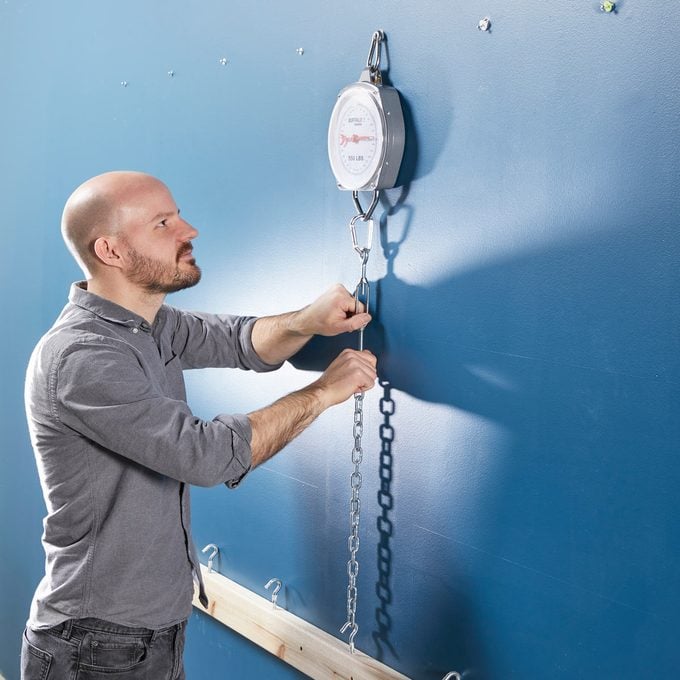
Drywall screws must hold materials securely in place. Testing their strength helps find out how much weight they can support safely.
Different methods test screws in labs and real settings. These tests show how screws perform under stress and weight.
Lab Testing Methods
Lab tests measure screw strength using controlled tools. They simulate forces that screws face in walls and ceilings.
| Test Type | Description | Purpose |
| Tensile Test | Pulls screw until it breaks | Checks maximum pull strength |
| Shear Test | Applies sideways force | Measures resistance to side pressure |
| Torque Test | Twists screw until failure | Assesses how much twisting force it can take |
Field Testing Scenarios
Field tests check screws in real building conditions. These tests show how screws hold drywall under normal use.
- Hanging weights from drywall to test hold strength
- Installing screws in different materials like wood and metal
- Checking screw hold after exposure to moisture or temperature changes
- Testing with different screw lengths and thicknesses
Maximizing Screw Load Capacity
Drywall screws hold different amounts of weight depending on how they are used. Knowing how to maximize their load capacity helps keep things safe and secure.
Using the right methods can increase how much weight a drywall screw can support. This guide explains key ways to get the best results.
Proper Installation Techniques
Installing drywall screws correctly is important for strong holding power. Screws placed too close to edges or not driven in straight can fail easily.
Use a drill with a clutch to avoid over-tightening. The screw head should sit flush with the drywall surface without breaking the paper.
- Place screws 16 inches apart on drywall sheets
- Drive screws straight into the stud for best support
- Do not over-tighten or under-tighten screws
- Avoid placing screws too close to drywall edges
Using Anchors And Supports
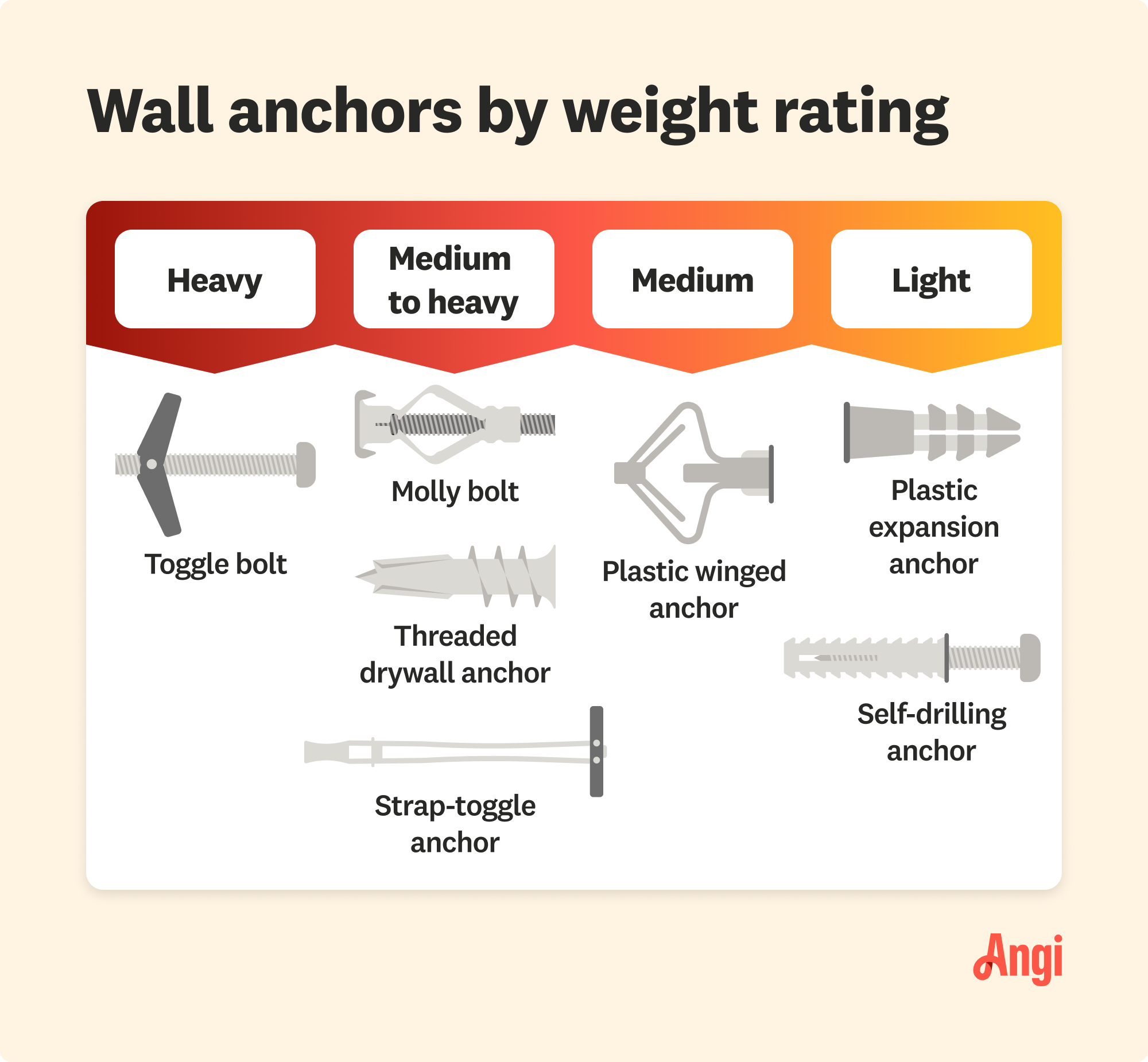
Drywall alone cannot hold heavy items. Using anchors or extra supports helps spread the load and increases screw strength.
Choose anchors designed for drywall weight limits. Toggle bolts and molly bolts offer strong holds for heavier objects.
- Use plastic anchors for light to medium loads
- Metal anchors hold more weight than plastic ones
- Toggle bolts work well for heavy items
- Attach supports to wall studs when possible
Avoiding Common Mistakes
Many drywall screw problems come from simple mistakes. Avoid these to keep your screws strong and safe.
Never use drywall screws for heavy-duty tasks like hanging shelves without anchors or studs. Do not reuse damaged screws or anchors.
- Do not use drywall screws in place of wood screws
- Avoid placing screws too close together
- Do not reuse screws or anchors
- Check weight limits for anchors before use
Applications And Practical Tips
Drywall screws are common fasteners for walls. Knowing how much weight they hold helps you use them safely.
This guide covers key uses and tips for drywall screws in home projects.
Hanging Heavy Objects
Drywall screws alone hold light to medium weights. Heavy objects need extra support to avoid damage.
Use a stud behind the drywall for strong anchoring. Screws in drywall alone may hold about 10 to 25 pounds.
- Find a wall stud with a stud finder.
- Drive screws into the stud for best hold.
- For heavy items, use anchors designed for drywall.
Securing Fixtures
Drywall screws work well for fixtures like shelves and brackets. Secure them to studs for safety.
When studs are not available, use drywall anchors with screws for better weight support.
- Choose screws long enough to reach studs.
- Use anchors rated for the fixture’s weight.
- Check screw tightness regularly to avoid loosening.
Safety Considerations
Always test the screw’s hold before hanging heavy objects. Overloading can cause drywall damage.
Wear safety glasses when drilling or screwing. Avoid screwing too close to edges to prevent cracks.
- Do not exceed weight limits for drywall screws.
- Use proper tools to avoid stripping screws.
- Inspect walls for damage before and after installation.
Frequently Asked Questions
How Much Weight Can A Drywall Screw Typically Hold?
A standard drywall screw can hold around 50 pounds in drywall. This depends on screw length and wall material. For heavier loads, use anchors or attach screws to studs for better support.
Does Screw Length Affect Drywall Screw Weight Capacity?
Yes, longer screws penetrate deeper, providing better holding strength. Short screws hold less weight and risk pulling out under load. Choose screw length based on drywall thickness and the item’s weight.
Can Drywall Screws Hold Heavy Objects Securely?
Drywall screws alone are not ideal for heavy objects. Use wall anchors or find studs for secure mounting. Proper installation ensures safety and prevents damage or screw failure.
What Factors Influence Drywall Screw Holding Strength?
Holding strength depends on screw type, length, wall material, and installation quality. Screws into studs hold more weight than those in drywall alone. Proper pilot holes and screw placement improve strength.
Conclusion
Drywall screws hold a good amount of weight when used correctly. The weight depends on screw size, drywall type, and wall studs. Always check the screw’s weight limit before hanging heavy items. Using anchors or finding studs makes your setup stronger.
Choosing the right screw helps keep things safe and secure. Remember, proper installation is key to support. Keep these tips in mind for your next project. Safe walls mean happy homes.