
Have you ever wondered how much water your water softener uses? If you’re like most homeowners, you want to save water and keep your bills low.
But at the same time, you need your water softener to work properly and give you soft, clean water every day. Knowing exactly how much water your system uses can help you make smarter choices for your home and the environment.
You’ll discover the facts behind water softener water use and learn simple tips to manage it better. Keep reading to find out how to balance comfort and savings without wasting a drop.
Credit: www.alertlabs.com
Water Softener Basics
Water softeners help remove hard minerals from water. These minerals cause buildup in pipes and appliances.
Understanding how water softeners work can help you manage water use better. It also explains how much water a softener uses.
How Water Softeners Work
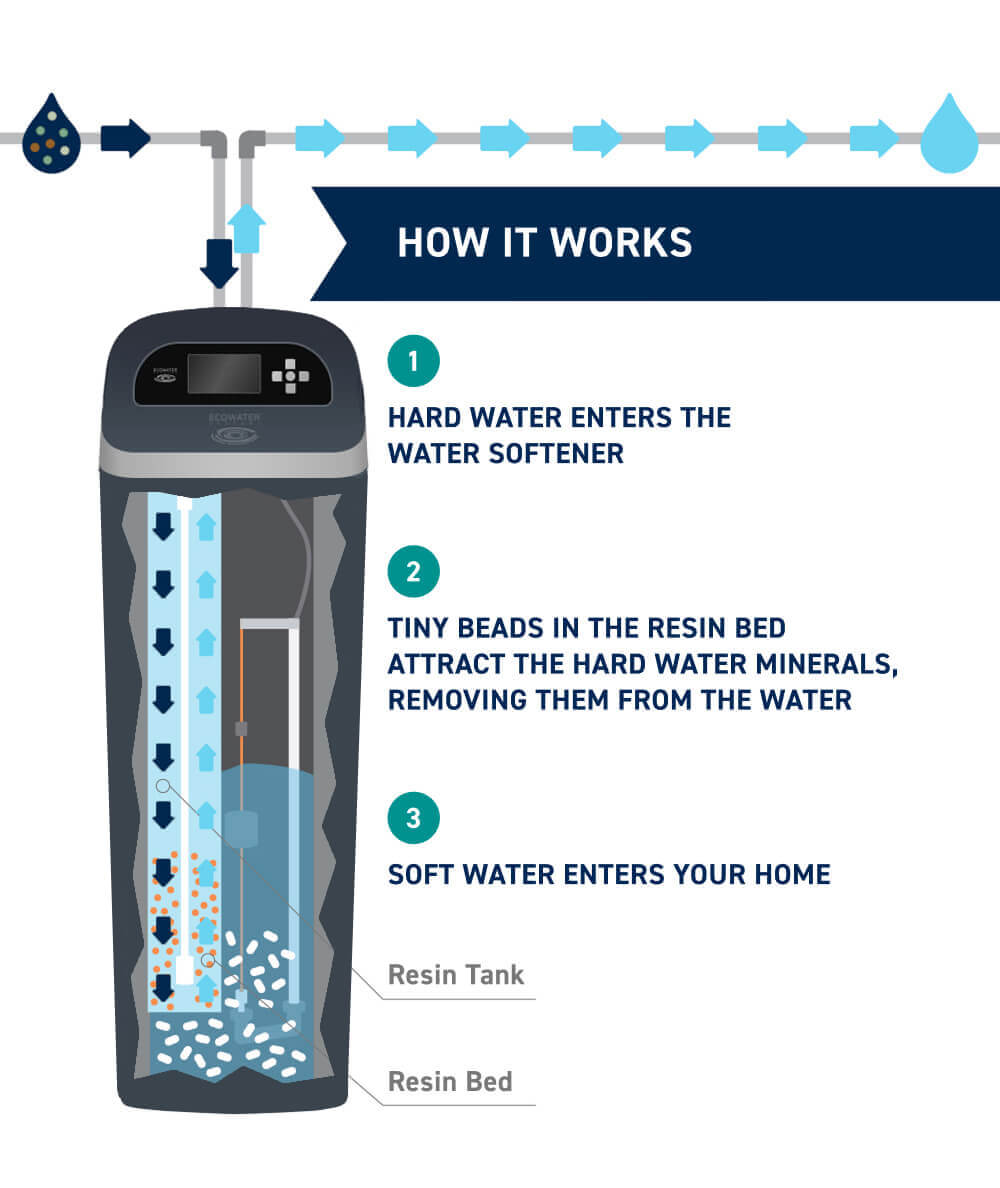
Water softeners use a process called ion exchange. Hard water passes through a tank filled with resin beads. These beads attract minerals like calcium and magnesium.
- The resin beads hold the hard minerals and release sodium or potassium ions.
- This exchange removes hardness from the water.
- The soft water flows out for use in your home.
- The system needs to clean the beads regularly to keep working well.
Types Of Water Softeners
There are several types of water softeners. Each uses different technology to treat hard water.
| Type | How It Works | Water Use |
| Salt-Based Ion Exchange | Swaps minerals for sodium ions | Uses water for regeneration |
| Salt-Free Softener | Uses template-assisted crystallization | No water used for regeneration |
| Magnetic/ Electronic Softener | Alters mineral properties with magnets | Does not use water |

Credit: anchorplumbingservices.com
Water Usage Factors
A water softener helps remove minerals from hard water. It uses water during its regeneration process. The amount of water used depends on several factors.
Understanding these factors can help you manage water usage. Let's explore the key elements that affect how much water a softener uses.
Regeneration Process Explained
The regeneration process cleans the resin beads in a softener. It usually occurs every few days. During regeneration, the softener flushes out minerals with water.
This process can use between 20 to 50 gallons of water. The frequency of regeneration impacts total water usage.
Salt And Resin Role
Salt and resin beads play a crucial role in softening water. Salt is used to recharge the resin beads. Resin beads capture minerals from hard water.
The type and quality of salt can affect water usage. Higher quality resin may require less frequent regeneration.
| Factor | Impact on Water Usage |
| Regeneration Frequency | More frequent increases usage |
| Salt Quality | Better quality may reduce usage |
| Resin Quality | Higher quality may need less water |
Average Water Consumption
Water softeners help reduce hard minerals in your water supply. They use water during a process called regeneration. Understanding how much water is used helps manage water bills and environmental impact.
The amount of water a softener uses depends on its size and how often it regenerates. Let’s look at typical water use and how system size changes the amount of water consumed.
Typical Usage Per Regeneration
Each time a water softener regenerates, it flushes out minerals using clean water. On average, this can use between 20 to 50 gallons of water. The exact amount depends on the softener type and settings.
- Smaller softeners use about 20 to 30 gallons per cycle.
- Medium systems often use 30 to 40 gallons.
- Larger units may use up to 50 gallons each regeneration.
Variations By System Size
System size affects water use during regeneration. Larger tanks hold more resin beads and need more water to clean them. Smaller tanks use less water but may regenerate more often.
| System Size | Gallons per Regeneration | Regeneration Frequency |
| Small (8,000 grains) | 20 - 30 | Every 3 to 5 days |
| Medium (16,000 grains) | 30 - 40 | Every 5 to 7 days |
| Large (24,000 grains) | 40 - 50 | Every 7 to 10 days |
Impact On Household Water Bill
Water softeners use water during their regeneration cycle. This extra water can add to your household water use. It is important to know how much water softeners use and how it affects your water bill.
The amount of water used depends on the size and type of the softener. Understanding this helps you estimate the cost increase on your bill.
Estimating Cost Increase
Water softeners typically use 20 to 50 gallons of water per regeneration. The frequency of regeneration varies by water hardness and system size. This additional water can increase your monthly water bill.
| Softener Size | Gallons per Regeneration | Regenerations per Month | Estimated Monthly Water Use (Gallons) |
| Small (24,000 grains) | 20 | 4 | 80 |
| Medium (32,000 grains) | 30 | 4 | 120 |
| Large (48,000 grains) | 50 | 4 | 200 |
To calculate the cost increase, multiply the extra gallons by your water rate. This shows how much the softener adds to your bill.
Ways To Reduce Water Use
There are simple ways to reduce water softener water use. These steps help lower your water bill and save water.
- Use a timer or metered regeneration softener to control cycles
- Adjust the salt dosage to the minimum needed for your water hardness
- Fix any leaks in the plumbing connected to the softener
- Install a water-efficient softener model
- Combine water softener regeneration with other household water uses
Eco-friendly Alternatives
Water softeners can use a lot of water during their cleaning cycles. This wastes water and energy. Choosing eco-friendly options helps save resources and protect the environment.
There are softeners designed to use less water or no water at all. These options reduce water waste while still softening your water effectively.
Water-efficient Softener Models
Water-efficient softeners use less water for regeneration. They clean the resin beads with minimal water, cutting down water use by up to 50%. These models save water and energy.
Many water-efficient models adjust water use based on how much softening is needed. This stops extra water from being wasted during cleaning cycles.
- Use less water per regeneration cycle
- Adjust water use based on hardness levels
- Lower salt use, which helps the environment
- Save money on water and energy bills
Salt-free Water Softeners
Salt-free softeners do not use salt or water to remove hardness. They change the structure of minerals so they do not cause scale buildup. This process uses no water for regeneration.
Salt-free systems need less maintenance and do not discharge salty water. This makes them a better choice for the environment and local water systems.
- No water used for cleaning or regeneration
- No salt discharge into the environment
- Lower maintenance and operating costs
- Helps reduce water pollution
Maintenance Tips To Save Water
Water softeners help reduce hard water damage but use water in the process. Saving water during maintenance is important. Small changes can lower water use and keep the system working well.
Regular checks and adjusting settings improve efficiency. These tips help you save water and extend the life of your softener.
Regular System Checks
Inspect your water softener monthly for leaks or damage. Clean the brine tank to stop salt buildup. Check salt levels to keep the system running smoothly.
- Look for leaks in pipes and valves
- Clean the brine tank at least twice a year
- Refill salt before it runs too low
- Test water hardness to ensure softening
Optimizing Regeneration Frequency
Set the softener to regenerate only when needed. Too many regenerations waste water and salt. Too few can reduce softening quality.
| Regeneration Frequency | Water Use | Effect on Softening |
| Too Frequent | High water use | Good softening but wasteful |
| Optimized | Low water use | Good softening and efficient |
| Too Rare | Low water use | Poor softening, hard water issues |

Credit: aquasureusa.com
Frequently Asked Questions
How Much Water Does A Typical Water Softener Use?
A typical water softener uses 20 to 50 gallons of water per regeneration cycle. Usage depends on system size and water hardness.
Does Water Softener Use Water Continuously?
No, water softeners only use water during regeneration cycles, which occur every few days to weeks.
Can Water Softeners Increase Household Water Bills?
Yes, water softeners add water usage during regeneration, slightly increasing water bills, but efficiency varies by model.
How Often Does A Water Softener Regenerate?
Water softeners usually regenerate every 2 to 7 days, depending on water hardness and household water consumption.
Conclusion
Water softeners do use water during their cleaning cycle. The amount depends on the system size and settings. Smaller units use less water than larger ones. Regular maintenance helps keep water use low and efficient. Knowing your softener’s water use helps control your water bill.
Choose a model that fits your household needs well. This way, you save water and keep your home comfortable. Understanding water use makes smart softener choices easier. Save water, save money, and enjoy soft water daily.