
Unlock the Secret to Soft, Soothing Water: Discover the True Cost of a Water Softener System Are you tired of dealing with stubborn stains, soap scum, and dry skin after every shower? Do you want to enjoy the comfort of soft, silky water in your home without breaking the bank?
You're not alone. Millions of homeowners are searching for the perfect water softener system that not only provides the desired results but also fits within their budget. As you consider investing in a water softener system, you're probably wondering: "How much should I expect to pay?
" The answer is not as straightforward as you might think. With various types of systems, installation costs, and maintenance fees to consider, it's easy to get overwhelmed. We'll break down the costs associated with a water softener system, helping you make an informed decision that suits your needs and budget. Keep reading to discover the true cost of soft, soothing water.
Factors Affecting Water Softener Cost
Water softener systems vary widely in price. Several factors affect how much you pay. Understanding these helps you choose the right system for your needs.
Some costs depend on the type of system and its size. Other costs come from installation and extra features. Brand quality also plays a role.
Type Of Water Softener
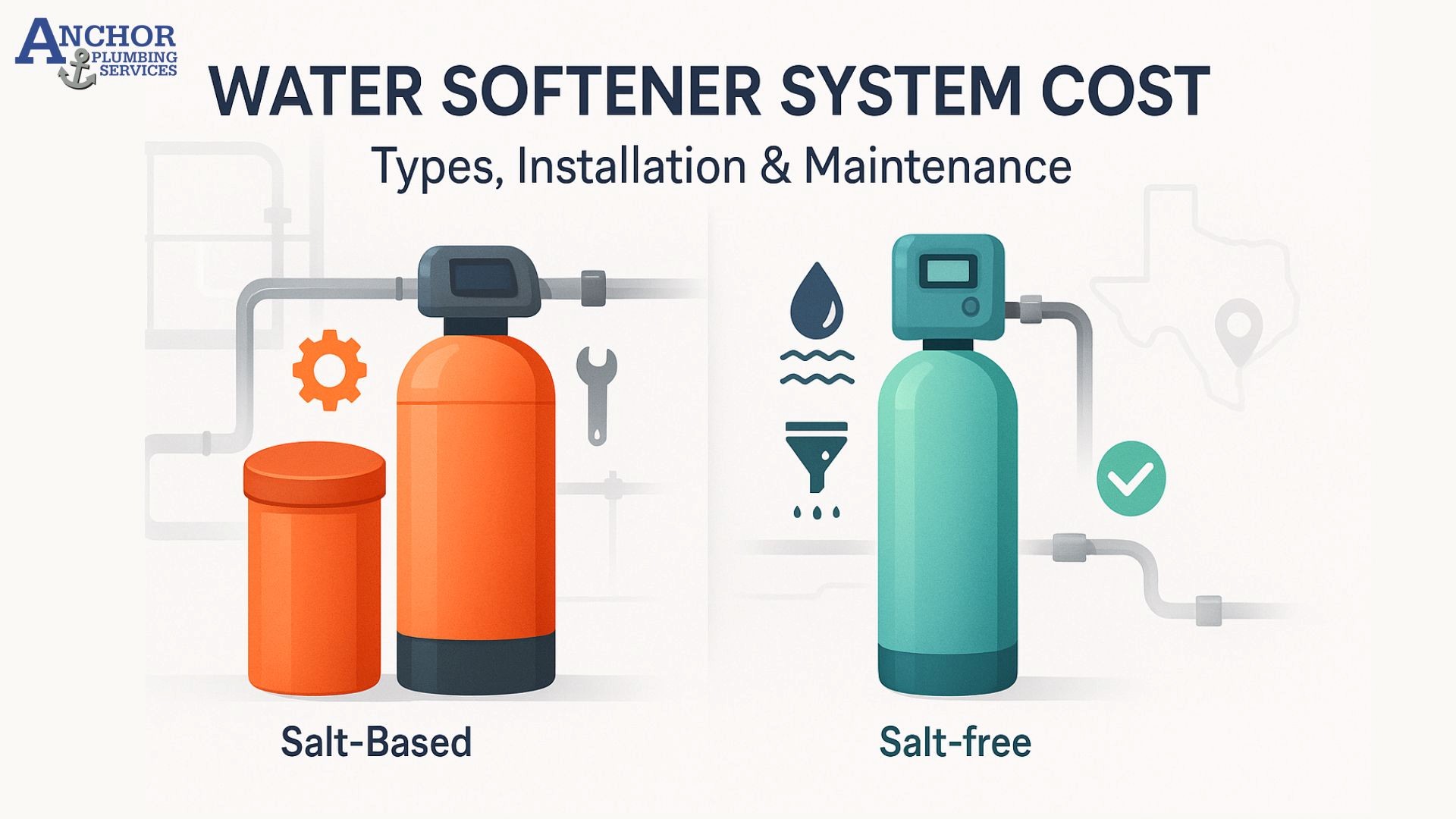
Different types of water softeners cost different amounts. The most common types are salt-based, salt-free, and magnetic. Salt-based systems usually cost more but remove hardness better.
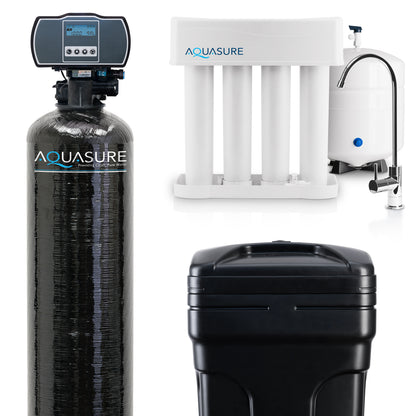
- Salt-based softeners use resin beads to remove minerals.
- Salt-free softeners condition the water without salt but are less effective.
- Magnetic softeners are the least expensive but have limited success.
System Capacity
Capacity means how much water the system can soften before it needs regeneration. Larger homes need bigger capacity systems. Higher capacity units cost more.
| Capacity (Grains) | Recommended Home Size | Price Range |
| 16,000 - 24,000 | Small (1-2 people) | Low |
| 32,000 - 48,000 | Medium (3-4 people) | Medium |
| 64,000+ | Large (5+ people) | High |
Installation Complexity
Installation costs vary by home layout and plumbing setup. Complex installations require more labor and parts. This raises the total cost.
- Simple installations connect to existing plumbing easily.
- Complex setups need additional piping or electrical work.
- Some homes may need pre-treatment or filtration upgrades.
Additional Features
Extra features add to the price. Features include digital controls, salt-saving technology, and water usage tracking. These improve convenience and efficiency.
- Automatic regeneration cycles
- Wi-Fi or app connectivity
- Built-in water filters
- Energy-saving modes
Brand And Quality
Well-known brands often charge more for quality and reliability. Cheaper brands may save money upfront but cost more in repairs. Quality parts last longer and perform better.

Credit: www.lochardplumbingheatingandcooling.com
Price Ranges For Different Systems
Water softeners help reduce hard water problems in your home. Prices vary based on type and features.
Understanding the cost differences can help you choose the right system for your needs.
Salt-based Softeners
Salt-based water softeners are the most common type. They use salt to remove minerals from water.
Prices for these systems usually range from $400 to $2,000. The cost depends on the size and brand.
Salt-free Softeners
Salt-free softeners do not remove minerals. They condition water to prevent scale buildup.
These systems often cost between $500 and $3,000. They are a good option for people on low-sodium diets.
Magnetic And Electronic Softeners
Magnetic and electronic softeners are easy to install. They use magnets or electric fields to alter water properties.
The price range for these systems is $100 to $600. They are suitable for small homes or apartments.
Portable Water Softeners
Portable water softeners are compact and ideal for travel. They are often used in RVs or boats.
These units typically cost between $150 and $400. They provide a convenient solution for soft water on the go.
| Type | Price Range |
|---|---|
| Salt-Based | $400 - $2,000 |
| Salt-Free | $500 - $3,000 |
| Magnetic and Electronic | $100 - $600 |
| Portable | $150 - $400 |
Installation And Maintenance Expenses
Water softener systems help reduce hard water problems. Buying the system is only part of the cost. Installation and maintenance also affect the total price.
Knowing these extra costs helps you plan your budget better. This guide explains common expenses for installation and upkeep.
Professional Installation Costs
Hiring a professional to install a water softener usually costs between $300 and $600. The price depends on the system type and home plumbing.
Complex setups or older plumbing may increase labor costs. Professionals also ensure correct installation to avoid leaks or damage.
Diy Installation Considerations
Installing a water softener yourself can save money. Basic systems are easier to install with clear instructions.
DIY installation risks include improper setup or damage. You need tools and some plumbing knowledge. Make sure to check local codes.
- Read the manual carefully
- Check pipe sizes and fittings
- Turn off water supply before installation
- Test the system after setup
Regular Maintenance Needs
Water softeners require regular maintenance to work well. This includes cleaning and checking system parts every few months.
Skipping maintenance can reduce system life and water quality. Set reminders for routine checks to avoid problems.
- Clean resin tank yearly
- Check for salt bridges monthly
- Inspect valves and hoses regularly
- Flush system as recommended
Salt And Filter Replacement Costs
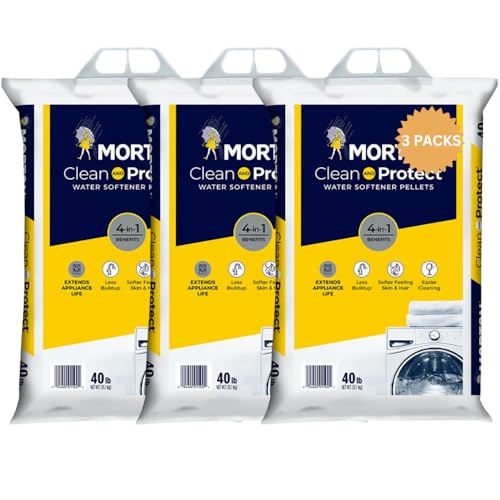
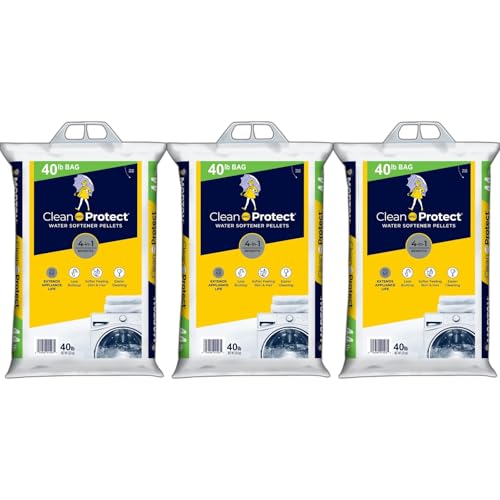
Salt is needed to recharge the softener’s resin. Costs vary based on usage and water hardness.
Filters also need replacement to keep water clean. Prices depend on the filter type and brand.
| Item | Typical Cost | Replacement Frequency |
|---|---|---|
| Water Softener Salt | $5 - $15 per 40 lbs bag | Every 1-2 months |
| Pre-Filters | $20 - $50 each | Every 3-6 months |
| Post-Filters | $30 - $60 each | Every 6-12 months |

Credit: qualitywatertreatment.com
Long-term Savings And Benefits
Choosing a water softener system can save you money over time. It improves water quality for your home.
Soft water helps reduce damage to appliances and lowers energy costs. It also benefits your skin and cleaning routine.
Energy Efficiency Gains
Hard water makes appliances work harder and use more energy. Soft water reduces scale buildup in heaters and pipes.
This means your water heater uses less energy. Over time, this reduces your electricity and gas bills.
Extended Appliance Lifespan
Soft water prevents scale buildup inside appliances like dishwashers and washing machines. This keeps them running smoothly.
- Less scale means fewer repairs and breakdowns
- Appliances last longer, saving replacement costs
- Improves appliance performance and efficiency
Reduced Soap And Detergent Use
Soft water allows soaps and detergents to work better. You need less soap for cleaning clothes, dishes, and skin.
| Cleaning Task | Soap Use with Hard Water | Soap Use with Soft Water |
| Laundry | 100% | 50-70% |
| Dishwashing | 100% | 40-60% |
| Bathing | 100% | 60-80% |
Health And Skin Benefits
Soft water is gentler on skin and hair. It helps prevent dryness and irritation caused by hard water minerals.
- Reduces skin dryness and itchiness
- Leaves hair softer and easier to manage
- Helps keep skin cleaner by rinsing soap better
Tips For Choosing The Right Water Softener
Choosing the right water softener helps protect your home and appliances. It also improves water quality for daily use.
Consider your water needs carefully before buying a system. Use these tips to find the best fit for your household.
Assessing Water Hardness Levels
Check your water hardness level to know how strong a system you need. Hard water has more minerals like calcium and magnesium.
- Use a water testing kit to measure hardness.
- Contact your local water supplier for reports.
- Test water from different taps in your home.
Matching System Size To Household
Choose a water softener that fits your household size and water use. A system that is too small or too large wastes money.
| Household Size | Daily Water Use (Gallons) | Recommended Softener Capacity (Grains) |
| 1-2 People | 50-80 | 16,000 - 24,000 |
| 3-4 People | 80-120 | 24,000 - 32,000 |
| 5+ People | 120+ | 32,000+ |
Evaluating Warranty And Support
Look for a water softener with a good warranty and support service. This protects your investment and helps with repairs.
- Check warranty length and coverage details.
- Find out if customer support is available locally.
- Read reviews about the manufacturer’s service.
Comparing Return On Investment
Think about how much you save over time with a water softener. The right system pays for itself by reducing repairs and soap use.
| Cost Factor | Short Term | Long Term |
|---|---|---|
| Initial Purchase | High | One-time |
| Maintenance | Low | Regular |
| Energy Savings | None | Moderate |
| Appliance Life | None | Extended |
Credit: aquasureusa.com
Frequently Asked Questions
How Much Does A Basic Water Softener Cost?
A basic water softener typically costs between $400 and $1,000. Prices depend on capacity and brand. Installation may add $200 to $500.
What Affects The Price Of A Water Softener System?
Factors include system size, type, brand, and installation complexity. Additional features and maintenance needs also influence the cost.
Are There Ongoing Costs For Water Softeners?
Yes, ongoing costs include salt or potassium refills and occasional maintenance. These costs usually range from $50 to $150 annually.
Can I Install A Water Softener Myself?
DIY installation is possible for skilled homeowners. However, professional installation ensures proper setup and may prevent costly errors.
Conclusion
A water softener system cost depends on size and features. Basic models are affordable but may lack extras. Higher-end systems cost more but offer better performance. Installation fees also affect the total price. Think about your water needs before choosing a system.
Saving money now might mean higher costs later. A good water softener protects pipes and appliances. Choose wisely to get value for your money. Balance cost with quality for the best results. This way, you avoid surprises and enjoy soft water.