
Are you wondering how much it will cost to replace your water pressure regulator? If your water pressure is too high or too low, it can cause serious problems for your plumbing and appliances.
Knowing the cost upfront can help you plan better and avoid unexpected expenses. You’ll discover the key factors that affect the price and what you can expect to pay for a quality replacement. Keep reading to get the clear answers you need before making a decision.
Water Pressure Regulator Basics
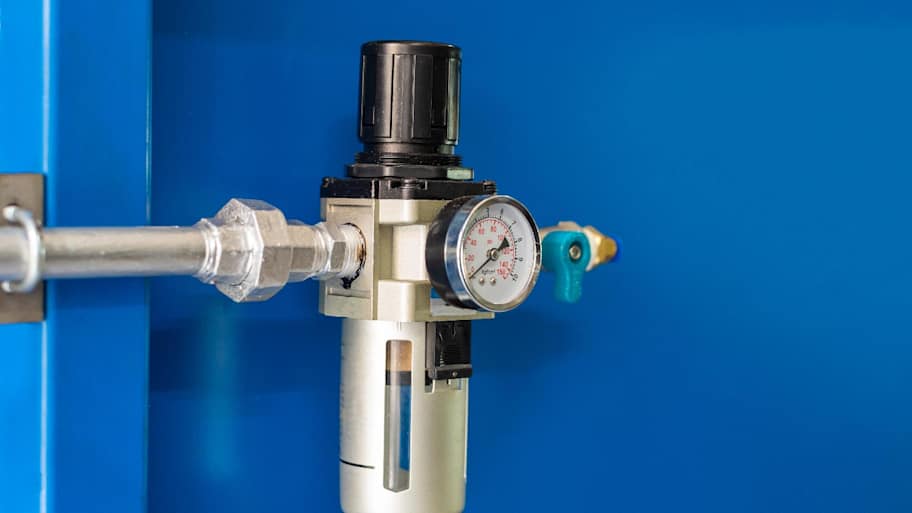
A water pressure regulator controls the water pressure in your home. It keeps pressure at a safe level. This protects your pipes and appliances.
Replacing a water pressure regulator can cost different amounts. It depends on the part and labor needed. Knowing its role and signs of failure helps homeowners decide when to replace it.
Role In Home Plumbing
The water pressure regulator reduces high water pressure from the city supply. It stops damage to pipes and fixtures. A good regulator saves water and avoids leaks.
- Keeps steady water pressure
- Protects pipes from bursts
- Prevents damage to appliances
- Helps reduce water waste
- Improves overall plumbing system life
Signs Of Failure
Water pressure regulators wear out over time. A failing regulator can cause plumbing problems. Watch for these common signs:
| Sign | What It Means |
| Water pressure too high | Regulator not reducing pressure properly |
| Water pressure too low | Blockage or malfunction inside regulator |
| Water leaks near regulator | Damaged or worn-out seals |
| Fluctuating water pressure | Regulator spring or diaphragm failing |
| Unusual noises | Internal parts breaking or vibrating |

Credit: www.amazon.ca
Factors Influencing Replacement Cost
Replacing a water pressure regulator can vary in cost. Different factors affect the total expense.
Understanding these factors helps you budget effectively for the replacement.
Type Of Regulator
The type of regulator you choose impacts the cost. Some regulators have advanced features and materials.
- Basic regulators: Typically lower in cost
- Advanced regulators: May include extra features
- Material type: Metal vs. plastic can differ in price
Labor Charges
Labor costs are a major part of the expense. The rates depend on the plumber's expertise and region.
| Experience Level | Estimated Cost |
| Beginner Plumber | $50 - $75 per hour |
| Experienced Plumber | $75 - $120 per hour |
Location And Accessibility
The location of the regulator affects how easy it is to access. Easy access means lower costs.
Additional Repairs
Sometimes, replacing the regulator reveals other problems. Fixing these issues adds to the cost.
- Leaky pipes
- Damaged fittings
- Corroded connections
Average Replacement Costs
Replacing a water pressure regulator can vary in price. Many factors affect the total cost. Knowing the average helps you plan your budget better.
This guide breaks down costs for DIY and professional services. It also looks at how prices change by region.
Diy Vs Professional Services
Doing the replacement yourself can save money but needs skill. Hiring a pro costs more but ensures safety and correct installation.
- DIY Replacement:Costs around $50 to $150 for parts.
- Professional Service:Typically costs $200 to $500 including labor.
- Tools Needed:Pipe wrench, screwdriver, and pipe cutter for DIY.
- Time:DIY can take 1 to 3 hours depending on experience.
Cost Breakdown By Region
| Region | DIY Parts Cost | Professional Cost |
|---|---|---|
| North East | $60 - $130 | $250 - $500 |
| Midwest | $50 - $120 | $200 - $450 |
| South | $55 - $125 | $220 - $480 |
| West | $65 - $140 | $260 - $520 |
Choosing The Right Regulator
Replacing a water pressure regulator needs care. Picking the right one helps keep your water system safe.
Different regulators work for different homes. You must know what fits your plumbing setup.
Pressure Ratings
Pressure rating shows the highest water pressure a regulator can handle. Choose a regulator with a rating that matches your home's water pressure.
If the pressure is too high, it can damage pipes. A regulator with the right rating keeps water flow steady and safe.
- Low pressure rating: good for small homes
- Medium pressure rating: fits most houses
- High pressure rating: needed for large systems
Material Options
Regulators come in different materials. Each type lasts for different times and suits different water types.
Brass and stainless steel are common. Brass is affordable and works well. Stainless steel lasts longer and resists rust.
- Brass: cost-effective and durable
- Stainless steel: rust-resistant and strong
- Plastic: cheaper but less durable
Brand Comparisons
Many brands make water pressure regulators. Choose brands known for quality and reliability.
Look at customer reviews and warranty offers. Trusted brands provide better support and longer-lasting products.
- Brand A: popular, good warranty
- Brand B: affordable, easy to find
- Brand C: high quality, premium price
Steps In Replacing The Regulator
Replacing a water pressure regulator helps keep your home's water flow steady. It stops damage from too much pressure. This guide shows the simple steps to replace it.
Follow these steps carefully to ensure safety and proper installation of your new regulator.
Preparation And Tools
Prepare the area and gather all tools before starting. Turn off the main water supply to avoid leaks or floods.
Having the right tools will make the job easier and faster. Make sure everything is ready before you begin.
- Adjustable wrench
- Pipe cutter or hacksaw
- Thread seal tape (Teflon tape)
- Replacement water pressure regulator
- Bucket or towels for water spills
- Safety gloves and goggles
Removal Process
Start by draining water from pipes near the regulator. This stops water from spilling out during removal.
Loosen the fittings that hold the old regulator in place. Carefully remove it without damaging the pipes.
- Open a faucet to release pressure
- Use the wrench to loosen nuts on both sides
- Remove the old regulator gently
- Check pipes for damage or corrosion
Installation Tips
Wrap the pipe threads with thread seal tape before attaching the new regulator. This prevents leaks.
Attach the new regulator tightly but do not overtighten. Turn the water back on slowly and check for leaks.
- Wrap threads clockwise with Teflon tape
- Align the regulator with the water flow direction
- Tighten the fittings securely with a wrench
- Open the main water supply slowly
- Check all connections for leaks

Credit: www.amazon.ca
Maintaining Your Water Pressure Regulator
Keeping your water pressure regulator in good shape prevents costly repairs. Regular care helps the device work properly and last longer.
This guide covers routine checks and preventive measures. These steps are simple and save you time and money.
Routine Checks
Check your water pressure regulator often to spot issues early. Look for leaks, cracks, or unusual noises near the device.
- Inspect the regulator body for damage or rust.
- Listen for hissing sounds that indicate leaks.
- Check water pressure with a gauge monthly.
- Ensure fittings and connections are tight and secure.
- Look for water stains or damp spots nearby.
Preventive Measures
Preventive care helps avoid sudden failures. Follow these tips to keep your regulator working well.
| Preventive Action | Reason | Frequency |
| Flush the regulator | Remove sediment buildup | Every 6 months |
| Replace worn washers | Stop leaks and drips | Annually or as needed |
| Test pressure setting | Ensure correct water pressure | Quarterly |
| Keep area clean | Prevent dirt and debris damage | Monthly |
When To Call A Professional
Replacing a water pressure regulator can be tricky. Some problems need expert help to fix safely.
Knowing when to call a professional saves money and avoids damage to your plumbing system.
Complex Plumbing Systems
Homes with complex plumbing need special care when replacing parts. Incorrect handling can cause leaks or pressure issues.
Professionals understand how to work with complex pipes and valves to avoid damage.
- Multiple water lines connected to the regulator
- Systems with water softeners or filtration
- Homes with older or unusual plumbing layouts
- Regulators located in hard-to-reach places
Warranty And Safety Concerns
Replacing a regulator yourself can void warranties on plumbing parts or home insurance.
Professionals ensure replacements meet safety codes. This protects your home from water damage or pressure problems.
- Licensed plumbers keep warranties valid
- They follow local plumbing safety rules
- Proper installation reduces risk of water damage
- Experts test the system after replacement

Credit: www.reddit.com
Frequently Asked Questions
How Much Does Water Pressure Regulator Replacement Cost?
Replacing a water pressure regulator typically costs between $150 and $350. This includes parts and labor. Prices vary based on location and plumber rates. High-end models may increase the cost. Always get multiple quotes for the best price.
What Factors Affect Water Pressure Regulator Replacement Price?
Costs depend on the regulator type, home size, and labor rates. Accessibility and additional repairs can increase the price. More complex systems require more time and parts, raising costs. Location also influences overall expenses due to market differences.
Can I Replace A Water Pressure Regulator Myself?
DIY replacement is possible but not recommended for beginners. It requires plumbing knowledge and proper tools. Incorrect installation can cause leaks or damage. Hiring a licensed plumber ensures safety and proper function. DIY may save money but risks costly errors.
How Long Does Water Pressure Regulator Replacement Take?
Most replacements take 1 to 2 hours to complete. Complex systems or additional repairs can extend the time. Professional plumbers work efficiently to minimize disruption. Scheduling during off-peak hours may speed up the process.
Conclusion
Replacing a water pressure regulator costs vary by parts and labor. Expect to pay for the device, plumbing fees, and any extra repairs. Choosing a skilled plumber ensures the job is done right and safely. Regular checks help avoid sudden problems and costly fixes.
Knowing these costs helps you plan your home maintenance budget better. Keep your water pressure steady and protect your pipes from damage. Act early to save money and avoid bigger issues later. Simple steps lead to long-term savings and peace of mind.