

Have you ever glued something made of wood and wondered how long you need to wait before it’s strong enough to handle? Knowing exactly how long wood glue takes to set can save you time and frustration.
Whether you’re fixing a chair, building a shelf, or working on a craft project, understanding the drying process helps you plan better and get the best results. Keep reading to discover how long you should wait, what affects the setting time, and tips to make your wood glue work perfectly every time.

Credit: thegww.com
Factors Affecting Glue Setting Time
Wood glue setting time changes based on many factors. Knowing these helps you plan your woodworking projects better.
Setting time means how long the glue takes to dry enough to hold wood parts together firmly.
Type Of Wood Glue
Different wood glues dry and set at different speeds. Some dry fast, others take longer to cure fully.
For example, PVA glue usually sets in 20-30 minutes but needs 24 hours to cure. Polyurethane glue sets faster but expands while drying.
- PVA (Polyvinyl Acetate) glue: Moderate drying time
- Polyurethane glue: Fast setting and expands
- Epoxy glue: Longer setting but very strong
- Hide glue: Quick tack but slower full cure
Wood Species And Porosity
Different woods absorb glue at different rates. Porous woods soak up glue quickly, which may speed setting.
Dense or oily woods slow glue absorption and can delay drying and setting time.
- Softwoods like pine absorb glue fast
- Hardwoods like oak absorb glue slower
- Oily woods like teak resist glue absorption
Temperature And Humidity
Warm temperatures speed up glue drying and setting. Cold slows it down.
High humidity can slow drying because moisture stays in the glue longer. Low humidity helps glue dry faster.
- Ideal temperature: 70°F to 80°F (21°C to 27°C)
- High humidity delays setting time
- Low humidity speeds up drying
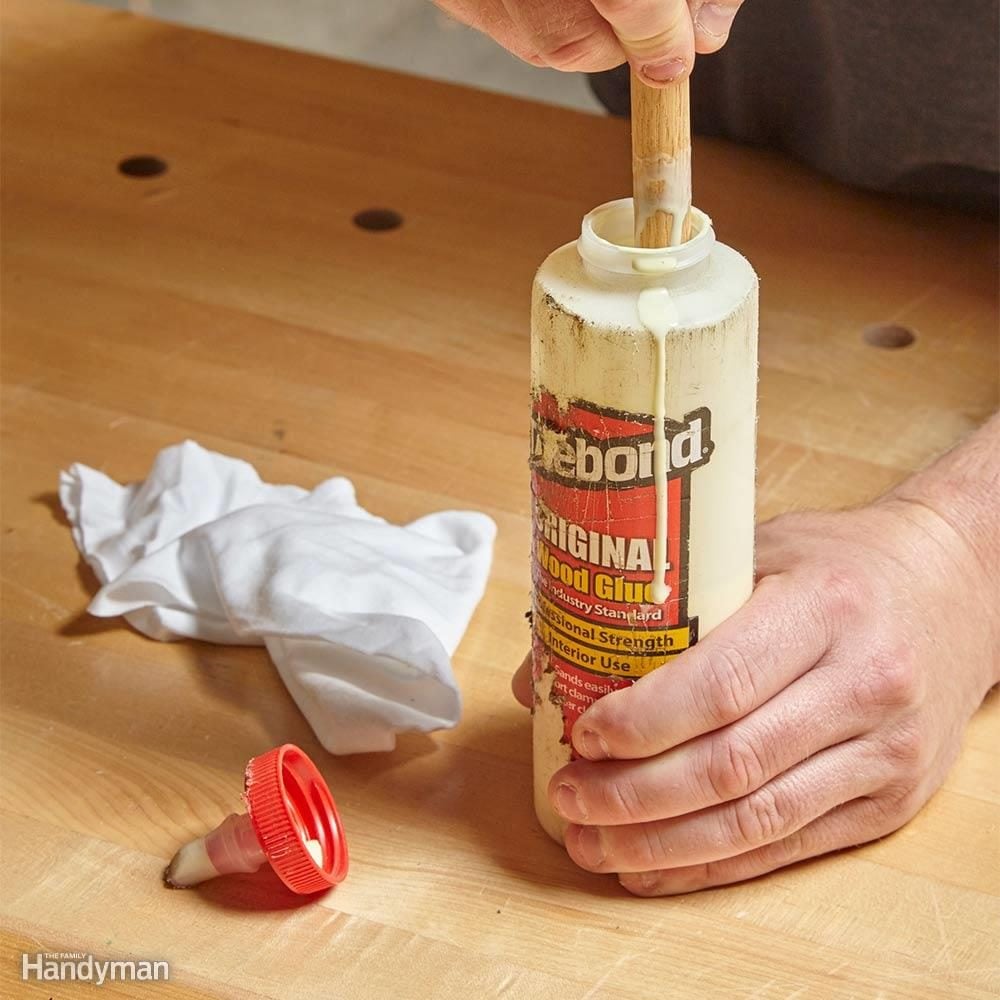
Amount Of Glue Applied
Using too much glue increases drying time. The glue layer takes longer to dry and set.
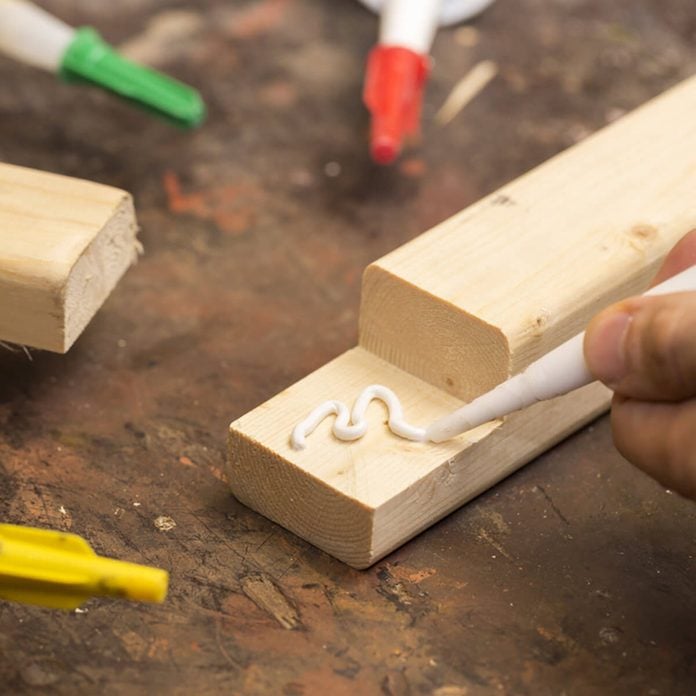
Applying a thin, even layer helps glue set faster and creates a stronger bond.
- Thick glue layers take longer to dry
- Thin glue layers dry and set faster
- Use just enough glue to cover surfaces
Credit: www.familyhandyman.com
Typical Setting Times For Wood Glue
Wood glue is used to bond pieces of wood together. Knowing how long it takes to set helps plan your work.
Different types of wood glue have different setting times. This guide explains typical durations for common glues.
Pva Glue Setting Duration
PVA glue is the most common wood glue. It is easy to use and dries clear.
PVA glue usually sets in 30 minutes to 1 hour. Full strength takes about 24 hours.
- Initial set: 30 minutes to 1 hour
- Clamp time: 20 to 30 minutes
- Full cure: 24 hours
Polyurethane Glue Timing
Polyurethane glue works by reacting with moisture. It creates a strong, waterproof bond.
This glue sets faster than PVA but needs clamp time. It cures fully in 24 hours.
- Initial set: 20 to 30 minutes
- Clamp time: 1 to 2 hours
- Full cure: 24 hours
Epoxy Glue Cure Time
Epoxy glue is a two-part adhesive. It mixes resin and hardener for a strong bond.
Epoxy sets in 5 to 30 minutes, depending on the formula. Full cure can take up to 24 hours.
- Initial set: 5 to 30 minutes
- Clamp time: varies by product
- Full cure: 12 to 24 hours
Cyanoacrylate Glue Speed
Cyanoacrylate glue, or super glue, bonds wood very fast. It works best on small surfaces.
This glue sets in seconds and does not need clamping. Full strength builds in 24 hours.
- Initial set: 10 to 30 seconds
- No clamp needed
- Full cure: 24 hours
Tips To Speed Up Wood Glue Bonding
Wood glue takes time to set and create a strong bond. You can speed up this process with the right methods.
Follow these tips to make your wood glue dry faster and hold better.
Proper Surface Preparation
Clean and dry surfaces help wood glue stick quickly. Remove dirt, dust, and old glue before applying new glue.
- Sand surfaces lightly for better grip
- Wipe with a damp cloth to remove dust
- Let the wood dry completely before gluing
Using Clamps Effectively
Clamps hold wood pieces tightly while the glue sets. This pressure helps the glue bond faster and stronger.
- Place clamps evenly along the glued area
- Do not overtighten to avoid squeezing glue out
- Keep clamps on for the recommended setting time
Optimizing Environmental Conditions
Temperature and humidity affect how fast wood glue dries. Warm, dry air helps glue set quicker.
| Condition | Effect on Drying Time |
| Warm Temperature (70-80°F) | Speeds up drying |
| High Humidity | Slows drying |
| Good Airflow | Helps moisture evaporate |
Choosing Fast-setting Glue Types
Some wood glues dry faster than others. Choose a fast-setting type to reduce waiting time.
| Glue Type | Setting Time | Best Use |
|---|---|---|
| PVA (Standard Wood Glue) | 20-30 minutes | General woodworking |
| Fast-Setting PVA | 5-10 minutes | Quick repairs |
| Polyurethane Glue | 30-60 minutes | Outdoor projects |
| Cyanoacrylate (Super Glue) | Seconds | Small joints and quick fixes |
Credit: www.familyhandyman.com
Signs Wood Glue Has Set Properly
Wood glue is a common adhesive for woodworking projects. Knowing when it has set properly is important for strong bonds.
This guide explains how to tell if wood glue has dried and bonded well using clear signs.
Visual Indicators
One way to check if wood glue has set is by looking closely at the glued area. The glue changes color and texture as it dries.
- The glue turns from milky white to clear or slightly amber.
- The surface looks dry, not shiny or wet.
- No gaps or bubbles appear at the joint.
- The wood pieces stay tightly together with no movement.
Touch And Feel Tests
Touching the glued joint helps confirm if it is dry and firm. Use gentle pressure at first.
- The glued area feels hard and not sticky.
- The wood surface around the glue is smooth and even.
- Press lightly; no residue should come off on your finger.
- The joint should not flex or separate under light pressure.
Strength Testing Methods
Testing the strength of the bond confirms the glue is fully set. Use safe methods to avoid damage.
| Test Type | How to Perform | What to Look For |
|---|---|---|
| Light Pull | Gently pull the wood pieces apart by hand. | Joint holds firm with no loosening. |
| Tapping | Tap the joint lightly with a small hammer. | Solid sound and no movement. |
| Weight Test | Hang or place weight on the glued area. | No slipping or cracking of the bond. |
Common Mistakes That Delay Glue Setting
Wood glue sets through a chemical reaction that needs the right conditions. Some common mistakes slow down this process. Knowing these can help you get faster, stronger bonds.
Below are three frequent errors that delay wood glue from setting properly. Avoiding these will improve your woodworking projects.
Applying Excess Glue
Using too much glue can actually slow down the drying time. Excess glue stays wet longer and weakens the bond. It also creates a mess that can affect the finish of your wood.
- Apply glue in a thin, even layer.
- Too much glue causes longer drying times.
- Clean off excess glue before it dries.
Insufficient Clamping Pressure
Clamping holds wood pieces tightly while glue sets. Without enough pressure, the glue cannot bond well. This leaves gaps and weak joints that take longer to dry or fail.
| Clamping Pressure | Effect on Glue Setting |
| Too Low | Weak bond, slow setting, gaps |
| Proper | Strong bond, normal drying time |
| Too High | Glue squeezed out, weak bond |
Ignoring Environmental Factors
Temperature and humidity change how fast wood glue dries. Cold or damp conditions slow the chemical reaction. Hot or dry air can speed it up too much, causing weak joints.
Tips to manage environment for glue setting:
- Keep your workspace between 65°F and 75°F (18°C - 24°C).
- Maintain humidity around 40% to 60%.
- Avoid drafts or direct sunlight on glued parts.
- Use heaters or humidifiers if needed.
When To Apply Finishes After Gluing
Wood glue is essential for strong joints. Knowing when to apply finishes is key. Proper timing ensures the best results for your project.
Applying finishes too soon can ruin your work. Waiting the right amount of time is crucial for durability and appearance.
Wait Time Before Sanding
Sanding is important for a smooth finish. Wait until the glue is fully set before sanding.
Usually, wood glue takes 24 hours to set. Check the manufacturer's instructions for exact times.
- Test a small area first
- Ensure no glue seepage
- Use fine-grit sandpaper
Painting And Staining Guidelines
Paint and stain add color and protection. It's important to apply them at the right time.
After gluing, wait at least 24 to 48 hours. This ensures the glue is fully cured and won't interfere with the finish.
- Use a primer if painting
- Test stain on a hidden area
- Apply thin, even coats
Frequently Asked Questions
How Long Does Wood Glue Take To Set Fully?
Wood glue usually sets within 20 to 30 minutes. However, full curing can take 24 hours. Clamping time affects setting speed. For best results, follow the manufacturer's instructions closely.
Can I Speed Up Wood Glue Drying Time?
Yes, you can speed up drying by increasing temperature and humidity. Using a fan or heater helps. Avoid excessive moisture, which weakens the bond. Proper clamping also ensures faster and stronger adhesion.
Is It Safe To Handle Wood After Glue Sets?
After 20-30 minutes, wood can be handled gently. Full strength develops in 24 hours. Avoid heavy stress until glue fully cures. Proper clamping improves safety and bond durability.
Does Wood Type Affect Glue Setting Time?
Yes, hardwoods and softwoods absorb glue differently. Porous woods may dry faster. Dense woods might need longer clamping. Adjust glue amount and drying time based on wood type for best results.
Conclusion
Wood glue usually takes 20 to 30 minutes to set. Full strength often needs 24 hours of drying. Temperature and humidity can change drying time. Clamping the wood helps glue stick better and faster. Patience ensures a strong and lasting bond.
Always follow glue instructions for best results. Wood glue works best when used on clean, dry surfaces. Small projects may dry quicker than large ones. Knowing glue times helps plan your woodworking tasks well. The right wait time means stronger, safer wood joints.