
Have you ever accidentally gotten super glue stuck on your fingers, clothes, or even furniture? It can feel frustrating and impossible to remove.
But don’t worry—you’re not alone, and there are simple tricks you can try right now to fix this sticky situation. You’ll discover easy and effective ways to get rid of super glue quickly and safely. Keep reading, and you’ll be free from that stubborn glue in no time.
Common Surfaces Affected
Super glue can stick to many surfaces by accident. Knowing how to remove it depends on the surface type.
This guide explains how to get rid of super glue from skin, fabric, wood, metal, and plastic.
Skin
Super glue on skin can cause discomfort and stickiness. It often bonds quickly to fingers or hands.
Soak the glued skin in warm, soapy water. Gently rub with a soft cloth or use acetone to loosen the glue.
- Do not pull skin apart forcefully
- Use moisturizer after glue removal
- Acetone may irritate sensitive skin
Fabric
Super glue can stain clothes and fabrics quickly. It dries hard and may damage fabric fibers.
Try to scrape off excess glue carefully. Apply acetone to a hidden area first to test colorfastness.
- Use cold water to rinse after treatment
- Do not use hot water; it sets the glue
- Wash fabric normally after glue removal
Wood
Super glue on wood can cause surface damage if removed incorrectly. Wood is porous and may absorb glue.
Gently scrape the glue with a plastic scraper. Use acetone sparingly to avoid wood discoloration.
- Test acetone on a small spot first
- Sand lightly after glue removal if needed
- Clean the area with a damp cloth
Metal
Super glue sticks firmly to metal surfaces. It may leave residue or marks if removed roughly.
Use acetone or nail polish remover to soften glue. Scrape gently with a plastic or wooden tool.
- Avoid metal tools that scratch surfaces
- Wipe area clean with a soft cloth
- Repeat if glue remains after first try
Plastic
Super glue can damage some plastics by melting or discoloring them. Removal requires care.
Test acetone on a hidden plastic area first. Use it to dissolve glue gently and wipe clean.
- Do not use sharp tools that scratch plastic
- Work slowly to avoid plastic damage
- Rinse with water after glue removal
Immediate Actions After Spillage
Spilling super glue can be a sticky problem. Acting fast helps reduce damage.
Knowing what to do right after the spill makes cleanup easier and safer.
Avoid Pulling Or Ripping
Do not pull or rip the glued area. This can cause skin damage or spread glue.
Let the glue dry naturally or use other safe removal methods instead.
Blotting Excess Glue
Use a clean cloth or paper towel to blot excess glue gently. Do not rub.
Blotting stops glue from spreading and makes later removal easier.
- Blot immediately after the spill
- Use a dry or slightly damp cloth
- Avoid spreading the glue to other areas
Solvent-based Removal Methods
Super glue sticks very well and can be hard to remove. Solvent-based methods help break down the glue. These methods use common liquids to soften the glue for easier removal.
Using the right solvent can save your skin or surfaces from damage. Always test solvents on a small spot first.
Using Acetone Or Nail Polish Remover
Acetone is a strong solvent that dissolves super glue quickly. Nail polish remover often contains acetone and works well too.
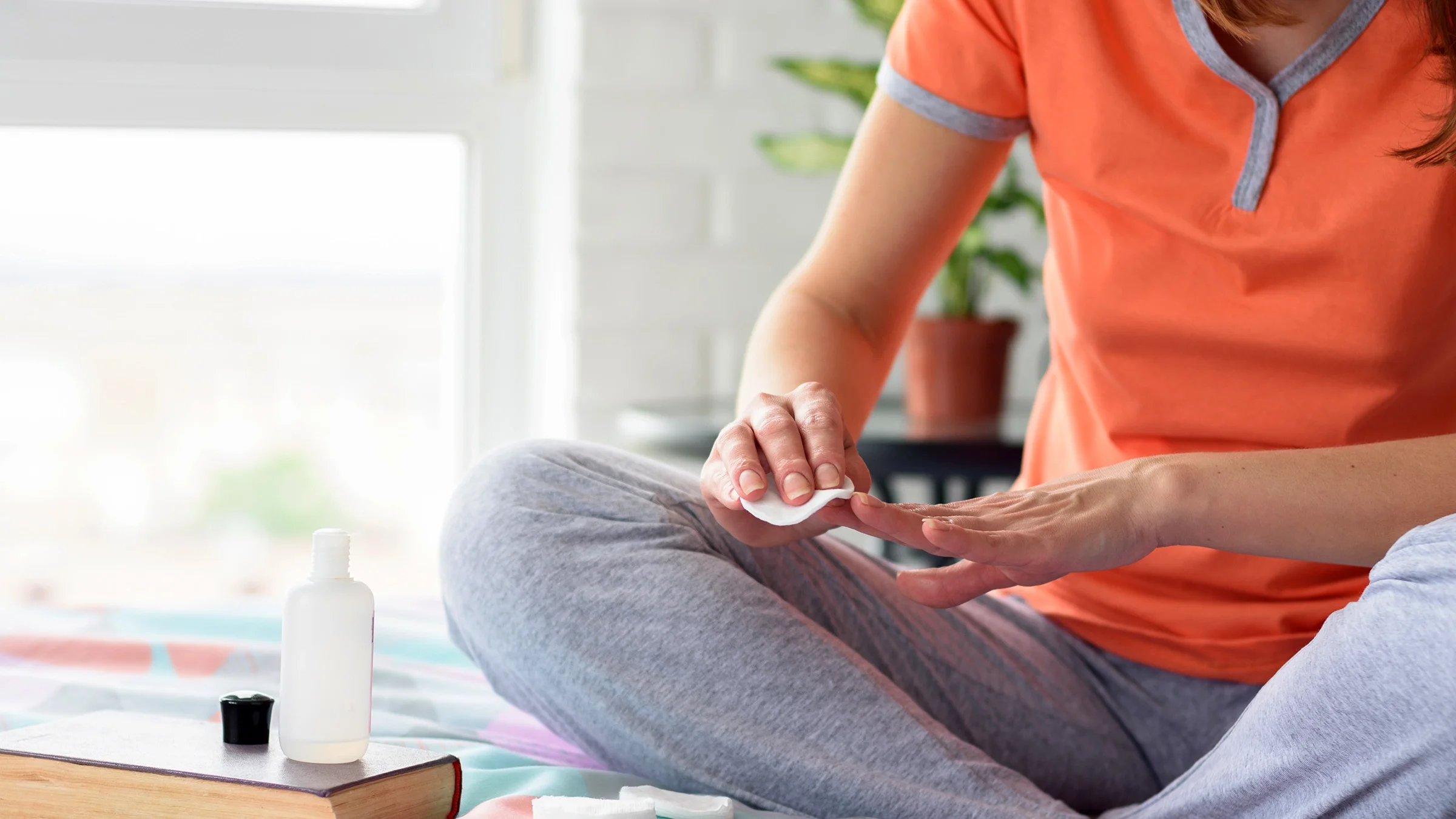
Apply a small amount of acetone or nail polish remover to a cotton ball. Dab the glue gently until it softens. Then, rub or peel the glue away carefully.
- Use in a well-ventilated area
- Avoid acetone on painted surfaces
- Protect your skin by wearing gloves
Applying Rubbing Alcohol
Rubbing alcohol is less harsh than acetone but still helps remove super glue. It works by softening the glue’s hold.
Soak a cloth or cotton ball with rubbing alcohol. Press it on the glue for a few minutes. Then, try to rub the glue off gently.
- Use 70% or higher concentration
- Repeat application if needed
- Good for skin and some surfaces
Other Household Solvents
Other common solvents can help remove super glue. These include white vinegar, lemon juice, and paint thinner. When using these solvents, it’s essential to test a small area first to ensure there’s no adverse reaction, especially on sensitive surfaces or skin. For those struggling with removing super glue from skin, soaking the affected area in warm soapy water can also help loosen the adhesive before applying any solvent. Patience is key, as gentle peeling or rubbing may be required after applying the chosen solution.
White vinegar and lemon juice are mild acids that break down glue slowly. Paint thinner is stronger and works faster but can damage some materials.
- White vinegar and lemon juice: safe for skin, slower action
- Paint thinner: use with caution, avoid on plastic or painted surfaces
- Always test solvents on a small area first

Credit: www.diyncrafts.com
Natural Removal Alternatives
Super glue can be hard to remove once it sticks to your skin or surfaces. You do not always need harsh chemicals. Natural options can help soften and remove the glue gently.
These simple methods use items you might already have at home. They work well and are safe for most skin types.
Warm Soapy Water Soak
Soaking the glued area in warm, soapy water helps loosen the glue. The warm water softens the glue, making it easier to peel off.
Use mild soap to avoid skin irritation. Soak for 10 to 20 minutes and gently rub the area to remove glue bits.
- Fill a bowl with warm water
- Add a few drops of mild soap
- Soak the glued skin or item
- Gently rub to break glue bonds
- Repeat if needed
Using Oils And Butter
Oils and butter can help break down super glue. They work by softening the glue’s grip on your skin or surfaces.
Apply olive oil, coconut oil, or butter to the glued area. Let it sit for a few minutes. Then gently rub or peel the glue off.
- Choose olive oil, coconut oil, or butter
- Apply a small amount on the glue
- Wait 5 to 10 minutes
- Rub gently to remove the glue
- Wash the area after removal
Salt Scrub Technique
The salt scrub acts as a natural exfoliant. It helps to rub away the glue without hurting your skin.
Mix salt with a little water to make a paste. Rub this paste over the glued skin in small circles until the glue loosens.
- Mix 1 tablespoon of salt with a few drops of water
- Make a thick paste
- Rub the paste gently on the glue
- Use circular motions to exfoliate
- Rinse and repeat if needed
Tools To Aid Removal
Removing super glue can be tricky. Using the right tools helps make the process easier and safer.
These tools work best to loosen or scrape off dried glue without harming your skin or surfaces.
Tweezers And Pumice Stones
Tweezers help pull off small glue bits. Use them gently to avoid skin damage.
Pumice stones can rub away glue on tougher skin areas. Soak the skin first to soften glue.
Cotton Swabs And Cloths
Cotton swabs soak up solvents like acetone. This helps soften the glue for easier removal.
- Use a cotton swab to apply the solvent carefully.
- Blot the area gently with a soft cloth.
- Keep changing the cloth to avoid spreading glue.
- Do not rub too hard to protect the skin.
Scrapers And Blades
Scrapers and blades can lift glue from flat surfaces. Always use them with care.
| Tool | Use | Safety Tip |
| Plastic Scraper | Gently lift glue | Less likely to scratch |
| Razor Blade | Careful scraping | Hold at low angle, avoid skin |
| Credit Card Edge | Scrape off soft glue | Use light pressure |

Credit: pbphomerepair.com
Precautions And Safety Tips
Super glue can be tricky to remove once it sticks. Taking the right precautions can help you handle it safely.
These tips will guide you on how to protect your skin and eyes, ensure proper ventilation, and avoid damaging surfaces.
Protecting Skin And Eyes
Super glue can irritate the skin and eyes. Wear protective gear to keep safe.
- Wear gloves to prevent glue contact with skin.
- Use safety goggles to protect eyes from glue splashes.
Ventilation And Chemical Use
Working with super glue needs good ventilation. Avoid breathing in fumes.
- Open windows or use fans to circulate air.
- Wear a mask if the smell is strong.
Avoiding Damage To Surfaces
Super glue can damage surfaces if used carelessly. Protect your furniture and floors.
- Use a drop cloth or newspaper to cover work areas.
- Test glue on a small area before applying to larger surfaces.
Preventing Future Glue Mishaps
Super glue can be tricky to handle. It is important to know how to prevent accidents. Here are some tips to help you avoid glue mishaps in the future.
Proper Storage Of Super Glue
Keeping super glue stored properly can prevent unwanted leaks. Always ensure that the cap is tightly sealed after use.
Store glue in a cool and dry place. Avoid direct sunlight and keep it out of reach of children.
- Use original packaging for storage
- Keep in a vertical position
- Store at room temperature
Using Protective Gear
Wearing protective gear can help you stay safe while using super glue. Gloves protect your skin from accidental contact with glue.
Safety goggles are also important. They protect your eyes from accidental splashes.
- Wear disposable gloves
- Use safety goggles
- Consider a mask for ventilation
Controlled Application Techniques
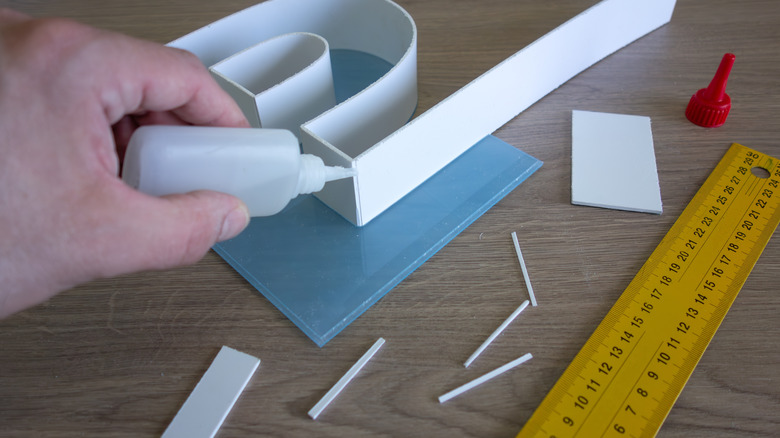
Applying glue carefully reduces the chances of mishaps. Use the smallest amount needed for the task.
Apply glue slowly and steadily. This control helps you avoid spills and excess glue.
- Use precision tips for application
- Apply glue in small drops
- Keep a steady hand
Credit: www.housedigest.com
Frequently Asked Questions
How Can I Safely Remove Super Glue From Skin?
Apply warm soapy water to soften the glue. Gently rub with a pumice stone or nail file. Avoid harsh chemicals to prevent skin irritation.
What Household Items Dissolve Super Glue Effectively?
Acetone, found in nail polish remover, dissolves super glue quickly. Use a cotton ball to apply and wipe gently. Test on a small area first.
How Do I Get Super Glue Off Fabric Without Damage?
Place fabric on a flat surface. Dab acetone on the glue spot carefully. Blot gently, then wash fabric as usual.
Can Heat Help Remove Super Glue From Surfaces?
Yes, heat softens super glue. Use a hairdryer on low heat to warm the glue. Then, peel or wipe it off carefully.
Conclusion
Getting rid of super glue is easier than you think. Use common household items like acetone or warm soapy water. Be patient and gentle to avoid damage. Test on a small area first. Repeat steps if needed. Stay safe by wearing gloves and working in a ventilated space. If you find that the super glue persists, consider using a commercial adhesive remover specifically designed for this purpose. Additionally, there are many online resources and tutorials available that provide detailed instructions on how to remove super glue effectively. Always remember to follow safety precautions and keep these materials away from children and pets. If you're dealing with stubborn residue, consider using a scraper or a credit card to gently lift the glue after softening it. Additionally, remember that how to remove super glue safely involves keeping the area well-ventilated to prevent inhalation of harmful fumes. Always dispose of any materials used for cleaning responsibly to ensure safety in your environment. If you're specifically looking for how to remove super glue from skin, soaking the affected area in warm soapy water can help loosen the adhesive. Additionally, rubbing a small amount of acetone on a cotton ball and applying it gently can effectively dissolve the glue. Always wash your hands thoroughly afterward to remove any residue. If you find yourself in a sticky situation and need to remove super glue from hands, soaking your fingers in warm soapy water can help loosen the bond. For stubborn glue, consider using a cotton ball soaked in acetone, but be mindful of your skin's sensitivity. Always wash your hands thoroughly after the process to ensure all residue is gone.
With care, you can remove glue without stress. Keep these tips in mind for future spills. Small accidents don’t have to cause big problems. You’ve got this!