
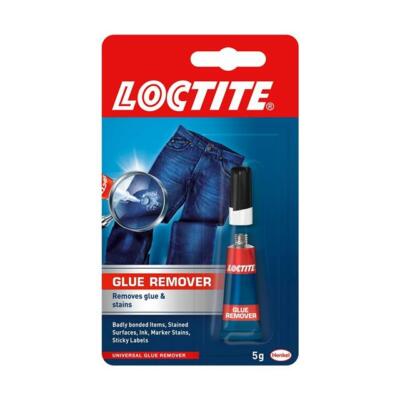
Have you ever accidentally glued your fingers together with Loctite Super Glue and felt completely stuck? You’re not alone.
Super glue is incredibly strong, which makes it perfect for quick fixes—but getting it off your skin or surfaces can be a real challenge. If you want to know how to safely and effectively get rid of Loctite Super Glue without causing damage or frustration, you’ve come to the right place.
Keep reading, and you’ll discover simple tricks that work fast, so you can free yourself from sticky situations in no time.
Common Uses Of Loctite Super Glue
Loctite Super Glue is a strong adhesive used in many homes and workplaces. It bonds quickly and holds tightly on many materials.
This glue works well for small repairs and craft projects. It is popular because it dries fast and creates a durable bond.
Repairing Broken Items
People often use Loctite Super Glue to fix broken objects. It works well on ceramics, plastics, and wood. It helps restore items like toys, mugs, and furniture parts.
Crafting And Diy Projects
Many crafters choose this glue to join materials quickly. It bonds paper, fabric, and small metal pieces. This makes it useful for jewelry making and model building.
Electronics And Small Parts Assembly
Loctite Super Glue also helps in electronics repair. It can hold small parts in place on circuit boards. The glue’s precision tip allows careful application without mess.
Household Fixes
- Fixing loose buttons or shoe soles
- Sealing cracks in plastic containers
- Reattaching decorations or trims
- Repairing eyeglass frames
Materials Loctite Super Glue Works On
| Material | Use |
| Plastic | Fix toys, containers, and parts |
| Ceramic | Repair dishes and decorations |
| Wood | Join small furniture pieces |
| Metal | Attach small metal objects |
| Rubber | Seal cracks and tears |
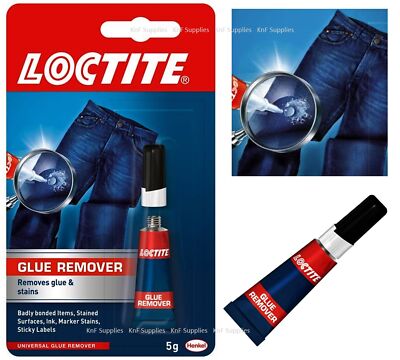
Credit: www.ebay.com
Why Removing Loctite Super Glue Can Be Challenging
Loctite Super Glue creates a strong bond that lasts long. This strong hold makes it hard to remove once it dries. Understanding why it is difficult to remove helps you handle spills better.
The glue works by curing quickly with moisture in the air. This process creates a tight seal that sticks to many surfaces tightly. Removing it without damage is a careful task.
Strong Chemical Bond
Loctite Super Glue forms a chemical bond that is very tough. It links molecules of glue and the surface together. This bond resists breaking, making removal difficult.
Fast Drying Time
The glue dries in seconds, leaving little time to wipe it off. Once dried, it hardens and sticks firmly. Quick drying helps the glue hold but stops easy cleanup.
Adhesion To Various Surfaces
Loctite Super Glue works on many materials like plastic, metal, and skin. Its ability to bond different surfaces adds to the challenge of removal. Some surfaces may get damaged if removed incorrectly.
- Porous surfaces absorb glue, making it tough to clean
- Smooth surfaces allow strong surface bonds
- Flexible materials may tear when glue is pulled off
Resistance To Water And Heat
The glue resists water and heat once set. This resistance keeps the bond stable in many conditions. It also slows down removal methods that use water or heat to soften glue.
| Property | Effect on Removal |
| Water Resistance | Glue does not dissolve in water |
| Heat Resistance | High heat needed to soften glue |
| Strong Adhesion | Glue sticks tightly to surfaces |
| Fast Curing | Little time to remove before hardening |
Safety Precautions Before Removal
Loctite super glue bonds quickly and strongly. Removing it needs care to avoid harm.
Follow safety steps to protect your skin, eyes, and lungs during removal.
Wear Protective Gloves
Gloves stop the glue from sticking to your skin. Use nitrile or latex gloves.
Change gloves if they get damaged or sticky to keep your hands safe.
Work In A Well-ventilated Area
Glue remover chemicals can cause dizziness or breathing problems. Open windows or use fans.
Avoid tight spaces to reduce inhaling harmful fumes during the process.
Protect Your Eyes
Wear safety goggles to shield your eyes from glue or remover splashes.
If glue or chemicals touch your eyes, rinse immediately with water and seek help.
Avoid Skin Contact
Super glue sticks fast and can irritate skin. Do not rub or pull it off harshly.
Use gentle methods and wash your skin with soap and water after removal.
Keep Away From Flames
Some glue removers are flammable. Do not use near open flames or sparks.
- Turn off candles, stoves, and heaters before starting
- Store chemicals safely after use
- Use only small amounts of remover
Using Acetone To Dissolve Super Glue
Removing Loctite super glue can be tricky. Acetone is a strong solvent that helps dissolve the glue safely.
Using acetone correctly makes the removal process easier and protects your skin and surfaces.
Choosing The Right Acetone Product
Not all acetone products work the same. Pick one that is pure and safe for your needs.
- Choose pure acetone or nail polish remover with high acetone content.
- Avoid acetone blends with added fragrances or oils.
- Use acetone in a well-ventilated area to reduce fumes.
- Check labels for skin-safe warnings if you apply acetone on skin.
Step-by-step Application Process
Follow these steps carefully to remove Loctite super glue using acetone.
- Wear gloves to protect your skin from acetone.
- Soak a cotton ball or swab with acetone.
- Apply the acetone to the glue spot gently.
- Wait for a few minutes to let the acetone dissolve the glue.
- Use a soft cloth or scraper to rub off the softened glue.
- Repeat if any glue remains.
- Wash the area with soap and water to remove acetone residue.
| Tip | Reason |
| Test acetone on a small area first | Prevents damage to sensitive surfaces |
| Do not use acetone near open flames | Acetone is highly flammable |
| Use acetone sparingly on painted surfaces | Avoid paint damage |
Applying Warm Soapy Water For Gentle Removal
Loctite Super Glue can be tricky to remove from skin or surfaces. Warm soapy water offers a gentle method to tackle this task. It softens the glue and makes it easier to peel away.
This method is safe and effective for most materials. It uses simple household items you already have at home.
Best Soaps To Use
Choosing the right soap is important for removing super glue. Some soaps work better than others.
- Liquid dish soap is a great option for its grease-cutting properties.
- Hand soap can also be effective, especially if it is gentle on skin.
- Avoid soaps with added moisturizers, as they might not work as well.
Soaking Techniques
Soaking the area helps loosen the glue. Use warm water to speed up the process.
Fill a bowl with warm soapy water. Submerge the glued area and let it soak for 10-15 minutes. Gently rub the area to peel off the glue.
- Reheat the water if it cools down too much.
- Use a soft cloth to rub the glue, avoiding any hard scrubbing.
- Repeat the process if glue remains.
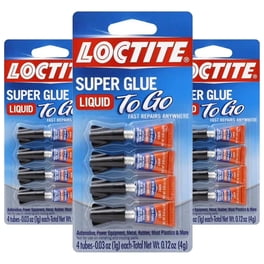
Credit: www.walmart.com
Mechanical Methods To Remove Glue
Removing Loctite super glue can be tricky. Mechanical methods use physical force to break the glue bond.
These methods work well on hard surfaces. They help to lift or scrape off the glue safely.
Scraping And Peeling Tips
Scraping is a simple way to remove glue. Use a plastic scraper or dull knife to avoid damage.
Peeling works if the glue layer is thick or dried in a clump. Slowly lift the edges to peel it off.
- Hold the surface firmly to avoid slips
- Work gently to prevent scratches
- Heat the glue slightly to soften it
- Use slow, steady motions for peeling
Using A Nail File Or Emery Board
A nail file or emery board can gently sand off glue. This works best on small spots or edges.
Use light strokes to avoid damaging the surface. Take breaks to check progress.
- Choose a fine-grit nail file for smooth sanding
- File in one direction to reduce scratches
- Use soft pressure to avoid surface damage
- Clean the area after filing to remove dust
Other Household Remedies To Try
Loctite Super Glue can be tough to remove. Luckily, household items might help. Try these simple remedies to get rid of stubborn glue.
These solutions use common items found in many homes. They are easy and safe for most surfaces.
Using Petroleum Jelly
Petroleum jelly can soften glue bonds. Apply a generous amount to the affected area. Let it sit for a few hours.
- Apply petroleum jelly over the glue.
- Leave it for 3-5 hours.
- Gently scrape off softened glue with a blunt tool.
Applying Baking Soda Paste
Baking soda mixed with water forms a paste that can lift glue. It's gentle and non-abrasive.
- Mix equal parts of baking soda and water.
- Apply the paste on the glue spot.
- Let it dry for 15 minutes.
- Wipe off with a damp cloth.
Rubbing Alcohol Benefits
Rubbing alcohol can dissolve glue effectively. It works well on non-porous surfaces.
| Surface Type | Effectiveness |
| Glass | High |
| Metal | Medium |
| Wood | Low |
Dab rubbing alcohol on the glue with a cotton ball. Let it sit for a few minutes. Wipe off with a clean cloth.
When To Seek Professional Help
Removing Loctite super glue can be tricky. Sometimes, you might face problems that need expert care.
This section explains when to ask for professional help to avoid damage or injury.
Severe Skin Contact
If the glue bonds skin tightly or covers a large area, do not try to peel it off. This can cause pain or skin damage.
Seek medical help if you experience swelling, redness, or pain after glue exposure.
Glue In Sensitive Areas
Glue in eyes, mouth, or nose needs immediate professional attention. Do not try to remove it yourself.
These areas are delicate and may suffer serious injury if handled incorrectly.
Damage To Valuable Items
If Loctite glue sticks to valuable or delicate objects, it is best to ask an expert for removal.
- Antiques or collectibles
- Electronics and gadgets
- Glass, ceramics, or polished surfaces
Persistent Glue Stains
Sometimes, glue remains after several removal attempts. Professionals have better tools to clean these stains safely.
| Problem | Recommended Action |
| Glue causing skin irritation | Visit a healthcare provider |
| Glue in eyes or mouth | Get emergency medical care |
| Glue on valuable items | Consult a professional cleaner |
| Glue stains not removing | Hire expert cleaning services |
Preventing Loctite Super Glue Stains In Future
Loctite Super Glue can leave tough stains on surfaces and skin. Preventing these stains saves time and effort later. Taking care during use helps keep your workspace clean and safe.
Using the right methods protects your items and avoids sticky messes. Follow these tips to reduce the chance of stains from Loctite Super Glue.
Proper Application Techniques
Applying Loctite Super Glue with care lowers the risk of stains. Use the glue sparingly and avoid spills. Small amounts bond better and reduce overflow.
- Clean the surfaces before applying glue.
- Apply a small drop of glue to one surface only.
- Press the surfaces together firmly but gently.
- Hold for a few seconds to let the glue set.
- Wipe any excess glue immediately with a damp cloth.
Using Protective Barriers
Protective barriers prevent glue from reaching unwanted areas. Cover your work surface and wear gloves to avoid skin contact.
| Barrier Type | Purpose | Notes |
| Plastic Sheet | Protects tables and counters | Easy to clean or discard |
| Disposable Gloves | Protects hands from glue | Use nitrile or latex gloves |
| Masking Tape | Defines glue area | Removes cleanly after use |
| Paper Towels | Quick clean-up | Keep nearby for spills |

Credit: www.amazon.com
Frequently Asked Questions
How Can I Safely Remove Loctite Super Glue From Skin?
To remove Loctite Super Glue from skin, soak the area in warm soapy water. Then gently rub with a pumice stone or use acetone-based nail polish remover. Avoid harsh scrubbing to prevent irritation. Moisturize afterward to soothe your skin. If the glue persists, you can try applying a small amount of oil, such as olive oil or coconut oil, to help break down the adhesive. Be patient, as removing super glue from skin may take some time, but gradual application will yield better results. Always wash the area thoroughly after the glue is removed to prevent any residue from causing further irritation.
What Household Items Dissolve Loctite Super Glue Effectively?
Acetone, found in nail polish remover, is the most effective household item to dissolve Loctite Super Glue. Warm soapy water and vinegar can help loosen the glue but are less effective. Always test on a small area first to avoid damage.
Can Loctite Super Glue Be Removed From Fabric?
Yes, remove Loctite Super Glue from fabric by soaking it in acetone or nail polish remover. Blot gently to avoid spreading. Wash the fabric immediately after treatment. Some delicate fabrics may require professional cleaning to prevent damage.
Is It Safe To Use Acetone To Remove Loctite Super Glue?
Yes, acetone is safe for removing Loctite Super Glue if used carefully. Avoid contact with eyes and prolonged skin exposure. Use in a well-ventilated area and test on small surfaces before full application.
Conclusion
Removing Loctite super glue takes patience and the right steps. Start by softening the glue with warm soapy water or acetone. Gently scrape or peel it off once loosened. Avoid using sharp tools that can damage surfaces. Always test cleaners on a small area first. If you’re in a hurry, consider using a commercial adhesive remover specifically designed for super glue; these can often expedite the process. Additionally, applying a small amount of rubbing alcohol can help dissolve the glue more effectively. For those seeking tips on how to remove super glue quickly, keeping the area well-ventilated and using protective gloves is crucial for safety. If you find yourself needing to remove super glue from fingers, consider using petroleum jelly or a citrus-based adhesive remover for effective results. Applying these substances can help break down the bond without harming your skin. Afterward, wash your hands thoroughly to ensure all residue is removed.
With care, the glue will come off cleanly. Keep these tips handy for future spills. You can handle stubborn glue without stress or damage. Simple actions lead to great results every time.