
Imagine having pure, clean water flowing from every tap in your home. No more worrying about strange tastes, harmful chemicals, or contaminants in your drinking water.
A whole house reverse osmosis system can make this your reality. But how exactly does it work to protect your family and improve your water quality? If you’ve ever wondered how this powerful system cleans water for your entire home, keep reading.
You’ll discover the simple steps behind the process and why it might be the best choice for your health and peace of mind.
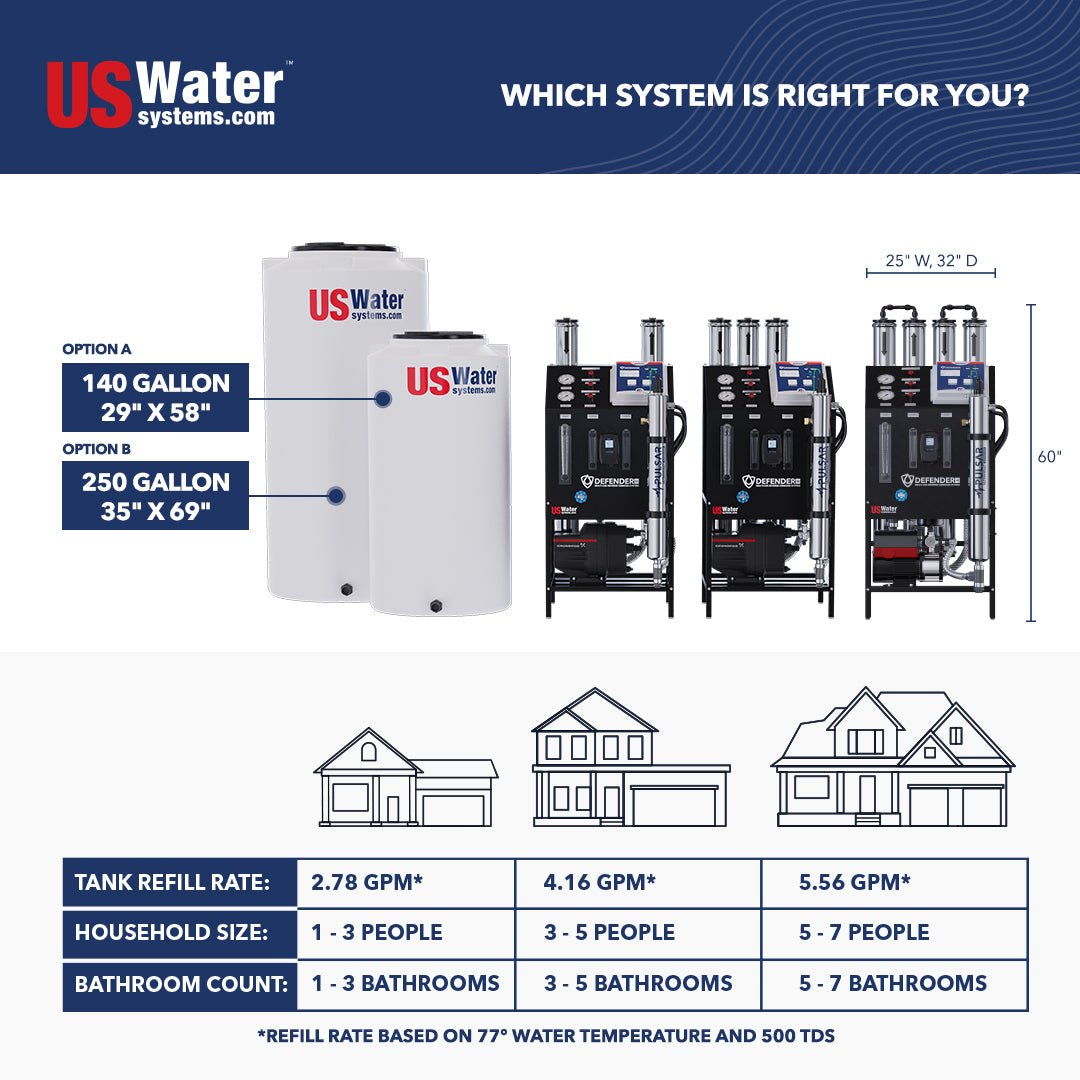
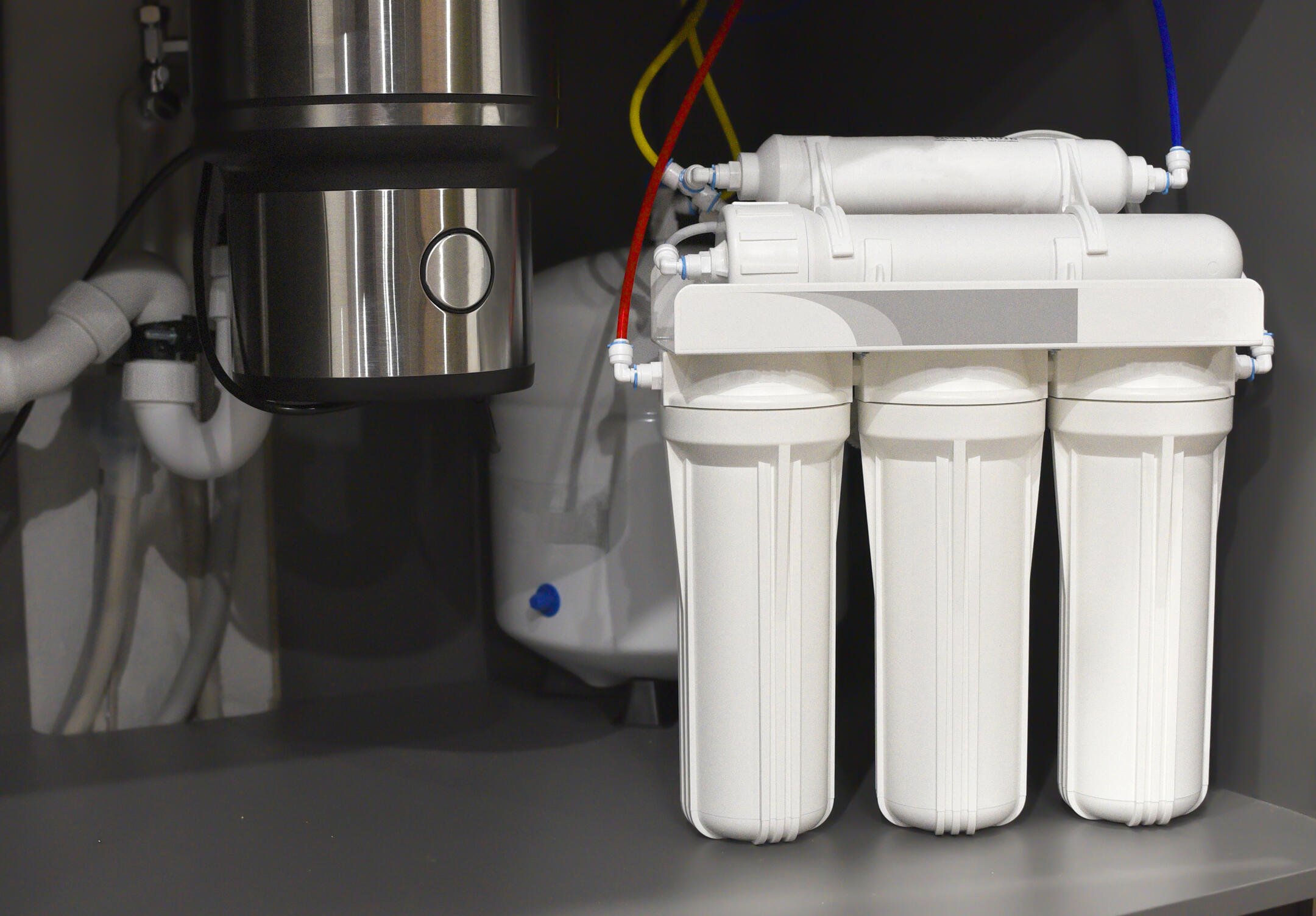
Credit: uswatersystems.com
Basics Of Reverse Osmosis
Reverse osmosis is a method to clean water by removing impurities. It uses pressure to push water through a special filter. This helps make water safe and clear for home use.
Whole house reverse osmosis systems treat all the water that enters a home. This means every tap provides purified water for drinking, cooking, and cleaning.
What Is Reverse Osmosis
Reverse osmosis works by forcing water through a thin, semi-permeable membrane. The membrane blocks harmful particles, chemicals, and salts. Only clean water molecules pass through.
- Water moves from high to low pressure through the membrane
- Impurities are trapped and flushed away
- Clean water collects on the other side
- It removes particles as small as ions and molecules
Key Components Of The System
A whole house reverse osmosis system has several parts. Each part helps remove different types of contaminants and protects the system.
| Component | Function |
| Pre-filter | Removes large particles like dirt and rust |
| Reverse Osmosis Membrane | Filters out dissolved solids, chemicals, and bacteria |
| Post-filter | Improves taste by removing remaining odors and particles |
| Storage Tank | Holds purified water for use when needed |
| Pressure Pump | Increases water pressure to force water through the membrane |
How Whole House Systems Differ
Whole house reverse osmosis systems filter water for your entire home. They differ from smaller systems you might use at a single tap.
This system provides clean water from every faucet. It is a comprehensive solution compared to point-of-use systems.
Comparison With Point-of-use Systems
Point-of-use systems only filter water at specific locations. They are ideal for kitchen sinks or bathroom taps.
| Feature | Point-of-Use | Whole House |
| Coverage | Single Tap | Entire Home |
| Installation | Simple | Complex |
| Cost | Lower | Higher |
Benefits Of Whole House Filtration
Whole house systems provide many benefits. They ensure every drop of water is filtered before use.
- Cleaner water from every faucet
- Better tasting and smelling water
- Protects appliances and plumbing
Having filtered water throughout the house is convenient. It enhances the quality of life for the entire family.
Step-by-step Filtration Process
A whole house reverse osmosis system cleans all the water entering your home. It removes many impurities for safer water. The process uses several stages to filter the water completely.
Each stage plays a role in improving water quality. Understanding these steps helps you see how the system works.
Pre-filtration Stages
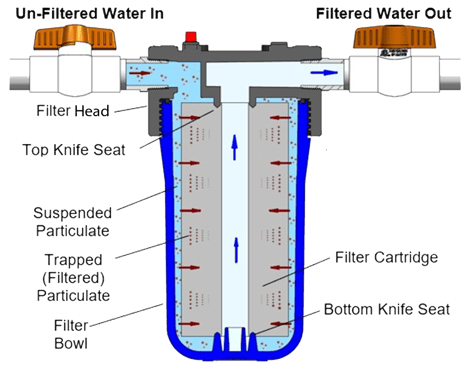
Pre-filtration removes large particles and contaminants. It protects the delicate membrane in the next stage. This step usually has multiple filters working together.
- Sediment filter traps dirt, rust, and sand.
- Carbon filter reduces chlorine and odors.
- Additional filters may remove iron or other minerals.
Membrane Filtration
The reverse osmosis membrane removes tiny particles and dissolved solids. Water is pushed through the membrane under pressure. The membrane only allows clean water to pass.
| Contaminants Filtered | Description |
|---|---|
| Bacteria and Viruses | Blocked by the small pores of the membrane |
| Heavy Metals | Lead, arsenic, and mercury are removed |
| Salts and Minerals | Excess salts and minerals are filtered out |
Post-filtration And Storage
After membrane filtration, water passes through final filters. These improve taste and ensure purity. Then, clean water is stored for household use.
- Polishing filter removes any leftover odors or tastes.
- UV light may be used to kill remaining bacteria.
- Water is stored in a tank ready for use.
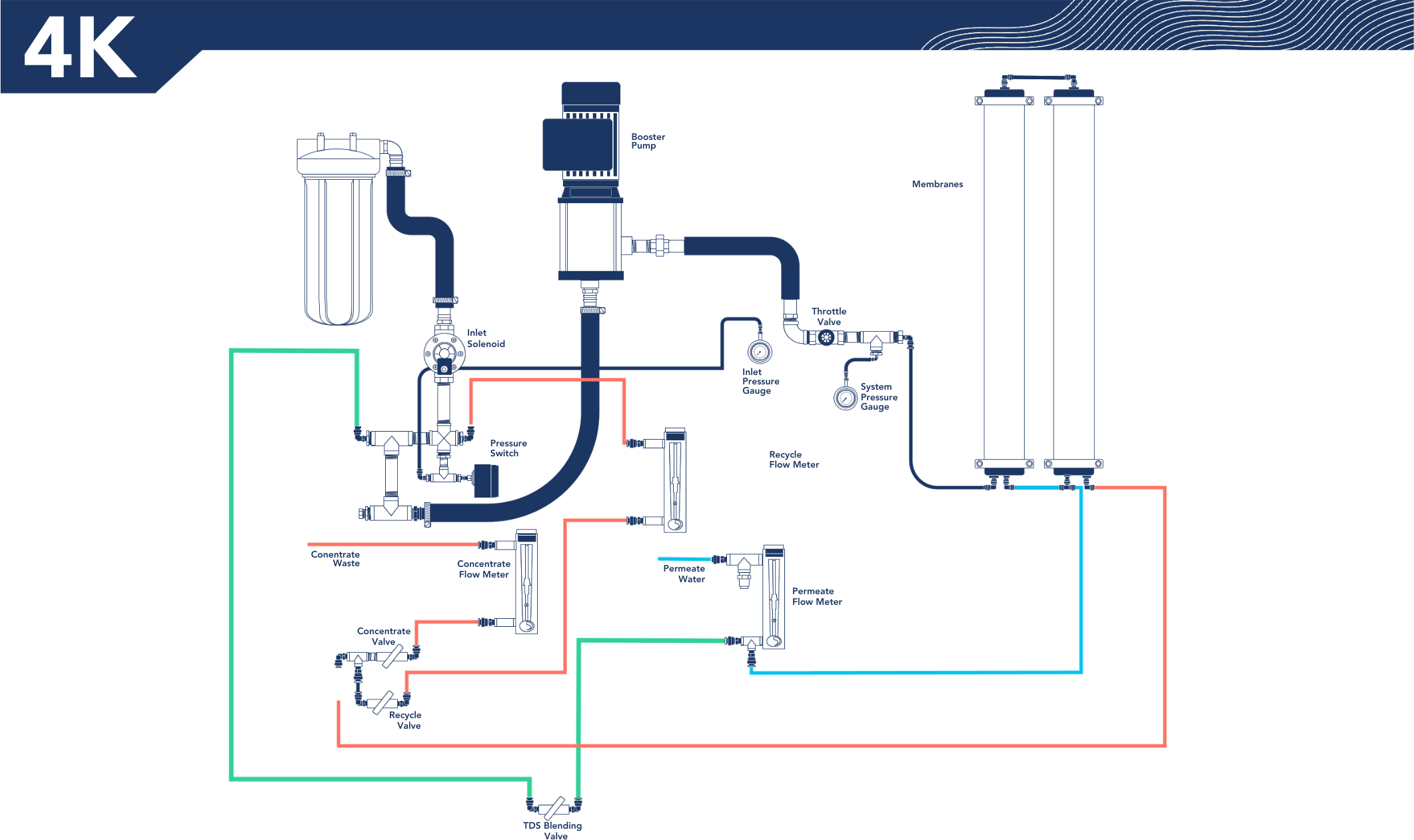
Credit: blog.boshart.com
Installation And Maintenance
Installing and maintaining a whole house reverse osmosis system keeps water clean and safe.
This system removes impurities from all water entering your home. Proper setup and care help it work well for years.
Setting Up The System
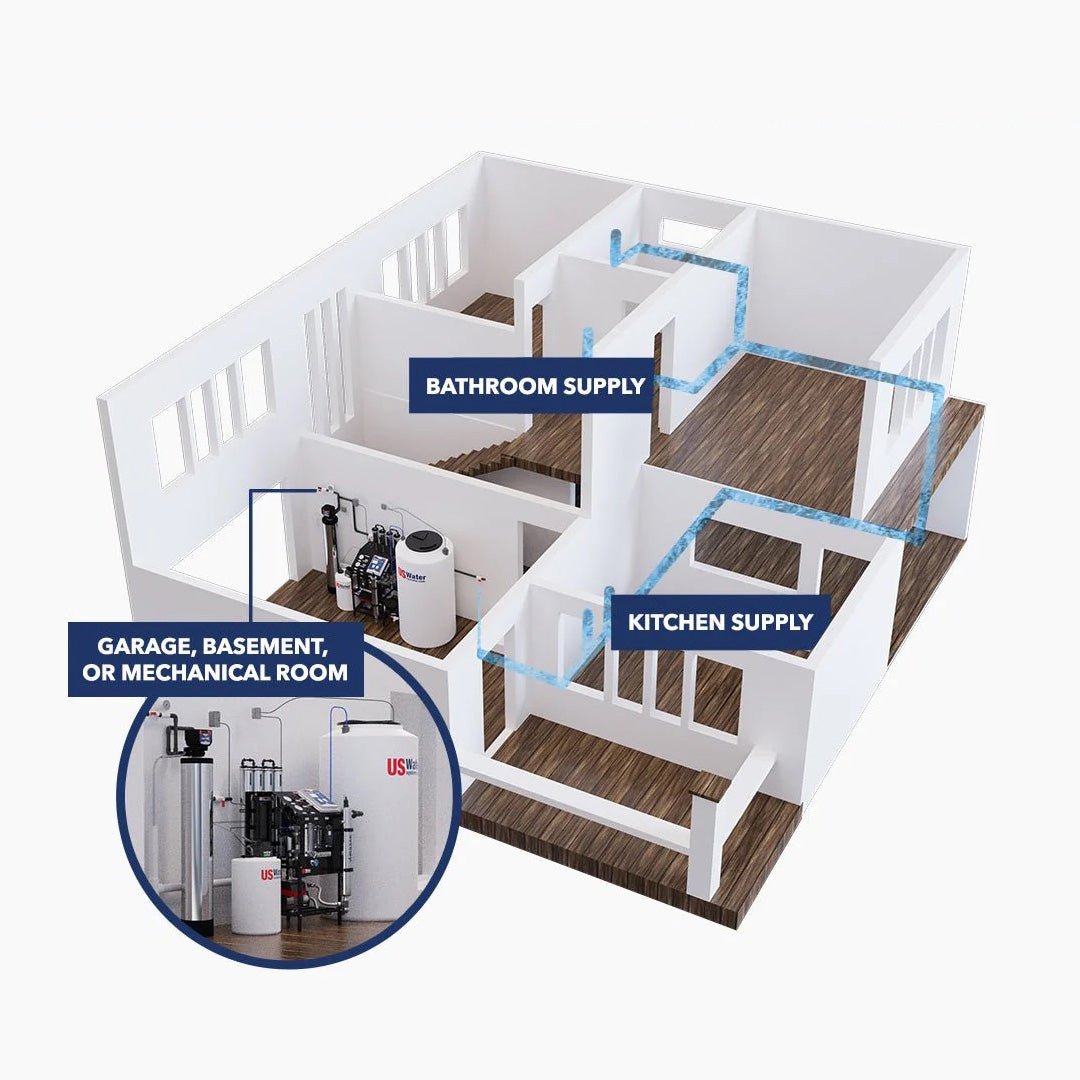
Choose a location near the main water line for easy access. Turn off the water supply before installation.
Connect the system to your home’s plumbing with the included fittings. Follow the instructions to avoid leaks.
Flush the system after installation to remove any dust or debris from the filters.
- Find a flat, dry place for the unit.
- Turn off the main water valve.
- Install the pre-filter and membrane according to the manual.
- Connect output lines to your home plumbing.
- Turn water back on and check for leaks.
Routine Maintenance Tips
Regular care keeps your system running well. Change filters on time to prevent clogging.
- Replace pre-filters every 6 to 12 months.
- Change the RO membrane every 2 to 3 years.
- Clean the storage tank annually.
- Check for leaks or unusual noises monthly.
- Sanitize the system once a year.
Troubleshooting Common Issues
Some common problems are low water flow, leaks, and bad taste. Check these causes and solutions.
| Problem | Possible Cause | Solution |
| Low water pressure | Clogged pre-filter | Replace pre-filter |
| Water leaks | Loose fittings | Tighten all connections |
| Bad taste | Old membrane | Change RO membrane |
| System stops working | Power or valve issues | Check power and valves |
Water Quality And System Performance
A whole house reverse osmosis system cleans all the water in your home. It removes many impurities, making water safer and better tasting. Understanding water quality helps you see how well the system works.
System performance depends on many factors. These include water pressure, temperature, and the condition of the filters. Good care helps the system work at its best for a long time.
Testing Water Before And After
Testing water before it enters the system shows what impurities are present. Testing water after helps check how well the system removes these impurities. This comparison ensures the system works properly.
You can test for hardness, chlorine, sediment, and total dissolved solids (TDS). These tests give clear data on water quality changes after filtration.
- Test hardness to find minerals like calcium and magnesium
- Measure chlorine levels to check chemical removal
- Check sediment to see dirt and particles
- Measure TDS to know total impurities in water
Factors Affecting Efficiency
Several factors affect how well a whole house reverse osmosis system works. Water pressure must be steady and within the right range for good flow. Low pressure reduces cleaning ability.
Temperature also matters. Cold water slows down the process and lowers efficiency. Regular filter changes keep the system clean and prevent clogging. Dirty filters reduce water flow and cleaning power.
- Maintain proper water pressure (usually 40-80 psi)
- Avoid very cold water to keep flow steady
- Change filters on schedule to avoid blockages
- Keep system parts clean to ensure good performance
Credit: uswatersystems.com
Cost And Environmental Impact
Whole house reverse osmosis systems clean all your home water. They remove many impurities to improve water quality. It is important to consider both cost and environmental effects.
This system uses special filters and membranes. It needs electricity and water to work. Understanding costs and waste helps decide if it fits your home.
Initial Investment And Operating Costs
Installing a whole house reverse osmosis system takes a big initial cost. This includes the system price and professional installation. Operating costs come from replacing filters and energy use.
- System price ranges from $2,000 to $5,000
- Installation can cost $500 or more
- Filters need replacement every 6 to 12 months
- Electricity adds to monthly expenses
Water Waste And Energy Use
| Aspect | Details | Impact |
| Water Waste | For every gallon purified, 3 to 4 gallons are wasted | High water use can strain local supplies |
| Energy Use | System runs on electricity continuously | Increases household energy consumption |
| Wastewater | Contains concentrated impurities | Needs proper disposal to avoid pollution |
Frequently Asked Questions
What Is A Whole House Reverse Osmosis System?
A whole house reverse osmosis system filters water for your entire home. It removes contaminants like chlorine, heavy metals, and sediments. This ensures clean, safe water at every tap. It uses a semi-permeable membrane to purify water effectively.
How Does Reverse Osmosis Remove Impurities?
Reverse osmosis forces water through a membrane that blocks impurities. Only pure water molecules pass through. Contaminants like bacteria, chemicals, and minerals are trapped and flushed away. This process ensures high-quality drinking water.
What Are The Benefits Of Whole House Ro Systems?
Whole house RO systems provide clean water for drinking, cooking, and bathing. They improve water taste and reduce harmful contaminants. They protect appliances from scale buildup. This system ensures healthy water throughout your home.
How Often Should Ro Filters Be Replaced?
RO filters typically need replacement every 6 to 12 months. It depends on water quality and usage. Regular filter changes maintain system efficiency and water purity. Check manufacturer guidelines for specific replacement intervals.
Conclusion
A whole house reverse osmosis system cleans all your water at once. It removes dirt, chemicals, and bad tastes. This system helps protect your family’s health every day. It also saves money by reducing bottled water use. Easy to install and maintain, it works quietly in the background.
Clean water flows from every tap in your home. A smart choice for anyone who wants pure water all the time. Simple, effective, and reliable—this system makes a big difference.