

Are you wondering how to turn off your water softener without any hassle? Whether you need to pause it for maintenance, fix a leak, or simply save energy, knowing the right steps is crucial.
If you get it wrong, you might end up with hard water problems or damage to your system. You’ll discover simple, clear instructions to safely switch off your water softener. Keep reading to protect your home and keep your water flowing just the way you want.
Credit: aquariushomeservices.com
Why Turn Off A Water Softener
A water softener is a device that removes minerals such as calcium and magnesium from water, making it softer. However, there are situations where it's necessary to turn off a water softener.
When To Switch Off
It's essential to know when to switch off your water softener to avoid wasting energy and to prevent damage to the device. Here are some situations where you should turn off your water softener:
- During power outages: If you experience a power outage, it's best to turn off your water softener to prevent it from draining the water tank.
- When traveling: If you're going to be away from home for an extended period, turning off your water softener can help save energy and reduce wear and tear on the device.
- During maintenance: When performing maintenance on your water softener, it's recommended to turn it off to prevent any accidental draining or damage to the device.
Benefits Of Turning Off
Turning off your water softener can have several benefits, including:
| Benefit | Description |
|---|---|
| Energy Savings | Turning off your water softener can help reduce energy consumption, which can lead to cost savings on your utility bills. |
| Extended Device Life | By turning off your water softener during periods of inactivity, you can extend the lifespan of the device and prevent premature wear and tear. |
| Reduced Water Waste | Turning off your water softener can help prevent water waste, which is especially important in areas where water is scarce. |
Tools Needed
If you need to turn off your water softener, some basic tools can help. These tools make the process easier and faster.
Below is a list of essential tools you might need. Having them ready ensures a smooth operation.
Adjustable Wrench
An adjustable wrench is useful for loosening and tightening nuts. It is a versatile tool for many tasks.
Pliers
Pliers help in gripping and twisting. They are handy for turning small parts.
Bucket
A bucket can catch any water that might spill. It helps in keeping the area clean.
Screwdriver Set
A screwdriver set is needed for removing screws. Different sizes might be necessary.
List Of Additional Items
Other items may also be useful for turning off the water softener.
- Gloves for hand protection
- Towel for drying surfaces
- Flashlight for better visibility
Step-by-step Shutdown Process
Turning off a water softener requires a few careful steps. This guide will help you shut down your system safely.
Follow each step to avoid damage and maintain your water supply.
Locate The Control Valve
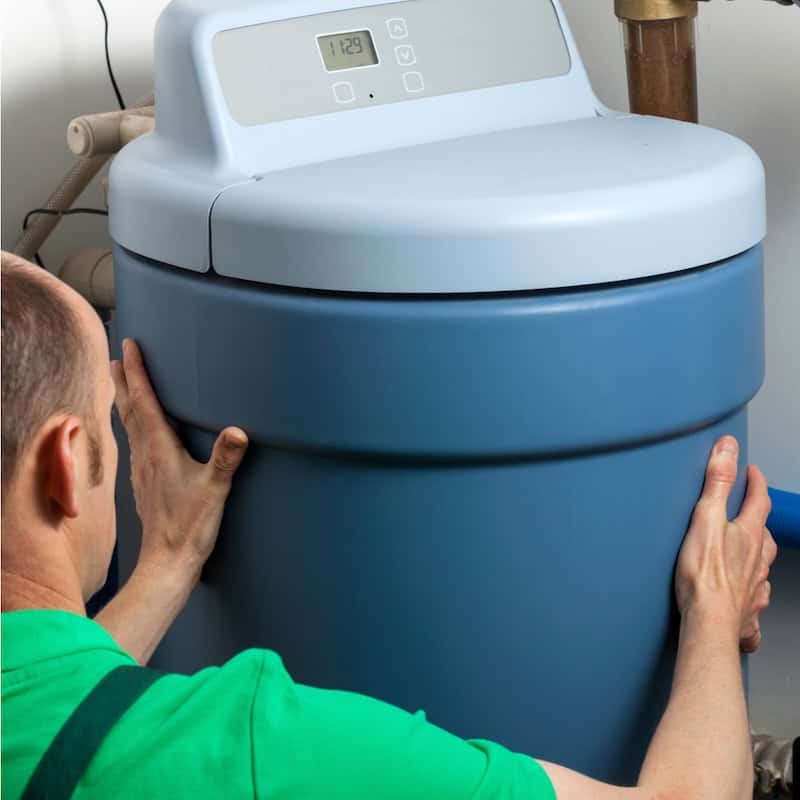
The control valve manages the water softener's functions. It is usually on top of the main tank. Look for a digital display or dial. Knowing its position helps in the shutdown process.
Set The System To Bypass Mode
Bypass mode allows water to flow without softening. Use the valve handle or switch to set this mode. This stops water from entering the softener.
- Find the bypass valve near the control valve.
- Turn the valve handle to the bypass position.
- Confirm water flows through the bypass pipe.
Turn Off The Power
Switch off the water softener to avoid electric hazards. Use the power button or unplug the unit. This step ensures safety during maintenance or shutdown.
Check For Water Flow
After bypassing and powering off, check if water flows normally. Open a faucet and watch the flow. If water stops, recheck the bypass setting.
| Action | What to Check | Expected Result |
| Set Bypass Valve | Valve position | Water bypasses softener |
| Turn Off Power | Power switch or plug | System is off |
| Test Water Flow | Open faucet | Steady water flow |
Saving Water While Off
Turning off a water softener can help save water during maintenance or breaks. It is important to manage water use carefully to avoid waste.
By watching your water use and changing habits, you can keep water waste low while the softener is off.
Monitor Water Usage
Keep track of how much water your home uses each day. This helps spot times when water use is high.
- Check water meter readings regularly.
- Look for leaks or drips in pipes and faucets.
- Note times when water use spikes, like washing or cooking.
- Turn off taps completely when not in use.
Adjust Household Habits
Changing simple daily habits reduces water waste while the softener is off.
| Habit | How to Save Water |
| Shower | Take shorter showers and turn off water while lathering. |
| Dishwashing | Use a basin to rinse instead of running water. |
| Laundry | Run full loads only to save water. |
| Toilet | Check for leaks and avoid unnecessary flushing. |
Restarting The Water Softener
Water softeners remove minerals that make water hard. Sometimes, they need a restart to work properly.
Reactivating The System
Reactivating the system means resetting the water softener to its default settings. This helps to resolve issues with the system not working properly.
Here's how to reactivate your water softener:
- Turn off the power to the water softener at the circuit breaker or fuse box.
- Wait for at least 30 minutes to allow the system to drain and reset.
- Turn the power back on and check the system's status light or display.
- If the system is still not working, try resetting the settings (see below).
Resetting The Settings
Resetting the settings means restoring the water softener to its factory default settings. This can help resolve issues with the system's performance or programming.
Here's how to reset the settings:
- Locate the reset button on the control panel of your water softener.
- Press and hold the reset button for 10-15 seconds to enter the reset mode.
- Release the reset button and follow the on-screen instructions to complete the reset process.
Common Issues And Fixes
Turning off a water softener can sometimes be tricky. Certain problems may stop the system from shutting down properly. Knowing common issues helps you fix them fast.
This guide covers two common problems: bypass mode not engaging and power supply problems. Read on to find simple solutions for these issues.
Bypass Mode Not Engaging
Bypass mode lets water flow without softening. If it does not engage, the water softener keeps working even when you want it off. This can waste salt and energy.
- Check if the bypass valve is fully turned to the bypass position.
- Look for any blockages or dirt in the valve that might stop movement.
- Inspect the valve for damage or broken parts.
- Make sure the control panel settings allow bypass mode activation.
Cleaning or replacing the valve may be necessary. If settings are wrong, reset the control panel according to the user manual.
Power Supply Problems
The water softener needs power to run its controls. Power issues can stop it from turning off correctly. This problem may cause the softener to act strangely or not respond.
| Problem | Possible Cause | Fix |
|---|---|---|
| Softener does not power on | Unplugged power cord or tripped breaker | Plug in device or reset breaker |
| Control panel screen is blank | Power surge or internal fuse blown | Check fuse; replace if needed |
| Softener restarts randomly | Loose wiring or poor connection | Tighten wires and check plugs |
Maintenance Tips For Water Softeners
Water softeners need regular care to work well. Turning them off properly helps keep them in good shape.
This guide shows simple maintenance tips to keep your softener clean and efficient.
Regular Cleaning
Cleaning your water softener stops buildup that can cause problems. It helps the system run smoothly.
Clean the resin tank and brine tank at least once a year. Use a mild soap and water for cleaning.
- Turn off the water softener before cleaning
- Remove salt and water from the brine tank
- Scrub the inside with a soft brush
- Rinse all parts with clean water
- Reassemble the tank and refill with salt
Salt Level Checks
Salt keeps the water softener working well. Check the salt level often to avoid low salt problems.
If the salt is too low, the softener cannot clean hard minerals from the water properly.
- Open the brine tank lid
- Look for salt level above the water line
- Add salt if the level is low
- Use high-quality salt made for water softeners
- Do not overfill the tank with salt

Credit: nuvoh2o.com
Credit: regalflow.co.uk
Frequently Asked Questions
How Do I Turn Off A Water Softener Temporarily?
To turn off a water softener temporarily, locate the bypass valve and switch it to bypass mode. This stops water from entering the softener. Ensure the control panel is powered down if necessary. This prevents regeneration cycles during the off period.
Can I Shut Off A Water Softener During Maintenance?
Yes, you can shut off a water softener during maintenance. Turn the system to bypass mode to avoid water flow through the softener. Also, unplug or switch off the power to the control valve for safety during maintenance.
What Is The Proper Way To Deactivate A Water Softener?
Properly deactivate a water softener by switching it to bypass mode and unplugging the unit. This stops water treatment and regeneration processes. Follow manufacturer instructions to avoid damage and ensure safe deactivation.
Will Turning Off A Water Softener Affect Water Quality?
Turning off a water softener stops the softening process. Hard water will flow through your plumbing, potentially causing scale buildup. It’s fine short-term, but prolonged off periods may reduce water quality and appliance lifespan.
Conclusion
Turning off a water softener is simple and useful at times. Follow the steps carefully to avoid problems. Always check the manual for your model’s instructions. Remember to turn it back on when needed. Proper care helps your water softener last longer.
Taking small actions saves you time and money. Keep your water softener working well for clean, soft water.