
If you have a water softener at home, you probably know how important it is to keep it running smoothly. But do you know how to put salt in a water softener the right way?
Getting this simple step wrong can lead to hard water problems or even damage your system. You’ll learn exactly how to add salt to your water softener easily and correctly. By the end, you’ll feel confident that your softener is working at its best, saving you money and protecting your pipes.
Keep reading—you don’t want to miss these helpful tips!

Credit: www.bobvila.com
Why Add Salt To Water Softeners
Salt plays an important role in water softeners. It helps remove hard minerals from water. This makes water gentle on pipes and skin.
Adding salt keeps the softener working well. Without salt, the system cannot clean the minerals.
Role Of Salt In Softening
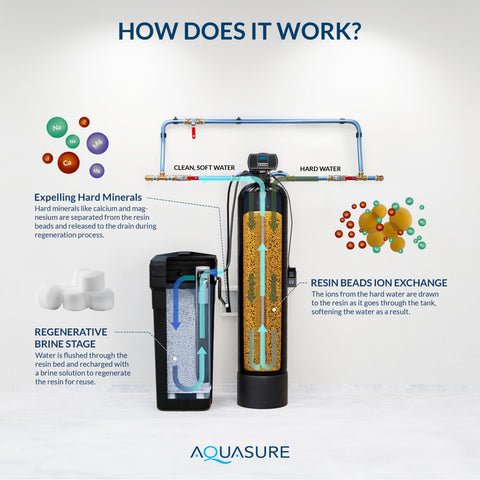
Water softeners use salt to clean hard minerals like calcium and magnesium. The salt helps the resin inside the softener to reset. This process is called regeneration. It replaces the hard minerals with sodium, making the water soft.
- Salt creates a brine solution inside the softener.
- The brine flushes out hard minerals from the resin beads.
- The resin beads absorb sodium ions from the salt.
- Soft water flows out for home use.
Types Of Salt Suitable For Softeners
Not all salt types work well in water softeners. Choosing the right salt keeps the system clean and efficient. Here are common types used in softeners.
| Salt Type | Description | Common Use |
|---|---|---|
| Rock Salt | Natural salt with some impurities. | Cost-effective, but may cause buildup. |
| Solar Salt | Made by evaporating seawater. | Clean and dissolves well. |
| Evaporated Salt | Highly pure salt from mining. | Best for softeners, low residue. |
Tools And Materials Needed
Putting salt in a water softener is simple. You need the right tools and materials for the job.
These items ensure your water softener works well. Let's explore what you need.
Choosing The Right Salt
Choosing the right salt is important. It affects how well your water softener works.
There are different types of salt. Each type has its own benefits.
- Solar salt is natural and affordable.
- Evaporated salt is pure and dissolves well.
- Rock salt is cheap but may leave residue.
Safety Gear And Supplies
Safety is important when handling salt. You need the right gear and supplies.
Using safety gear protects you from salt dust and spills.
- Wear gloves to protect your hands.
- Use goggles to keep salt dust out of your eyes.
- Have a mask if you are sensitive to dust.
Preparing The Softener For Salt
Adding salt to your water softener helps it work well. Before adding salt, you need to prepare the system. This keeps your softener safe and clean.
Preparation includes turning off the system and checking salt levels. Follow these simple steps to get ready.
Turning Off The System
Turn off the water softener to stop the flow of water. This stops salt from spilling or washing away. Use the control panel to power off the system. If your model has a bypass valve, switch it to bypass mode.
- Locate the control panel on your softener.
- Press the power or off button.
- If available, turn the bypass valve to bypass mode.
- Wait a few minutes for the system to stop.
Checking Salt Levels
Check how much salt is left in the brine tank. It should be at least half full before adding more. If salt is low, clean the tank first to remove any buildup or clumps.
| Salt Level | Action Needed |
|---|---|
| More than half full | Ready to add salt |
| Less than half full | Add salt soon |
| Salt bridges or clumps | Break up and clean tank |
Step-by-step Salt Addition
Adding salt to your water softener keeps it working well. Salt helps remove hard minerals from water.
This guide shows easy steps to add salt safely and correctly.
Opening The Brine Tank
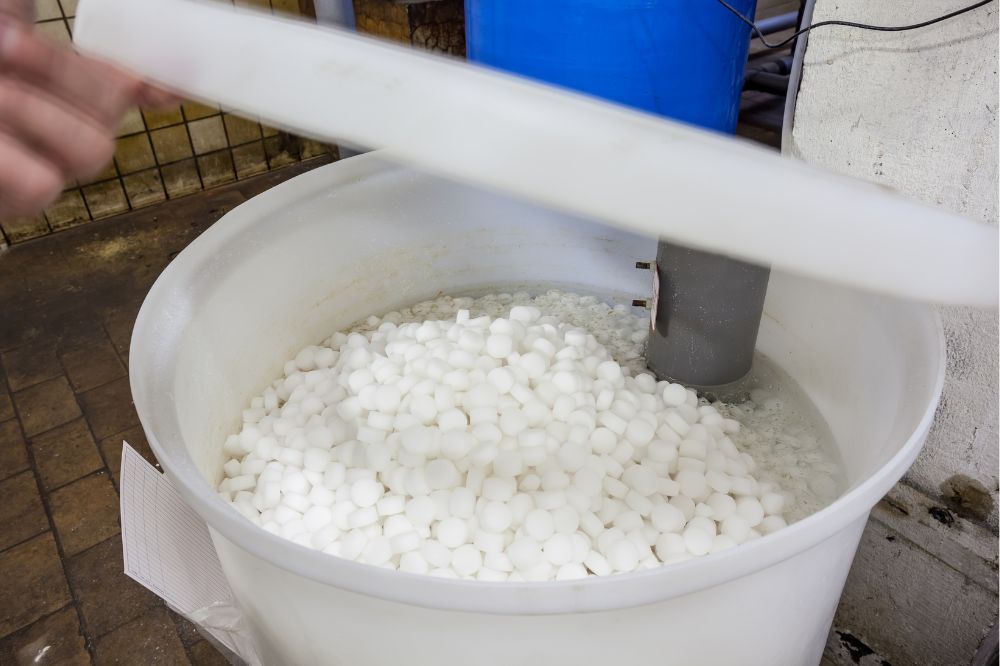
First, find the brine tank where salt goes. It usually has a lid on top. Remove the lid carefully.
Check inside the tank for old salt or water level. Make sure the tank is not full of water or salt lumps.
Adding Salt Correctly
Use the right type of salt for your softener. Common types include:
- Solar salt pellets
- Rock salt
- Evaporated salt crystals
Do not fill the tank above the recommended level. Leave some space for salt to dissolve.
| Salt Type | Best Use |
| Solar Salt Pellets | Most common and pure |
| Rock Salt | Less pure, cheaper option |
| Evaporated Salt | High purity, less residue |
Cleaning The Tank If Necessary
Sometimes, salt can form a hard crust or sludge inside the tank. Cleaning helps maintain softener function.
- Turn off the water softener and unplug it.
- Remove all salt and water from the tank.
- Clean the inside with warm water and mild soap.
- Rinse the tank well to remove soap residue.
- Let the tank dry before adding new salt.
Post-salt Addition Tips
Adding salt to your water softener is just the first step. Proper care after this helps keep your system working well. Follow these tips to maintain soft water quality and prolong your softener’s life.
Check your water softener often and act fast if you notice any issues. This helps prevent bigger problems later on.
Restarting The Softener
After adding salt, you need to restart the softener for it to work correctly. Start by turning the unit back on. Next, run a manual regeneration cycle to clean the resin beads and refresh the system.
Make sure the salt tank lid is closed tightly to avoid dirt or moisture from entering. This keeps the salt dry and ready to use.
Monitoring Salt Usage
Keep track of how much salt your softener uses over time. This helps you know when to add salt again and avoid running out unexpectedly.
- Check the salt level once a month.
- Top up the salt before it falls below half full.
- Use only high-quality salt designed for water softeners.
- Clean the salt tank if you see salt bridges or mushy salt.
Troubleshooting Common Issues
Sometimes problems happen after adding salt. Watch for signs like salty water taste, softener not regenerating, or salt crusts forming.
| Issue | Cause | Solution |
|---|---|---|
| Salt bridge | Hardened salt layer | Break the crust gently with a broom handle |
| Salt mush | Wet salt clumps | Remove mush and refill with dry salt |
| Softener not regenerating | Power or timer problem | Check power source and reset timer |
| Salty water taste | Over-salting or regeneration error | Reduce salt amount and run extra rinse |

Credit: www.nuwatertec.com
Maintenance For Long-term Efficiency
Keeping your water softener working well needs regular care. Salt plays a key role in this system.
Adding salt correctly helps the softener last longer and work better every day.
Regular Salt Refills
Check your salt level every month. The softener needs enough salt to clean hard water.
Fill the salt tank when it is low. Use the salt type recommended for your softener.
- Keep salt above the water level in the tank
- Use clean, dry salt to avoid clumps
- Do not let the salt run out completely
- Check for salt leftovers and remove if dirty
Preventing Salt Bridges And Mushing
Salt bridges form when salt hardens on top, blocking water flow. This stops softening.
Salt mushing happens when salt turns into a thick sludge at the bottom of the tank.
- Break salt bridges with a broom handle or stick carefully
- Avoid overfilling the salt tank to reduce bridging
- Keep the salt dry to prevent clumping
- Clean the tank yearly to remove mushy salt
Credit: azip.com
Frequently Asked Questions
How Often Should I Add Salt To A Water Softener?
Add salt every 4 to 6 weeks, depending on water usage. Check the salt level monthly and refill when it’s below half full. Regularly topping up ensures efficient water softening and prevents resin damage.
What Type Of Salt Is Best For Water Softeners?
Use high-purity salt pellets or crystals designed for water softeners. Avoid rock salt with impurities, as it can clog the system. Proper salt type improves regeneration and extends softener lifespan.
Can I Put Table Salt In A Water Softener?
Table salt is not recommended because it contains additives. These additives can cause buildup and damage the softener. Always use salt specifically made for water softeners for best results.
How Do I Safely Add Salt To A Water Softener?
Turn off the softener before adding salt. Remove the lid, pour salt into the brine tank, and avoid overfilling. Clean the tank if salt bridges or sludge form to maintain performance.
Conclusion
Adding salt to your water softener keeps it working well. Check the salt level often to avoid problems. Use the right type of salt for best results. Keep the area clean to stop salt buildup. Regular care helps your softener last longer.
It also improves your water quality every day. Simple steps make a big difference in softener care. You can enjoy soft water with little effort. Just follow these easy tips and check your softener regularly.