
Have you ever been startled by your door suddenly slamming shut just because a window is open? It might seem strange, but there’s a simple reason behind it—and understanding it can save you from those annoying, loud bangs.
If you’re tired of your door slamming unexpectedly, keep reading. You’ll discover why this happens and how you can stop it from disturbing your peace. Don’t let this small issue disrupt your comfort any longer!
Air Pressure Basics
Air pressure is the force that air pushes on surfaces. It changes inside and outside your home.
When a window is open, air pressure moves to balance inside and outside areas.
How Air Pressure Affects Doors
Doors can slam because of sudden air pressure changes. Air moves quickly through open windows or gaps.
This fast air flow pushes the door shut or pulls it open. The door moves to equalize pressure.
- Open windows let air rush inside
- Air pressure changes push doors
- Doors slam as air tries to balance pressure
Role Of Indoor And Outdoor Pressure
Indoor and outdoor air pressure are usually different. Opening a window changes this balance.
When outdoor air pressure is higher, air flows inside fast. This can slam doors or cause drafts.
- Higher outdoor pressure pushes air inside
- Lower indoor pressure pulls air through gaps
- Pressure difference causes door movement

Credit: www.reddit.com
Impact Of Open Windows
Open windows can cause doors to slam unexpectedly. This happens due to changes in airflow and pressure.
Understanding how air moves through your home can help prevent this issue. Let's explore the reasons behind it.
Creating Airflow Patterns
When a window is open, air flows through the house. This movement can create strong drafts.
- Air enters through one window and exits through another.
- This can create a wind tunnel effect.
- Doors in the path of airflow may slam shut.
Pressure Differences Near Doors
Pressure differences occur when windows are open. Air pressure inside can be lower than outside.
| Window Status | Effect on Pressure |
| Closed | Stable |
| Open | Unstable |
These pressure changes can cause doors to move quickly. This is why they may slam when windows are open.
Common Causes Of Door Slamming
Doors often slam shut when a nearby window is open. This can be annoying and sometimes harmful to the door or frame. Understanding the common causes helps you fix or prevent this problem.
Several factors create air movement inside your home. These air currents can push doors closed quickly and forcefully. Below are the main reasons why this happens.
Wind Gusts And Drafts
Opening a window lets wind enter your home. Wind gusts create pressure changes that push the door. Strong drafts can slam the door without warning.
- Wind speed varies outside and can be strong
- Windows create a path for air to move inside
- Pressure differences push doors open or closed
- Open doors or vents add to air flow speed
Ventilation System Influence
Heating and cooling systems move air through your home. These systems can create air currents that affect door movement. Sometimes, vents near the door cause air to blow it shut.
| Vent Location | Effect on Door |
| Near door frame | Air pushes door to close quickly |
| Opposite room | Creates cross-breeze that moves doors |
| High airflow vents | Increases pressure causing door slam |
Temperature And Humidity Effects
Temperature and humidity change the air pressure inside your home. Warm air rises and cool air sinks, which moves air near doors. This can cause doors to slam shut unexpectedly.
Common temperature and humidity effects include:
- Warm air from heating systems pushes doors
- Cold air from open windows creates drafts
- High humidity can make doors swell, changing fit
- Quick temperature changes cause air pressure shifts
House Design Factors
Doors slamming when windows are open is a common problem in many homes. This issue often relates to how the house is designed. Understanding the design factors can help find solutions.
Two key design factors are the placement of doors and windows and the quality of sealing and insulation. Each affects how air moves inside the house and can cause doors to slam.
Door And Window Placement
Where doors and windows are placed affects airflow and pressure in a room. If a window is open near a closed door, the moving air can create a pressure difference. This difference pushes or pulls the door, causing it to slam.
- Windows placed opposite doors create strong air currents.
- Doors near ventilation or heating vents may slam more often.
- Rooms with many openings have more air movement, increasing pressure changes.
- Doors that are lightweight or poorly fitted move easily from air pressure.
Sealing And Insulation Issues
Poor sealing and insulation make rooms less airtight. Air flows freely through gaps, increasing pressure changes when windows open. This can cause doors to slam suddenly.
| Problem | Effect on Door |
| Gaps around door frames | Air rushes, pushing doors |
| Missing weather stripping | More air leaks, stronger air currents |
| Thin or poor insulation | Uneven air pressure in rooms |
| Loose door hinges | Doors swing easily from airflow |
Preventing Door Slams
Doors can slam shut due to air pressure changes caused by open windows. This can be noisy and damaging. You can use simple methods to stop doors from slamming.
Here are ways to reduce door slams and keep your home quiet and safe.
Adjusting Window Positions
Changing the position of your windows can help balance air pressure. This stops strong air flows that push doors closed suddenly.
- Open windows slightly instead of fully.
- Use windows on opposite sides of the room to create gentle cross-ventilation.
- Close windows near doors if slamming is a problem.
Installing Door Stoppers And Closers
Door stoppers and closers control how a door moves. They prevent doors from slamming hard or closing too fast.
| Type | Function | Benefit |
| Door Stopper | Keeps door open or stops it from hitting walls | Prevents damage and noise |
| Door Closer | Controls door closing speed | Stops slamming and sudden shut |
| Magnetic Catch | Holds door gently closed | Reduces door movement from airflow |
Improving Home Ventilation
Good ventilation balances air pressure inside your house. This helps avoid strong air pushes that slam doors.
Try these tips to improve ventilation:
- Use exhaust fans in kitchens and bathrooms.
- Keep vents clean and open.
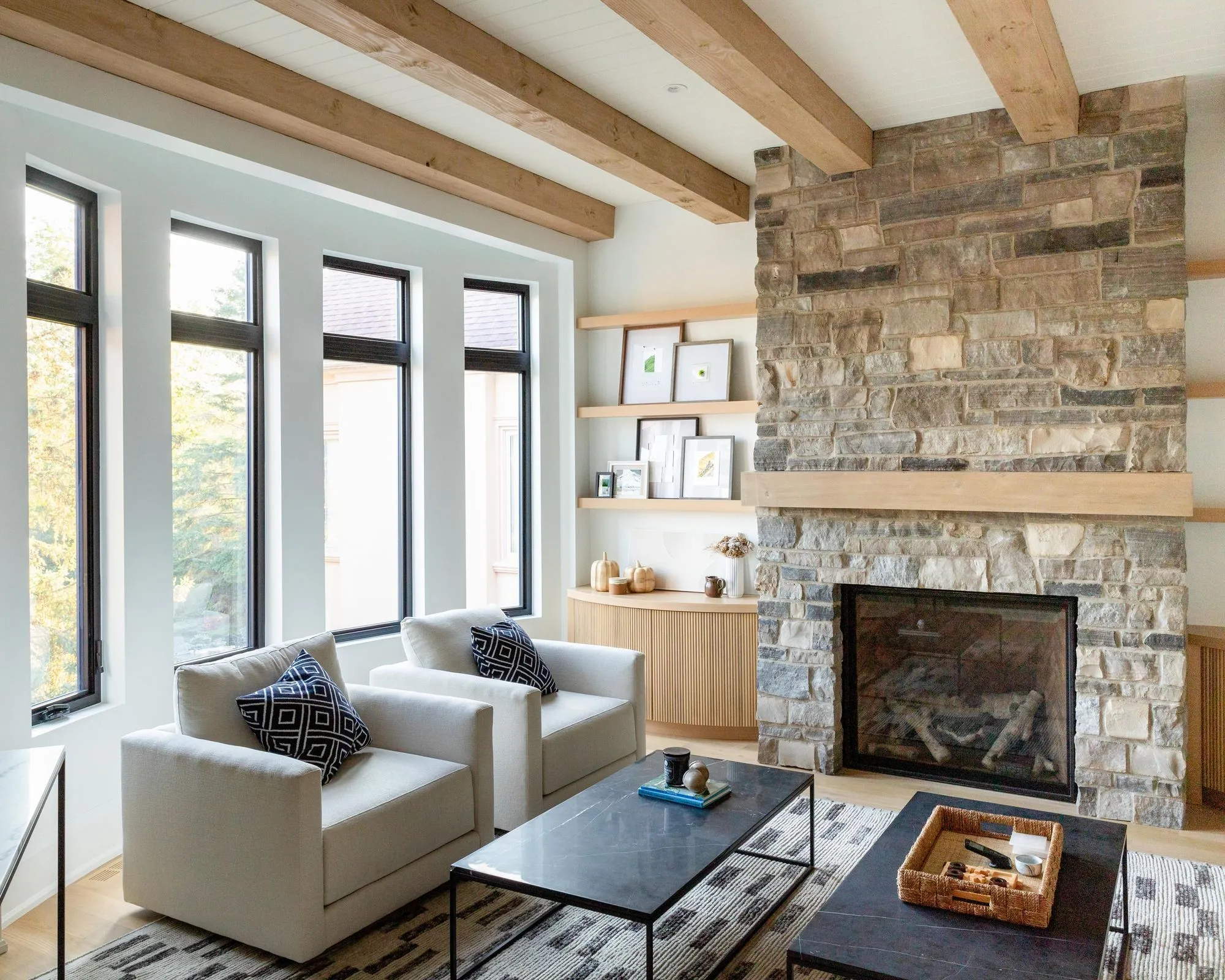
- Install trickle vents on windows for steady airflow.
Credit: www.clerawindows.com

Credit: colnevalleywindows.co.uk
Frequently Asked Questions
Why Does My Door Slam When The Window Is Open?
When a window is open, it creates air pressure differences inside your room. This pressure pushes or pulls the door, causing it to slam suddenly.
How Does Air Pressure Affect Door Movement?
Open windows let fresh air flow, changing indoor air pressure. This imbalance forces the door to move quickly, often resulting in slamming.
Can Wind Cause My Door To Slam With An Open Window?
Yes, wind entering through the open window increases indoor air pressure changes. This pressure can push the door shut forcefully, causing it to slam.
How Can I Prevent My Door From Slamming When Windows Are Open?
You can install door stoppers or use draft guards. These tools reduce sudden door movements caused by air pressure changes from open windows.
Conclusion
Doors slam when windows open due to air pressure changes. Air moves quickly through your home, pushing the door shut. This can happen in many houses, not just yours. Simple fixes like adjusting the door or window can help. Checking for drafts or using door stoppers also works.
Understanding this issue makes your home more comfortable. It keeps noise down and protects your door. Small steps make a big difference in daily life. Keep an eye on airflow to avoid surprises. Your home will feel calmer and quieter.