
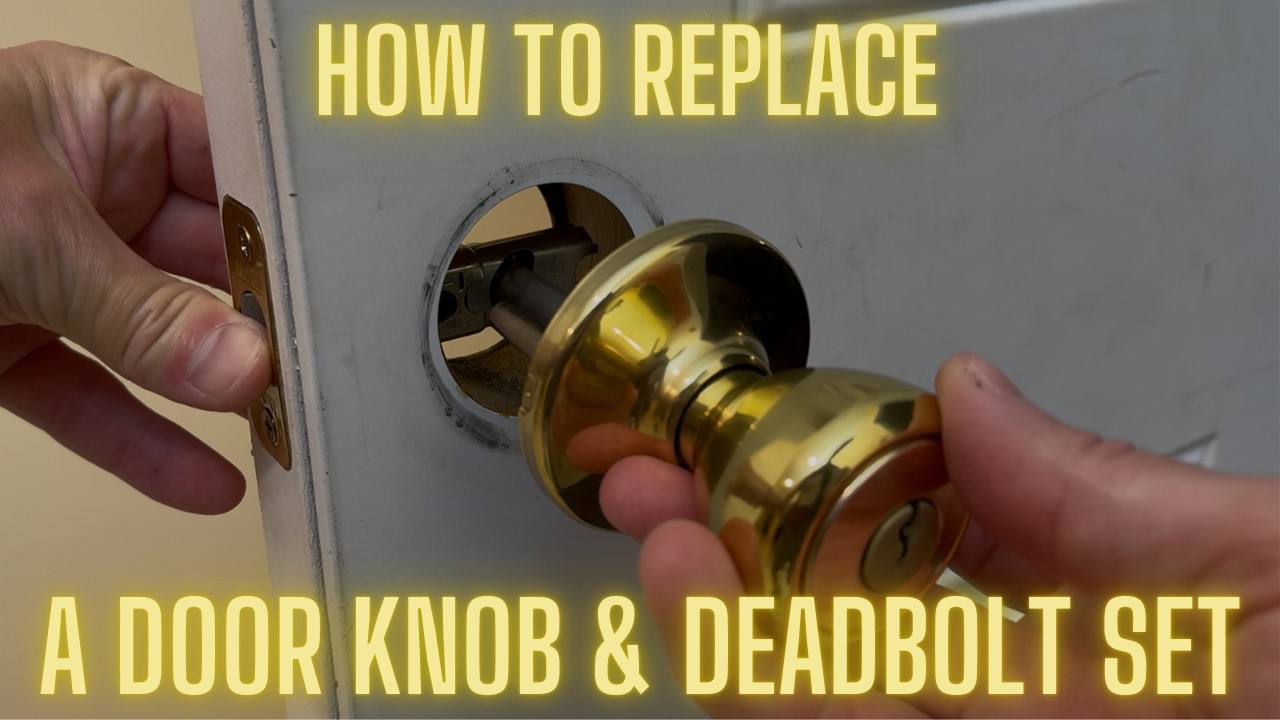
If your deadbolt is old, stuck, or just not working right, it’s time to replace it. You might think this is a job for a locksmith, but you can do it yourself—and save time and money.
Imagine how good it will feel to know your door is secure with a brand-new lock you installed. In this guide, you’ll find simple, step-by-step instructions that anyone can follow. By the end, you’ll have the confidence and skill to replace your deadbolt quickly and easily.
Ready to make your home safer? Let’s get started!
Tools Needed
Replacing a deadbolt on a door is a simple task if you have the right tools. These tools help you remove the old lock and install the new one quickly.
Gather all the tools before you start. This will save time and reduce frustration during the process.
Screwdriver
A screwdriver is essential for removing screws from the door and lock. Most deadbolts use Phillips head screws, but some may need a flathead.
Having both types of screwdrivers is helpful. Choose one with a comfortable handle for better grip.
Tape Measure
A tape measure helps you check the door and lock dimensions. This ensures the new deadbolt fits properly.
Measure the backset, which is the distance from the door edge to the center of the hole. Common backsets are 2 3/8 inches or 2 3/4 inches.
Drill (optional)
A drill can speed up screw removal and installation. It is useful if screws are tight or hard to turn.
Use a drill with the correct bit size to avoid damaging screws or the door.
Chisel
A chisel helps adjust the door frame if the new deadbolt does not fit perfectly. It can widen the hole or recess for the lock.
Use the chisel carefully to avoid damaging the door or frame.
Pencil
A pencil is useful to mark measurements or the new lock placement on the door. This helps keep the installation accurate.
Mark lightly so the pencil lines are easy to erase or cover later.

Credit: www.doityourself.com
Choosing The Right Deadbolt
Replacing a deadbolt can improve security. Choosing the right one is crucial. Learn about types and features before buying.
Different deadbolts offer various security levels. Make sure to consider your needs and door type.
Types Of Deadbolts
Deadbolts come in different types. Each offers unique benefits and installation methods.
- Single Cylinder: Key access from outside, thumb turn inside.
- Double Cylinder: Key needed both inside and outside.
- Keyless: Uses a keypad for entry.
Security Features To Consider
Security features vary by deadbolt. Some provide better protection against forced entry.
Consider the following features:
| Feature | Benefit |
| Bump-proof | Prevents lock bumping |
| Drill-resistant | Harder to drill open |
| Grade 1 Rating | Highest security level |
Removing The Old Deadbolt
Removing a deadbolt is a simple task if you have the right tools. It helps to know what parts to remove first.
This guide covers how to remove the exterior hardware and the deadbolt mechanism itself.
Unscrewing The Exterior Hardware
Start by unscrewing the screws that hold the exterior part of the deadbolt. These screws are usually on the inside edge of the door.
- Use a screwdriver that fits the screw heads well.
- Turn the screws counterclockwise to loosen them.
- Keep the screws in a safe place for later use.
- Gently pull the exterior hardware away from the door once screws are removed.
Extracting The Deadbolt Mechanism
After removing the exterior parts, you can take out the deadbolt mechanism from the door edge.
| Tool Needed | Action |
|---|---|
| Screwdriver | Remove screws holding the bolt plate |
| Flathead screwdriver | Push or pry the bolt mechanism out carefully |
| Cloth | Protect door surface while prying |
Once all screws are removed, slide or pull the bolt mechanism straight out. It may need a little wiggling if it is stuck.

Credit: www.youtube.com
Preparing The Door
Replacing a deadbolt starts with preparing the door. This step helps the new lock fit and work well.
Taking time to prepare the door makes the installation easier and lasts longer.
Checking Door Alignment
Check if the door closes smoothly and fits the frame. Misalignment can stop the deadbolt from locking.
Look for gaps or uneven spaces between the door and frame. Adjust hinges if needed to align properly.
- Close the door slowly to see if it hits the frame
- Check if the latch lines up with the strike plate
- Tighten or replace loose hinges
- Use a level to check door vertical alignment
Cleaning The Door Surface
Clean the door area around the deadbolt hole. Dirt and paint can block the lock parts.
Remove dust, old paint, and grease for a smooth surface. This helps the deadbolt fit better.
- Use a damp cloth to wipe the surface
- Scrape off old paint with a putty knife
- Dry the area before installing the new lock
Installing The New Deadbolt
Installing a new deadbolt improves your door’s security. This guide helps you fit it correctly.
Follow these steps to place, secure, and test the new deadbolt on your door.
Positioning The Deadbolt
Place the deadbolt so it fits the door’s pre-drilled holes. Check the bolt aligns with the strike plate on the door frame.
Make sure the bolt slides smoothly without obstruction. Adjust the position if needed before securing.
- Insert the bolt into the side of the door
- Align the bolt faceplate flush with the door edge
- Check the bolt moves freely in and out
Securing The Hardware
Use the screws that came with your deadbolt to attach all parts firmly. Tighten screws evenly to avoid misalignment.
Attach the interior and exterior plates carefully. Keep the lock cylinder straight and steady during installation.
- Secure the bolt faceplate to the door edge
- Fix the exterior lock plate with screws
- Attach the interior plate and tighten screws
Testing The Lock Function
Turn the key or thumb turn to check if the bolt extends and retracts smoothly. The lock should move without sticking.
Close the door and lock it. Make sure the bolt fits into the strike plate and holds the door securely.
- Test key operation inside and outside
- Ensure bolt fully extends into strike plate
- Check door locks and unlocks without force
Adjusting For Smooth Operation
Replacing a deadbolt is not just about fitting the new lock. You need to make sure it works smoothly. Adjustments help the deadbolt slide in and out without sticking.
Small changes can fix issues like the lock jamming or the key not turning easily. Take time to align parts and add lubrication for better performance.
Aligning The Strike Plate
The strike plate is where the deadbolt slides into the door frame. If it is not aligned well, the bolt may not fit properly. This causes the door to stick or lock poorly.
Check if the bolt hits the strike plate squarely. Adjust the plate up, down, or sideways to match the bolt’s path. Use a screwdriver to loosen screws, move the plate, then tighten screws again.
- Mark where the bolt hits the strike plate.
- Loosen the strike plate screws slightly.
- Shift the plate to line up with the bolt.
- Tighten the screws securely.
- Test the lock by turning the key.
Lubricating The Lock
Lubrication helps the lock parts move smoothly. It reduces friction and prevents the lock from getting stuck. Use a graphite powder or a silicone-based spray made for locks.
Avoid oil-based lubricants because they attract dust. Apply the lubricant inside the keyhole and on the bolt. Insert the key and turn it several times to spread the lubricant evenly.
- Use a dry lubricant like graphite powder.
- Spray or apply lubricant inside the keyhole.
- Lubricate the deadbolt edges and moving parts.
- Turn the key to work the lubricant inside.
- Wipe away any extra lubricant from the door.
Tips For Maintenance
Keeping your deadbolt in good shape helps your door stay secure. Regular care can stop problems before they start.
Simple maintenance tasks save you time and money. It also makes replacing parts easier if needed.
Regular Inspection
Check your deadbolt every few months to catch issues early. Look for loose screws and signs of rust.
Test the lock by turning the key and knob. Make sure it moves smoothly without sticking or grinding.
- Look for worn or damaged parts
- Check that screws are tight
- Make sure the bolt slides smoothly
- Listen for unusual sounds when turning
- Clean dust and dirt from the lock
When To Replace Components
Replace parts if the lock feels stiff or the key won’t turn easily. Damaged parts lower security.
Replace the deadbolt if you see cracks, rust, or broken pieces. Old locks may not protect your home well.
- Replace the cylinder if the key sticks or won’t turn
- Change the bolt if it does not extend fully
- Swap out screws if they are stripped or loose
- Replace the entire lock if parts are broken or rusted

Credit: www.youtube.com
Frequently Asked Questions
How Do I Know When To Replace A Deadbolt?
Replace a deadbolt if it’s damaged, rusty, or not locking properly. Also, upgrade for better security or after moving into a new home.
What Tools Are Needed To Replace A Deadbolt?
You need a screwdriver, new deadbolt lock, tape measure, and possibly a drill. These tools help remove and install the lock efficiently.
Can I Replace A Deadbolt Myself?
Yes, replacing a deadbolt is a simple DIY task. Follow instructions carefully to avoid damaging the door or lock.
How Long Does It Take To Replace A Deadbolt?
It usually takes 15 to 30 minutes for an average person. Time varies depending on lock type and door condition.
Conclusion
Replacing a deadbolt on a door is simple and saves money. Follow each step carefully and take your time. Use the right tools to make the job easier. Test the new lock to ensure it works well. A secure door helps protect your home and family.
Now you can replace deadbolts without help. Keep your home safe with this easy skill. Practice makes perfect.