
Is your door’s deadbolt lock no longer working? Replacing it might seem tricky, but you can do it yourself easily and save time and money.
Imagine feeling safer in your home with a fresh, strong lock installed by your own hands. In this guide, you’ll discover simple steps that anyone can follow, even if you’re not a handyman. Keep reading, and by the end, you’ll know exactly how to replace your deadbolt lock quickly and confidently.
Tools And Materials Needed
Replacing a deadbolt lock on a door is a simple task. You need some basic tools and the right materials. This guide will help you gather everything needed before starting.
Having the right tools makes the job easier. Choosing a new deadbolt that fits your door is also important for security and style.
Essential Tools
You will need a few common tools to replace a deadbolt lock. These tools help remove the old lock and install the new one correctly.
- Screwdriver (usually Phillips head)
- Measuring tape or ruler
- Power drill (optional but helpful)
- Pencil or marker
- Chisel (if door needs adjustment)
- Hammer (for minor adjustments)
- New deadbolt lock set
Choosing A New Deadbolt
Select a deadbolt that fits your door’s thickness and style. Look for a lock with good security features and easy installation.
- Check the door thickness (usually 1 3/8" to 1 3/4")
- Pick single-cylinder or double-cylinder deadbolt
- Choose a finish that matches your door hardware
- Consider a lock with a reinforced strike plate
- Verify the backset measurement (distance from door edge to hole center)

Credit: www.youtube.com
Preparing The Door
Replacing a deadbolt lock is an important task for home security. It starts with preparing the door properly.
Before installing a new deadbolt, ensure the door is ready. This makes the process smooth and effective.
Removing The Old Deadbolt
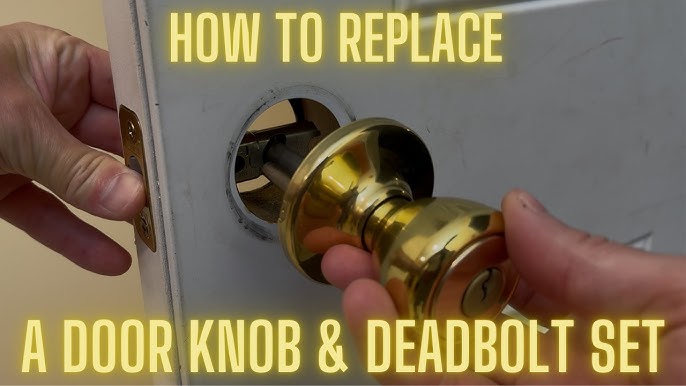
First, remove the screws from the old deadbolt. Use a screwdriver to take them out carefully.
Next, take the old deadbolt out of the door. Pull both sides of the lock gently to remove it.
- Unscrew the mounting screws
- Pull the lock from both sides
- Set aside old lock parts
Cleaning And Inspecting The Door
After removing the old lock, clean the door area. Use a damp cloth to wipe away dirt and dust.
Inspect the door for any damage or wear. Make sure the door edge is smooth and ready for the new lock.
- Wipe door with a damp cloth
- Check for cracks or damage
- Ensure smooth surface for new lock
Installing The New Deadbolt
Installing a new deadbolt is a key step in securing your door. It involves fitting parts on both sides and adjusting the strike plate.
This guide explains how to fit the exterior part, secure the interior mechanism, and align the strike plate properly.
Fitting The Exterior Part
Start by placing the exterior part of the deadbolt through the hole in the door. Make sure the key cylinder is facing outside.
- Align the tailpiece with the hole in the door’s edge.
- Hold the exterior part steady to avoid shifting.
- Check that the key turns smoothly before proceeding.
Securing The Interior Mechanism
Attach the interior side of the lock by matching it with the tailpiece from the exterior part.
| Task | Tip |
|---|---|
| Insert screws | Use a screwdriver to tighten screws evenly. |
| Check lock operation | Turn the thumb turn to test locking and unlocking. |
| Adjust if needed | Loosen screws to realign parts if the lock sticks. |
Aligning The Strike Plate
The strike plate must line up with the deadbolt to secure the door properly.
- Place the strike plate over the hole on the door frame.
- Mark the screw holes with a pencil.
- Chisel out wood if the plate does not sit flush.
- Screw the plate firmly into place.
- Test the bolt’s fit by closing the door slowly.
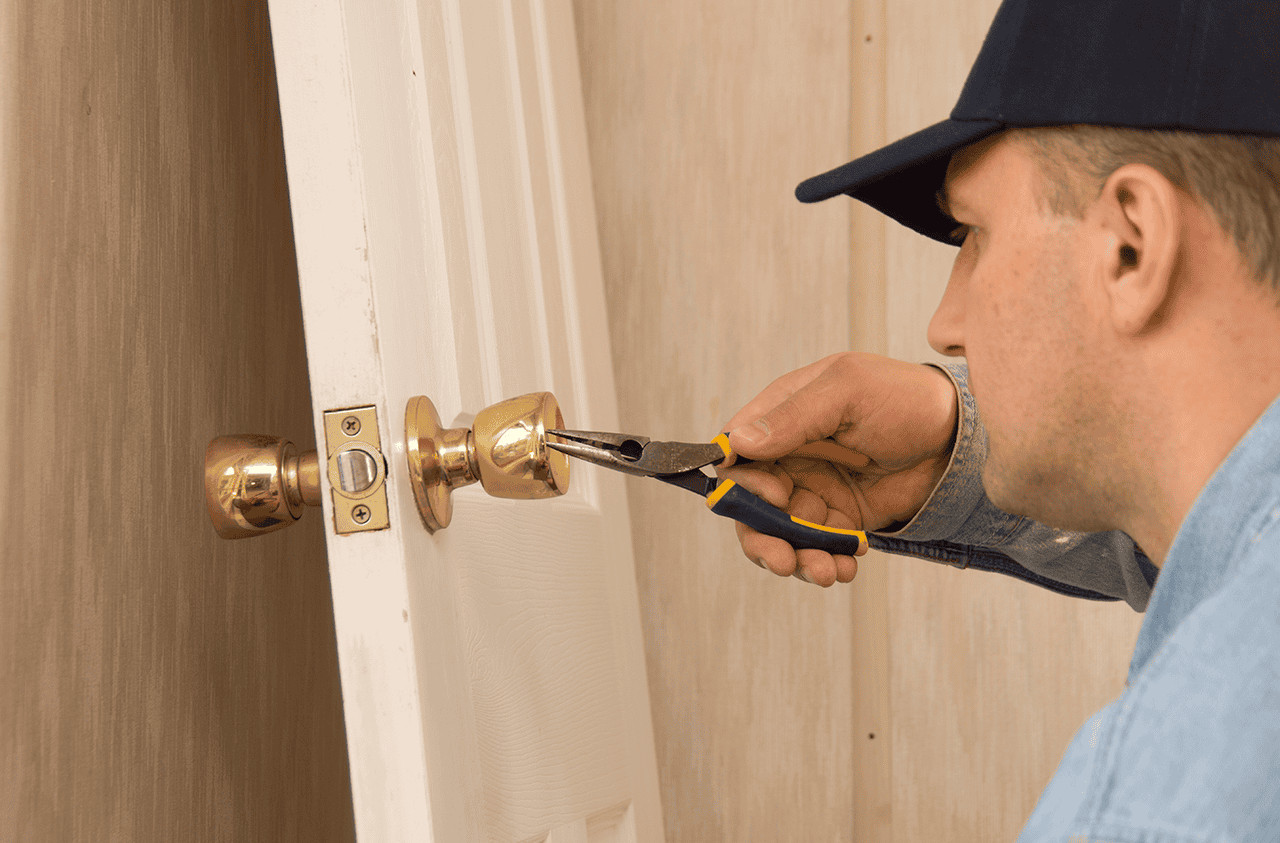
Credit: kinglocksmiths.com
Testing The Lock
After installing your new deadbolt lock, it is important to test it. Testing ensures the lock works correctly and keeps your door secure.
Check the lock carefully before finishing the job. This step saves time and avoids problems later.
Checking Lock Functionality
Start by turning the key or thumb turn to lock and unlock the deadbolt. The bolt should move smoothly without sticking.
Try locking the door from both sides. Make sure the bolt fully extends and retracts each time.
- Insert the key and turn it slowly
- Check if the bolt slides in and out easily
- Test the thumb turn if your lock has one
- Lock and unlock the door several times
- Listen for any unusual sounds like grinding
Adjusting For Smooth Operation
If the lock feels stiff or the bolt does not move freely, make small adjustments. This helps the lock work better and last longer.
Check the strike plate on the door frame. It may need repositioning to align with the bolt.
- Loosen the strike plate screws slightly
- Move the plate to align with the bolt
- Tighten screws firmly after adjustment
- Lubricate the bolt with graphite or silicone spray
- Test the lock again for smooth action
Tips For Maintenance And Security
Replacing a deadbolt lock on your door is important for home safety. Keeping your locks in good condition helps protect your house.
This guide offers simple tips for maintaining your lock and improving your door security.
Regular Lock Care
Regular care keeps your deadbolt working smoothly. It also extends the life of the lock and prevents problems.
- Clean the lock with a soft cloth to remove dust and dirt.
- Use graphite powder to lubricate the keyhole; avoid oil sprays.
- Check the lock’s screws and tighten any that are loose.
- Test the key and lock action monthly to catch issues early.
- Replace worn or damaged keys to avoid breaking inside the lock.
Enhancing Door Security
Strong door security helps keep intruders out. Simple upgrades can make a big difference.
| Security Tip | Why It Helps |
|---|---|
| Use a high-quality deadbolt with a long bolt | Harder to force open than cheap locks |
| Install a strike plate with long screws | Secures the door frame firmly |
| Add a door reinforcement plate | Prevents splitting or kicking in the door |
| Check door alignment regularly | Ensures the lock fits properly and works well |
| Use smart locks or alarms for extra protection | Alerts you to unauthorized entry attempts |
Credit: surelockkey.com
Frequently Asked Questions
How Do I Know When To Replace A Deadbolt Lock?
Replace your deadbolt if it’s damaged, rusty, or hard to turn. Also, replace it after moving into a new home for security.
What Tools Are Needed To Replace A Deadbolt Lock?
You’ll need a screwdriver, new deadbolt lock, measuring tape, and possibly a drill. These tools make replacement quick and easy.
Can I Replace A Deadbolt Lock Myself?
Yes, replacing a deadbolt is a simple DIY task. Follow instructions carefully to ensure proper installation and security.
How Long Does It Take To Replace A Deadbolt Lock?
Replacing a deadbolt usually takes 15 to 30 minutes with basic tools and clear instructions.
Conclusion
Replacing a deadbolt lock on your door is simple and quick. Follow each step carefully to ensure the lock fits well. Having a secure lock helps keep your home safe. Use the right tools to avoid damage or mistakes. Take your time and double-check your work.
A new deadbolt can improve your door’s security instantly. You don’t need special skills to do this job. Keep your home safe by maintaining your locks regularly.