
Is your washing machine door seal looking dark, slimy, or musty? Mold can build up quickly in this hidden spot, causing unpleasant smells and even affecting your laundry.
But don’t worry—you don’t have to live with it or buy a new machine. In this guide, you’ll discover simple, effective ways to remove mold from your washing machine door seal. Follow these easy steps, and you’ll keep your washer fresh, clean, and safe for your clothes.
Ready to get rid of that mold for good? Let’s dive in!
Causes Of Mold In Washing Machines
Mold grows easily in washing machines because of moisture and dirt. The door seal is a common spot where mold appears. Understanding why mold grows there can help prevent it.
Knowing the causes helps you keep your washing machine clean and mold-free. It also keeps your clothes fresh and safe.
Why Mold Grows On Door Seals
The door seal traps water and dirt after washing. This creates a perfect place for mold to grow. Mold likes dark, damp, and warm spots.
- Water stays in the folds of the rubber seal.
- Soap residue and dirt build up on the seal.
- Air circulation is poor around the door seal.
- The seal material holds moisture for a long time.
Common Moisture Traps
Moisture traps in washing machines encourage mold growth. These areas often stay wet and warm, helping mold spores to grow fast.
| Moisture Trap | Description |
| Door Seal | Holds water in folds and crevices after washing. |
| Detergent Drawer | Soap residue and water can stay wet and sticky. |
| Drum | Water can remain inside after cycles, especially if door is closed. |
| Drain Pump Filter | Traps lint and water that can become moldy. |
Signs Of Mold On Door Seals
Mold can grow on the washing machine door seal if moisture stays trapped. It is important to spot mold early to keep your machine clean and safe.
Look for clear signs on the door seal. These signs can help you decide when to clean the mold thoroughly.
Visual Indicators
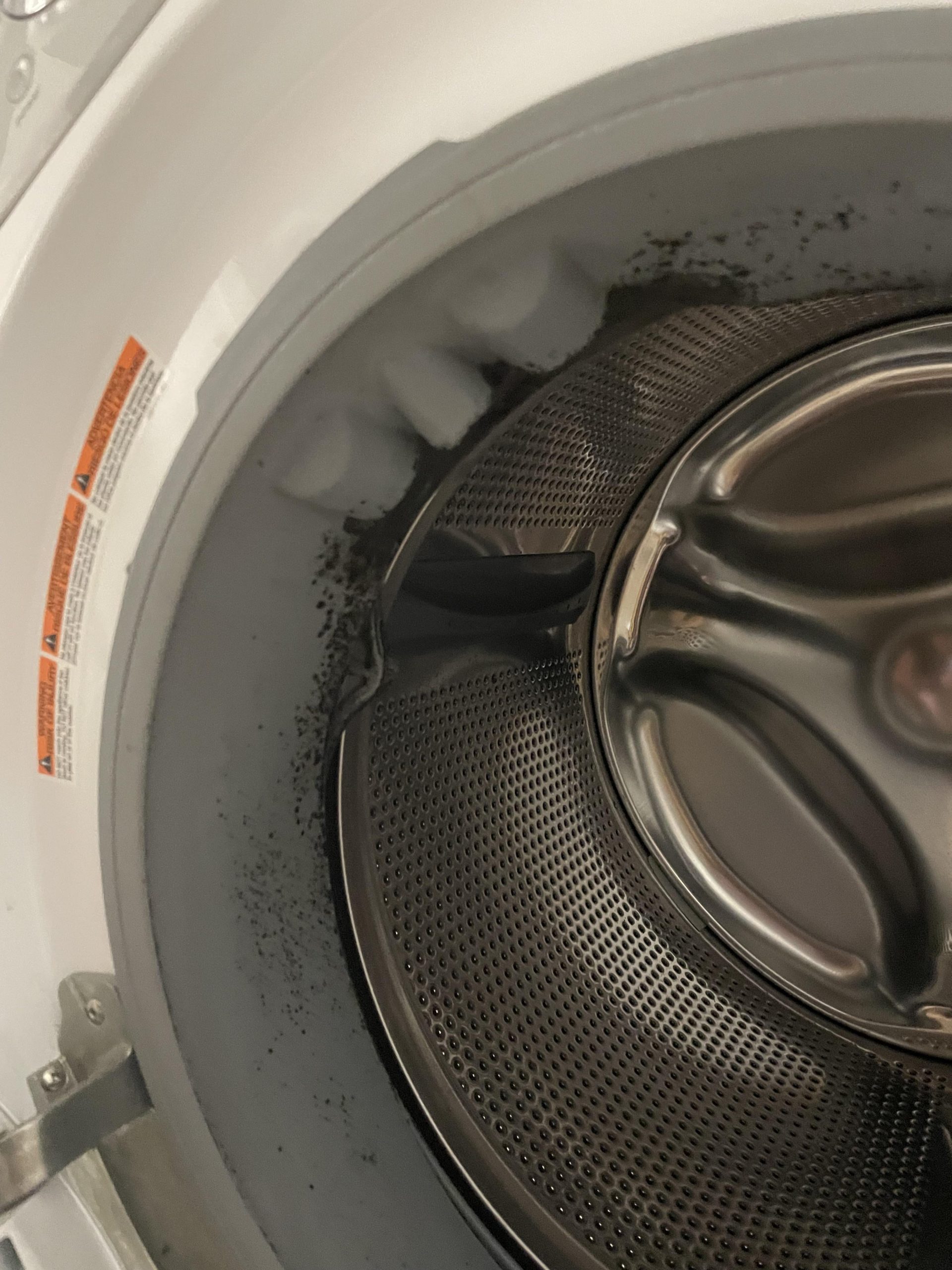
Mold on the door seal often shows as dark spots or patches. These spots can be black, green, or gray. You might see slimy or fuzzy textures on the rubber seal.
- Black or green spots on the rubber seal
- White or gray fuzzy patches
- Slime or wet-looking areas on the seal
- Discoloration or stains around the seal edges
- Cracks or damage on the rubber caused by mold growth
Smell And Allergic Reactions
Mold can produce a musty smell near the door seal. This smell might get stronger after washing clothes. Some people may feel allergic reactions from mold exposure.
| Symptom | Description |
| Musty Odor | A persistent, damp smell near the washing machine door |
| Skin Irritation | Redness or itching after touching the door seal |
| Respiratory Issues | Coughing, sneezing, or difficulty breathing near the machine |
| Eye Irritation | Watery or itchy eyes when close to the moldy seal |
Tools And Supplies Needed
Removing mold from your washing machine door seal needs the right tools. These tools help clean the mold safely and well.
Below are the main items you will need to get the job done. They include cleaning agents, protective gear, and some extra tools.
Cleaning Agents
Cleaning agents kill mold and remove dirt from the door seal. Use mild but effective cleaners to avoid damage.
Common cleaning agents include bleach, vinegar, and baking soda. These help break down mold and clean the rubber seal.
- Household bleach (diluted with water)
- White vinegar (undiluted or diluted)
- Baking soda paste (baking soda mixed with water)
- Commercial mold and mildew cleaners (follow instructions)
Protective Gear
Wear protective gear to keep yourself safe from mold spores and harsh cleaners. Mold can irritate your skin and lungs.
At minimum, use gloves and a mask. Eye protection is also helpful when using strong cleaners like bleach.
- Rubber gloves to protect your hands
- Face mask to avoid breathing mold spores
- Safety goggles or glasses to shield your eyes
- Old clothes or apron to protect your clothing
Additional Tools
Extra tools help reach and scrub the mold in the door seal folds. They make cleaning easier and more thorough.
Use soft brushes and cloths to avoid damaging the seal. A small flashlight helps you see hidden mold spots.
- Soft toothbrush or small scrubbing brush
- Microfiber cloth or old rags
- Spray bottle for applying cleaners
- Flashlight to spot mold in dark areas
- Bucket or bowl for mixing cleaning solutions

Credit: www.reddit.com
Step-by-step Mold Removal Process
Mold can grow on your washing machine door seal if moisture stays trapped. It causes bad smells and may harm your clothes.
This guide shows easy steps to clean mold safely and keep your machine fresh.
Preparing The Area
Before you start cleaning, make sure the area is ready. Open windows for ventilation and wear gloves to protect your skin.
- Unplug the washing machine for safety.
- Remove any clothes inside the machine.
- Lay down old towels or cloths to catch drips.
- Gather cleaning supplies: bleach or vinegar, spray bottle, sponge, and cloths.
Cleaning The Door Seal
Focus on the rubber seal around the door where mold hides. Use a mild cleaner to avoid damage.
| Cleaning Item | Purpose |
|---|---|
| Spray Bottle with Vinegar | Kills mold spores safely |
| Soft Sponge | Gently scrubs without harming seal |
| Old Toothbrush | Reaches tight folds in the seal |
| Clean Cloth | Wipes away dirt and moisture |
Spray vinegar on the seal and let it sit for 10 minutes. Use the sponge and toothbrush to scrub mold spots. Wipe clean with a cloth.
Rinsing And Drying
After cleaning, rinse the seal to remove any leftover cleaner. Use a damp cloth to wipe it down well.
- Use a cloth soaked in clean water to rinse the seal.
- Dry the seal thoroughly with a dry towel.
- Leave the washing machine door open for a few hours to air dry.
Natural Remedies For Mold Removal
Mold grows easily on washing machine door seals. It can cause bad smells and damage the machine. Natural remedies help remove mold safely without harsh chemicals.
These remedies use simple household items. They clean mold and keep your washing machine fresh. Let's look at some easy ways to do this.
Vinegar And Baking Soda
White vinegar kills mold and cleans the seal well. Baking soda helps scrub away mold and removes smells. Together, they make a powerful natural cleaner.
Spray vinegar on the door seal and let it sit for 10 minutes. Then sprinkle baking soda on a damp cloth. Scrub the seal gently to remove mold. Wipe clean with a damp cloth and dry.
- Spray white vinegar on moldy areas
- Wait 10 minutes to let it work
- Use baking soda on a damp cloth
- Scrub the door seal gently
- Wipe with a clean damp cloth
- Dry the seal with a towel
Hydrogen Peroxide Use
Hydrogen peroxide kills mold spores quickly. It also removes stains and stops mold from growing back. Use it carefully to clean the washing machine door seal.
Pour 3% hydrogen peroxide into a spray bottle. Spray the moldy parts of the seal and let it sit for 10 minutes. Wipe with a cloth and dry the seal well.
- Use 3% hydrogen peroxide solution
- Spray on moldy areas of the seal
- Leave it for 10 minutes to work
- Wipe the seal with a clean cloth
- Dry the seal completely

Credit: www.reddit.com
Preventing Mold Recurrence
Mold can easily form on your washing machine door seal. Keeping it clean is essential for hygiene. Learn how to prevent mold from coming back.
Regular Maintenance Tips
Regular cleaning helps in keeping the mold away. Maintain a schedule for cleaning your washing machine.
- Wipe the door seal after every use
- Run a cleaning cycle once a month
- Use a mild detergent for cleaning
Proper Ventilation
Airflow is important to keep mold from forming. Ensure your laundry area is well-ventilated.
Using Washing Machine Settings
Choosing the right settings on your washing machine can prevent mold growth. Follow these tips for optimal settings.
| Setting | Purpose |
| Hot water cycle | Kills bacteria and mold |
| Extra rinse | Removes detergent residue |
| Spin speed | Dries out excess moisture |
When To Call A Professional
Removing mold from your washing machine door seal can often be done with home cleaning methods. But sometimes, the mold problem needs expert help.
Knowing when to call a professional can save your appliance and protect your health.
Persistent Mold Issues
If mold keeps coming back despite your cleaning efforts, it may be time to get professional help. Some mold hides deep inside the seal or machine parts.
- Mold returns after cleaning several times
- Visible mold is inside hard-to-reach areas
- Cleaning products do not remove the smell
- Seal shows signs of damage or cracks
Potential Health Risks
Mold can cause allergic reactions and breathing problems. If you or family members feel sick, call a professional immediately.
| Symptom | Possible Cause |
| Coughing or wheezing | Exposure to mold spores |
| Skin irritation | Contact with moldy surfaces |
| Headaches | Indoor mold presence |
| Eye redness | Mold allergies |

Credit: www.youtube.com
Frequently Asked Questions
How Do I Remove Mold From Washing Machine Door Seal?
To remove mold, mix equal parts of white vinegar and water. Apply to the seal, scrub gently with a brush, then wipe clean. Leave the door open to dry and prevent mold regrowth.
What Causes Mold Growth On Washing Machine Seals?
Mold grows due to moisture, soap residue, and poor ventilation. Warm, damp environments inside the seal create ideal conditions for mold to thrive.
How Often Should I Clean The Washing Machine Door Seal?
Clean the door seal monthly to prevent mold buildup. Regular cleaning maintains hygiene and keeps the washing machine odor-free.
Can Bleach Safely Remove Mold From Washing Machine Seals?
Yes, diluted bleach can kill mold effectively. Use one part bleach to ten parts water, apply carefully, then rinse thoroughly to avoid damage.
Conclusion
Cleaning mold from your washing machine door seal keeps it fresh and safe. Regular checks stop mold from growing back. Use gentle cleaners and wipe dry after each wash. This simple care helps your machine last longer. A clean seal means better laundry and less smell.
Keep your washing routine mold-free with these easy steps. Remember, small actions make a big difference. Your washing machine deserves this little extra care every time.