
Are you tired of your faucet dripping slowly or spraying water unevenly? Hard water deposits could be the hidden culprit clogging your faucet aerator.
These stubborn mineral buildups don’t just look unpleasant—they can reduce water flow and damage your plumbing over time. But don’t worry, removing them is easier than you think. You’ll discover simple, effective steps to clear those deposits and restore your faucet’s performance quickly.
Keep reading to learn how to bring back strong, clean water flow with just a few easy tricks.

Credit: www.leftonhome.com
Signs Of Hard Water Deposits
Hard water leaves minerals that build up on faucets. These deposits can cause problems if not cleaned.
Knowing the signs helps you spot deposits early. This lets you fix the issue before it gets worse.
Common Indicators On Faucets
Hard water deposits often look like white or chalky spots on faucets. These marks do not wipe off easily.
Faucets might feel rough or flaky where the minerals build up. You may also see green or blue stains from corrosion.
- White, chalky residue on faucet surfaces
- Rough or flaky texture on metal parts
- Green or blue stains near joints or edges
- Cloudy or spotted finish on the faucet
Impact On Water Flow
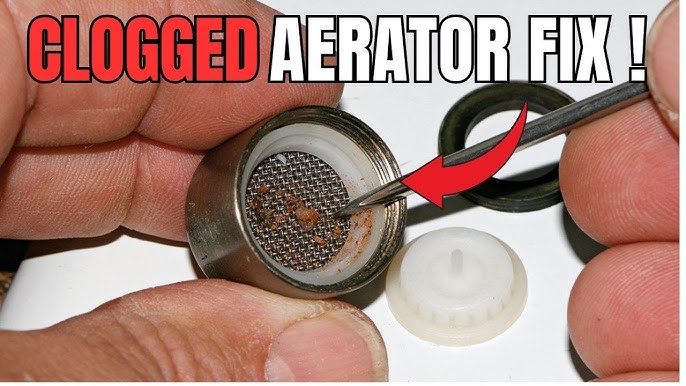
Hard water deposits can block the tiny holes in the faucet aerator. This reduces water flow and pressure.
You may notice water sprays unevenly or only drips from the faucet. This means minerals are clogging the aerator.
- Lower water pressure from the faucet
- Irregular or weak water spray
- Water dripping instead of flowing smoothly
- Noise or sputtering when water runs
Credit: www.youtube.com
Tools And Materials Needed
Hard water deposits can make your faucet aerator work less efficiently. Cleaning them regularly is important. Here are the tools and materials you need to remove these deposits.
Essential Cleaning Supplies
These basic supplies will help you clean your faucet aerator effectively. They are easy to find and simple to use.
- White vinegar
- Bowl or cup
- Old toothbrush
- Soft cloth
- Warm water
Optional Tools For Stubborn Deposits
Sometimes, deposits are tough to remove. These optional tools can help tackle stubborn build-up.
- Needle-nose pliers
- Small brush with stiff bristles
- Lemon juice or baking soda
- Rubber gloves
Removing The Faucet Aerator
Hard water deposits can clog your faucet aerator. Removing it helps clean and restore water flow.
This guide explains how to find and safely remove the aerator from your faucet.
Locating The Aerator
The aerator is at the tip of your faucet spout. It looks like a small round screen or cap.
Some aerators screw off, while others may snap on. Check the faucet end closely to see which type you have.
- Look at the faucet mouth for a metal or plastic end piece
- Try to spot a seam where the aerator meets the faucet
- Note if the aerator has small holes or a mesh screen
Safe Removal Techniques
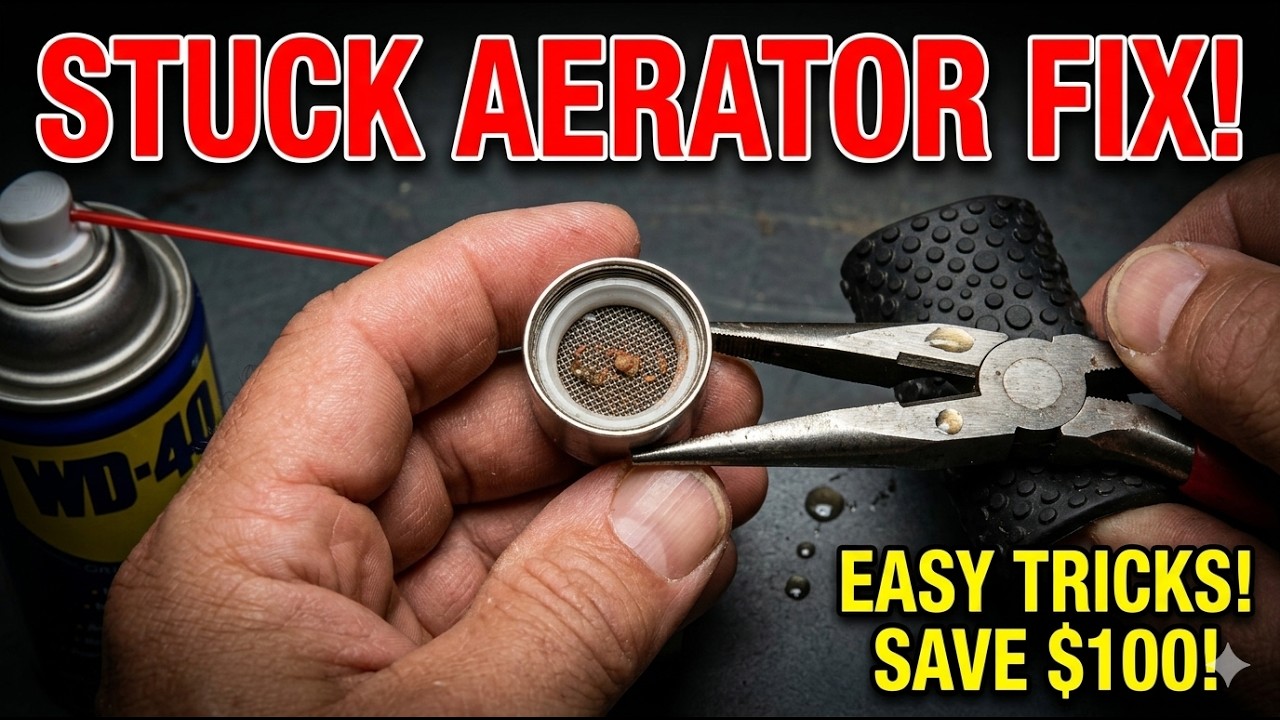
Use gentle tools to avoid damage. Start by hand to unscrew the aerator. If tight, use a cloth for grip.
Do not force the aerator. If stuck, apply a little white vinegar to loosen deposits. Wait 10 minutes, then try again.
- Turn the aerator counterclockwise to unscrew
- Use a cloth or rubber grip to protect the finish
- Apply white vinegar to loosen hard water buildup
- Avoid using pliers directly on the aerator to prevent scratches
- If aerator snaps on, gently pull it off without twisting

Credit: neighbourhoodplumbing.com.au
Cleaning Methods
Hard water deposits can clog faucet aerators and reduce water flow. Cleaning them helps restore proper function.
Use simple household items to remove mineral buildup safely and effectively.
Soaking In Vinegar Solution
Vinegar dissolves mineral deposits quickly. Soak the aerator in vinegar for best results.
- Remove the aerator from the faucet.
- Fill a small bowl with white vinegar.
- Submerge the aerator completely.
- Let it soak for 30 minutes to 1 hour.
- Rinse with water and check for loosened deposits.
Using Baking Soda Paste
Baking soda paste adds gentle scrubbing power. Use it for deposits that vinegar alone cannot remove.
| Ingredient | Amount |
|---|---|
| Baking Soda | 2 tablespoons |
| Water | 1 tablespoon |
Mix baking soda and water to form a thick paste. Apply paste to deposits and let sit for 15 minutes before scrubbing.
Scrubbing Tips For Tough Deposits
Use the right tools and techniques to remove stubborn buildup without damaging the aerator.
- Use an old toothbrush or small brush for scrubbing.
- Scrub gently to avoid scratching the aerator.
- Rinse frequently to see progress.
- Repeat soaking and scrubbing if needed.
- Dry completely before reinstalling the aerator.
Reassembling The Aerator
After cleaning the hard water deposits, putting the aerator back together is important. Proper reassembly ensures the faucet works well and water flows smoothly.
Take your time to fit each part correctly. This will stop leaks and keep the aerator functioning longer.
Proper Placement
Place each component in the right order and position inside the aerator. The screen, washer, and housing must fit perfectly.
- Insert the washer first to prevent leaks.
- Place the screen next; it filters debris from water.
- Fit the housing around these parts securely.
- Check that no parts are upside down or out of place.
Ensuring A Tight Seal
A tight seal stops water from leaking around the aerator. Use these tips to keep the seal firm and secure.
| Action | Purpose |
| Check rubber washer for damage | Prevents water leaks |
| Align threads carefully | Allows aerator to screw on smoothly |
| Tighten aerator by hand | Avoids overtightening that can cause cracks |
| Test for leaks after assembly | Ensures seal is secure |
Preventing Future Deposits
Hard water deposits can build up quickly on faucet aerators. Preventing these deposits saves time and keeps water flowing smoothly. Regular care and smart choices help reduce buildup.
This guide covers simple maintenance tips and water softening options. Use them to keep your faucet aerators clean and working well.
Regular Maintenance Tips
Cleaning your faucet aerator often stops hard water deposits from growing. Follow these easy steps to keep it clear and clean.
- Remove and soak the aerator in vinegar once a month.
- Use a soft brush to scrub away any residue.
- Rinse the aerator with warm water before reattaching.
- Check the aerator screen for damage and replace if needed.
- Wipe the faucet area regularly to prevent buildup.
Water Softening Options
Hard water causes mineral deposits. Softening your water lowers minerals and cuts down on deposits. Here are common water softening methods.
| Method | Description | Effectiveness |
|---|---|---|
| Ion Exchange Softener | Swaps calcium and magnesium with sodium ions. | High |
| Reverse Osmosis | Filters out minerals through a membrane. | Medium to High |
| Magnetic Water Conditioner | Uses magnets to reduce scale buildup. | Low to Medium |
| Polyphosphate Dosing | Adds chemicals that bind minerals. | Medium |
Frequently Asked Questions
How Do I Clean Hard Water Deposits From A Faucet Aerator?
Remove the aerator, soak it in vinegar for 30 minutes, then scrub gently with a toothbrush. Rinse and reattach. This removes mineral buildup effectively.
What Household Items Remove Hard Water Deposits From Faucets?
White vinegar and baking soda are common and effective. Vinegar dissolves minerals, while baking soda scrubs deposits without damaging surfaces.
How Often Should I Clean My Faucet Aerator?
Clean your faucet aerator every 3 to 6 months. Regular cleaning prevents buildup and maintains water flow efficiency.
Can Hard Water Damage My Faucet Aerator?
Yes, mineral deposits can clog and corrode aerators. This reduces water pressure and shortens aerator lifespan.
Conclusion
Removing hard water deposits from your faucet aerator keeps water flowing smoothly. Regular cleaning prevents buildup and improves water pressure. Use simple household items like vinegar for easy removal. Clean aerators help save money by avoiding costly repairs. Try this method every few months for best results.
Clear, strong water feels better and lasts longer. Taking small steps keeps your faucet working well. Easy to do, and worth the effort.