
Have you ever found yourself staring at a skeleton key lock, wishing you could open it without the original key? Maybe you’ve inherited an old chest or stumbled upon a vintage door that holds a secret inside.
Unlocking these locks can seem tricky, but what if you could learn simple, effective ways to open them on your own? In this guide, you’ll discover practical tips and easy methods to unlock a skeleton key lock without needing the key.
Keep reading—you’re about to gain a handy skill that might just come in handy when you least expect it.
What Is A Skeleton Key Lock
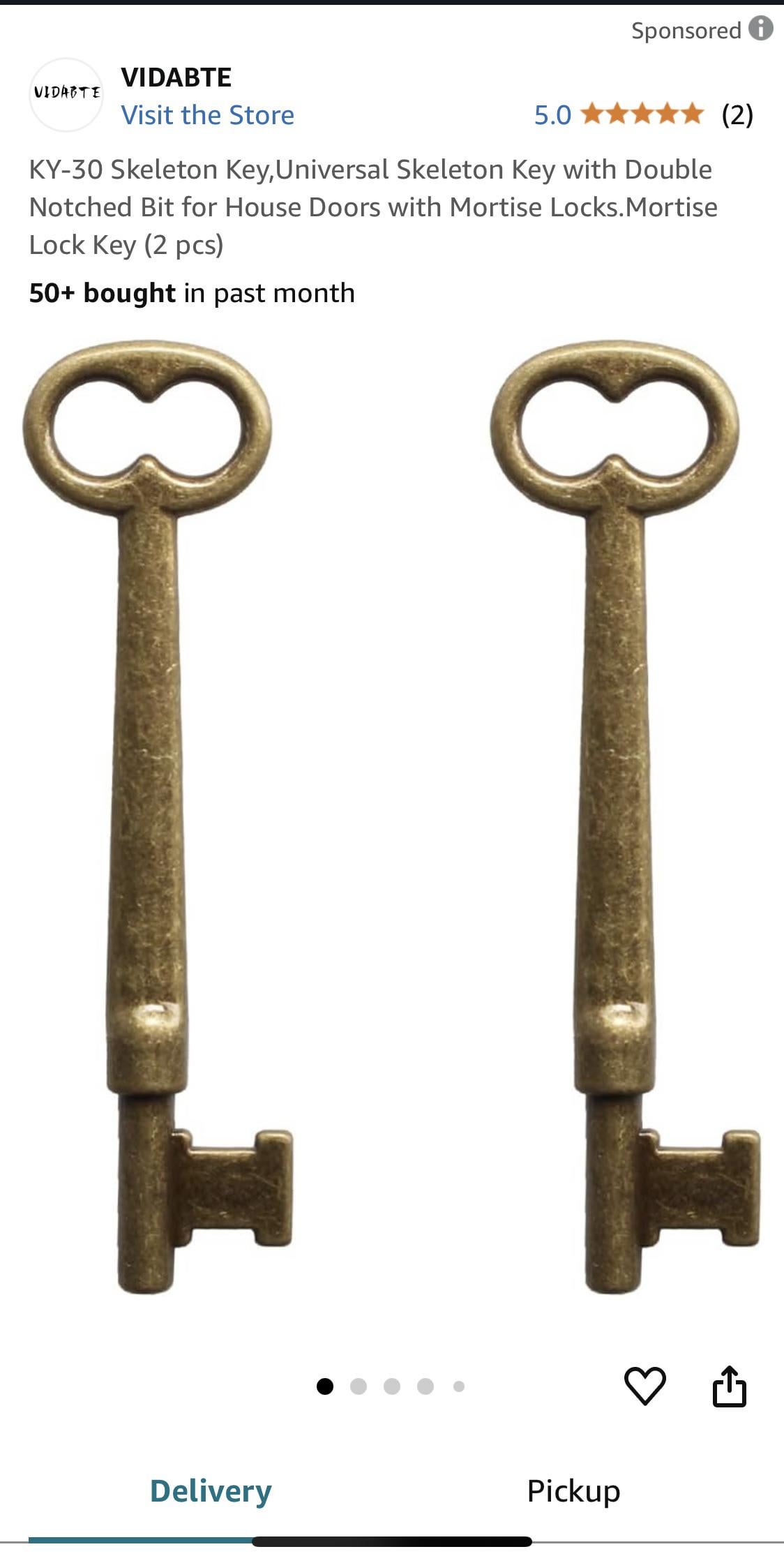
A skeleton key lock is a type of lock that uses a special key. This key is simple and can open many different locks.
Skeleton key locks were common in old buildings and homes. They are less secure than modern locks.
Design Of A Skeleton Key Lock
This lock has a simple mechanism inside. It usually has fewer pins or tumblers than modern locks.
The lock works by lifting or turning parts with the skeleton key. The key has a basic shape to fit many locks.
- Simple internal parts
- Uses a basic key shape
- Less complex than modern locks
History Of Skeleton Key Locks
Skeleton key locks were popular in the 19th and early 20th centuries. They were used before modern security locks were common.
Many old homes and buildings still have these locks. They are often found on interior doors.
- Used mainly in old buildings
- Common before modern locks
- Found on many interior doors
Why Skeleton Key Locks Are Easy To Open
These locks are easy to open without a key. Their simple design means fewer parts block the lock.
The skeleton key fits many locks because it has a basic shape. This makes it less secure than modern locks.
- Simple lock mechanism
- Basic key shape fits many locks
- Fewer security features
Common Reasons For Losing A Skeleton Key
Losing a skeleton key can be frustrating. These keys are often unique and hard to replace. Understanding why they get lost may help you prevent it.
Here are some common reasons people misplace their skeleton keys. By knowing these, you can take steps to keep your key safe.
Misplacement In Daily Activities
Daily routines can cause you to misplace your skeleton key. You might set it down in a random spot and forget where.
Not Having A Designated Storage Spot
A designated spot for your key is crucial. Without it, your key can easily get lost in clutter.
- Keep a key dish by the door
- Use a keychain holder
- Store in a specific drawer
Accidental Dropping Or Loss
Keys can fall out of pockets or bags. This is a common way they get lost, especially in crowded places.
Lending To Others
When you lend your key, it may not be returned promptly. This can lead to misplacement or loss.
| Reason | Solution |
| Misplacement | Use a key tray |
| No Storage Spot | Designate a drawer |
| Accidental Dropping | Use secure pockets |
| Lending | Set reminders to get it back |
Tools Needed To Open Without A Key
Opening a skeleton key lock without a key requires some special tools. These tools help you move the lock's parts to unlock it safely. Knowing the right tools is important to avoid damage.
Many tools can work depending on the lock type. Below are common tools used for opening skeleton key locks without the original key.
Tension Wrench
A tension wrench applies pressure to the lock's cylinder. This pressure helps set the pins or levers inside. Without this tool, it is hard to turn the lock.
Skeleton Key Pick
This pick is shaped like a traditional skeleton key but is used to lift the lock’s levers or pins. It is thin and curved to fit inside the lock easily.
Hook Pick
The hook pick helps lift individual pins inside the lock. It is useful for feeling the lock’s internal parts and setting them one by one.
Rake Pick
The rake pick is designed to move multiple pins at once. It is quicker than the hook pick but needs practice to work well.
Other Helpful Tools
- Flashlight - to see inside the lock better
- Magnifying Glass - to examine small parts closely
- Lubricant - to make the lock move smoothly
- Small Screwdriver - to remove lock covers if needed
- Practice Locks - for learning without risk
Credit: www.lowratelocksmith.com
Step-by-step Guide To Picking The Lock
Picking a skeleton key lock without the original key can be done with the right tools and patience. This guide shows simple steps to open the lock carefully.
Follow each step slowly to avoid damaging the lock. You will need a tension wrench and a pick to proceed.
Prepare Your Workspace
Find a clean, well-lit place to work on the lock. This helps you see the small parts clearly and work safely.
Gather the tools you need: a tension wrench and a pick. Keep your hands steady and avoid distractions.
Insert And Manipulate The Tension Wrench
Insert the tension wrench into the bottom part of the keyhole. Apply light pressure in the direction the lock turns.
Keep this pressure steady. Too much force can make the lock hard to pick or damage it.
- Insert tension wrench fully but gently
- Apply slight turning pressure
- Hold pressure constant during picking
Use The Pick To Lift Pins
With the tension wrench in place, insert the pick at the top of the keyhole. Feel for the pins inside the lock.
Lift each pin one by one until you feel it set in place. Move slowly and carefully to avoid pushing pins too far.
- Insert pick above tension wrench
- Feel for pins inside the lock
- Lift pins gently until they set
Test The Lock For Opening
After lifting all pins, try turning the tension wrench gently. If the lock moves, it is opening.
If the lock does not open, repeat lifting pins carefully. Keep tension steady and try again.
- Turn tension wrench slowly after pins are set
- If lock does not open, lift pins again
- Keep steady pressure and try multiple times
Using Bump Keys For Skeleton Locks
Skeleton key locks are old-style locks that many people still use. Sometimes, you may need to open them without the original key. One way to do this is by using a bump key. This method is simple but requires care.
A bump key is a special key cut to fit many locks of the same type. With the right technique, it can help open skeleton key locks quickly. Learn how to use bump keys safely to avoid damage.
What Is A Bump Key
A bump key is a key made to fit many locks by having all its cuts at the lowest depth. It is used to "bump" the pins inside a lock to unlock it. This key works by transferring force to the pins when tapped.
- Made by filing down a key to the lowest cut
- Fits most locks of the same type
- Used with a tapping or bumping action
- Helps move pins inside the lock quickly
- Does not require the original key shape
How To Use A Bump Key Safely
Using a bump key needs care to avoid damage or injury. Follow these safety tips before trying to open a skeleton key lock with a bump key.
| Safety Tip | Reason |
| Wear safety glasses | Protect eyes from flying debris |
| Use a small hammer or bump tool | Control the tapping force |
| Keep fingers clear of the bump key tip | Prevent finger injury |
| Do not use excessive force | Avoid breaking the key or lock |
| Practice on old or spare locks first | Learn the technique safely |
By following these steps, you can use a bump key without damaging your lock or hurting yourself. Always respect lock laws and use this method only where allowed.

Credit: www.thegritandpolish.com
Alternative Methods To Open The Lock
Skeleton key locks can be tricky to open without a key. Some techniques let you bypass the lock without damage. These methods need patience and care.
Two common ways are the shimming technique and the impressioning method. Each works differently but can be effective.
Shimming Technique
Shimming uses thin pieces of metal or plastic to slide between the lock and the latch. This can push the latch back and open the door.
- Find a thin, flat material like a soda can or a shim tool.
- Insert the shim between the lock and the door frame.
- Gently wiggle the shim while applying pressure to the latch.
- Keep adjusting until the latch moves back and the door opens.
- Be careful not to damage the lock or door.
Impressioning Method
The impressioning method creates a working key by marking the lock pins. You use a blank key and adjust it to fit.
| Action | Description |
| Insert Blank Key | Put a key blank into the lock without turning it. |
| Turn and Wiggle | Turn the key gently while moving it back and forth. |
| Remove and Inspect | Take out the key and look for marks made by the pins. |
| File Marks | Use a file to smooth the marked areas on the key. |
| Repeat | Keep repeating until the key turns the lock smoothly. |
Precautions And Legal Considerations
Trying to open a skeleton key lock without a key can be risky. It requires care to avoid damage.
Also, legal rules may limit when and how you can do this. Knowing these rules is very important.
Understand Legal Boundaries
Opening a lock without permission can be illegal. Always check local laws before you try.
Only open locks on your own property or with the owner’s consent. Avoid breaking the law.
Consider Damage Risks
Using tools on a skeleton key lock may harm the lock or door. This can cause expensive repairs.
Be gentle and use the right tools. Avoid forcing the lock to prevent damage.
Safety Precautions
Wear safety glasses to protect your eyes from small metal pieces or dust.
Work in a well-lit area. This helps you see the lock clearly and avoid mistakes.
Respect Privacy And Property
Do not try to open locks on private property without permission. This is a violation of privacy.
Always ask for permission before handling someone else’s lock or door.

Credit: www.wikiwand.com
When To Call A Professional Locksmith
Trying to open a skeleton key lock without a key can be tricky. Sometimes, it is best to get help from an expert locksmith.
This guide explains when you should call a professional to avoid damage or trouble.
If You Are Not Confident In Your Skills
Opening a skeleton key lock needs care and patience. If you do not know what you are doing, you might break the lock.
A locksmith has the right tools and knows how to handle these locks safely.
When The Lock Is Old Or Fragile
Old skeleton key locks can be fragile. Forcing them can cause damage that is hard to fix.
Professionals can open such locks without breaking them. They use special techniques to protect the lock.
If The Lock Is Part Of A Valuable Item
Some skeleton key locks are on antiques or valuable furniture. Damage to these can lower their value.
A locksmith understands how to open these locks without harming the item.
After Failed Attempts To Open The Lock
If you tried to open the lock but it still won’t open, do not force it more. This may cause damage.
Call a locksmith who can open it safely without causing problems.
If You Need Quick Access
Sometimes, you need to open the lock fast, like in an emergency. Trying to open it yourself can waste time.
A professional locksmith can help you get access quickly and safely.
Frequently Asked Questions
How Can I Open A Skeleton Key Lock Without The Original Key?
You can open a skeleton key lock by using a tension wrench and a small pick. Insert the wrench to apply slight pressure. Then, gently lift the pins inside with the pick until the lock turns open.
Is It Legal To Pick A Skeleton Key Lock?
Picking a skeleton key lock is legal only if you own the lock or have permission. Unauthorized lock picking is illegal and considered breaking and entering. Always ensure you have proper rights before attempting to open any lock.
What Tools Are Needed To Open A Skeleton Key Lock?
Essential tools include a tension wrench, a small lock pick, and sometimes a paperclip. These tools help apply pressure and manipulate the lock pins to unlock without a key. Having the right tools improves success and prevents damage.
Can A Paperclip Open A Skeleton Key Lock?
Yes, a paperclip can work as a makeshift lock pick. Straighten one end to use as a pick and bend the other to function as a tension wrench. This method requires patience and a delicate touch.
Conclusion
Opening a skeleton key lock without a key takes patience and care. Simple tools and gentle movements often do the trick. Stay calm and try different angles slowly. Avoid forcing the lock to prevent damage. Practice helps improve your skill over time.
Always follow the law and respect others' property. Knowing this method can be handy in emergencies. Keep safety and legality in mind at all times. With practice, you can handle such locks confidently and carefully.