
Is your sliding door sticking, jumping off its track, or just not sliding smoothly like it used to? It’s frustrating when a simple door becomes a daily hassle.
But don’t worry—you don’t need to call a costly professional just yet. You can fix it yourself, and this guide will show you exactly how. By the end, your door will glide open and shut effortlessly, saving you time and stress.
Ready to get your sliding door back on track? Let’s dive in.
Identify The Problem
Sliding doors can sometimes come off their track. This guide will help you fix them. Follow these steps to identify and solve the problem.
Check For Debris And Dirt
Debris and dirt can block your sliding door. These can prevent smooth movement. Look for dirt in the track area.
- Use a brush to remove small particles
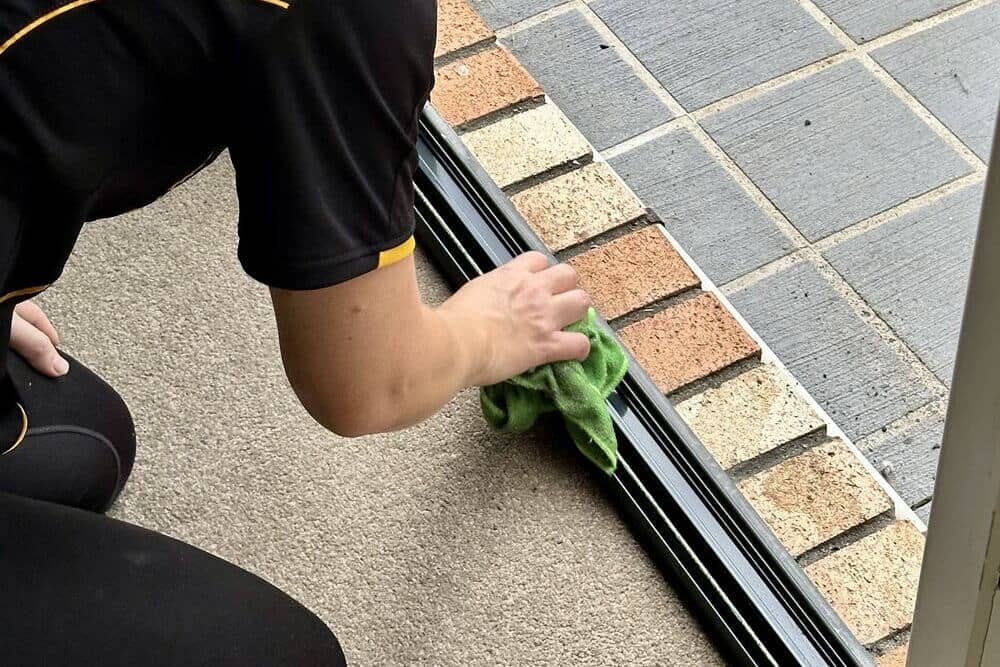
- Clean the track with a damp cloth
- Check both sides of the track
Inspect The Rollers
The rollers help the door slide easily. Damaged rollers cause the door to get stuck. Inspect the rollers carefully for any issues.
- Look for cracks or breaks in the rollers
- Ensure rollers are attached securely
- Consider replacing damaged rollers
Examine The Track
A bent or damaged track can cause problems. Examine the track closely. Make sure it is not bent or broken.
- Check for bends in the metal
- Ensure the track is aligned correctly
- Fix or replace the track if needed

Credit: www.familyhandyman.com
Gather Necessary Tools
To get a sliding door back on track, you need the right tools. These tools help you fix the door safely and correctly.
Gathering your tools before you start saves time. It also makes the repair process smoother.
List Of Common Tools
You will need some basic tools to realign the sliding door. These tools help you adjust and clean the door tracks.
- Screwdriver (flathead and Phillips)
- Putty knife or flat pry bar
- Cleaning brush or old toothbrush
- Vacuum cleaner or compressed air
- Lubricant spray (silicone-based)
- Rags or cloths
- Level tool
Safety Equipment
Safety comes first when fixing a sliding door. Use protective gear to avoid injuries.
Wear gloves to protect your hands. Safety glasses keep dust and debris out of your eyes.
- Work gloves
- Safety glasses or goggles
- Dust mask (if cleaning dirt and debris)
- Closed-toe shoes
Clean The Track
Keeping the sliding door track clean helps the door move smoothly. Dirt and dust can stop the door from sliding right.
Cleaning the track is an easy way to fix many sliding door problems. It makes the door last longer and work better.
Remove Debris
Clear out leaves, dirt, and small stones from the track. Use a vacuum or brush to get all the debris.
Check the corners and edges where dirt can hide. Removing all debris helps the door slide without sticking.
Use Appropriate Cleaners
Choose a cleaner that removes grease and grime but does not damage metal or plastic. Mild soap and water often work well.
Avoid harsh chemicals that can cause rust or wear. Apply the cleaner with a soft cloth or sponge for best results.
Dry The Track Thoroughly
After cleaning, dry the track completely. Use a dry cloth or let it air dry to stop rust and dirt buildup.
Drying the track helps the door glide smoothly and protects the metal parts from damage over time.

Credit: www.angi.com
Adjust The Rollers
Sliding doors often go off track due to misaligned rollers. Adjusting the rollers can fix this issue and help the door slide smoothly again.
This guide explains how to locate the roller screws, raise or lower the door, and test the door movement.
Locate Roller Adjustment Screws
Look at the bottom or top edge of the sliding door. You will find small screws near the rollers. These screws control the height and position of the rollers.
- Open the sliding door slightly.
- Check the bottom edge for adjustment screws.
- If not at the bottom, look along the top edge.
- Use a flashlight if needed to see clearly.
Raise Or Lower The Door
Use a screwdriver to turn the adjustment screws. Turning clockwise usually raises the door. Turning counterclockwise lowers it.
| Direction | Effect on Door |
|---|---|
| Turn screw clockwise | Raises the door |
| Turn screw counterclockwise | Lowers the door |
Test Door Movement
After adjusting the rollers, slide the door back and forth. Check if it moves smoothly without sticking or dragging.
- If the door still sticks, adjust the screws slightly more.
- Repeat testing after each adjustment.
- Stop when the door moves easily on the track.
Realign The Door
Sliding doors can come off their tracks over time. This can make them hard to open or close. Realigning the door can fix this problem.
Follow simple steps to get your sliding door back on track. This will help it slide smoothly again.
Lift The Door Off The Track
First, stand in front of the door and open it as far as possible. Look at the bottom of the door where it meets the track.
Lift the door straight up to free it from the bottom track. You may need help if the door is heavy. Be careful not to damage the rollers or track.
Place Door Back Correctly
Check the track for dirt or damage. Clean it if needed. Place the top part of the door into the upper track first.
Once the top is in place, lower the door slowly onto the bottom track. Make sure the rollers sit properly on the track.
- Ensure the door is vertical
- Rollers must fit well on the track
- Check for smooth movement by sliding the door
Secure Door Position
After placing the door back, tighten any screws or bolts on the rollers. This keeps the door stable on the track.
Test the door by sliding it back and forth. If it moves smoothly, the door is secure. If not, adjust the rollers or track again.
Lubricate Moving Parts
Keeping your sliding door running smoothly means caring for its moving parts. Lubricating these parts reduces friction and prevents wear.
This guide covers selecting the right lubricant and applying it properly to rollers and track.
Select Suitable Lubricant
Choose a lubricant that does not attract dust or dirt. Silicone-based lubricants or dry graphite sprays work well for sliding doors.
- Silicone spray: good for plastic and metal parts
- Dry graphite: stays clean and dry
- Avoid oil-based lubricants that attract dirt
Apply To Rollers And Track
Clean the rollers and track before applying lubricant. This helps the lubricant work better and lasts longer.
| Part | How to Apply |
| Rollers | Spray or wipe lubricant evenly on all sides |
| Track | Clean debris first, then apply lubricant along entire length |
Avoid Over-lubrication
Too much lubricant can cause dirt buildup and make the door sticky. Use just enough to cover moving parts lightly.
- Apply a thin layer only
- Wipe off excess with a clean cloth
- Check the door operation after lubricating
Replace Damaged Components
Sliding doors can stop working well if parts get damaged or worn out. Replacing these parts helps the door slide smoothly again. This guide shows how to find and replace broken rollers and tracks.
Knowing what parts to buy and how to install them is important. Follow the tips below for a successful repair.
Identify Worn Rollers Or Tracks
Check the rollers and tracks for signs of damage. Worn rollers may have cracks or flat spots. Tracks might be bent or filled with dirt. Both can stop the door from sliding properly.
Remove the door and inspect each roller and the track closely. Look for rust, breaks, or anything that blocks movement.
Choosing Replacement Parts
Choose parts that match your sliding door model. Using the wrong size or type can cause more damage. Look for parts made of strong materials like nylon or metal.
- Check the door’s brand and model number
- Buy rollers with the same diameter and width
- Pick tracks that fit the door frame perfectly
- Consider parts that resist rust and wear
Installation Tips
Install new rollers and tracks carefully to avoid damage. Clean the track before placing the new parts. Use a screwdriver and other tools gently to fit everything right.
| Installation Step | Details |
|---|---|
| Clean Track | Remove dirt and debris for smooth sliding |
| Remove Old Rollers | Unscrew and pull out damaged rollers carefully |
| Insert New Rollers | Place new rollers in the same position and secure |
| Test Door | Slide door back and forth to check movement |
Prevent Future Issues
Keeping your sliding door on track prevents damage and saves time. Simple care steps help your door work smoothly.
Regular checks and gentle use stop problems before they start. Follow these tips to keep your door in good shape.
Regular Maintenance Schedule
Set a routine to inspect the door and its track every month. Look for dirt, damage, or parts that need tightening.
Fix small issues early to avoid bigger repairs. Regular maintenance keeps the door sliding smoothly and safely.
- Check rollers and clean them if dirty
- Tighten loose screws or bolts
- Look for cracks or dents in the frame
- Lubricate moving parts lightly to reduce friction
Keep Track Clean
Clean the track regularly to stop dirt and debris from blocking the door. A clear track helps the door glide easily.
Use a soft brush or vacuum to remove dust and small stones. Avoid water buildup to prevent rust or swelling.
- Clear leaves, dust, and dirt from the track
- Use a soft cloth to wipe the track clean
- Check for any stuck objects that block movement
- Keep the area around the track dry and free of clutter
Handle Door Gently
Open and close the sliding door with care. Avoid forcing it if it feels stuck or hard to move.
Using gentle motion reduces wear on the rollers and track. This helps the door last longer and stay aligned.
- Push or pull the door smoothly, not roughly
- Do not slam the door shut
- Teach family members to handle the door gently
- Fix any resistance or sticking immediately
Credit: www.maid2match.com.au
Frequently Asked Questions
How Do I Realign A Sliding Door Track?
To realign a sliding door track, first remove debris and check for damage. Loosen screws slightly, adjust the track to a straight position, then retighten screws. Test the door to ensure smooth movement and make small adjustments if necessary.
What Tools Are Needed To Fix A Sliding Door Track?
You will need a screwdriver, a level, a vacuum or brush, and possibly a replacement track or rollers. These tools help clean, adjust, and repair the sliding door track for optimal performance.
Why Does My Sliding Door Come Off Its Track?
Sliding doors often come off track due to dirt buildup, worn rollers, or misaligned tracks. Regular cleaning and maintenance prevent this issue. If rollers are damaged, they must be replaced to keep the door on track.
Can I Fix A Sliding Door Track Myself?
Yes, most sliding door track issues can be fixed with basic tools and some DIY skills. Cleaning, realigning, or replacing rollers are common tasks. However, complicated damage may require professional help.
Conclusion
Sliding doors can often slip off their tracks, but fixing them is simple. Start by cleaning the track and removing dirt or debris. Check the rollers for damage and adjust them if needed. Tighten any loose screws or bolts to keep the door steady.
With these easy steps, your sliding door will move smoothly again. Keep your door in good shape by cleaning and checking it regularly. A little care goes a long way in avoiding bigger problems later. Now, your door is back on track and working well.