
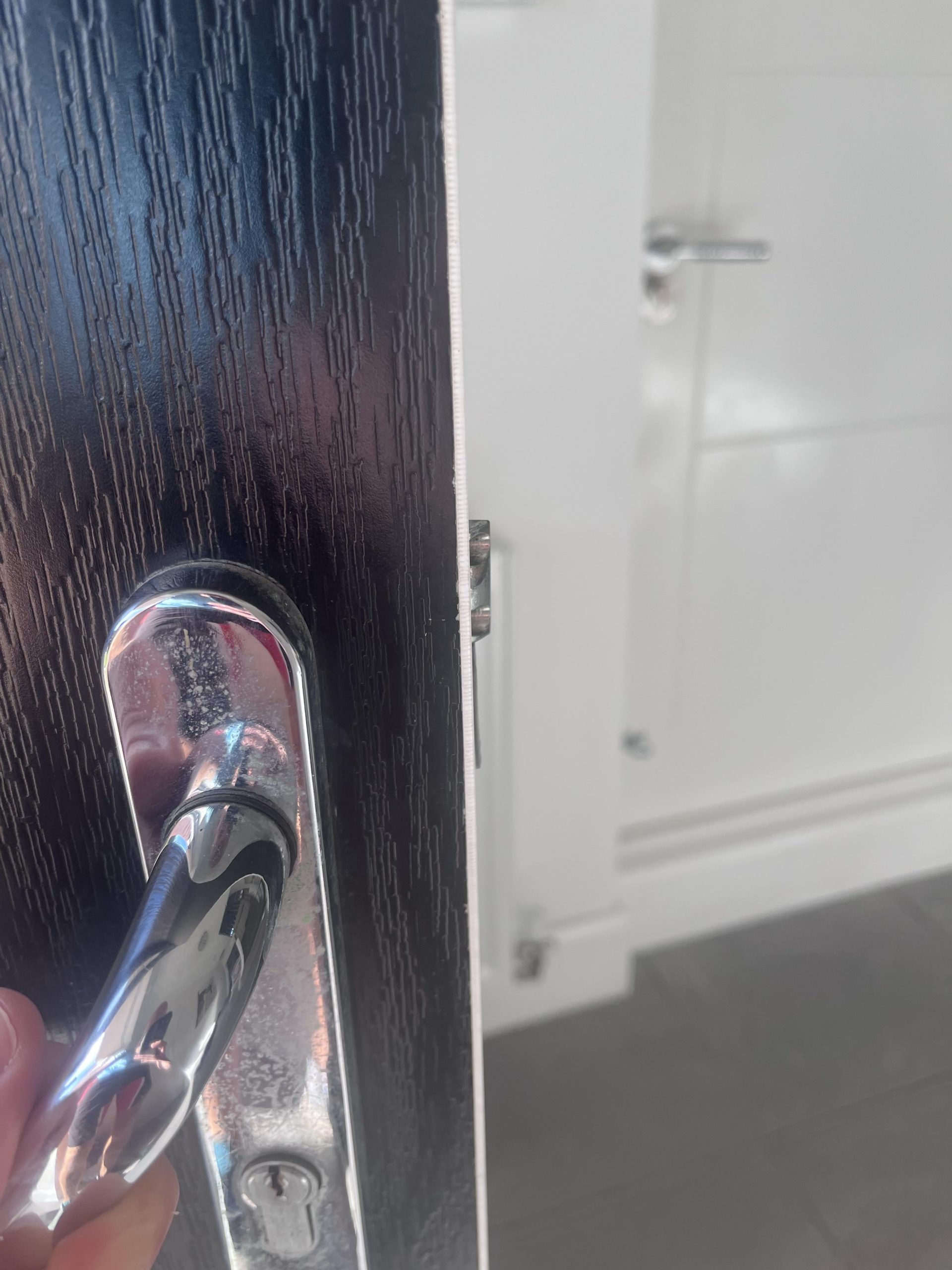
Is your door latch stuck and refusing to retract? It can be frustrating when you try to open a door, but the latch just won’t budge.
You might worry about damaging your door or spending too much on repairs. The good news is, fixing a door latch that won’t retract is often easier than you think. You’ll discover simple, effective steps to get your latch working smoothly again.
Keep reading, and you’ll learn how to solve this common problem quickly—no expensive tools or professional help needed. Your door will close and open like new in no time!

Credit: www.reddit.com
Identify The Problem
A door latch that won’t retract can stop your door from opening. Finding the cause is the first step to fix it.
This guide helps you check common issues. Look closely to find what blocks the latch.
Check For Obstructions
Sometimes dirt or objects block the latch. This stops it from moving back inside the door.
- Look inside the latch hole for dust or debris.
- Clear any small stones, paper, or trash.
- Use a cloth or soft brush to clean the area.
- Check if the latch moves freely after cleaning.
Inspect The Latch Mechanism
The latch may be broken or rusty. This can stop it from sliding back.
| Problem | Signs | Action |
| Rust or dirt | Latch feels stiff | Apply lubricant and wipe clean |
| Bent latch | Latch sticks out too far | Gently bend latch back or replace it |
| Broken spring | Latch does not move | Replace latch mechanism |
Examine The Door Alignment
When the door is out of line, the latch may not retract properly. Check if the door fits well in the frame.
- Close the door slowly and watch the latch and strike plate.
- See if the latch hits the strike plate evenly.
- Look for gaps or misalignment between door and frame.
- Tighten or adjust hinges if needed.

Credit: www.reddit.com
Lubricate The Latch
When a door latch won't retract, lubrication can be the key to fixing it. This guide will help you choose and apply the right lubricant.
Proper lubrication ensures smooth operation and extends the life of your door latch. Follow these steps to get started.
Choose The Right Lubricant
Not all lubricants are suitable for door latches. Selecting the correct one is crucial for effective repair.
- Use silicone spray for a non-greasy finish
- Graphite powder works well in cold climates
- Avoid WD-40; it can attract dust
Apply Lubricant Properly
Applying lubricant correctly ensures the latch functions smoothly. Follow these steps to apply it effectively.
Adjust The Strike Plate
The door latch may not retract properly if the strike plate is not aligned. Adjusting the strike plate can fix this issue. This guide shows how to loosen and reposition the plate and test the latch movement.
Start by checking the strike plate’s position. A misaligned plate can block the latch from moving freely. Making small adjustments helps the door close smoothly.
Loosen And Reposition The Plate
First, use a screwdriver to loosen the screws on the strike plate. Do not remove them completely. Gently move the plate up, down, or sideways to align with the latch bolt. Tighten the screws once it feels aligned.
- Loosen the screws holding the strike plate
- Move the plate slightly to align with the latch
- Check if the latch bolt fits into the hole smoothly
- Tighten the screws to secure the plate
Test Door Latch Movement
After adjusting, test the door latch by closing and opening the door a few times. The latch should retract easily and lock in place. If it still sticks, adjust the strike plate again or check the latch mechanism.
| Test Action | Expected Result |
| Close door gently | Latch slides into strike plate hole |
| Open door | Latch retracts smoothly |
| Push door closed firmly | Door stays locked without force |

Credit: www.reddit.com
Tighten Or Replace Screws
A door latch may not retract if its screws are loose or damaged. Fixing these screws often solves the problem. This guide explains how to check and fix the screws.
Tight screws keep the latch in place and working well. If screws are worn out, replace them with new ones for a secure fit.
Check Loose Screws
Look at the screws holding the door latch and strike plate. Use a screwdriver to test if they are tight. Loose screws can stop the latch from moving properly.
Tighten any loose screws by turning them clockwise. Do not over-tighten as this may damage the wood or screw head.
- Find all screws on the latch and strike plate
- Use the right screwdriver size
- Turn screws gently to tighten
- Check if the latch moves freely
Replace Damaged Screws
Sometimes screws are stripped or rusted. Damaged screws cannot hold the latch securely. Replace these screws with new ones of the same size.
Remove damaged screws carefully. Insert new screws and tighten them properly. This helps the latch work smoothly again.
- Remove stripped or rusted screws
- Buy screws that match the old ones
- Insert and tighten new screws
- Test the latch for proper movement
Repair Or Replace The Latch
A door latch that won’t retract can cause frustration and affect security. Fixing it may require repair or replacement. Knowing which option to choose saves time and effort.
Check the latch closely to find bent or broken parts. If parts are damaged, repair them or get a new latch. This guide helps you decide the best solution.
Fix Bent Or Broken Parts
Bent or broken latch parts often stop the latch from moving properly. Use pliers to straighten bent pieces carefully. Replace broken parts if they cannot be fixed.
Clean the latch and oil it to ensure smooth movement. Tighten loose screws that might cause misalignment. These small fixes may restore the latch function.
Select A New Latch
If repair is not possible, choose a new latch that fits your door type. Measure the old latch to find the right size. Pick a latch with durable materials for longer use.
- Measure latch length and width
- Check the backset (distance from edge to latch center)
- Choose a latch with matching finish and style
- Pick a latch made from strong metals like brass or steel
Prevent Future Issues
Fixing a door latch that won’t retract is only part of the solution. You need to keep it working well over time.
Simple care and smart habits can stop problems before they start. This guide shows you how to protect your door latch.
Regular Maintenance Tips
Check your door latch every few months. Clean dust and dirt from the latch and strike plate. Use a cloth or soft brush for this.
- Apply a small amount of lubricant to the latch to keep it moving smoothly.
- Tighten any loose screws on the latch and door frame.
- Inspect the latch for signs of rust or damage and replace parts if needed.
Avoid Common Mistakes
Many latch problems happen because of common errors. Avoid these to keep your door working well.
| Mistake | Why it Happens | How to Avoid |
| Forcing the door | Latch gets stuck or bent | Use gentle pressure when closing |
| Skipping lubrication | Latch parts dry out and jam | Lubricate latch twice a year |
| Ignoring loose screws | Latch misaligns and won’t retract | Check and tighten screws regularly |
| Using wrong lubricant | Grit builds up, causing more wear | Use graphite or silicone sprays |
Frequently Asked Questions
Why Won’t My Door Latch Retract Properly?
A door latch won’t retract if it’s dirty, misaligned, or damaged. Clean the latch, lubricate it, and check alignment. Tighten loose screws. Replace worn parts if needed.
How Can I Fix A Stuck Door Latch At Home?
Start by cleaning and lubricating the latch with WD-40. Tighten screws and adjust the strike plate. If damaged, replace the latch mechanism.
What Causes A Door Latch To Get Stuck?
Dirt buildup, rust, misaligned strike plates, or damaged latch parts cause a door latch to get stuck. Regular maintenance prevents this issue.
When Should I Replace A Faulty Door Latch?
Replace the latch if cleaning and adjustments don’t work. Also, change it if it’s visibly worn, broken, or rusted for safety.
Conclusion
Fixing a door latch that won’t retract can save time and money. Start by checking for dirt or rust blocking the latch. Tighten loose screws to ensure smooth movement. Use lubricant to help the latch slide easily. Test the latch after each step to see if it works.
Small fixes often solve the problem quickly. Don’t rush; take your time to avoid damage. Simple tools and a little patience go a long way. Keep your door working well with regular care and checks.