
Is your door sticking, scraping the floor, or just not closing right? A sagging door can be frustrating and make your whole room feel off.
But before you call a handyman or think about replacing it, there’s good news—you can fix it yourself. You’ll learn simple, step-by-step ways to stop your door from sagging and get it working smoothly again. Keep reading, and you’ll have your door looking and feeling like new in no time.
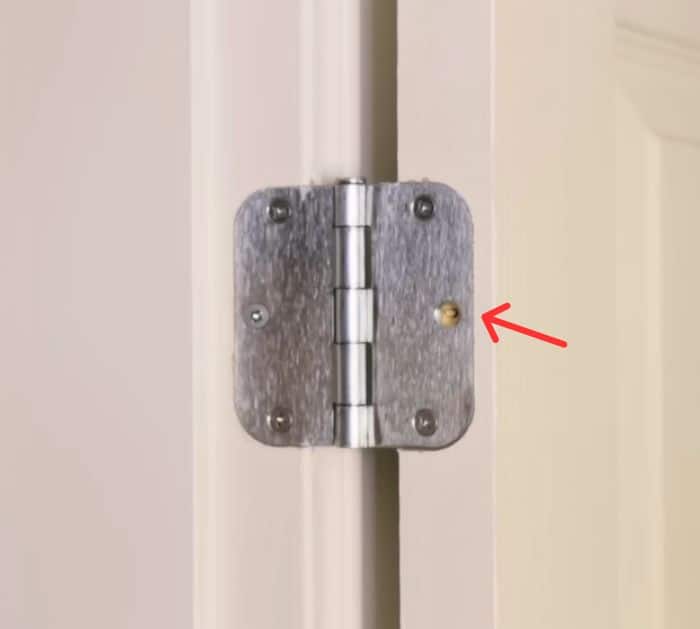
Credit: diyjoy.com
Identify The Sagging Door
A sagging door does not close properly. It may rub against the frame or leave gaps.
Finding the signs early can help you fix the door quickly. This saves time and money.
Signs Of A Sagging Door
A sagging door shows some clear signs. Watch for these problems before they get worse.
- The door sticks or rubs at the top or bottom
- Gaps appear around the door edges
- The latch does not line up with the strike plate
- The door feels heavy or hard to open
- Visible gaps between the door and frame
Common Causes
Doors sag because of loose hinges or a weak frame. Other reasons include heavy use or humidity.
- Loose or worn hinge screws
- Hinges bent or damaged
- Door frame warping from moisture
- Heavy door weight pulling down
- Improper installation or old age

Credit: www.angi.com
Gather Necessary Tools
Fixing a sagging door starts with gathering the right tools. This ensures a smoother and quicker repair process.
Let's look at the tools and materials you need to fix your sagging door properly.
Tools For Adjustment
Having the correct tools for door adjustment is crucial. It helps in making precise changes to your door's alignment.
- Screwdriver: A Phillips or flathead screwdriver is needed.
- Hammer: Useful for minor adjustments.
- Level: Ensures the door is aligned correctly.
- Drill: Required if new holes need to be made.
Materials For Repair
Besides tools, having the right materials will help in repairing the door effectively.
| Material | Purpose |
| Hinges | Replaces old or broken ones |
| Wood Filler | Fills in gaps or holes |
| Sandpaper | Smoothens rough edges |
| Shims | Adjusts door alignment |
Tighten Door Hinges
A sagging door often happens because the door hinges are loose. Tightening the hinges can help fix the problem. This makes the door hang correctly and close properly.
Start by checking all the screws on the door hinges. Tightening these screws can lift the door back to its right position.
Locate Loose Screws
Open the door and look at each hinge carefully. Find any screws that look loose or are sticking out. Loose screws cause the door to sag or not close well.
Use a screwdriver to check if the screws turn easily. If they do, they need to be tightened or replaced to fix the sagging.
Use Longer Screws For Support
Sometimes the screw holes in the door frame get worn out. Using longer screws gives extra grip and support. This helps hold the door firmly in place.
Replace the short screws with screws that are about 3 inches long. Make sure they go deep into the wall frame for stronger support.
- Remove the old screws from the hinge
- Pick screws that are longer and thicker
- Drive the new screws into the door frame carefully
- Check if the door hangs straight and closes well

Credit: www.youtube.com
Adjust The Hinges
A sagging door often means the hinges need adjustment. Fixing the hinges can stop the door from dragging or sticking. You can make the door hang properly again by checking and tweaking the hinges.
We will look at two ways to adjust hinges: shimming them and planing the door edge. Both methods help the door fit well and work smoothly.
Shim The Hinges
Shimming the hinges lifts the door slightly to fix sagging. You add thin pieces of material behind the hinge to move it out a bit. This adjustment helps the door line up with the frame.
- Remove the screws from the hinge that needs adjustment.
- Place a shim, like cardboard or thin wood, behind the hinge plate.
- Reattach the hinge with screws, tightening them firmly.
- Check if the door swings properly and is aligned.
- Add or remove shims if needed for better fit.
Plane The Door Edge
Planing the door edge removes small amounts of wood where the door sticks. This helps the door close without rubbing the frame. Use a hand plane or sanding block for this job.
| Tool | Use | Tip |
|---|---|---|
| Hand plane | Remove wood evenly | Work in small passes |
| Sanding block | Smooth rough edges | Check fit often |
| Chisel | Trim tight spots | Use carefully for small areas |
Realign The Door Frame
A sagging door often means the frame is out of alignment. Fixing the frame can solve the problem and help the door close properly.
Realigning the door frame involves checking its shape and making necessary repairs. This guide will help you restore the frame to its correct position.
Check The Frame Squareness
First, check if the door frame is square. A frame that is not square will cause the door to sag or stick.
- Use a carpenter’s square or a tape measure.
- Measure diagonally from corner to corner.
- If the measurements are equal, the frame is square.
- If not, the frame needs adjustment.
Fix Frame Issues
After finding out the frame is not square, you must fix it. Realigning the frame can be done with simple tools and some effort.
| Action | Tools Needed | Purpose |
| Loosen screws or nails holding the frame | Screwdriver, hammer | Allow frame to move for adjustment |
| Tap the frame to align corners squarely | Rubber mallet | Correct the frame shape |
| Check diagonal measurements again | Carpenter’s square or tape measure | Verify frame is square |
| Tighten screws or add shims if needed | Screwdriver, shims | Secure the frame in new position |
Replace Damaged Hardware
A sagging door often happens because the hardware is worn out. Replacing damaged hinges and screws can fix the problem. It helps the door hang straight and work smoothly.
Check all the door hardware for signs of damage before you start. This includes hinges, screws, and other parts that hold the door in place.
When To Replace Hinges
Replace hinges if the door feels loose or sags. Rusty or bent hinges also need changing. Old hinges can break and cause the door to fall.
If screws are loose and won't hold, the hinge is likely damaged. Worn hinges make the door hard to open and close. Changing them stops further damage.
Choosing New Hinges
Pick hinges that fit the door size and weight. Heavy doors need stronger hinges. Choose hinges made of durable metal for longer use.
- Use steel or brass hinges for strength
- Pick the right size based on door weight
- Match the hinge style to your door type
- Consider hinges with ball bearings for smooth movement
Make sure new hinges come with matching screws. Using the correct screws helps keep the door secure and stops sagging again.
Prevent Future Sagging
Fixing a sagging door is only part of the work. You need to keep it from sagging again. Regular care helps your door stay strong and work well for years.
Some small changes around your door and home can stop the door from sagging. Learn some easy tips to keep your door in good shape.
Regular Maintenance Tips
Checking your door often can catch problems before they grow. Keep the door parts clean and tight for better use. These simple habits help a lot.
- Check the door hinges and screws every six months.
- Tighten loose screws with a screwdriver.
- Oil the hinges with light machine oil to stop squeaks.
- Make sure the door fits well in the frame with no gaps.
- Replace old or worn-out hinges quickly.
Environmental Considerations
Weather and moisture can change the wood and metal parts of your door. Protect your door from these to keep it from sagging again.
| Cause | Effect on Door | How to Prevent |
| High Humidity | Wood swells, frame warps | Use a dehumidifier or air conditioner |
| Rain and Water | Wood rots, metal rusts | Install a door canopy or awning |
| Direct Sunlight | Wood dries and cracks | Apply UV-resistant paint or sealant |
| Cold Weather | Wood shrinks, loosens fit | Use weather stripping and insulation |
Frequently Asked Questions
Why Is My Door Sagging Over Time?
A door sags due to loose hinges, worn screws, or wood warping. Gravity pulls the door down, causing misalignment. Regular use and humidity changes worsen the issue. Fixing sagging hinges or reinforcing the frame prevents further damage.
How Can I Fix A Sagging Door Hinge?
Tighten loose screws or replace them with longer ones for better grip. If the hinge mortise is worn, use wooden toothpicks or filler to fill gaps. Reattach the hinge firmly, ensuring the door aligns properly and swings smoothly.
Can A Sagging Door Be Fixed Without Replacing It?
Yes, most sagging doors can be fixed by adjusting hinges or tightening screws. Reinforcing the door frame or shimming hinges also helps. Replacement is a last resort when the door or frame is severely damaged.
How Do I Prevent My Door From Sagging Again?
Regularly check and tighten hinge screws. Apply lubricant to hinges to reduce wear. Control indoor humidity to prevent wood warping. Proper installation and using quality hardware also prolong door alignment.
Conclusion
Fixing a sagging door is easier than you might think. Small adjustments can make your door work like new. Tighten screws, check hinges, and use simple tools. These steps save money and time. A well-aligned door improves your home's look and function.
Keep your door sturdy to avoid bigger problems later. Try these tips today and enjoy a smooth-closing door again.